
In the traditional medical sense, a biopsy is the removal of a sample of tissue or cells for examination under a microscope to diagnose a disease. However, as we move deeper into the 21st century, the definition of a biopsy is being radically transformed by technology. No longer is it merely a surgical procedure; it has become a sophisticated data-gathering exercise. Through the integration of robotics, artificial intelligence, and advanced molecular sequencing, the “biopsy” is evolving into a high-tech diagnostic pillar that bridges the gap between biological hardware and digital software.
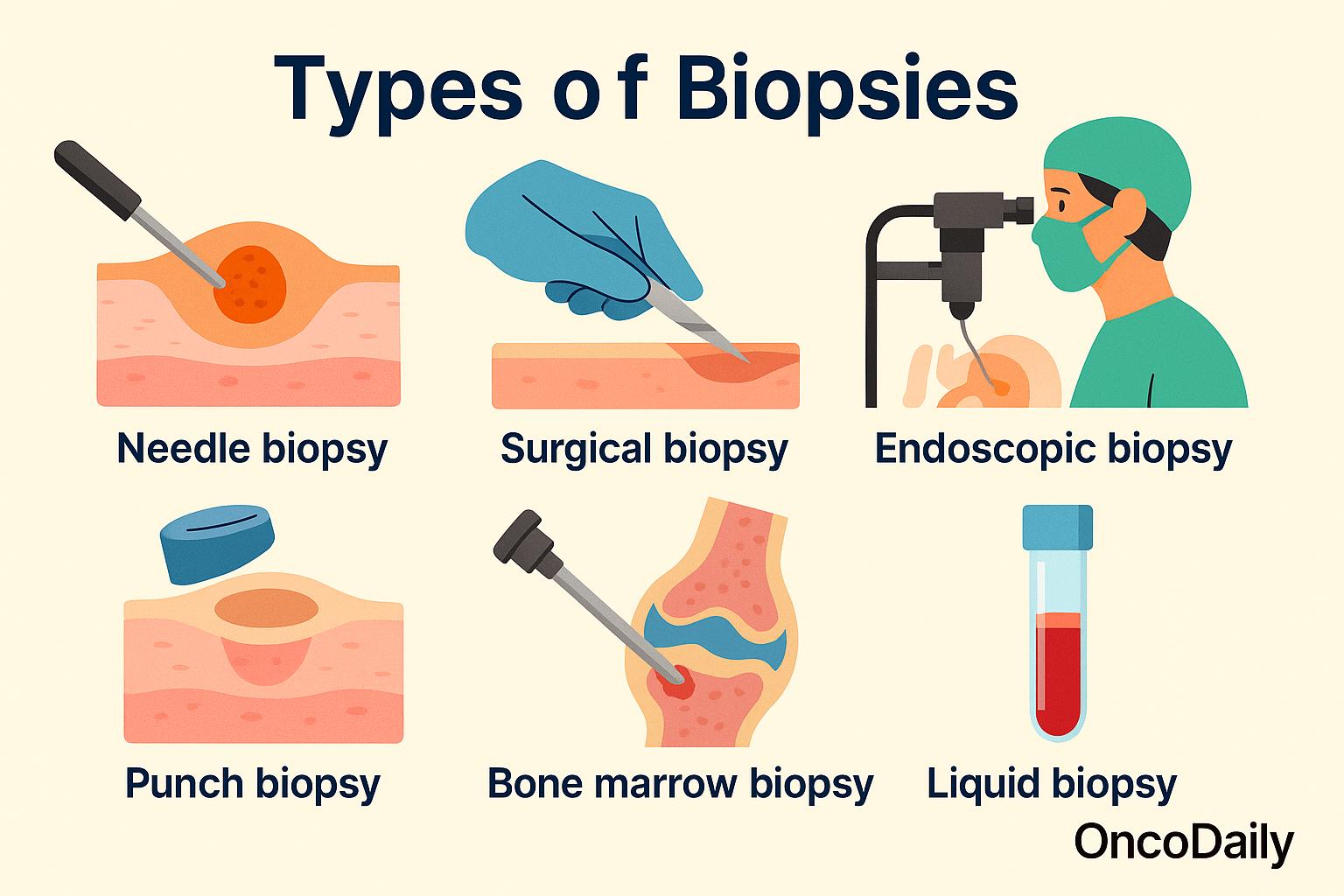
Understanding what a biopsy is today requires a look at the technological infrastructure supporting modern medicine. We are shifting from invasive, physical sampling toward non-invasive “liquid” scans and AI-driven predictive modeling. This evolution represents one of the most significant trends in MedTech, promising faster results, higher accuracy, and personalized treatment plans tailored to the individual’s genetic makeup.
The Technological Evolution of Biopsy Procedures
For decades, the standard biopsy involved a surgeon physically removing a piece of tissue. While effective, this “manual” era of diagnostics was often limited by human error and the invasive nature of the procedure. Today, the integration of hardware and software has turned the biopsy into a precision-guided operation.
From Manual Sampling to Precision Robotics
The introduction of robotic-assisted biopsy systems has revolutionized how clinicians approach suspicious lesions. Systems like the Ion endoluminal system or the Da Vinci surgical platform allow for ultra-precise needle placement that would be impossible for the human hand alone. These tools use fiber-optic sensing technology to provide real-time feedback to the operator, navigating the complex pathways of the lungs or other organs with sub-millimeter accuracy. This tech-driven approach minimizes trauma to the patient and ensures that the sample collected is of the highest diagnostic quality.
Digital Pathology and High-Resolution Imaging
Once a sample is taken, the technology shift continues in the lab. Traditional glass slides are being replaced by digital pathology. High-resolution scanners convert biological samples into massive digital files—often several gigabytes in size. This “digitization of the cell” allows pathologists to use software tools to zoom, annotate, and share images instantly with experts across the globe. By treating a biopsy as a digital asset rather than a physical slide, the speed of diagnosis increases exponentially, and the potential for collaborative, cloud-based analysis becomes a reality.
Liquid Biopsies: The Software Revolution in Blood Testing
Perhaps the most exciting tech trend in diagnostics is the “liquid biopsy.” This technology moves away from solid tissue sampling entirely, instead focusing on the “data” circulating in a patient’s bloodstream. This is where biotechnology meets high-performance computing.
How Algorithms Detect Circulating Tumor DNA (ctDNA)
Every cell in our body sheds fragments of DNA into the blood. In patients with cancer, these fragments—known as circulating tumor DNA (ctDNA)—carry the genetic signature of the disease. A liquid biopsy uses advanced Next-Generation Sequencing (NGS) to scan blood samples for these microscopic indicators. The challenge isn’t just finding the DNA; it’s the computational power required to distinguish a few cancerous mutations among billions of healthy DNA fragments. Sophisticated algorithms and pattern-recognition software are the true engines behind this technology, allowing for the detection of cancer at Stage 0 or 1, long before it would be visible on a traditional scan.
The Intersection of Big Data and Genetic Sequencing
Liquid biopsies generate staggering amounts of data. To make sense of a single patient’s genetic profile, software must compare their sequence against vast databases of known genetic mutations. This is a Big Data challenge. Companies in this space are leveraging cloud computing to process these datasets, identifying correlations between specific genetic markers and how they respond to different drug therapies. In this context, a biopsy is less about the blood draw and more about the bio-informatic analysis that follows.
AI and Machine Learning in Biopsy Analysis
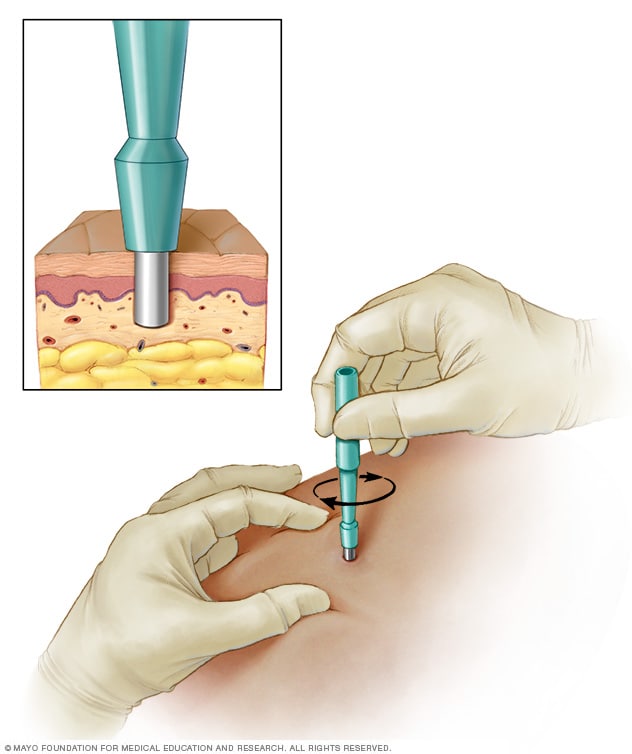
Artificial Intelligence (AI) is the most transformative force in modern diagnostic technology. While a human pathologist remains the final authority, AI tools are now acting as a “co-pilot,” enhancing the accuracy and speed of biopsy interpretations.
Computer-Aided Diagnosis (CAD) Systems
AI-driven Computer-Aided Diagnosis (CAD) systems are trained on millions of historical biopsy images. Using deep learning, these systems can identify cellular patterns associated with malignancy that might be invisible to the naked eye. For instance, in prostate or breast cancer biopsies, AI can grade the severity of the disease with a level of consistency that reduces inter-observer variability among doctors. These software tools act as a first-pass filter, highlighting areas of concern for the pathologist to review, thereby streamlining the diagnostic workflow.
Predictive Analytics for Treatment Personalization
Beyond just identifying “if” a sample is cancerous, AI is being used to predict how that specific tissue will react to certain treatments. By analyzing the morphology (the shape and structure) of cells in a biopsy, machine learning models can suggest which chemotherapy or immunotherapy protocol has the highest statistical probability of success. This is the hallmark of “Precision Medicine”—using tech to move away from a one-size-fits-all approach to a data-driven, individualized care plan.
Telepathology and Remote Diagnostic Infrastructure
The “where” of a biopsy is changing as much as the “how.” Digital connectivity is breaking down the geographic barriers of medicine, creating a global network of diagnostic expertise.
Cloud-Based Microscopy and Global Collaboration
Telepathology involves the practice of pathology at a distance. Through cloud-based platforms, a biopsy taken in a rural clinic can be uploaded and viewed by a world-leading specialist in a major metropolitan hub in real-time. This is supported by high-speed internet (5G) and advanced compression algorithms that allow for the transmission of high-fidelity images without loss of detail. This tech-enabled democratization of healthcare ensures that a patient’s diagnosis is not limited by their physical location.
Cybersecurity in Sensitive Medical Data Management
As biopsies become digital files, they also become targets for cyber threats. The tech infrastructure surrounding biopsies must include robust digital security measures. Encryption, blockchain for secure data sharing, and strict identity management are now essential components of the diagnostic process. Ensuring the integrity of a biopsy report—and protecting the genetic privacy of the patient—is a massive undertaking for IT departments within the healthcare sector. The “tech” of a biopsy, therefore, extends into the realm of cybersecurity.
The Road Ahead: Nanotechnology and In-Vivo Sensors
Looking toward the horizon, the next phase of biopsy technology involves moving the lab directly into the body. We are entering the era of the “In-Vivo” or “Virtual” biopsy.
Nanobots and Targeted Data Collection
Researchers are currently developing nanodevices that can be injected into the bloodstream to perform “target-and-signal” missions. These nanobots could theoretically identify diseased cells, perform a microscopic analysis on-site, and transmit that data wirelessly to an external receiver. This would eliminate the need for any physical removal of tissue, representing the ultimate fusion of nanotechnology and diagnostic medicine.

Optical Biopsies and Real-Time Sensing
Another emerging technology is the “optical biopsy,” which uses advanced light-scattering techniques and spectroscopy to analyze tissue health in real-time during an endoscopy. Instead of snipping a sample and sending it to a lab, the physician uses a high-tech probe that analyzes the light-tissue interaction to provide an instant diagnosis. The “software” in the probe interprets the light waves to determine if the cells are cancerous, benign, or inflamed.
In conclusion, when we ask “what is a biopsy” in a modern technological context, we are looking at the vanguard of the digital health revolution. It is no longer just a medical procedure; it is a complex ecosystem of robotic hardware, AI-driven software, and massive cloud-based data networks. By turning biological samples into actionable data, technology is making biopsies more accurate, less invasive, and more accessible than ever before. As we continue to refine these tools, the biopsy will remain the most critical link in the chain of precision medicine, ensuring that every patient receives a diagnosis powered by the full weight of modern innovation.
aViewFromTheCave is a participant in the Amazon Services LLC Associates Program, an affiliate advertising program designed to provide a means for sites to earn advertising fees by advertising and linking to Amazon.com. Amazon, the Amazon logo, AmazonSupply, and the AmazonSupply logo are trademarks of Amazon.com, Inc. or its affiliates. As an Amazon Associate we earn affiliate commissions from qualifying purchases.