
In the complex landscape of modern finance, individuals and business owners often find themselves navigating a sea of various institutions—commercial banks, credit unions, investment brokerages, and estate planning firms. However, one specific type of institution stands out for its ability to provide a consolidated, holistic approach to wealth: the Bank and Trust. While the term may sound like a relic of old-world private banking, the Bank and Trust model remains one of the most sophisticated vehicles for managing, growing, and protecting capital in the contemporary economy.

At its core, a Bank and Trust is a financial institution that is legally authorized to act as both a commercial bank and a fiduciary agent. This dual identity allows the institution to offer traditional banking products—such as checking accounts, mortgages, and commercial loans—while simultaneously managing assets on behalf of clients through trust accounts, estate administration, and investment management. Understanding the nuances of this integrated model is essential for anyone looking to bridge the gap between daily cash flow management and long-term legacy planning.
The Dual Identity: Commercial Banking Meets Fiduciary Service
To understand what a Bank and Trust is, one must first deconstruct its two primary functional pillars. Most people are familiar with the “Bank” aspect, which operates as a depository institution. However, the “Trust” component introduces a higher level of legal responsibility and specialized service that distinguishes these institutions from standard retail banks.
The Commercial Banking Pillar
The banking side of a Bank and Trust functions much like any other full-service financial institution. It provides the essential infrastructure for modern financial life. This includes liquidity management through savings and checking accounts, certificates of deposit (CDs), and debit card services. For businesses, this pillar offers treasury management, payroll processing, and lines of credit.
What sets a Bank and Trust apart in this category is often the level of personalization. Because these institutions frequently cater to high-net-worth individuals or specialized business sectors, their commercial banking services are usually high-touch, featuring dedicated private bankers who understand the client’s broader financial picture.
The Trust and Fiduciary Pillar
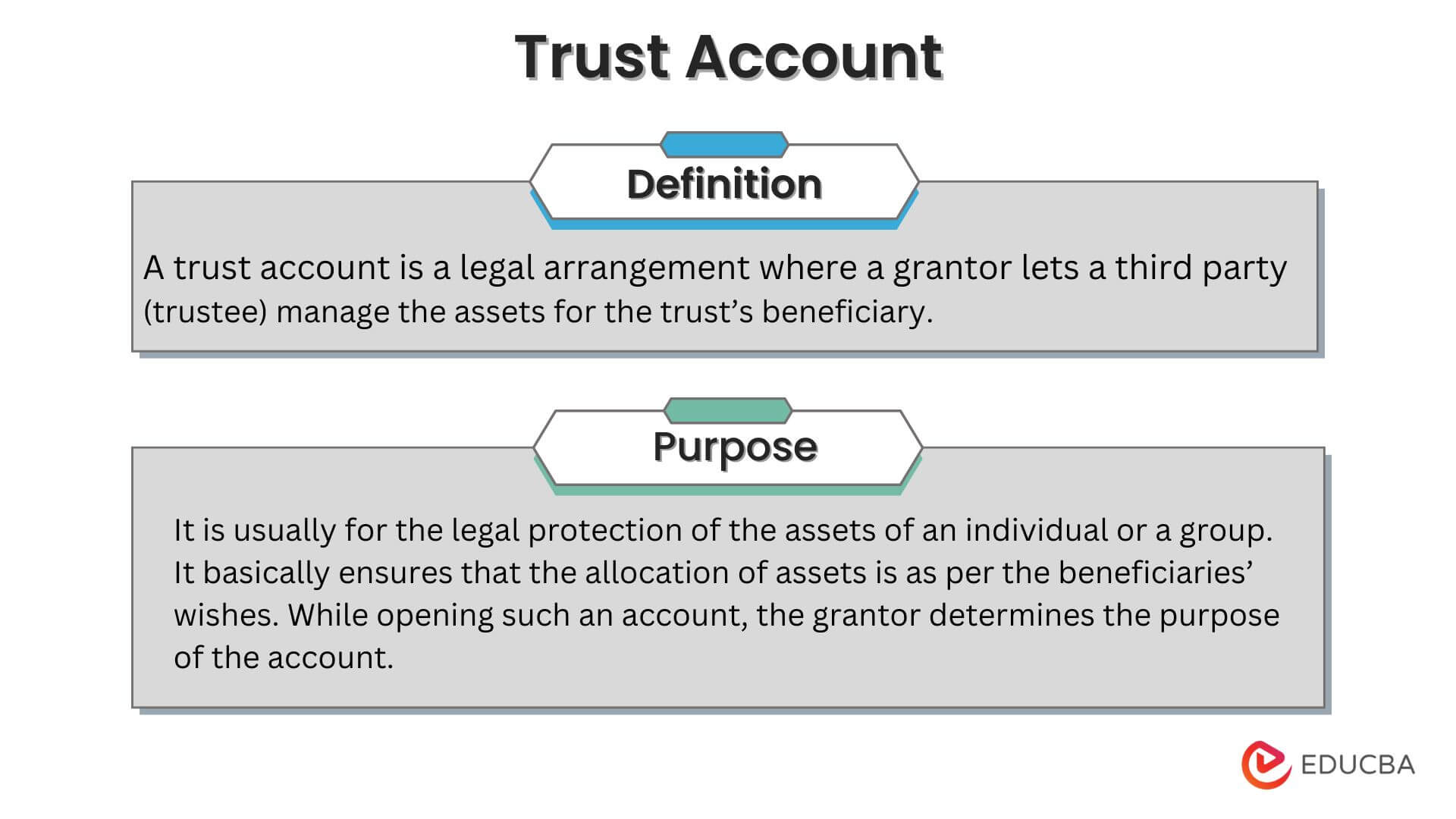
The “Trust” portion of the name refers to the institution’s capacity to act as a fiduciary. In legal terms, a fiduciary is an entity that is held to the highest standard of care under the law. When a bank acts as a trustee, it is legally obligated to act solely in the best interest of its clients, putting the client’s financial well-being above its own profit motives.
This department manages assets that are held “in trust.” This could mean managing an inheritance for a minor, overseeing the disbursement of funds from a charitable foundation, or managing a complex portfolio of stocks, bonds, and real estate for an individual who prefers professional oversight. The trust department handles the administrative burden of record-keeping, tax reporting, and asset distribution according to the specific legal documents governing the trust.
The Synergy of Integrated Services
The true value of a Bank and Trust lies in the synergy between these two pillars. When your mortgage, your business line of credit, and your retirement trust are housed under one roof, the institution gains a 360-degree view of your financial health. This integration allows for more efficient capital allocation. For example, the bank may be more willing to offer favorable terms on a bridge loan for a real estate purchase because they already manage the liquid securities in your trust account, providing them with a clear understanding of your total collateral and net worth.
Wealth Management and Estate Planning within a Bank and Trust
Beyond basic deposits and loans, a Bank and Trust serves as a central hub for sophisticated wealth management. This is where the institution transitions from a service provider to a strategic partner. For families and business owners, this involvement is crucial for navigating the transition of wealth across generations.
Professional Investment Management
While a retail bank might sell you a standardized mutual fund, a Bank and Trust typically offers customized investment management. The trust officers and portfolio managers work together to create an investment policy statement (IPS) tailored to the client’s risk tolerance, time horizon, and tax situation.
Because of their fiduciary status, these managers often have access to institutional-grade investments that are not available to the general public. They focus on “goals-based” investing, ensuring that the portfolio is not just chasing market benchmarks but is specifically designed to fund a client’s lifestyle, philanthropic goals, or business succession plans.
Estate Planning and Succession
One of the most critical roles of a Bank and Trust is acting as an executor or successor trustee. When an individual passes away, their estate must go through a legal process to settle debts and distribute assets. This can be an emotional and administrative nightmare for family members.
A Bank and Trust provides a professional, neutral third party to execute the deceased’s wishes. They handle the valuation of assets, the filing of estate tax returns, and the distribution of assets to beneficiaries. For business owners, the Bank and Trust can play a pivotal role in succession planning, ensuring that the business remains operational or is sold for its maximum value during a transition of power.
Specialized Fiduciary Services
Trust departments also handle specialized needs such as Special Needs Trusts (SNTs), which provide for individuals with disabilities without jeopardizing their eligibility for government benefits. They may also manage Spendthrift Trusts, designed to protect assets from a beneficiary’s creditors or poor financial decisions. By providing these specialized services, the Bank and Trust acts as a protective shield for a family’s financial legacy.
The Fiduciary Standard: Why the “Trust” Matters
In the world of personal finance, there is a significant distinction between the “suitability standard” and the “fiduciary standard.” Most broker-dealers and retail bank representatives are only required to recommend products that are “suitable” for a client. A Bank and Trust, however, operates under the fiduciary standard.
The Highest Duty of Care
The fiduciary standard is the highest legal duty one party can owe to another. This means that a trust officer must provide full transparency regarding fees, disclose any potential conflicts of interest, and ensure that every financial move is optimized for the client’s benefit. For clients, this provides a profound sense of security. They know that the advice they are receiving is not influenced by commissions or sales quotas, but by a legal mandate to preserve and grow their wealth.
Conflict of Interest Mitigation
In a traditional investment setting, a broker might be incentivized to sell a specific financial product because it offers a higher commission. At a Bank and Trust, the fee structure is typically transparent and based on a percentage of assets under management (AUM) or a flat fiduciary fee. This aligns the institution’s goals with the client’s: when the client’s wealth grows, the bank’s revenue grows. This alignment of interests is the cornerstone of the trust relationship.
Choosing the Right Bank and Trust for Your Financial Future
Not all Bank and Trust institutions are created equal. They range from massive global entities to small, community-focused boutique firms. Choosing the right partner requires a careful evaluation of your specific financial needs and the institution’s capabilities.
Assessing Institutional Stability and Expertise
When you appoint a bank as a trustee, you are entering into a relationship that could potentially last for decades or even generations. It is vital to assess the institution’s longevity, capital adequacy, and the expertise of its staff. Do they have a robust legal team? Are their portfolio managers seasoned professionals with experience in various market cycles? A Bank and Trust should offer a sense of permanence that matches your long-term goals.
Fee Structures and Transparency
While Bank and Trust services offer immense value, they are rarely the cheapest option. The cost of fiduciary oversight, legal compliance, and personalized management is reflected in their fee schedules. Prospective clients should demand a clear, written breakdown of all costs, including management fees, administrative fees, and any underlying investment expenses. The “value-add” of tax savings, litigation protection, and professional growth should ideally far outweigh the cost of the services.
Continuity of Management
One of the greatest risks in wealth management is “key person risk”—the danger that your financial plan will fall apart if your specific advisor leaves the firm. A major advantage of a Bank and Trust is the institutionalized nature of its service. Because the bank itself is the trustee, there is a team-based approach to your accounts. If one officer retires or moves on, the institutional knowledge and the legal framework of your trust remain intact, ensuring a seamless transition and continuous oversight of your assets.

Conclusion: The Integrated Path to Financial Peace of Mind
A Bank and Trust is more than just a place to keep your money; it is a comprehensive financial engine designed to manage the complexities of modern wealth. By combining the transactional efficiency of a commercial bank with the ethical and legal rigor of a fiduciary trust department, these institutions offer a unique value proposition.
Whether you are a professional looking to automate your wealth building, a business owner planning an eventual exit, or a head of a family seeking to protect a legacy for future generations, the Bank and Trust model provides the tools and the oversight necessary to achieve those goals. In an era of financial fragmentation, the consolidated, high-standard approach of a Bank and Trust remains a gold standard for those who value security, transparency, and long-term strategic growth.
aViewFromTheCave is a participant in the Amazon Services LLC Associates Program, an affiliate advertising program designed to provide a means for sites to earn advertising fees by advertising and linking to Amazon.com. Amazon, the Amazon logo, AmazonSupply, and the AmazonSupply logo are trademarks of Amazon.com, Inc. or its affiliates. As an Amazon Associate we earn affiliate commissions from qualifying purchases.