
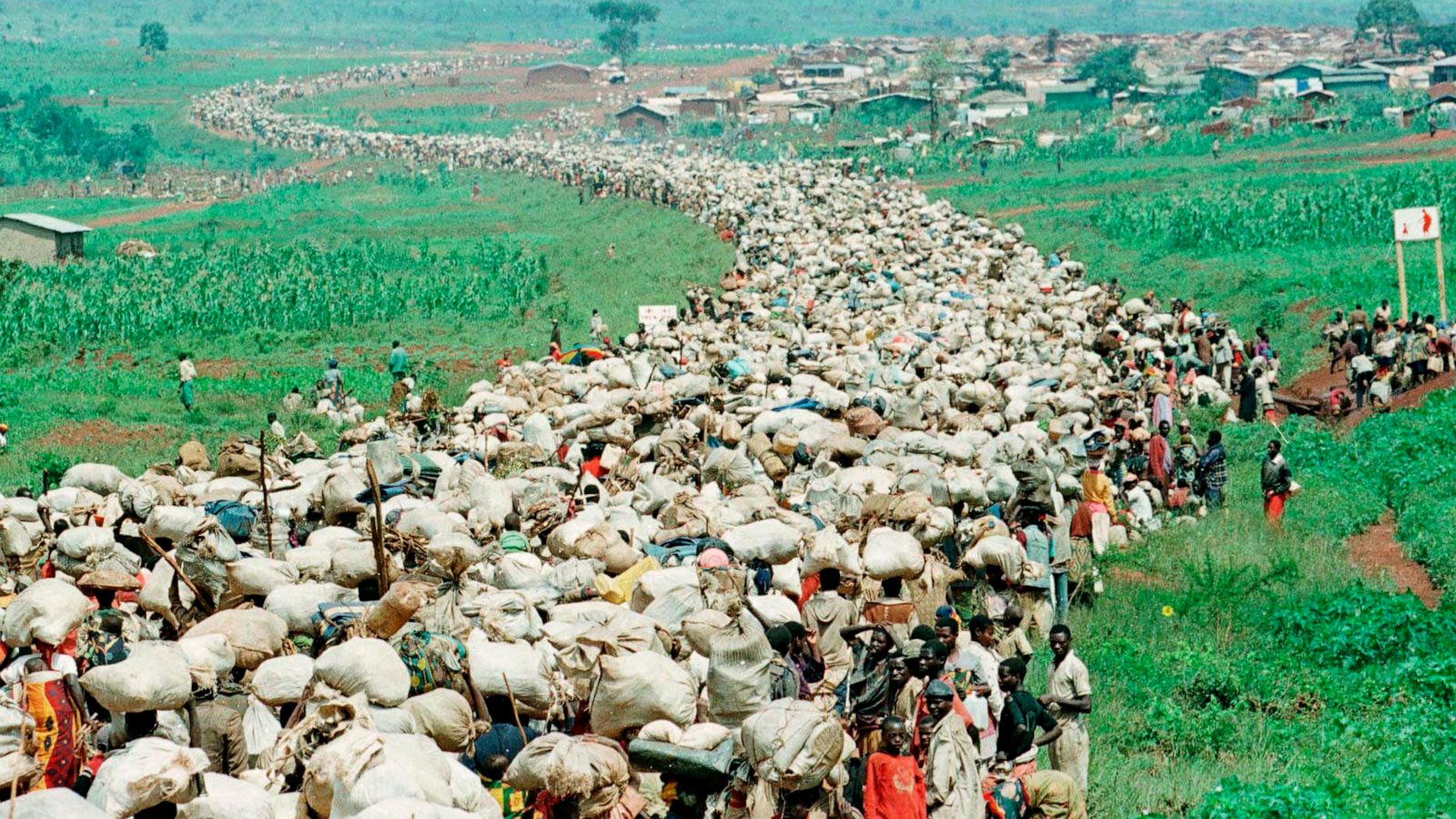
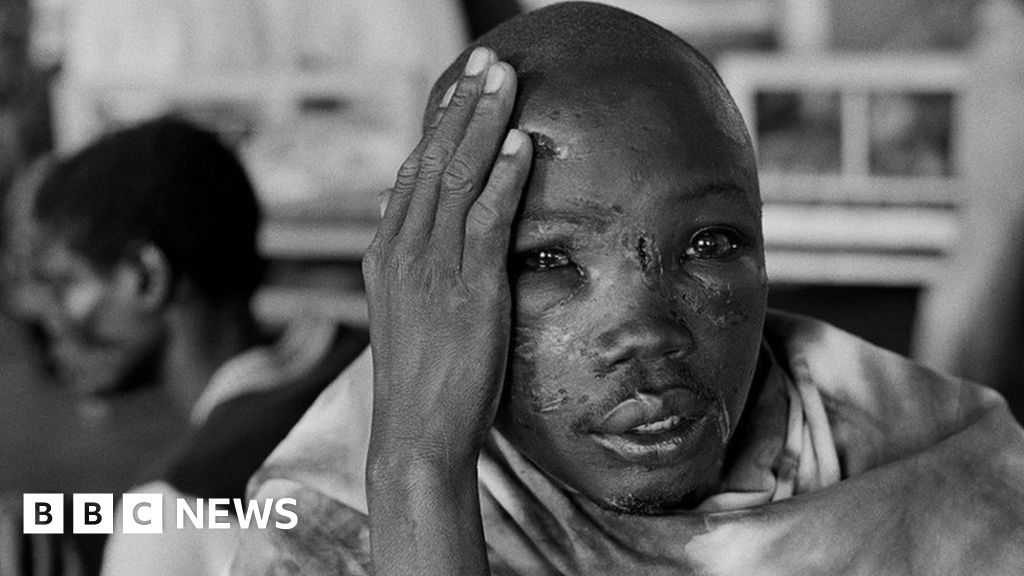
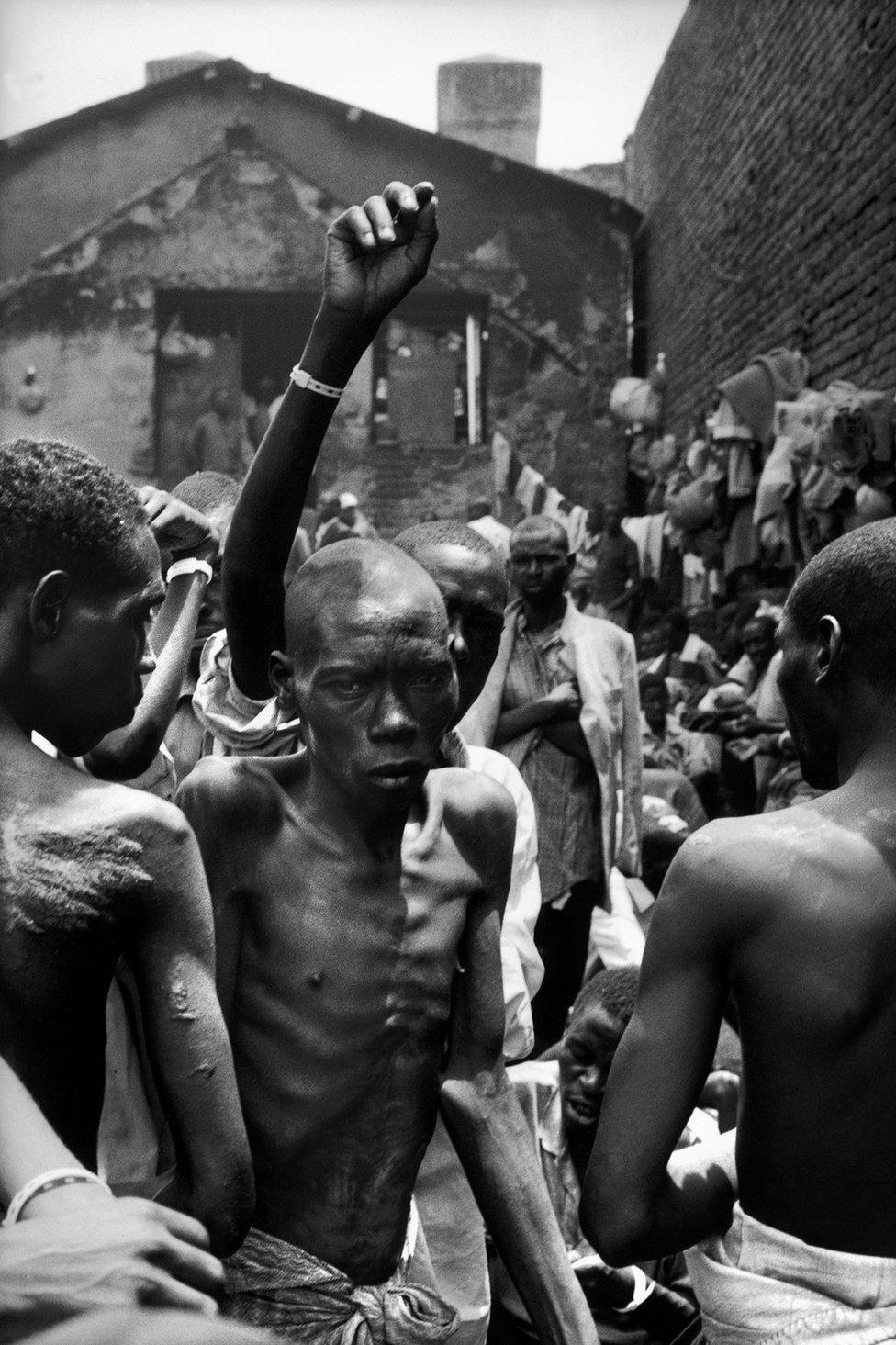
In the mid-1990s, the global financial community viewed Rwanda as a definitive “high-risk” zone, a nation whose economic fabric had been completely unraveled by internal conflict and systemic collapse. Fast forward three decades, and the narrative has shifted fundamentally. Today, Rwanda is frequently cited in boardrooms from London to Singapore as a prime example of an emerging market success story. The question “what happened to Rwanda” is no longer a query about tragedy, but rather an investigation into a sophisticated fiscal turnaround. This article analyzes the specific economic levers, investment strategies, and business frameworks that propelled Rwanda from a state of total insolvency to one of the fastest-growing economies in Africa.
The Regulatory Revolution: Becoming the “Singapore of Africa”
The cornerstone of Rwanda’s economic resurgence was a deliberate and aggressive overhaul of its regulatory environment. Recognizing that a landlocked nation with limited natural resources could not rely on traditional extraction-based wealth, the government pivoted toward a “Business First” philosophy. This strategy was designed to lower the barriers to entry for both local entrepreneurs and international investors.
Reducing Friction for Entrepreneurs
One of the most significant metrics of Rwanda’s success is its consistent performance in the World Bank’s “Ease of Doing Business” index. For several years, Rwanda has ranked among the top performers globally for the ease of starting a business. What happened to Rwanda was a systematic removal of “red tape.” The government consolidated all business-related services—registration, tax licensing, and land acquisition—into a digital-first, one-stop shop. Today, a business can be formally registered in Rwanda in less than six hours, a feat that many G7 nations struggle to match. This reduction in administrative friction has directly correlated with an increase in small and medium enterprise (SME) formation, providing a stable tax base for the treasury.
Attracting Global Capital through the Rwanda Development Board (RDB)
Central to Rwanda’s investment strategy is the Rwanda Development Board (RDB). Acting as a bridge between the private sector and the government, the RDB is tasked with marketing the country as a premium investment destination. By offering tailored incentive packages, such as 7-year corporate income tax holidays for large-scale projects and duty-free imports of capital goods, Rwanda has successfully competed for Foreign Direct Investment (FDI) against larger, more resource-rich neighbors. This institutional approach to “Money” and capital management has ensured that investment flows are not just welcomed, but actively nurtured and protected by law.
Diversifying the Portfolio: Moving Beyond Subsistence Agriculture
At the turn of the millennium, Rwanda’s economy was almost entirely dependent on subsistence farming and the export of raw coffee and tea. While these remain important, the “economic miracle” was predicated on diversification. The leadership realized that to achieve middle-income status, the nation needed to move up the value chain into services and high-end manufacturing.
The Rise of the Service Sector and Tourism Revenue
Rwanda’s fiscal strategy took a bold turn by identifying high-end, sustainable tourism as a primary revenue engine. By positioning the country as a luxury destination—anchored by gorilla trekking and high-end eco-lodges—Rwanda has been able to generate significant foreign exchange reserves. Unlike mass-market tourism, which can strain local infrastructure, the Rwandan model focuses on high-value, low-volume visitors. This approach has allowed the country to command premium prices, with permits for gorilla trekking costing upwards of $1,500 per person. This capital is then reinvested into conservation and community development, creating a circular economic benefit that stabilizes the local currency.
MICE: Meetings, Incentives, Conferences, and Exhibitions
Another brilliant move in Rwanda’s business finance playbook was the heavy investment in the MICE sector. The construction of the Kigali Convention Centre (KCC) and the expansion of the national carrier, RwandAir, were strategic capital expenditures aimed at capturing the lucrative international conference market. By positioning Kigali as a safe, clean, and efficient hub for pan-African summits, Rwanda has created a secondary stream of “business money” that flows into the hospitality, transport, and service sectors. This diversification acts as a hedge against global commodity price fluctuations that often cripple other African economies.
The Kigali International Financial Centre (KIFC): A New Alpha for Africa
One of the most ambitious chapters in Rwanda’s financial evolution is the establishment of the Kigali International Financial Centre (KIFC). This project is designed to transform the capital into a world-class financial hub, akin to Dubai or Mauritius, facilitating cross-border investment across the continent.
Building a Transparent Tax Framework
To compete as a financial hub, Rwanda has focused on transparency and international compliance. The KIFC operates under a legal framework that emphasizes Anti-Money Laundering (AML) and Know Your Customer (KYC) protocols, aligning with OECD standards. For investors, this provides a level of security and predictability that is often lacking in emerging markets. The centre offers a competitive tax regime for holding companies, fund managers, and private equity firms, encouraging them to use Kigali as their base for deploying capital into other African markets. This strategy is not just about bringing money into Rwanda; it’s about positioning Rwanda as the conduit for capital across the entire continent.
Positioning for Cross-Border Investment
The KIFC is strategically placed to capitalize on the African Continental Free Trade Area (AfCFTA). By creating a favorable environment for Fintech and investment funds, Rwanda is tapping into the “Online Income” and “Business Finance” trends of the 21st century. The center has already attracted major players in the private equity space, who are drawn to Rwanda’s political stability and its commitment to the rule of law. This financial ecosystem creates high-paying jobs in accounting, law, and finance, further diversifying the national income beyond traditional sectors.
Infrastructure and Human Capital: The Long-Term ROI
A nation’s balance sheet is only as strong as its assets, and Rwanda has been aggressive in building both physical and human capital. The “what happened” in Rwanda is a story of high-conviction spending on the foundations of a modern economy.
Strategic Debt and Infrastructure Spending
While some critics point to Rwanda’s rising debt-to-GDP ratio, the government argues that this is “productive debt.” Borrowing has been funneled into critical infrastructure: 4G (and now 5G) internet connectivity across the country, a modernized road network, and reliable electricity. From an investment perspective, these are essential utilities that lower the “cost of doing business.” When a manufacturer considers setting up a plant in East Africa, Rwanda’s reliable power grid and digital infrastructure often outweigh the smaller market size, making it a more profitable choice in the long run.
Investing in the Knowledge Economy
Rwanda’s “Vision 2050” focuses heavily on human capital as a financial asset. The government allocates a significant portion of its budget to education and vocational training, particularly in STEM and finance. By partnering with international institutions like Carnegie Mellon University to open local campuses, Rwanda is grooming a workforce capable of participating in the global digital economy. This focus on “Human ROI” ensures that as the country attracts more tech and finance firms, there is a local talent pool ready to occupy those roles, keeping the wealth generated within the country’s borders.
Conclusion: Lessons for Emerging Markets
What happened to Rwanda is a masterclass in disciplined economic management and strategic branding of a nation as a “safe haven” for capital. By prioritizing the ease of doing business, diversifying revenue streams through high-end tourism and MICE, and establishing itself as a regional financial hub through the KIFC, Rwanda has rewritten its economic destiny.
For the modern investor or business strategist, Rwanda represents a compelling case study in how “Money”—when managed with transparency, vision, and a commitment to reform—can transform a fractured society into a thriving, service-oriented economy. While challenges remain, particularly regarding the global economic climate and debt sustainability, the Rwandan model offers a blueprint for how emerging markets can leverage policy to compete on a global stage. The transition from an agrarian economy to a financial and service hub is nearly complete, marking one of the most significant fiscal turnarounds in modern history.
aViewFromTheCave is a participant in the Amazon Services LLC Associates Program, an affiliate advertising program designed to provide a means for sites to earn advertising fees by advertising and linking to Amazon.com. Amazon, the Amazon logo, AmazonSupply, and the AmazonSupply logo are trademarks of Amazon.com, Inc. or its affiliates. As an Amazon Associate we earn affiliate commissions from qualifying purchases.