
In the landscape of modern literature and entertainment, few names carry the same weight as Neil Gaiman. For decades, the “Neil Gaiman” brand has been synonymous with a specific blend of dark fantasy, whimsical philosophy, and a seemingly unshakeable persona of the “kindly, leather-jacketed storyteller.” However, recent developments have shifted the discourse surrounding his name. When people ask “what happened to Neil Gaiman,” they are no longer just inquiring about his next Netflix adaptation; they are questioning the viability and future of one of the most meticulously crafted personal brands in the creative industry.
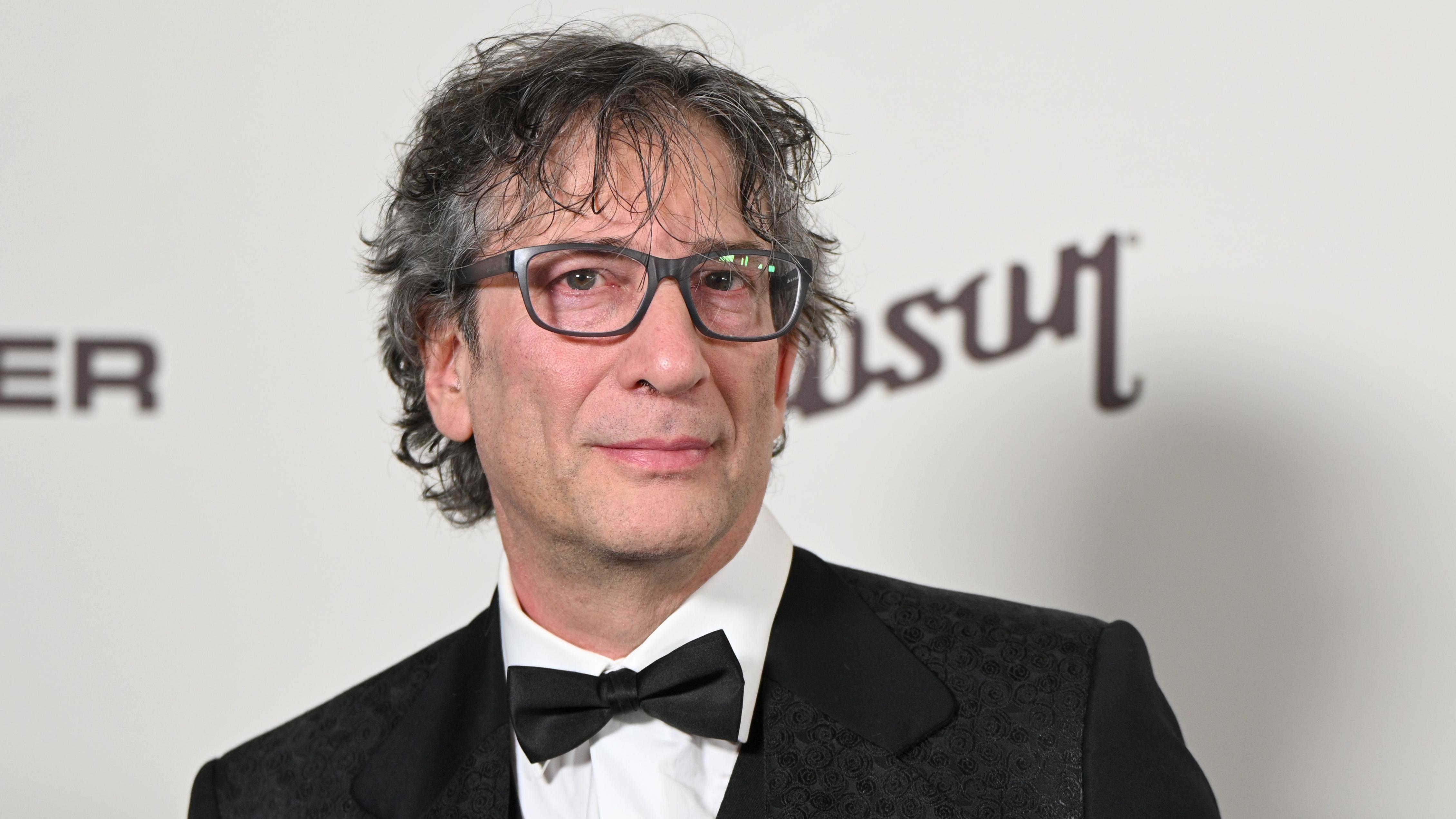
Understanding what is happening with Gaiman requires more than a literary critique; it requires a deep dive into brand strategy, reputation management, and the complex mechanics of personal branding in the digital age.
The Craft of the Personal Brand: How Neil Gaiman Redefined the Modern Author
Before he was a global IP powerhouse, Neil Gaiman was a pioneer in what we now call “direct-to-consumer” personal branding. Long before social media became a prerequisite for authors, Gaiman was engaging with his audience through blogs and early internet forums. This established a foundation of trust and intimacy that most corporate brands spend millions to replicate.
The Intersection of Accessibility and Mystique
The Gaiman brand was built on a unique paradox: he was both an otherworldly creator of mythos and a highly accessible, tea-drinking friend to his readers. His visual identity—the wild hair, the signature black attire, and the soft-spoken British cadence—became a logo in its own right. From a branding perspective, this consistency allowed him to stand out in a crowded marketplace. Whether he was writing a comic book, a children’s novel, or a television script, the “Gaiman-ness” of the product was the primary selling point.
Multi-Platform Presence and the “Tumblr King” Era
Gaiman’s brand strategy excelled because of his mastery of platform-specific engagement. On Twitter and Tumblr, he didn’t just promote his books; he curated a persona of the “Internet’s Wise Uncle.” He championed libraries, defended marginalized voices, and interacted directly with fan art. This created an immense amount of brand equity. Fans weren’t just buying a story; they were investing in the values that the Gaiman brand represented. This emotional connection is the “holy grail” of personal branding, as it creates a community of advocates who act as a protective barrier around the brand.
From Page to Screen: The Corporate Scaling of Creative Identity
As Gaiman’s personal brand grew, it transitioned into a corporate entity. The shift from “author” to “executive producer” marked a significant scaling of his intellectual property (IP). This era was defined by massive deals with streaming giants, moving the Gaiman brand from a niche literary circle into the heart of mainstream pop culture.
The Netflix and Amazon Expansion
The successful adaptations of The Sandman on Netflix and Good Omens on Amazon Prime Video represented the peak of Gaiman’s brand utility. In these instances, the brand functioned as a seal of quality. For studios, “Neil Gaiman” became a shorthand for “prestige genre content with a built-in global audience.” This scaling, however, changed the stakes. When a brand becomes a multi-million-dollar ecosystem involving hundreds of employees and multiple corporate stakeholders, the personal conduct of the figurehead becomes a high-risk variable in the business model.

Managing Brand Consistency Across Adaptations
One of Gaiman’s greatest branding strengths was his active involvement in his adaptations. Unlike other authors who sell their rights and walk away, Gaiman remained the face of the production. This ensured brand consistency—the “Gaiman touch” was visible in the casting, the aesthetic, and the tone. For the consumer, this reinforced the idea that the brand was authentic and uncompromising. However, this level of integration also means that the brand and the individual are inseparable. If the individual faces a crisis, the entire corporate structure built around them is immediately jeopardized.
The Brand Crisis: Navigating Turbulence in the Public Eye
The question of “what happened to Neil Gaiman” took a serious turn in mid-2024. The brand, which had been built on a foundation of safety, kindness, and progressive values, faced its most significant challenge to date following serious allegations of sexual misconduct reported by various media outlets, most notably Tortoise Media.
The Impact of Allegations on Brand Equity
In brand strategy, “Brand Equity” is the value premium that a company generates from a product with a recognizable name as compared to a generic equivalent. For Gaiman, his equity was tied to his reputation as a “safe” and ethical figure. The recent allegations represent a catastrophic breach of that brand promise. When a brand’s core value proposition is “empathy and integrity,” accusations of harm create a cognitive dissonance for the consumer. This leads to “brand erosion,” where the audience begins to decouple their positive associations from the name, leading to a decline in both commercial and cultural value.
The “Cancel Culture” vs. Accountability Framework
From a corporate perspective, the response to the Gaiman controversy has been a study in modern risk management. We have seen projects paused—such as the production of the final season of Good Omens and the stalling of a The Graveyard Book film adaptation. These are not just creative decisions; they are brand protection maneuvers. Corporations like Disney and Amazon must weigh the potential revenue of a Gaiman-branded product against the “reputational contagion” that comes with being associated with a figure under investigation. The brand is currently in a state of “suspended animation,” waiting to see if it can be rehabilitated or if it must be retired.
Lessons in Brand Resilience and Ethical Stewardship
The current situation surrounding Neil Gaiman offers a sobering lesson for personal brands and the corporations that partner with them. It highlights the inherent fragility of centering a massive economic engine around a single human identity.
The Separation of Art and Brand
As the Gaiman brand faces this crisis, a segment of the audience is attempting to “separate the art from the artist.” From a branding standpoint, this is nearly impossible when the brand is the artist. In the case of Gaiman, his personal anecdotes, his voice, and his face are woven into the marketing of the work. You cannot easily sanitize a brand when the brand’s primary asset is its perceived soul. The future of his works may depend on whether they can be rebranded as independent legacies, moving away from his personal oversight—much like the transition of the Harry Potter franchise as it navigates the controversies of its own creator.

Future Outlook for the Gaiman Intellectual Property
What happens next for the Neil Gaiman brand? In the world of branding, there are three likely paths:
- Obsolescence: If the allegations result in legal consequences or further substantiated claims, the brand may become “toxic,” leading to the permanent cancellation of pending projects and a quiet removal from the cultural forefront.
- Pivot to Niche: The brand may retreat from the mainstream, returning to a smaller, dedicated fanbase that is willing to overlook the controversy, though this would mean the end of high-budget corporate partnerships.
- The “Redemption” Arc: A calculated, long-term PR strategy involving public accountability and a period of silence. However, in the current social climate, the “redemption” of a brand built on the premise of being a “good man” is an uphill battle that requires more than just time; it requires a fundamental shift in how the brand interacts with its history.
The story of “what happened to Neil Gaiman” is still being written, but the brand as we knew it—the untarnished, whimsical architect of dreams—has fundamentally changed. For brand strategists, it serves as a powerful case study in the risks of “Identity Branding.” It reminds us that while a personal brand can scale to incredible heights on the wings of personality and values, it is those very values that will be its judge when the person behind the brand falters. The transition from a beloved icon to a subject of corporate risk assessment is a swift and uncompromising journey, proving that in the modern economy, reputation is the most valuable—and most volatile—currency a brand can possess.
aViewFromTheCave is a participant in the Amazon Services LLC Associates Program, an affiliate advertising program designed to provide a means for sites to earn advertising fees by advertising and linking to Amazon.com. Amazon, the Amazon logo, AmazonSupply, and the AmazonSupply logo are trademarks of Amazon.com, Inc. or its affiliates. As an Amazon Associate we earn affiliate commissions from qualifying purchases.