
When we ask the question “what genre is The Doors,” we are often looking for a musical classification: psychedelic rock, blues-rock, or acid rock. However, from a brand strategy perspective, the answer is far more complex. The Doors were not just a musical ensemble; they were a masterclass in brand positioning, visual identity, and the creation of a cultural archetype that has endured for over half a century.
In the world of branding, “genre” is synonymous with “market category.” The Doors succeeded because they refused to fit neatly into the existing categories of the 1960s. Instead, they engineered a unique brand identity—often described as “Gothic Psychedelia” or “Cinematic Rock”—that allowed them to dominate a niche they created for themselves. This article explores how The Doors built one of the most resilient brands in entertainment history through strategic differentiation, personal branding, and meticulous legacy management.
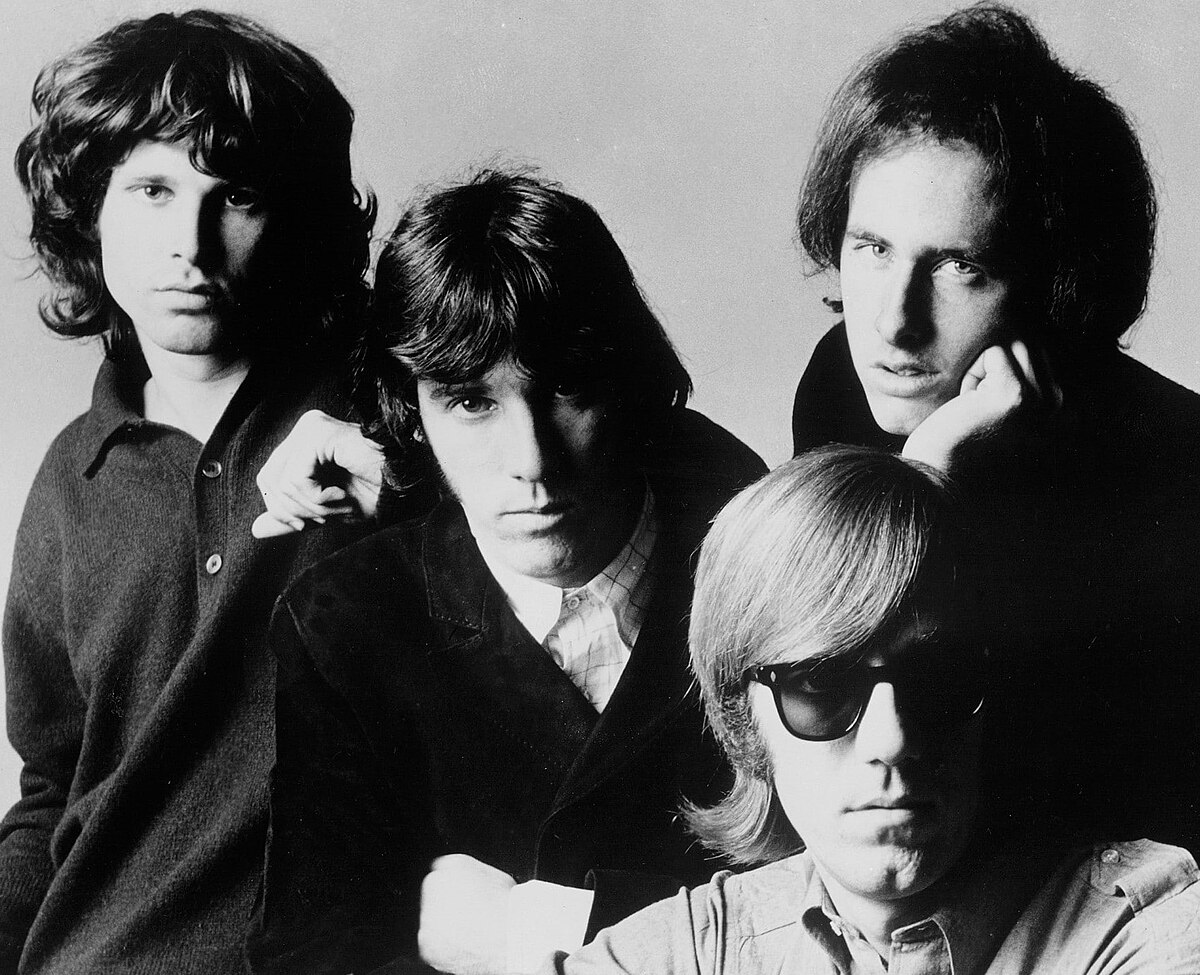
The Anatomy of the Doors’ Brand Identity: Visuals and Iconography
A brand is the sum of all associations a consumer has with a product. For The Doors, those associations were carefully curated from the very beginning. Unlike their contemporaries who leaned into the “flower power” aesthetic of bright colors and peace signs, The Doors opted for a brand palette that was dark, moody, and sophisticated.
The Power of the Minimalist Logo
One of the most recognizable elements of The Doors’ brand is their geometric, minimalist logo. Designed by the Elektra Records art department, the logo features bold, blocky lettering with a distinct “double-O” that looks like a set of eyes or a gateway. This visual identity was a departure from the psychedelic, swirling fonts of the era. It signaled stability, seriousness, and a modern edge. In branding terms, this consistency in typography created high “brand recall,” making their albums immediately identifiable on a crowded shelf.
The Cinematic Aesthetic
Ray Manzarek and Jim Morrison met at UCLA’s film school, and this background heavily influenced the brand’s visual storytelling. They didn’t just record songs; they created “audio-films.” This cinematic approach translated into their photography and stage presence. The high-contrast, moody photography of Joel Brodsky (notably the “Young Lion” photos of Morrison) established a visual “genre” that was more akin to European art-house cinema than American pop music. This elevated the brand from a mere band to a high-culture intellectual product.
Market Positioning: Defining the “Gothic Psychedelia” Niche
In marketing, if you try to appeal to everyone, you appeal to no one. The Doors understood the power of the “Blue Ocean Strategy”—finding an uncontested market space. While the Beatles were exploring pop-rock and the Grateful Dead were pioneering jam-band culture, The Doors occupied the “Dark Intellectual” niche.
Transcending Traditional Rock Categories
While musicologists might categorize them as psychedelic rock, the “brand genre” of The Doors was built on the fusion of opposites. They combined the raw, grit-infused tradition of Delta Blues with the high-concept poetry of William Blake and Friedrich Nietzsche. This juxtaposition allowed them to capture two distinct market segments: the rebellious youth looking for rock and roll energy, and the intellectual elite looking for depth and philosophical substance.
The Contrast Strategy: Dark vs. Light
Most 1960s brands were selling “The Summer of Love.” The Doors sold “The End.” By positioning themselves as the dark antithesis to the hippie movement, they created a “Challenger Brand” identity. This differentiation was vital for their longevity. While the “peace and love” aesthetic eventually became dated, the “dark and mysterious” archetype is timeless, allowing The Doors’ brand to remain relevant to new generations of “outsiders.”
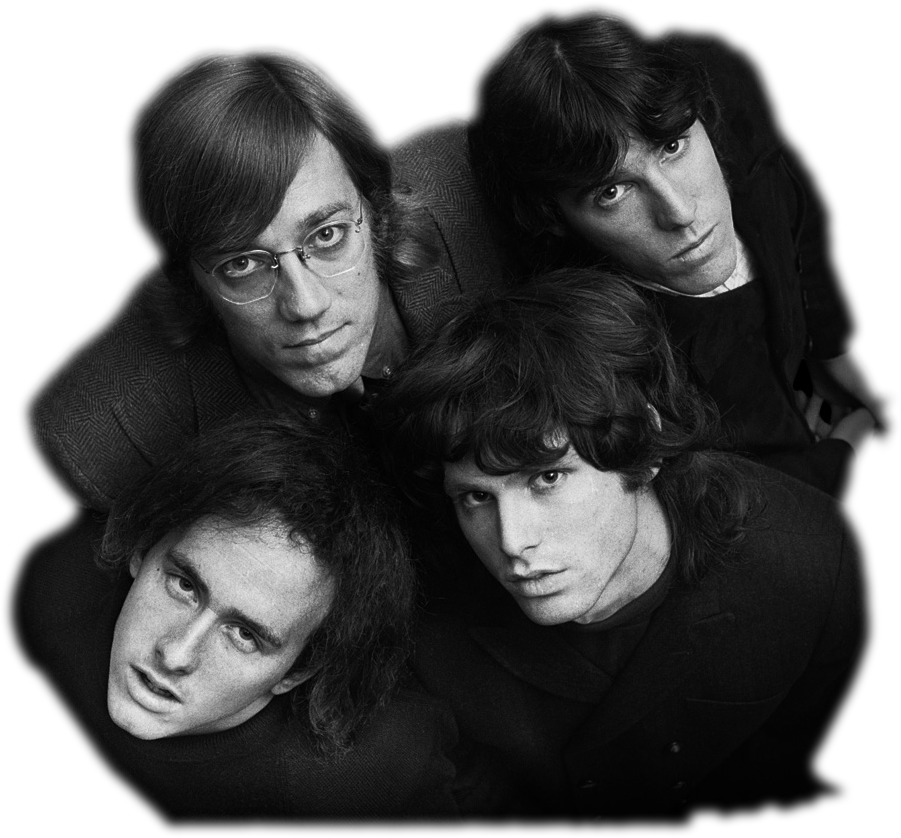
The Jim Morrison Factor: Personal Branding and the Cult of Personality
In modern marketing, we often talk about the importance of a “brand ambassador” or a “founder’s story.” Jim Morrison was the ultimate brand avatar. His personal branding—the “Lizard King”—became inseparable from the corporate identity of the band.
The “Lizard King” Archetype
Morrison didn’t just perform; he embodied an archetype. In Jungian psychology, archetypes are universal patterns of behavior. Morrison tapped into the “Rebel” and the “Explorer” archetypes. By adopting the persona of a leather-clad shaman, he provided a focal point for the brand’s narrative. This was a calculated piece of personal branding that transformed him from a shy poet into a mythological figure. For the consumer, buying a Doors record wasn’t just about the music; it was about buying a piece of that rebellious spirit.
Authenticity and Brand Risk
One of the most critical components of a successful brand is authenticity. Morrison’s unpredictable behavior, while a nightmare for the band’s business managers, reinforced the brand’s promise of “danger” and “unfiltered truth.” In today’s corporate world, this is known as “Brand Authenticity.” Consumers are drawn to brands that seem to have a soul and a set of values, even if those values are disruptive. The Doors’ willingness to be banned from television shows (like The Ed Sullivan Show) only strengthened their brand equity among their core demographic.
Legacy Management: How the Brand Survives Decades Later
The true test of a brand is its ability to maintain value after the “product creator” is gone. Following Jim Morrison’s death in 1971, the remaining members—Ray Manzarek, Robby Krieger, and John Densmore—along with the estate, had to transition from a “living band” to a “legacy brand.”
Strategic Licensing and the 1991 Film
The Doors’ brand experienced a massive resurgence in the early 1990s, largely due to Oliver Stone’s biopic, The Doors. This was a masterclass in brand revitalization. The film introduced the “genre” of The Doors to a new generation (Gen X), re-contextualizing their 1960s rebellion for a new era. Strategic licensing of their music in films like Apocalypse Now also ensured that their “Cinematic Rock” brand remained associated with high-quality, impactful media.
Maintaining Value in the Digital Era
Today, The Doors’ brand is managed with the same precision as a Fortune 500 company. Their social media presence, high-definition remasters, and curated merchandise ensure that the “Visual Identity” established in 1967 remains pristine. They have successfully transitioned into the “Digital Heritage” genre. By limiting the use of their songs in “cheap” commercials and focusing on prestige placements, they have maintained a “Premium Brand” status that prevents the brand from becoming a devalued commodity.
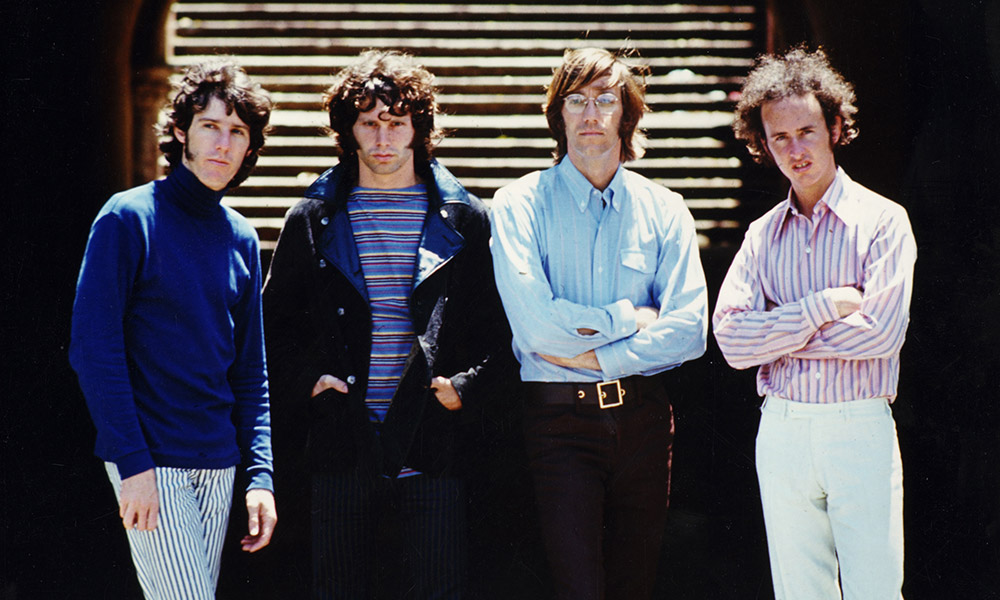
Lessons for Modern Marketers: The Doors as a Case Study
What can modern entrepreneurs and brand strategists learn from the “genre” of The Doors? The band’s success offers several evergreen insights into building a lasting identity.
- Own Your Niche: Don’t be afraid to be the “dark” alternative in a “bright” market. Differentiation is the key to escaping the commodity trap.
- Visual Consistency is King: The Doors’ logo and aesthetic have not changed in 50 years. This consistency builds trust and recognition across generations.
- Narrative Matters: The Doors didn’t just sell songs; they sold a story about the “doors of perception.” Every brand needs a narrative that transcends its physical product.
- Archetypal Power: Aligning your brand with a universal human archetype (the Rebel, the Sage, the Creator) creates a psychological bond with the consumer that is much stronger than mere functional utility.
In conclusion, when we ask “what genre is The Doors,” we are looking at a brand that defies simple categorization. Musically, they were innovators; but as a brand, they were architects of a lifestyle. They proved that by combining a strong visual identity with a clear market position and an authentic narrative, a brand can become immortal. The Doors remain a definitive example of how “genre” is not just a musical label, but a powerful tool for strategic brand positioning.
aViewFromTheCave is a participant in the Amazon Services LLC Associates Program, an affiliate advertising program designed to provide a means for sites to earn advertising fees by advertising and linking to Amazon.com. Amazon, the Amazon logo, AmazonSupply, and the AmazonSupply logo are trademarks of Amazon.com, Inc. or its affiliates. As an Amazon Associate we earn affiliate commissions from qualifying purchases.