
In the contemporary era of rapid digital transformation, the conversation surrounding environmental sustainability has shifted from the periphery to the core of technological innovation. While the term “greenhouse gases” (GHGs) is often associated with heavy industry or transportation, the technology sector is both a significant contributor to these emissions and a primary source of the solutions required to mitigate them. For IT professionals, software developers, and tech leaders, understanding which gases constitute this category is the first step in leveraging technology to build a more sustainable future.
This article explores the specific greenhouse gases relevant to the tech landscape, the digital tools used to monitor them, and the innovative technological shifts required to minimize the industry’s carbon footprint.
1. The Chemistry of the Cloud: Identifying Key Greenhouse Gases in the Tech Sector
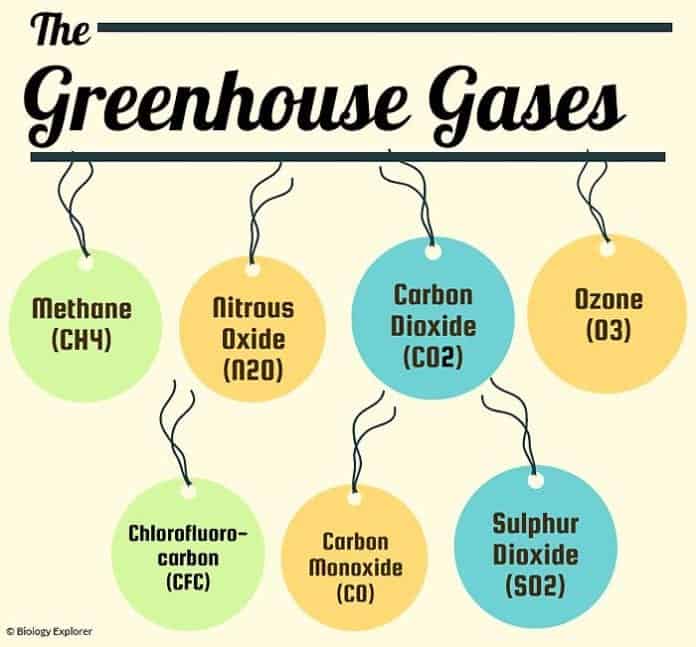
To address the environmental impact of technology, we must first identify the specific gases that trap heat in the atmosphere. In the context of the tech industry—ranging from massive data centers to the manufacturing of semiconductors—three primary types of gases demand our attention.
Carbon Dioxide (CO2): The Primary Byproduct of Digital Energy
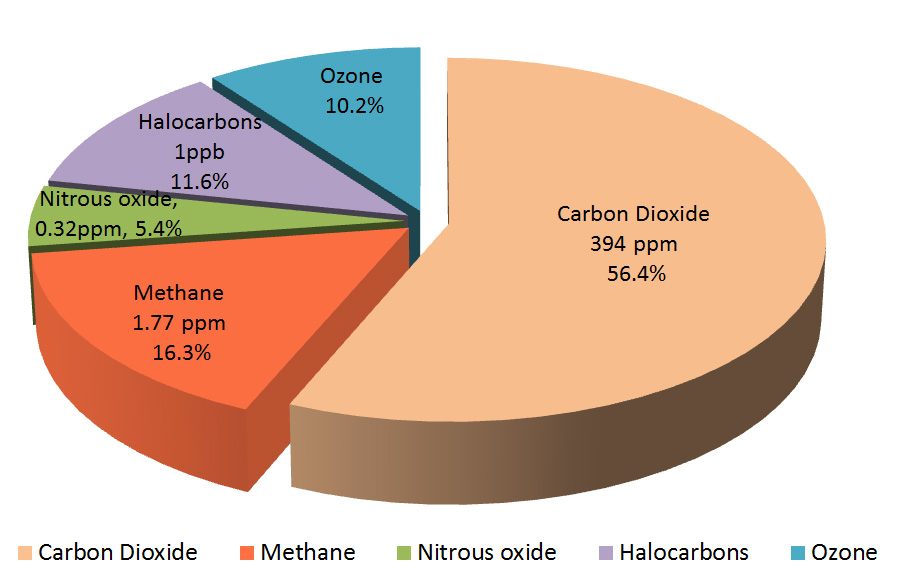
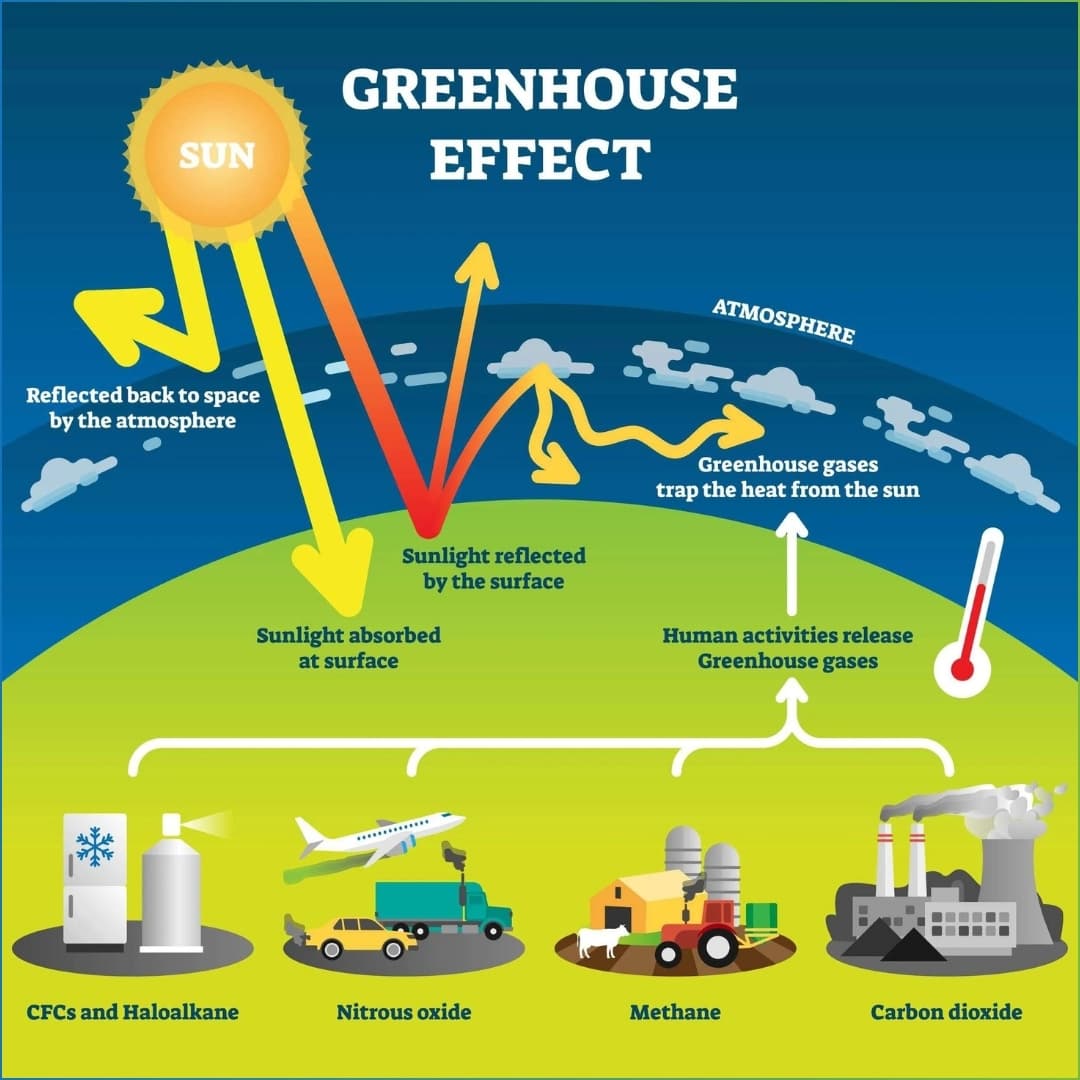
Carbon dioxide is the most prevalent greenhouse gas emitted through human activity, primarily through the burning of fossil fuels. In the tech world, CO2 is the “silent partner” of every line of code executed. Data centers, which form the backbone of the internet, require immense amounts of electricity for both server operation and cooling.
If that electricity is sourced from coal or natural gas power plants, every gigabyte of data processed translates directly into CO2 emissions. Furthermore, the “embodied carbon” found in the manufacturing of hardware—servers, smartphones, and networking gear—contributes significantly to the global CO2 load before a device is even powered on.
Methane (CH4): The High-Impact Threat and the Tech-Driven Solution
While methane persists in the atmosphere for a shorter time than CO2, its warming potential is over 25 times greater over a 100-year period. In the tech sector, methane is relevant in two ways. First, it is a byproduct of the energy supply chain that powers tech infrastructure. Second, and more optimistically, the tech industry is at the forefront of methane detection. Using Internet of Things (IoT) sensors and satellite-based AI imaging, tech firms are now able to identify methane leaks in energy grids with unprecedented precision, turning a major environmental threat into a manageable data problem.
Fluorinated Gases (F-gases): The Cooling Challenge
Fluorinated gases, including hydrofluorocarbons (HFCs), are synthetic gases used in a variety of industrial applications. For the tech industry, these are primarily found in the specialized cooling systems of high-density data centers and in the chemical vapor deposition processes used during semiconductor fabrication. Although emitted in smaller quantities than CO2, F-gases have a “Global Warming Potential” (GWP) that can be thousands of times higher. Transitioning to liquid cooling and more stable chemical alternatives is a major technological frontier for hardware engineers.
2. Technology as the Auditor: Monitoring and Analytics Platforms
One of the most significant contributions the tech industry makes to the climate fight is the ability to measure what was previously invisible. We cannot manage what we cannot measure, and modern software suites are now providing the “carbon accounting” necessary to track greenhouse gases across global supply chains.
AI-Driven Emissions Tracking and Predictive Modeling
Artificial Intelligence is revolutionizing how corporations understand their GHG output. Advanced machine learning algorithms can ingest vast datasets—from energy utility bills and logistics manifests to real-time sensor data from factory floors—to create a “Digital Twin” of a company’s carbon footprint. These AI tools don’t just report historical data; they provide predictive modeling to help tech leaders understand how migrating to a new cloud provider or optimizing their software architecture might reduce their emissions profile.
Satellite Imagery and Remote Sensing
The tech industry has taken the fight against greenhouse gases to orbit. A new generation of “Climate Tech” startups is using hyper-spectral imaging satellites to monitor the Earth’s atmosphere. These satellites can pinpoint “super-emitters” of methane and CO2 in real-time. By processing this raw satellite data through cloud-based analytics, organizations can provide transparency and accountability, ensuring that global emission reports are based on empirical observation rather than just self-reported estimates.
Blockchain for Transparent Carbon Credits
As companies strive for “Net Zero,” many turn to carbon credits to offset their emissions. However, the carbon market has historically been plagued by double-counting and a lack of transparency. Blockchain technology is providing a solution. By recording carbon credits on a decentralized ledger, the tech industry ensures that every ton of CO2 or methane removed from the atmosphere is verified, unique, and traceable. This digital infrastructure creates a “trustless” environment that encourages more investment in carbon-reduction technologies.
3. The Tech Sector’s Responsibility: Reducing the Footprint of Innovation
As the tech industry grows—driven by the explosion of Generative AI and Large Language Models (LLMs)—its energy demands are skyrocketing. This necessitates a fundamental shift in how we approach software and hardware design to minimize the release of greenhouse gases.
Sustainable Coding and Software Efficiency
The concept of “Green Software Engineering” is gaining momentum. Every computational cycle requires energy, and inefficient code is effectively a source of unnecessary greenhouse gas emissions. Developers are now being trained to prioritize “carbon-aware” programming. This involves writing algorithms that require less processing power and scheduling heavy computational tasks (like training an AI model) to occur during times when the local power grid is being supplied by renewable energy sources like wind or solar.
The Hardware Lifecycle: E-waste and Embodied Carbon
The production of tech gadgets is a resource-intensive process that releases significant GHGs. From the mining of rare earth metals to the high-heat environments required for silicon wafer production, the “embodied carbon” of our devices is a major hurdle. The tech industry is responding by moving toward a “Circular Economy” model. This includes designing modular hardware that is easier to repair, utilizing recycled plastics and metals in new gadgets, and implementing robust e-waste recycling programs to ensure that the carbon already spent on a device isn’t wasted when the user upgrades.
Transitioning to Green Cloud Computing
The “Big Three” cloud providers (Amazon Web Services, Microsoft Azure, and Google Cloud) have become some of the world’s largest purchasers of renewable energy. By consolidating the world’s computing power into highly efficient, hyperscale data centers, the tech industry can achieve economies of scale in energy efficiency that small, on-premise server rooms never could. These providers are increasingly offering “Sustainability Dashboards,” allowing tech departments to see exactly how many grams of CO2-equivalent are produced by their specific cloud instances.
4. Future Tech Frontiers: Carbon Capture and Emerging Solutions
Looking forward, the tech industry is moving beyond mere reduction and toward active removal of greenhouse gases from the atmosphere. These “Deep Tech” solutions represent the next frontier of digital and mechanical engineering.
Direct Air Capture (DAC) Controlled by AI
Direct Air Capture is a technology that uses chemical reactions to pull CO2 directly out of the ambient air. While the chemistry of DAC has existed for years, the challenge has always been energy efficiency. The tech industry is playing a vital role by using AI to optimize the fans, heaters, and chemical cycles of DAC plants. By integrating these plants with smart grids, they can operate primarily when there is an excess of renewable energy, making the removal of greenhouse gases both economically and environmentally viable.
Quantum Computing’s Role in Material Science
One of the most promising applications of quantum computing is in the field of molecular simulation. Current classical computers struggle to simulate the complex interactions of molecules that could lead to better carbon-capture materials or more efficient batteries. Quantum computers, once they reach maturity, could help us discover new catalysts that break down greenhouse gases or create room-temperature superconductors that would virtually eliminate energy loss in the power grid.
The Role of IoT in Smart Cities
Greenhouse gases are often the result of systemic inefficiencies in our cities. The “Smart City” movement uses IoT sensors to optimize traffic flow (reducing idling CO2 emissions), manage smart grids that prioritize renewable energy, and monitor building HVAC systems to ensure no energy is wasted. By creating a connected urban fabric, technology acts as a nervous system that automatically adjusts to minimize the city’s total atmospheric impact.
Conclusion: A Data-Driven Climate Future
Understanding what gases are greenhouse gases is no longer just a task for atmospheric scientists; it is a critical competency for the modern tech professional. From the CO2 generated by our data centers to the F-gases used in our manufacturing plants, the tech industry’s footprint is undeniable.
However, the industry’s capacity for innovation provides a unique set of tools to combat this challenge. Through the power of AI-driven analytics, the transparency of blockchain, the efficiency of green software engineering, and the promise of quantum material science, the tech sector is uniquely positioned to lead the global transition to a low-carbon economy. As we continue to build the digital world, our priority must be to ensure that the progress of technology does not come at the expense of our planet’s atmosphere.
aViewFromTheCave is a participant in the Amazon Services LLC Associates Program, an affiliate advertising program designed to provide a means for sites to earn advertising fees by advertising and linking to Amazon.com. Amazon, the Amazon logo, AmazonSupply, and the AmazonSupply logo are trademarks of Amazon.com, Inc. or its affiliates. As an Amazon Associate we earn affiliate commissions from qualifying purchases.