
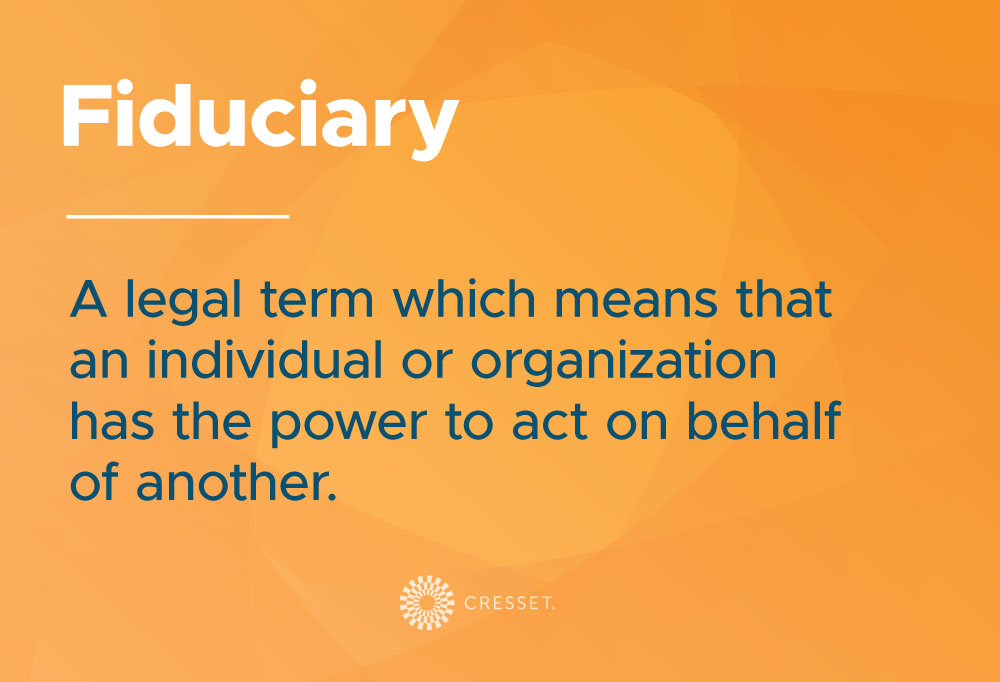
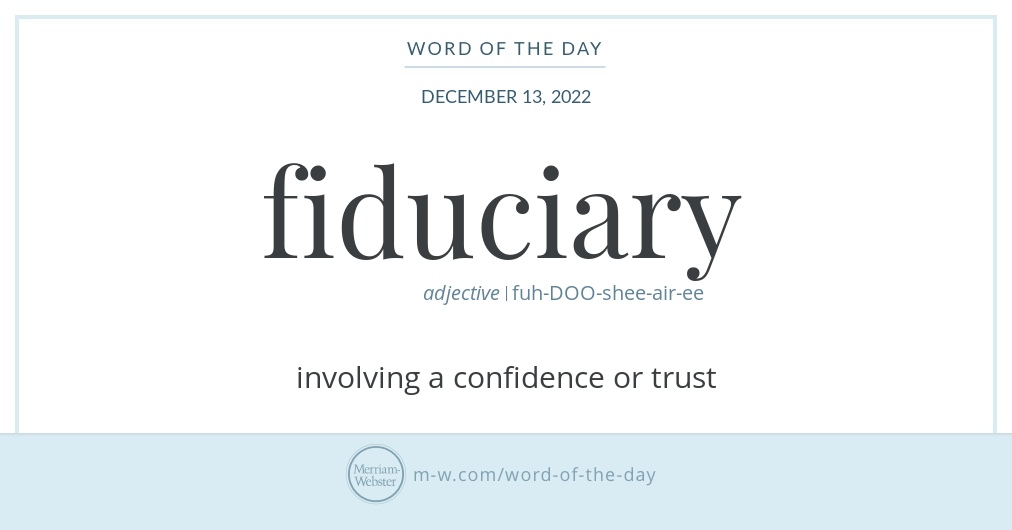
In the complex landscape of personal finance and wealth management, few terms carry as much weight—or cause as much confusion—as “fiduciary.” While it may sound like dense legal jargon, the concept is the cornerstone of a healthy relationship between an investor and their financial professional. At its simplest level, a fiduciary is a person or organization that acts on behalf of another person, putting their clients’ interests ahead of their own.
In the world of money, understanding what it means to be a fiduciary is not just a matter of semantics; it is a matter of protecting your assets, ensuring transparency, and securing your financial future. This guide explores the depths of fiduciary duty, the critical differences between various financial standards, and how you can ensure your money is being managed with the highest level of integrity.
The Core Principles of Fiduciary Duty
To understand the “what,” we must first understand the “why.” The fiduciary standard was established to eliminate the inherent power imbalance between a professional who possesses specialized knowledge and a client who relies on that knowledge to make life-altering financial decisions. When someone enters into a fiduciary relationship, they are legally and ethically bound to a set of rigorous standards.
The Duty of Loyalty
The Duty of Loyalty is perhaps the most famous aspect of the fiduciary definition. It requires the financial professional to act solely in the interest of the client at all times. This means that if an advisor is a fiduciary, they cannot recommend a financial product because it offers them a higher commission or a trip to a tropical resort. Every recommendation must be scrubbed of self-interest. If a conflict of interest arises—which is sometimes unavoidable in the financial world—the fiduciary is legally obligated to disclose that conflict clearly and thoroughly to the client.
The Duty of Care
While loyalty speaks to the heart and intention of the advisor, the Duty of Care speaks to their competence and diligence. Under this principle, a fiduciary must act with the “care, skill, prudence, and diligence” that a “prudent person” acting in a like capacity would use. In the niche of money management, this means conducting exhaustive research before recommending an investment, diversifying portfolios to mitigate risk, and staying informed about market changes that could affect a client’s bottom line. It is not enough to be “nice”; the fiduciary must be capable and thorough.
The Duty of Good Faith
This principle ensures that the fiduciary operates with honesty and integrity in all dealings. It prohibits the advisor from misleading the client, withholding crucial information about fees, or engaging in “churning” (excessive trading to generate commissions). Good faith is the glue that holds the financial relationship together, ensuring that the client is never left in the dark about where their money is going or why specific decisions are being made.
Fiduciary vs. Suitability: The Crucial Distinction for Investors
One of the most common pitfalls for individual investors is assuming that all financial advisors are fiduciaries. In reality, the financial services industry operates under two very different sets of rules: the Fiduciary Standard and the Suitability Standard. Understanding the gap between these two is essential for anyone looking to grow their wealth safely.
The Suitability Standard Explained
Many brokers and insurance agents operate under the “suitability standard” rather than the fiduciary standard. Under these rules, a financial professional only needs to ensure that a recommendation is “suitable” for the client’s situation at the time of the transaction. For example, if two mutual funds are both suitable for your risk profile, but one pays the broker a 5% commission and the other pays nothing, the broker is legally allowed to sell you the more expensive one—even if the cheaper one is actually better for your long-term growth.
Why the Distinction Impacts Your Portfolio
The impact of this distinction on your total returns over twenty or thirty years can be staggering. A non-fiduciary advisor might steer you toward high-fee products or proprietary funds that benefit their parent company. These hidden costs, often referred to as “drag,” can eat away at your compound interest. A fiduciary, conversely, is obligated to seek out the most cost-effective and efficient path for your money. When you choose a fiduciary, you aren’t just choosing a partner; you are choosing a legal framework that prioritizes your net worth over their firm’s quarterly earnings.
The Regulatory Landscape: SEC and Reg BI
In recent years, the Securities and Exchange Commission (SEC) introduced “Regulation Best Interest” (Reg BI) to bridge the gap between these two standards. While Reg BI raised the bar for brokers, many consumer advocates argue it still doesn’t reach the “gold standard” of the true fiduciary duty held by Registered Investment Advisors (RIAs). For the savvy investor, the goal remains the same: seek out professionals who explicitly state, in writing, that they are acting as fiduciaries across all aspects of the relationship.
Common Types of Fiduciary Relationships in Finance
Fiduciary duty isn’t limited to just your local investment advisor. It permeates various sectors of the money world, from the way your company’s retirement plan is managed to how your family’s estate is handled after you’re gone.
Registered Investment Advisors (RIAs)
Registered Investment Advisors are firms that provide personalized financial advice and are governed by the Investment Advisers Act of 1940. By law, RIAs are fiduciaries. They are usually compensated through a flat fee or a percentage of assets under management (AUM), rather than through commissions. This fee-based structure aligns the advisor’s incentives with the client’s: if the client’s portfolio grows, the advisor’s pay increases; if the portfolio shrinks, so does the advisor’s pay.
Trustees and Estate Executors
When you set up a trust or write a will, you designate a trustee or an executor to manage those assets. These individuals (or institutions) have a fiduciary responsibility to the beneficiaries of the estate. They must manage the assets according to the instructions of the trust document and the best interests of the heirs, often under the supervision of a probate court. In this context, a breach of fiduciary duty can lead to significant legal penalties and personal liability for the trustee.
401(k) Plan Sponsors and ERISA
If you have a retirement account through your employer, you are protected by the Employee Retirement Income Security Act (ERISA). The people in charge of selecting the investment options for your 401(k) are fiduciaries. They are legally required to choose funds that are in the best interest of the employees, not the ones that are easiest for the company to administer. This is why many companies have recently moved toward lower-cost index funds—to fulfill their fiduciary duty and avoid lawsuits from employees over excessive fees.
The Benefits of Working with a Fiduciary
Choosing to work exclusively with a fiduciary is one of the most proactive steps an individual can take in their financial life. It transforms the dynamic from a “sales” environment into a “consultative” one.
Transparent Fee-Only Models
Fiduciaries, particularly Fee-Only advisors, offer a level of transparency that is often missing in traditional brokerage houses. Because they do not receive commissions from product manufacturers, their “bill” is clear and easy to understand. You know exactly what you are paying for advice, and you know that the advice isn’t being skewed by a hidden incentive from a third party. This transparency leads to better long-term planning and fewer “surprises” in your year-end statements.
Mitigating Conflicts of Interest
While it is nearly impossible to eliminate every single conflict of interest, a fiduciary is committed to mitigating them. If an advisor stands to gain from a specific move, they must tell you. This level of honesty fosters a deeper sense of trust. For many high-net-worth individuals or families with complex financial needs, this peace of mind is invaluable. It allows them to focus on their life goals—retirement, philanthropy, or education—knowing that the person steering the ship is legally bound to put their needs first.
Holistic Financial Planning
Because fiduciaries are focused on the “best interest” of the client, they often take a more holistic approach to money. Rather than just trying to sell a specific stock or insurance policy, they look at your entire financial picture: taxes, estate planning, cash flow, and risk management. This comprehensive view is a direct result of the fiduciary mindset, which prioritizes the client’s overall financial health over individual product transactions.
How to Verify Your Financial Professional’s Status
Now that you understand the importance of the word “fiduciary,” the final step is verification. You should never take an advisor’s word for it at face value; instead, use the tools available to confirm their status.
Reviewing Form ADV and SEC Filings
Any Registered Investment Advisor must file a document called “Form ADV” with the SEC. This document is public record and contains a wealth of information about the firm’s business practices, fee structure, and any history of disciplinary actions. Within Form ADV Part 2 (the “brochure”), the firm must describe its fiduciary status and how it handles conflicts of interest. Checking this document is the financial equivalent of a background check.
Asking the “Fiduciary Question”
When interviewing a potential financial partner, ask one simple question: “Are you a fiduciary in all aspects of our relationship, and will you sign a written oath to that effect?” A true fiduciary will have no hesitation in answering “yes” and providing the documentation. If the advisor starts talking about “suitability” or says they are a fiduciary “sometimes” (a common practice known as “dual registration”), you should proceed with caution.

The Role of Certifications (CFP and Beyond)
Look for professionals who hold the Certified Financial Planner (CFP) designation. The CFP Board mandates that all its members act as fiduciaries when providing financial advice. While a designation isn’t a guarantee of performance, it serves as an extra layer of accountability, ensuring that the professional has undergone rigorous training and adheres to a strict code of ethics.
In conclusion, the word “fiduciary” represents the highest standard of care in the financial world. By ensuring that your money is managed by someone bound by this duty, you are not just hiring an advisor—you are hiring a safeguard for your financial legacy. In a world where financial products are increasingly complex and conflicts of interest are common, the fiduciary standard remains the most reliable compass for navigating the path to wealth and security.
aViewFromTheCave is a participant in the Amazon Services LLC Associates Program, an affiliate advertising program designed to provide a means for sites to earn advertising fees by advertising and linking to Amazon.com. Amazon, the Amazon logo, AmazonSupply, and the AmazonSupply logo are trademarks of Amazon.com, Inc. or its affiliates. As an Amazon Associate we earn affiliate commissions from qualifying purchases.