
In the contemporary landscape of digital media, the question “What does Russell Brand do?” has evolved significantly. To the casual observer of the early 2000s, he was a flamboyant comedian and Hollywood actor. Today, however, Brand represents one of the most sophisticated examples of personal brand evolution in the digital age. He has transitioned from a cog in the traditional entertainment machine to a self-sovereign media entity.
From a brand strategy perspective, Russell Brand does not just “produce content.” He manages a complex ecosystem of identity, community, and alternative media distribution. By analyzing his shift from mainstream celebrity to independent thought leader, we can uncover the blueprint of modern personal branding: the ability to pivot, the mastery of niche positioning, and the strategic use of platform independence.
1. The Anatomy of the Brand: Defining Personal Identity as a Product
The core of any personal brand is the alignment between the individual’s persona and the values they project. Russell Brand has mastered the art of “authentic incongruity”—the blending of high-level intellectualism with raw, relatable humanity.
Verbal Branding and Rhetorical Style
One of the most distinct elements of what Brand “does” is his specific linguistic style. In branding, this is known as “Tone of Voice.” Brand utilizes an expansive vocabulary, blending academic terminology with street-level vernacular. This serves a dual purpose: it establishes authority and intelligence while remaining accessible and “of the people.” For a personal brand, this unique signature makes the content instantly recognizable, even without visual cues.
Visual Identity and the “Rebel-Philosopher” Archetype
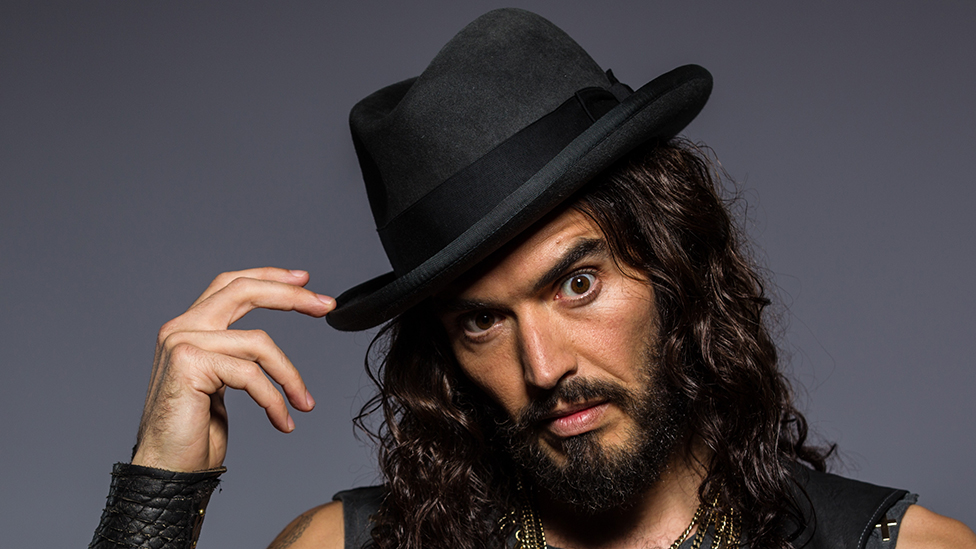
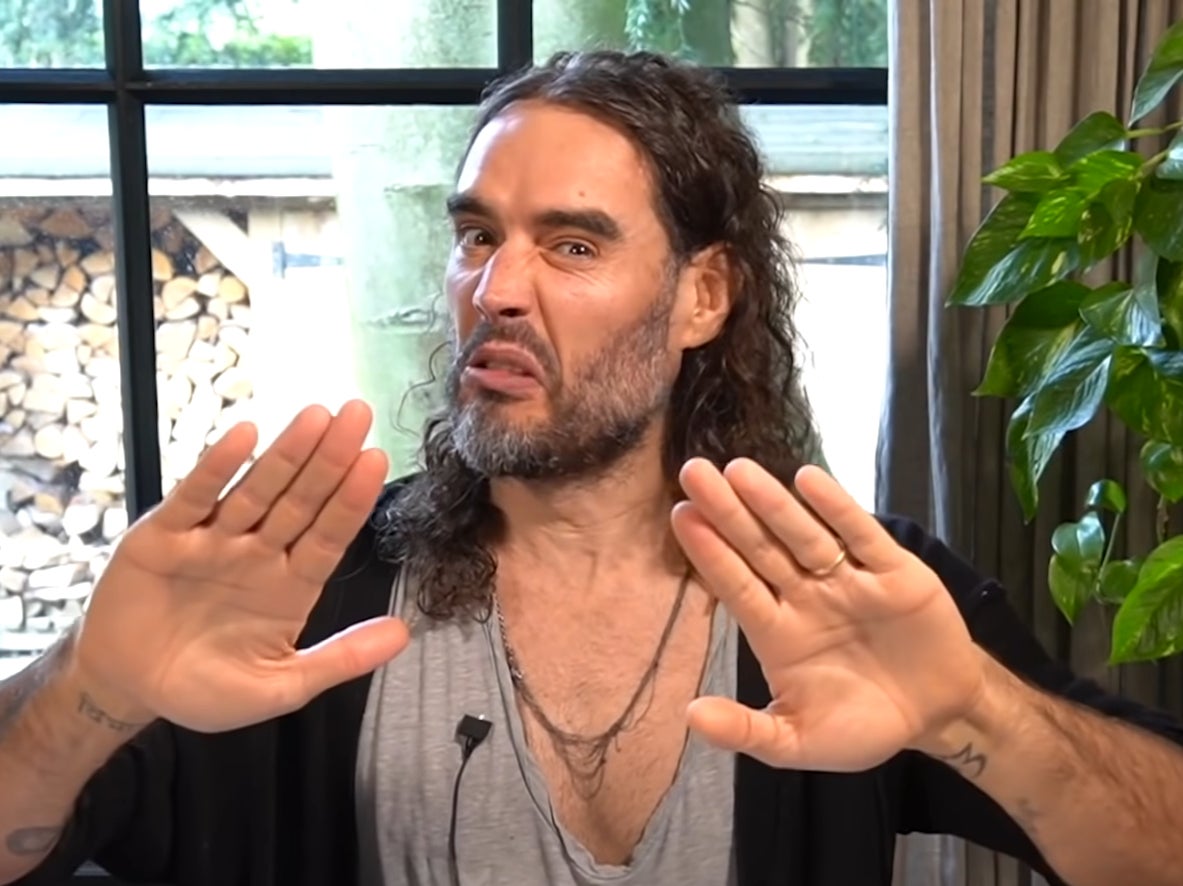
Brand’s visual presentation has undergone a calculated transformation. Moving away from the high-glamour aesthetics of Hollywood, his current visual brand emphasizes a “rugged intellectual” or “modern ascetic” look. Often filmed in rustic, low-fi settings or simple home studios, his visual identity reinforces his brand promise: transparency, simplicity, and a rejection of corporate gloss.
Consistency Through Multi-Platform Storytelling
Whether he is appearing on a podcast, a live stage, or a short-form video, the core narrative remains the same. He positions himself as the seeker of truth and the voice of the disillusioned. This consistency is the bedrock of brand trust. By repeating core themes—spiritual awakening, skepticism of power, and community resilience—he has built a brand that is predictable yet provocative.
2. Strategic Pivoting: From Mainstream Accessory to Platform Independent
Perhaps the most significant aspect of what Russell Brand does is his navigation of platform dynamics. In brand management, “platform risk” is the danger of relying on a single third-party entity for your livelihood. Brand’s move toward platform independence is a case study in risk mitigation and brand autonomy.
Transitioning from YouTube to Rumble
While Brand maintains a massive presence on YouTube, he has strategically moved his primary “hard-hitting” content to Rumble. This is a classic brand pivot. Recognizing that his content often pushes the boundaries of mainstream community guidelines, he moved his brand to a platform that aligns more closely with his values of “free speech.” This move wasn’t just a change of scenery; it was a rebranding of himself as an “uncensored” voice, a powerful marketing hook in the current cultural climate.
Owning the “Customer” Relationship
In the world of corporate branding, data is king. Russell Brand has shifted his focus toward direct-to-consumer relationships. By encouraging followers to join his private community platforms (such as “Stay Free” on Locals), he is effectively moving his audience from “borrowed” land (social media) to “owned” land. This allows him to maintain brand continuity and revenue even if he were to be entirely de-platformed from mainstream sites.
The Power of the Pivot
Many personal brands fail because they become “typecast” in their original niche. Brand’s ability to pivot from “the funny guy in Forgetting Sarah Marshall” to “the digital commentator on globalism” shows the power of a gradual, values-led transition. He didn’t change his personality; he changed the application of his personality, which is a vital lesson for any brand looking to remain relevant over decades.
3. Audience Engagement and the “Stay Free” Community Model
A brand is nothing without its community. Russell Brand does more than broadcast; he fosters a sense of belonging. In marketing terms, he has moved from a “one-to-many” broadcasting model to a “many-to-many” community model.
Niche Targeting vs. Mass Appeal
Early in his career, Brand’s brand was designed for mass appeal—the widest possible net. Today, he focuses on a specific niche: the “politically homeless” and the “spiritually seeking.” In branding, a dedicated niche is often more valuable than a disinterested mass. By speaking directly to the anxieties and hopes of this specific group, he creates a level of brand loyalty that mainstream celebrities rarely achieve.
Rhetorical Community Building
Brand frequently uses the collective “we” and “us” in his communications. This is a deliberate branding technique to dissolve the barrier between the “celebrity” and the “fan.” He frames his content as a shared journey of discovery rather than a lecture. This fosters a “tribal” brand identity where followers feel they are part of a movement, not just consumers of a product.
The Live Event Strategy
What Brand does offline is just as important as what he does online. His “Community” festivals and live shows serve as the physical manifestation of his digital brand. These events act as high-touch brand experiences, solidifying the emotional connection between the brand and the consumer. In a digital-first world, physical touchpoints are a premium brand differentiator.
4. The Business Model: Diversification and Monetization
Understanding what Russell Brand does requires looking at the business architecture behind the persona. A successful personal brand must be backed by a sustainable financial model that doesn’t compromise the brand’s integrity.
Subscription-Based Revenue
Moving away from a total reliance on ad revenue (which can be volatile and subject to censorship), Brand has adopted a subscription model. Through platforms like Locals, he offers exclusive content, early access, and direct interaction for a monthly fee. This creates a predictable “Monthly Recurring Revenue” (MRR), which is the holy grail of modern business strategy.
Content Repurposing and Distribution
Brand’s team is highly efficient at content “waterfalling.” A single long-form podcast or live stream is broken down into dozens of short-form clips for TikTok, Instagram Reels, and YouTube Shorts. This maximizes brand reach with minimal additional effort, ensuring that the brand stays “top of mind” across all digital touchpoints.
Merchandising and Intellectual Property
Beyond digital content, the Russell Brand brand extends into books, merchandise, and even wellness-related intellectual property. Each of these products serves as an entry point into his brand ecosystem. A book on recovery or a t-shirt with a brand slogan isn’t just a product; it’s a tool for brand reinforcement and a way for the audience to signal their membership in the community.
5. Conclusion: The Future of the Sovereign Personal Brand
When we ask “What does Russell Brand do?”, we are really looking at the prototype for the 21st-century media mogul. He has successfully navigated the transition from being an employee of the “Old Guard” (studios and networks) to being the CEO of his own “New Media” empire.
His brand strategy is built on three pillars:
- Authentic Positioning: Staying true to a core “rebel-intellectual” identity.
- Strategic Autonomy: Reducing dependence on fragile third-party platforms.
- Community-Centric Growth: Prioritizing deep engagement with a niche audience over shallow mass appeal.
As the traditional boundaries between entertainment, news, and personal lifestyle continue to blur, Russell Brand serves as a definitive case study. He shows that a personal brand is not just about fame; it is about the strategic management of influence, the diversification of platforms, and the courage to pivot when the market—or the individual—changes. In the digital economy, Russell Brand doesn’t just “do” comedy or commentary; he manages one of the most resilient and adaptive personal brands in the world.
aViewFromTheCave is a participant in the Amazon Services LLC Associates Program, an affiliate advertising program designed to provide a means for sites to earn advertising fees by advertising and linking to Amazon.com. Amazon, the Amazon logo, AmazonSupply, and the AmazonSupply logo are trademarks of Amazon.com, Inc. or its affiliates. As an Amazon Associate we earn affiliate commissions from qualifying purchases.