
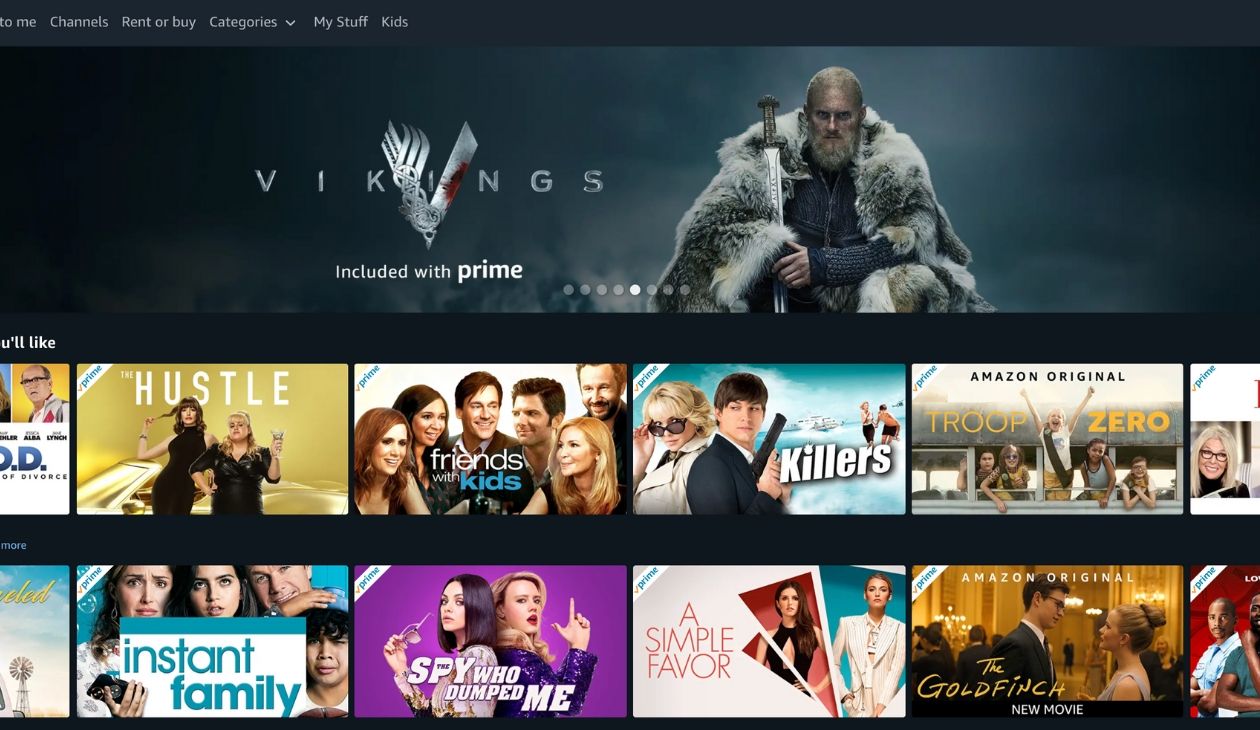
In the rapidly evolving landscape of over-the-top (OTT) media services, Amazon Prime Video has transitioned from a value-added perk for shipping subscribers into a standalone technological powerhouse. To answer the question “What does Prime Video include?” one must look beyond the mere library of movies and television shows. From a technical perspective, Prime Video is a sophisticated suite of streaming technologies, cross-platform integrations, and proprietary software features designed to optimize the digital viewing experience. This article explores the technological architecture, the expansive feature set, and the integrated ecosystem that defines the Prime Video experience today.
The Core Tech Stack: High-Definition Streaming and Advanced Playback Features
At its heart, Prime Video is a showcase for the capabilities of Amazon Web Services (AWS), utilizing one of the world’s most robust cloud infrastructures to deliver high-bitrate content globally. What the service “includes” in terms of visual and auditory fidelity is often what sets it apart from lower-tier streaming competitors.
4K Ultra HD, HDR10+, and Dolby Vision Integration
For tech enthusiasts, the inclusion of 4K Ultra HD resolution is a standard expectation, but Amazon pushes the envelope by supporting a wide array of High Dynamic Range (HDR) formats. Unlike some competitors that gate-keep 4K content behind a premium pricing tier, Prime Video includes UHD and HDR10+ content within its standard subscription. HDR10+ is particularly notable as it uses dynamic metadata to adjust brightness levels on a frame-by-frame basis, providing a more immersive visual experience on compatible hardware. Furthermore, for high-end home cinema setups, the service integrates Dolby Vision and Dolby Atmos, ensuring that the software can drive the most advanced display and audio hardware available on the market.
Amazon X-Ray: Powering Real-Time Metadata through IMDb
One of the most distinctive technological inclusions in Prime Video is “X-Ray.” Powered by IMDb (an Amazon-owned subsidiary), X-Ray is an interactive overlay that provides users with real-time metadata. While a video is playing, users can instantly access actor biographies, soundtrack information, character backstories, and “trivia” tidbits without leaving the player interface. This is not merely a cosmetic feature; it is a sophisticated integration of a massive relational database with time-synced video playback, demonstrating a level of data-interconnectivity that remains unmatched by other streaming platforms.
Audio Innovation: From Dolby Atmos to Dialogue Boost
In the realm of audio engineering, Prime Video includes specialized features like “Dialogue Boost.” Utilizing AI-driven analysis of audio tracks, this feature allows users to increase the volume of human speech relative to background music and sound effects. This is a significant accessibility tool, particularly for users with hearing impairments or those viewing content on mobile devices with limited speaker range. By isolating the specific frequencies of dialogue, the software enhances clarity without requiring expensive external hardware.
Multi-Platform Synergy: The Device Ecosystem and Connectivity
A major part of what Prime Video “includes” is its near-ubiquity across the digital gadget spectrum. The software is engineered to maintain a persistent state across hundreds of different hardware configurations, from low-power smart sticks to high-end gaming consoles.
Native App Optimization Across Mobile, OS, and Consoles
The Prime Video application is optimized for a diverse range of operating systems, including iOS, Android, iPadOS, and Windows. Each iteration of the app is designed to leverage the specific hardware acceleration of the device it inhabits. For example, on Windows, the app supports hardware-accelerated decoding to preserve battery life on laptops, while on mobile devices, it includes a variety of streaming quality settings that allow users to manage data consumption based on their current network conditions (3G, 4G, 5G, or Wi-Fi).
Seamless Integration with Fire TV and Alexa Voice Controls
For users within the Amazon hardware ecosystem, Prime Video includes deep integration with Fire TV devices and Alexa-enabled smart speakers. This tech synergy allows for “frictionless” discovery. Through the use of Far-Field Voice Recognition, users can command their hardware to “Find 4K action movies” or “Rewind thirty seconds” without a remote. The inclusion of Alexa Skills allows Prime Video to act as a hub for home automation, where dimming the smart lights and starting a movie can be triggered by a single voice command.
Offline Viewing and Intelligent Download Management
The service includes a robust offline viewing architecture. Unlike the early days of digital rights management (DRM) which made offline viewing cumbersome, Prime Video allows users to download content in multiple quality tiers. The “Auto-Download” feature is a standout software logic that automatically downloads the next episode of a series while deleting the one previously watched, ensuring that mobile storage is managed efficiently without user intervention.
Beyond the Main Catalog: Add-ons, Channels, and Digital Rentals
The architecture of Prime Video is designed as a “Platform as a Service” (PaaS). It does not just include the content Amazon owns; it acts as a centralized gateway for a multitude of other digital services, effectively functioning as a modern digital cable box.
Prime Video Channels: The Modular Subscription Model
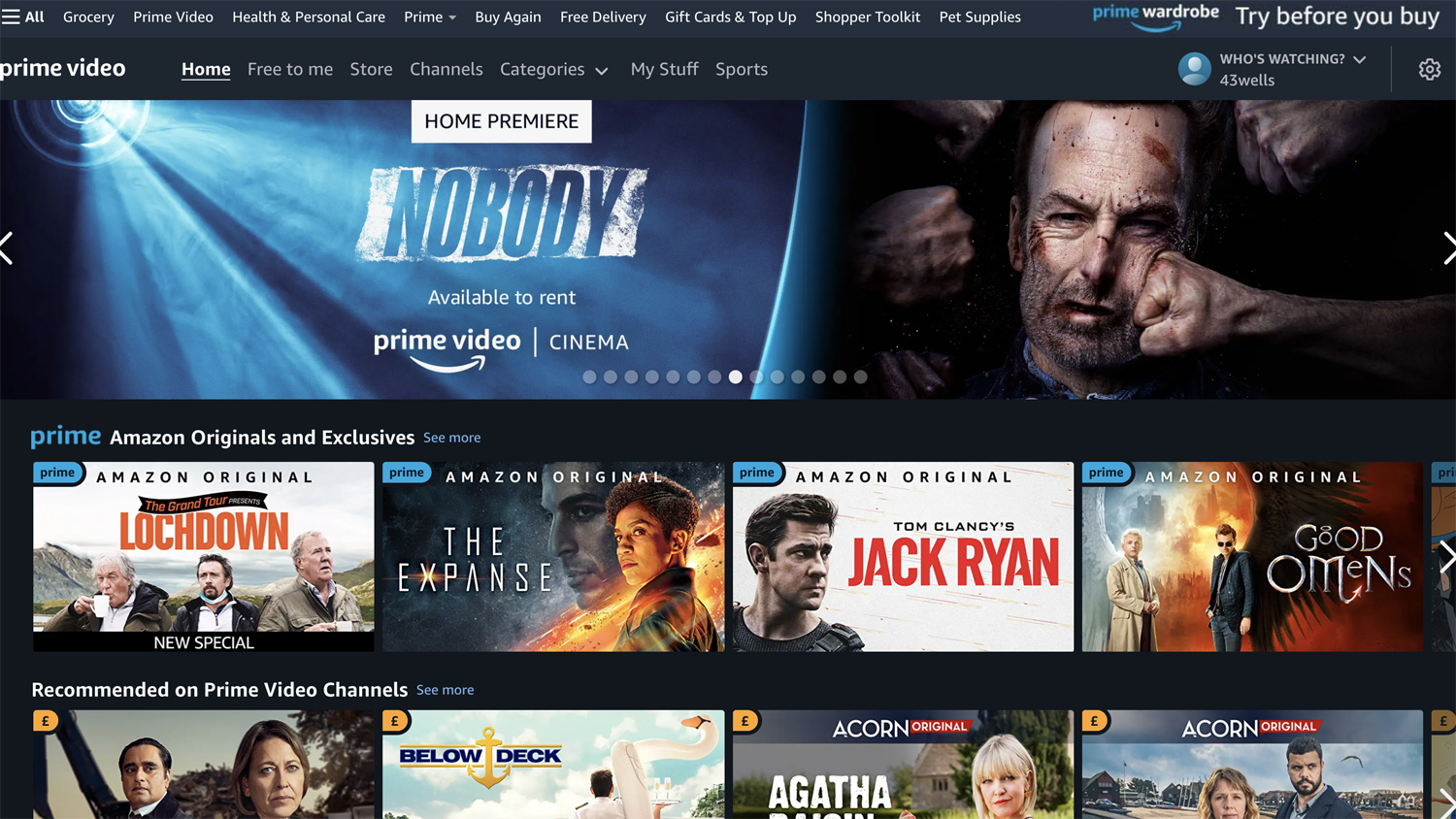
A significant technical inclusion is “Prime Video Channels.” This feature allows users to subscribe to third-party networks—such as Paramount+, Max, or MUBI—directly through the Prime Video interface. From a technical standpoint, this consolidates billing, search, and playback into a single UI. Users do not need to manage multiple apps or login credentials; the Prime Video backend handles the authentication and stream delivery for these external partners, providing a unified user experience (UX).
Transactional VOD: The Storefront for Rentals and Purchases
In addition to the subscription-based library, Prime Video includes a massive Transactional Video on Demand (TVOD) storefront. This allows users to rent or buy digital copies of films that are still in their theatrical window or are not available on any streaming service. The “Buy” feature includes the “Amazon Video Library,” a permanent digital locker where purchased content is stored in the cloud, accessible from any device associated with the account. This infrastructure is supported by robust DRM protocols that ensure high-quality playback while protecting intellectual property.
Personalization and Security: Managing the User Experience
Modern streaming is as much about data science as it is about video delivery. Prime Video includes several backend technologies designed to personalize the experience and secure the user’s digital footprint.
AI-Driven Recommendations and User Profiles
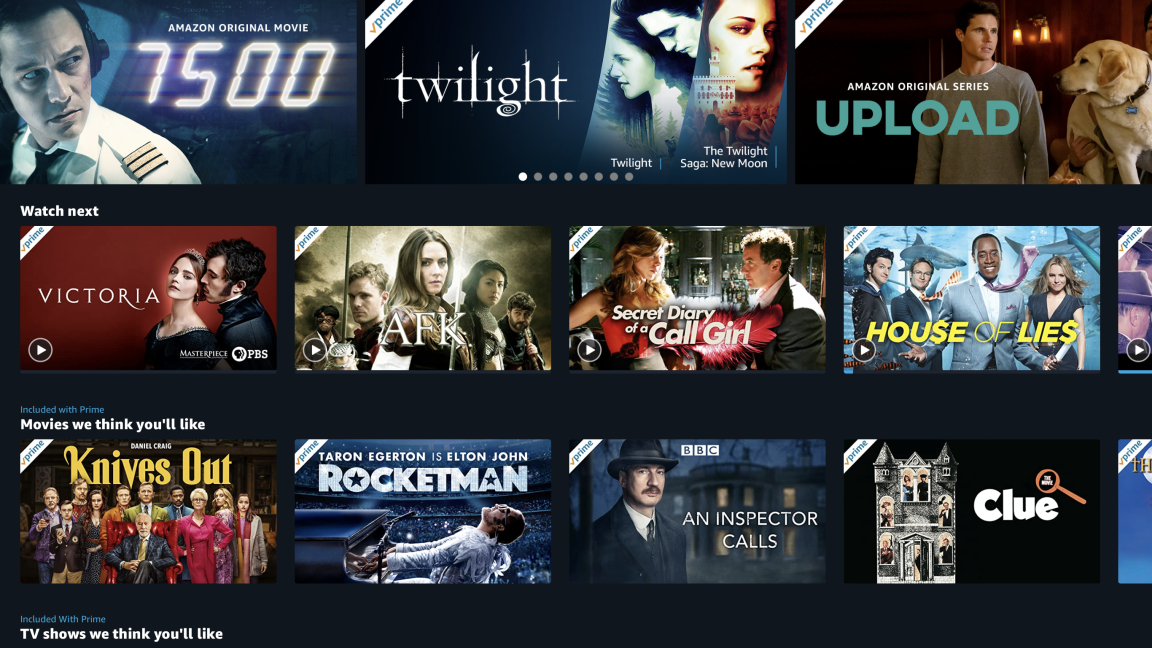
The service includes a sophisticated recommendation engine powered by machine learning algorithms. By analyzing viewing patterns, search history, and genre preferences, the system generates a “dynamic storefront” for each user. Prime Video supports up to six individual user profiles per account, allowing the AI to segregate data so that a child’s viewing habits do not influence the recommendations of an adult user. This personalization extends to the “Continue Watching” row, which uses cross-device synchronization to allow a user to pause a show on their TV and resume it exactly at the same millisecond on their smartphone.
Robust Parental Controls and Digital Safety
Security and safety are core components of the Prime Video software suite. The service includes comprehensive parental controls that allow for “PIN-protected” restrictions based on age ratings. These controls are not just local to the device but are synced at the account level across the entire cloud. Furthermore, the service utilizes industry-standard encryption to protect user data and payment information, ensuring that the digital identity of the subscriber remains secure within the Amazon ecosystem.
Data Usage Management for Bandwidth Optimization
For users in regions with data caps or limited infrastructure, Prime Video includes a “Data Saver” mode. This technology uses advanced compression codecs (such as HEVC/H.265) to deliver a clear image while significantly reducing the bitrate. The software intelligently monitors the user’s bandwidth in real-time, dynamically adjusting the stream resolution to prevent buffering—a process known as Adaptive Bitrate Streaming (ABR). This ensures that even on a congested network, the video remains functional, if not at its peak resolution.
Conclusion
When we evaluate “what Prime Video includes,” it is clear that the service is far more than a repository for digital video. It is a comprehensive technological platform that integrates high-end visual standards like 4K and HDR10+, unique metadata tools like X-Ray, and a massive device-agnostic ecosystem. By leveraging the power of AWS and AI-driven personalization, Amazon has built a software environment that prioritizes user choice, accessibility, and high-performance delivery. Whether through the modularity of Prime Video Channels or the convenience of Alexa integration, the service represents a pinnacle of modern digital distribution technology, offering a versatile and secure environment for the contemporary consumer.
aViewFromTheCave is a participant in the Amazon Services LLC Associates Program, an affiliate advertising program designed to provide a means for sites to earn advertising fees by advertising and linking to Amazon.com. Amazon, the Amazon logo, AmazonSupply, and the AmazonSupply logo are trademarks of Amazon.com, Inc. or its affiliates. As an Amazon Associate we earn affiliate commissions from qualifying purchases.