
In the landscape of modern technology, the ability to quantify the physical world and translate it into actionable digital data is the cornerstone of innovation. While the pH scale is a fundamental concept taught in introductory chemistry—measuring the acidity or alkalinity of a liquid—its application within the “Tech” niche has evolved far beyond the litmus paper of the 20th century. Today, pH measurement is a high-stakes component of the Internet of Things (IoT), precision agriculture, and industrial automation.
Understanding what the pH scale measures is no longer just for scientists in lab coats; it is a critical requirement for hardware engineers, software developers building environmental monitoring platforms, and data scientists analyzing chemical stability in automated manufacturing.
Understanding the Fundamentals: From Chemical Reaction to Digital Data
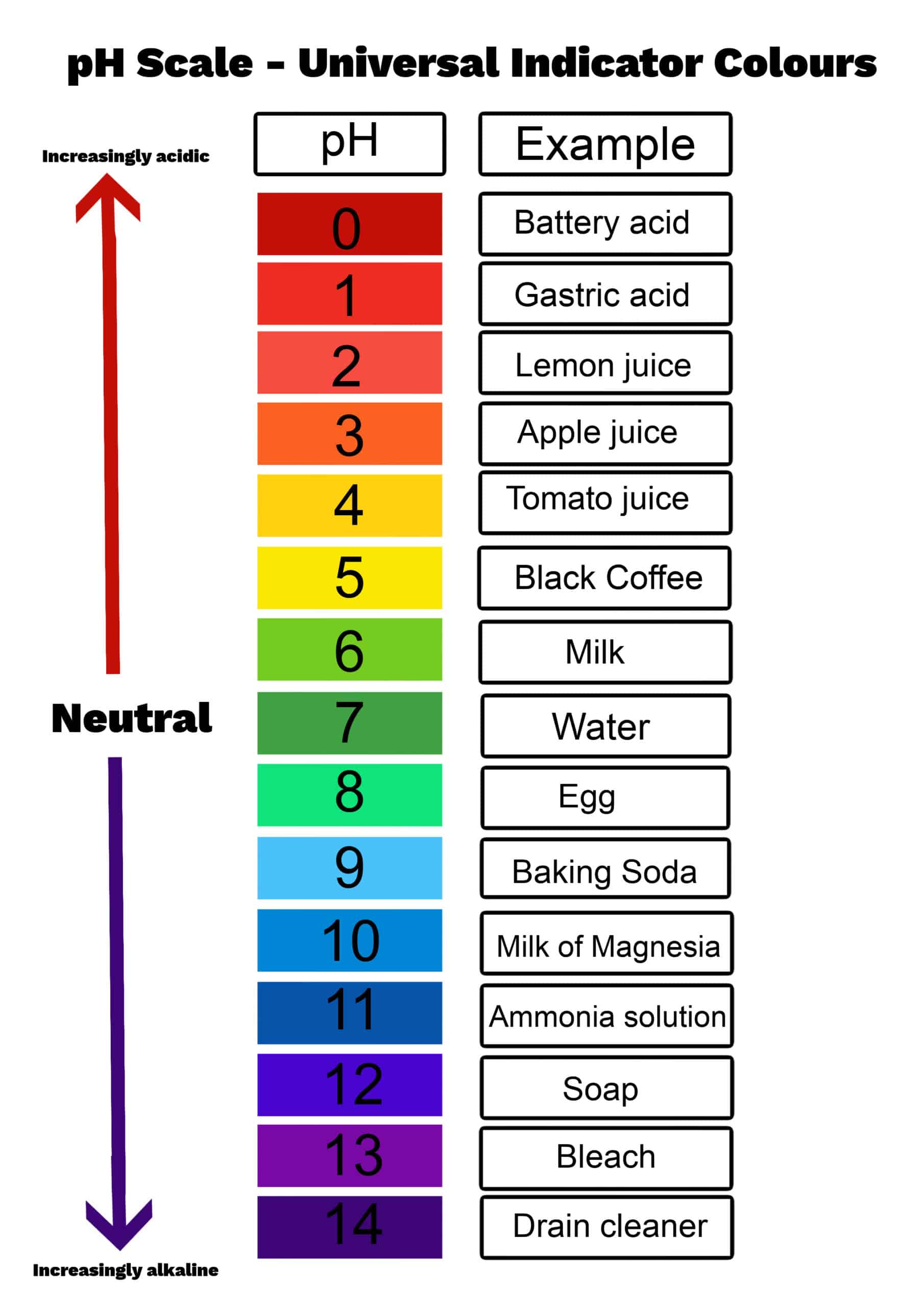
At its most basic level, the pH scale measures the concentration of hydrogen ions ($H^+$) in a solution. The scale runs from 0 to 14, with 7 being neutral. However, from a technical perspective, what we are truly measuring is an electrochemical potential. For a digital system to “read” pH, it must convert the activity of these ions into a voltage that a microcontroller can interpret.
The Science Behind the Sensor: How Electrodes Translate Ions into Bits
The primary tool in the tech stack for pH measurement is the glass electrode. This hardware component consists of a specialized sensing bulb that develops an electrical potential when submerged in a liquid. This potential is proportional to the hydrogen ion activity.
In a digital ecosystem, this analog voltage is incredibly faint and high-impedance, meaning it is susceptible to “noise” from surrounding electronics. Tech professionals must use an operational amplifier (Op-Amp) to boost this signal before it reaches the Analog-to-Digital Converter (ADC). The resolution of your ADC—whether it is 10-bit, 12-bit, or 16-bit—determines the precision of the pH reading. For high-end industrial tech, a 16-bit ADC is often preferred to capture the minute fluctuations required for sensitive chemical processes.
Why Calibration is the Core of Precision Hardware
No sensor is perfect. Over time, pH probes experience “drift” due to electrode aging or coating. In the world of software-defined hardware, calibration is handled through firmware. Developers implement algorithms that use “Slope” and “Offset” calculations based on reference buffer solutions (usually pH 4.0, 7.0, and 10.0).
Modern digital pH sensors often include an onboard EEPROM (Electrically Erasable Programmable Read-Only Memory) to store these calibration constants directly on the sensor head. This allows for “plug-and-play” functionality, where a sensor can be swapped out in the field without requiring the central processing unit to be recalibrated manually. This intersection of chemical stability and firmware logic is what separates consumer-grade gadgets from professional analytical technology.
The Intersection of IoT and Water Quality Monitoring
The rise of the Internet of Things (IoT) has moved pH measurement out of the laboratory and into the wild. By integrating pH sensors with wireless communication protocols, tech companies are creating massive networks of environmental data. This transition from manual sampling to continuous, real-time monitoring is a paradigm shift in how we manage natural and industrial resources.
Smart Agriculture and Hydroponics: Automating Nutrient Delivery
In the AgTech (Agricultural Technology) sector, pH is a critical variable. Plants in hydroponic or aeroponic systems can only absorb nutrients if the water stays within a narrow pH window (typically 5.5 to 6.5). If the pH drifts, the “nutrient lockout” occurs, and the crop fails.
Tech-driven farms now utilize automated dosing systems. These systems consist of a pH sensor, a microcontroller (like an ESP32 or an industrial PLC), and peristaltic pumps. When the sensor detects a rise in pH, the software triggers a pump to dispense a precise amount of “pH Down” solution. This feedback loop is a classic example of edge computing, where the decision-making happens locally to ensure zero latency in life-critical systems for the plants.
Industrial IoT (IIoT) in Wastewater Management and Pharmaceuticals
In industrial settings, the stakes are even higher. Pharmaceutical manufacturing requires precise pH levels to ensure the efficacy and safety of medications. In wastewater treatment, the “Tech” involved includes massive arrays of sensors that communicate via LoRaWAN or cellular NB-IoT to a centralized dashboard.
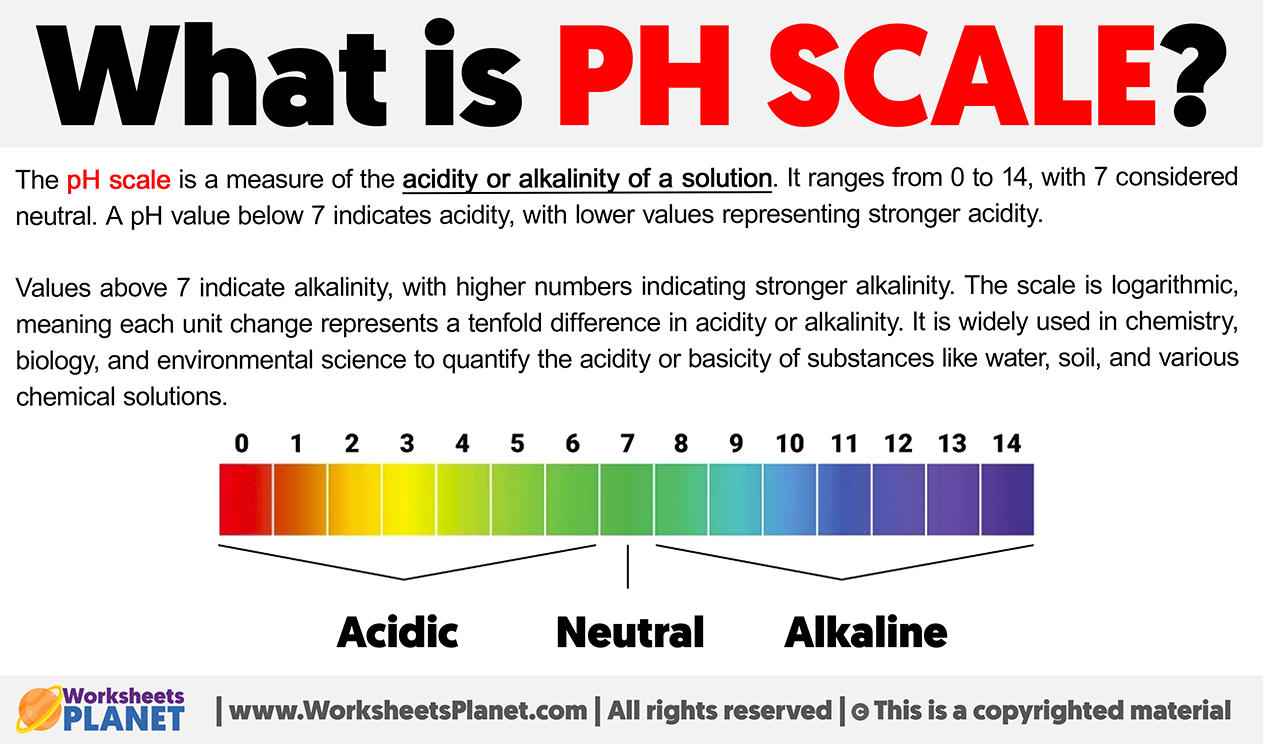
Here, what the pH scale measures is used to maintain regulatory compliance. If a factory’s effluent becomes too acidic, it can destroy municipal infrastructure. Automated shut-off valves, triggered by pH thresholds, act as a digital failsafe. The integration of these sensors into SCADA (Supervisory Control and Data Acquisition) systems allows engineers to monitor entire cities’ water health from a single command center.
Hardware and Software: Building Your Own Digital pH Monitoring System
For developers and hobbyists looking to enter the “Maker” space, building a digital pH meter is an excellent entry point into sensor fusion and data processing. The challenge lies in the interface between the wet world of chemistry and the dry world of circuitry.
Selecting the Right Analog-to-Digital Converter (ADC) for pH Probes
Most entry-level microcontrollers, like the Arduino Uno, have built-in 10-bit ADCs. While sufficient for basic hobby projects, they often lack the granularity needed for professional-grade pH analysis. High-performance tech projects often utilize external ADC chips, such as the ADS1115.
The ADS1115 provides 16-bit resolution and a programmable gain amplifier. This is crucial because a pH probe produces a very small voltage range (approximately -414mV to +414mV). By using a high-resolution ADC, you can map these small voltages to a wider digital range, significantly reducing the margin of error in your software’s calculations.
Data Visualization and Alerting Systems: Integrating with Cloud Platforms
Once the hardware is reading the pH scale accurately, the next step in the tech stack is data persistence and visualization. Modern applications rarely store data locally; instead, they push it to cloud platforms like AWS IoT Core, Google Cloud IoT, or specialized services like ThingsBoard.
Using protocols like MQTT (Message Queuing Telemetry Transport), pH data can be streamed in real-time. This allows for the creation of sophisticated dashboards using Grafana or Power BI. Developers can set up “Webhooks” that trigger Slack notifications or SMS alerts if the pH level crosses a specific threshold. This layer of the tech stack transforms a simple chemical measurement into a robust business intelligence tool.
The Future of Electrochemical Sensing: AI and Wearable Tech
As we look toward the future, the technology used to measure the pH scale is becoming smaller, smarter, and more integrated into our daily lives. We are moving away from bulky glass probes toward solid-state sensors and “Lab-on-a-Chip” designs.
Predictive Maintenance through Machine Learning Analytics
One of the most exciting trends in the tech niche is the application of Machine Learning (ML) to sensor data. By analyzing months of pH readings alongside temperature and flow rates, AI models can predict when a sensor is likely to fail or when a chemical process is beginning to deviate from the norm—long before a human operator would notice.
This “Predictive Maintenance” saves companies millions of dollars. Instead of replacing expensive pH probes on a fixed schedule, the software analyzes the “response time” and “impedance” of the sensor to determine its health. If the probe’s response slows down, the AI flags it for cleaning or replacement, optimizing the lifecycle of the hardware.
Bio-Sensors and Personal Health Tech: Moving Beyond the Lab
Perhaps the most personal application of pH measurement tech is in the wearable space. Innovative startups are developing skin-patch sensors that measure the pH of human sweat. Because sweat pH can be an indicator of hydration levels and lactic acid buildup, this is a game-changer for athletic performance tech.
These sensors use flexible electronics and NFC (Near Field Communication) to send data directly to a smartphone app. In this context, the pH scale measures human metabolic efficiency. The transition from industrial vats to human skin represents the ultimate frontier of pH technology: miniaturization and seamless integration into the human experience.
Conclusion
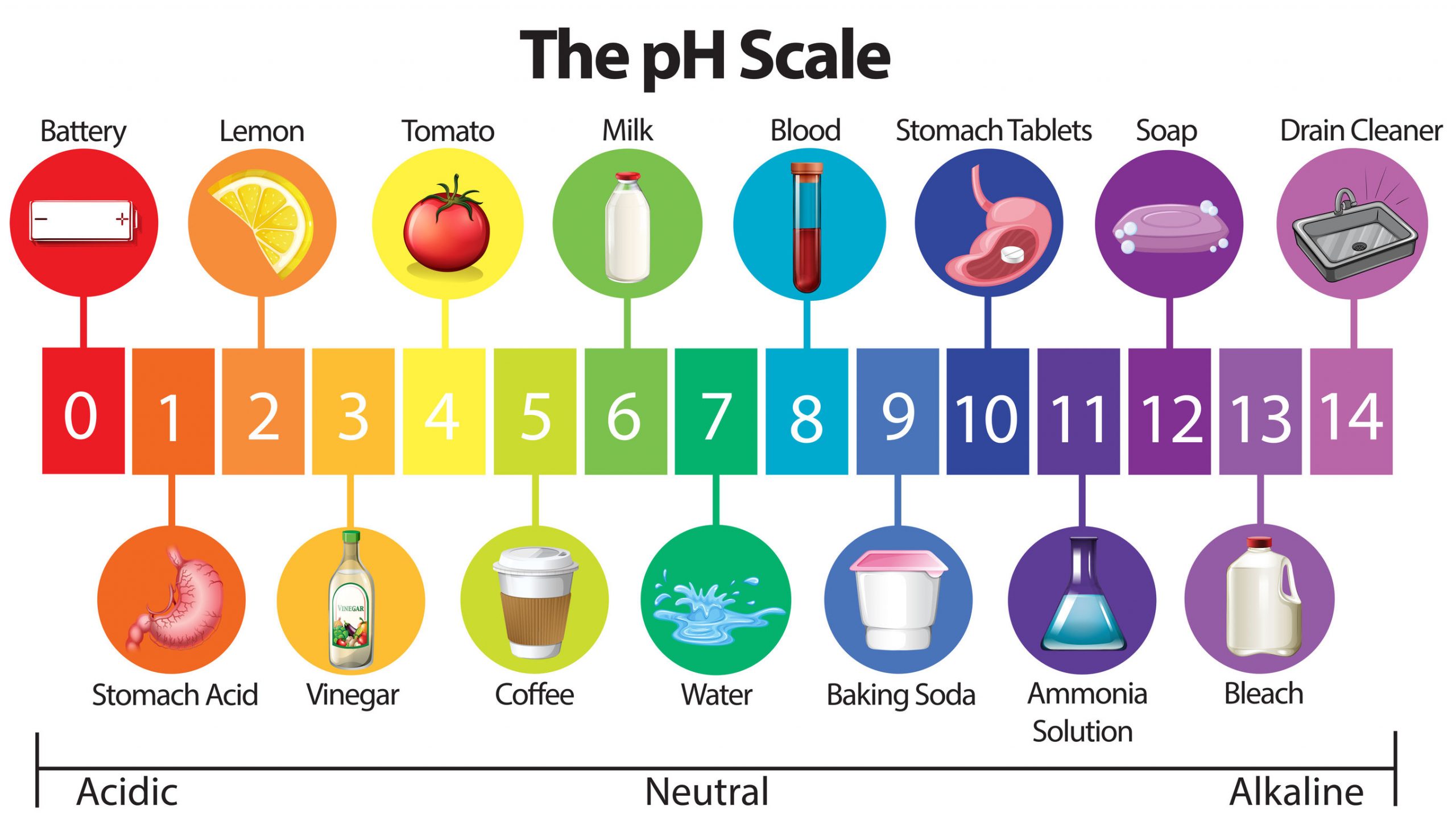
What the pH scale measures is, on the surface, a simple chemical property. However, through the lens of technology, it is a vital data stream that powers everything from the vertical farms feeding our cities to the smartwatches on our wrists. By combining sophisticated electrochemical hardware with robust software backends and AI-driven analytics, we have turned a 100-year-old scientific concept into a pillar of the digital age. As sensors continue to shrink and connectivity becomes ubiquitous, our ability to monitor and respond to the chemical world in real-time will only continue to grow, proving that even the most basic scientific scales can drive the next wave of technological innovation.
aViewFromTheCave is a participant in the Amazon Services LLC Associates Program, an affiliate advertising program designed to provide a means for sites to earn advertising fees by advertising and linking to Amazon.com. Amazon, the Amazon logo, AmazonSupply, and the AmazonSupply logo are trademarks of Amazon.com, Inc. or its affiliates. As an Amazon Associate we earn affiliate commissions from qualifying purchases.