
Parkinson’s disease is traditionally defined as a neurodegenerative disorder that affects dopamine-producing neurons in a specific area of the brain called the substantia nigra. However, in the context of the 21st-century technological landscape, Parkinson’s is increasingly being viewed as a “system failure” of the body’s biological hardware and software. To understand “what Parkinson’s does” today, one must look through the lens of medical technology, wearable sensors, and artificial intelligence.
As the disease disrupts the fine-tuned signals between the brain and the musculoskeletal system, a new wave of tech innovations is stepping in to bridge the gap. From AI-powered gait analysis to sophisticated neurostimulation hardware, technology is redefining how patients live with the condition, transforming a diagnosis of decline into a challenge for engineering and digital intervention.
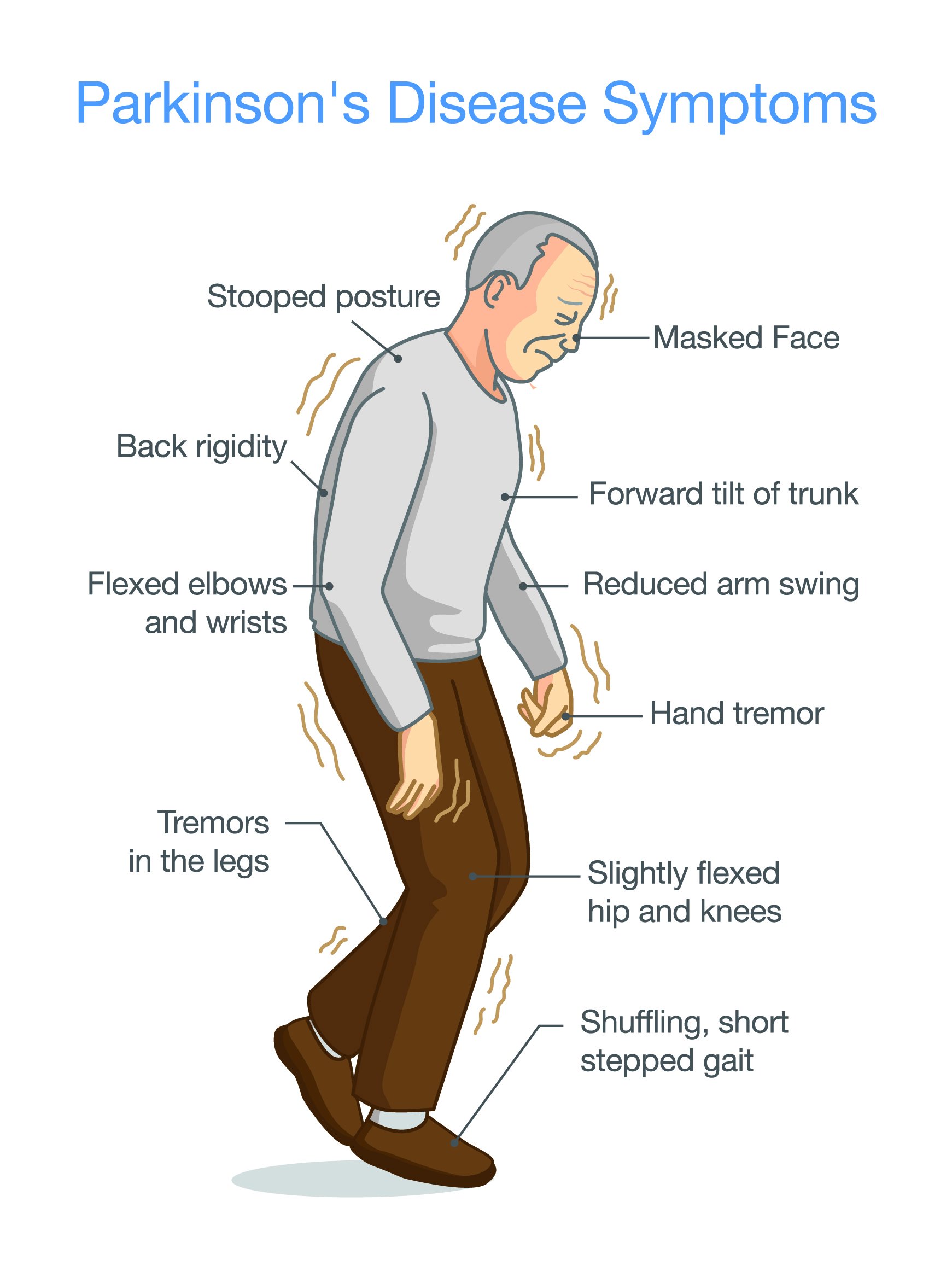
Decoding the Neural Disruption: Wearable Sensors and the Quantification of Motor Symptoms
At its core, Parkinson’s disrupts the body’s “operating system,” leading to tremors, bradykinesia (slowness of movement), and postural instability. Historically, doctors relied on subjective observations during brief clinic visits to assess these symptoms. Tech has changed this by providing continuous, objective data through high-fidelity wearable sensors.
Wearable Sensors and the Quantification of Tremors
One of the most visible things Parkinson’s does is induce resting tremors. Tech companies have developed specialized inertial measurement units (IMUs) that patients wear on their wrists or ankles. These devices utilize tri-axial accelerometers and gyroscopes to record the frequency and amplitude of tremors in real-time. By syncing this data to a cloud-based platform, clinicians can see a “heat map” of a patient’s symptoms over weeks rather than minutes. This granular data allows for the “tuning” of medication schedules, ensuring that drug delivery aligns perfectly with the periods when the “hardware” (the limbs) is most prone to malfunction.
AI-Powered Gait Analysis and Fall Prevention
Parkinson’s often “freezes” the user’s movement, a phenomenon known as Freezing of Gait (FoG). This is essentially a processing lag in the brain’s motor cortex. New tech solutions, such as smart insoles and laser-guided footwear, utilize edge computing to detect the micro-stutters in a person’s step before a freeze occurs. When the sensors detect the signature pattern of an impending freeze, they provide haptic feedback (vibrations) or visual cues (laser lines on the floor). These external “interrupts” act as a workaround for the brain’s disrupted internal signaling, allowing the patient to maintain momentum and significantly reducing the risk of falls.
Beyond the Physical: Software Solutions for Cognitive and Speech Support
While many focus on the motor symptoms, Parkinson’s also impacts the “software” of the human experience—speech and cognitive processing. The disease often causes “hypophonia,” a softening of the voice, and a slowing of thought processes. Software engineers and AI researchers are now developing tools to mitigate these effects.
Voice Synthesis and Natural Language Processing for Dysarthria
What Parkinson’s does to speech is often isolating; it makes the voice breathy and difficult for standard voice-recognition software (like Siri or Alexa) to understand. To combat this, tech initiatives like Google’s “Project Euphonia” are training AI models specifically on the speech patterns of individuals with Parkinson’s. By using deep learning algorithms, these tools can translate “slurred” or quiet speech into clear digital text or synthetic audio in real-time. This ensures that as the biological voice fades, the digital voice remains robust, allowing patients to remain integrated into a world increasingly controlled by voice-activated technology.
Digital Therapeutics (DTx) and Cognitive Retraining
Cognitive “fog” or executive dysfunction is a common byproduct of the disease’s progression. Digital Therapeutics (DTx) are a new category of software validated by clinical trials to treat medical conditions. For Parkinson’s, these take the form of specialized gamified apps designed to stimulate neuroplasticity. These apps aren’t just games; they are sophisticated algorithms that adapt in difficulty based on the user’s reaction times and error rates. By forcing the brain to find new neural pathways to solve puzzles or complete tasks, this software helps maintain cognitive “uptime” even as the underlying biological structures are under stress.

The Surgical Frontier: Deep Brain Stimulation (DBS) and Remote Programming
When pharmaceutical interventions reach their limit, technology moves from the surface of the skin to the interior of the cranium. Deep Brain Stimulation (DBS) is perhaps the most profound example of what technology can do to reverse the outward effects of Parkinson’s.
Smart Neurostimulators: The Rise of Closed-Loop Systems
DBS involves the surgical implantation of electrodes into specific regions of the brain, connected to a pulse generator in the chest—essentially a “pacemaker for the brain.” Traditional DBS was “open-loop,” meaning it delivered a constant electrical current regardless of what the patient was doing. The latest tech, however, is “closed-loop.” These smart neurostimulators sense the brain’s electrical activity (Local Field Potentials) and only deliver a pulse when they detect the specific neural signatures of a tremor or dyskinesia. This “demand-driven” stimulation saves battery life and reduces side effects, representing a pinnacle of bio-electronic integration.
Telehealth Integration in Neuromodulation Management
One of the logistical hurdles of DBS has always been the need for frequent in-person visits to a neurosurgeon for “programming” or adjusting the electrical parameters. Modern DBS systems now feature secure, encrypted Bluetooth connectivity that allows for remote programming. Through a dedicated tablet or smartphone app, a specialist can adjust the voltage or frequency of a patient’s brain stimulation from hundreds of miles away. This tech-driven accessibility ensures that patients in rural areas receive the same precision care as those in major urban tech hubs, effectively neutralizing the geographical barriers to advanced Parkinson’s treatment.
Data-Driven Diagnosis: Using Machine Learning to Predict Disease Progression
Perhaps the most critical thing Parkinson’s does is progress silently for years before a clinical diagnosis is possible. By the time a patient develops a tremor, a significant portion of dopamine-producing neurons may already be lost. The tech industry is currently obsessed with “shifting left”—detecting the disease at its earliest possible inception through big data.
Smartphone-Based Diagnostic Tools
The average smartphone is packed with sophisticated hardware—accelerometers, microphones, and high-resolution touchscreens. Tech startups are leveraging these tools to create “digital biomarkers.” By analyzing the way a person types on their keyboard (keystroke dynamics) or the subtle tremors in their hand while holding the phone, machine learning models can identify the “digital signature” of Parkinson’s years before the patient notices a problem. These apps track the cadence of typing, the pressure applied to the screen, and the frequency of “backspacing,” using this data to flag potential neurological shifts to a healthcare provider.
Biomarker Discovery through Big Data and Genomics
On a macro level, the intersection of biotech and data science is unraveling the genetic code of Parkinson’s. Massive datasets, compiled from thousands of patients worldwide, are being processed by supercomputers to identify patterns in protein folding and genetic mutations. By applying AI to genomic sequencing, researchers can predict how a specific individual’s disease will progress. This allows for “Precision Medicine,” where the tech predicts which specific software (apps) or hardware (neurostimulators) will be most effective for a particular patient based on their unique biological profile.
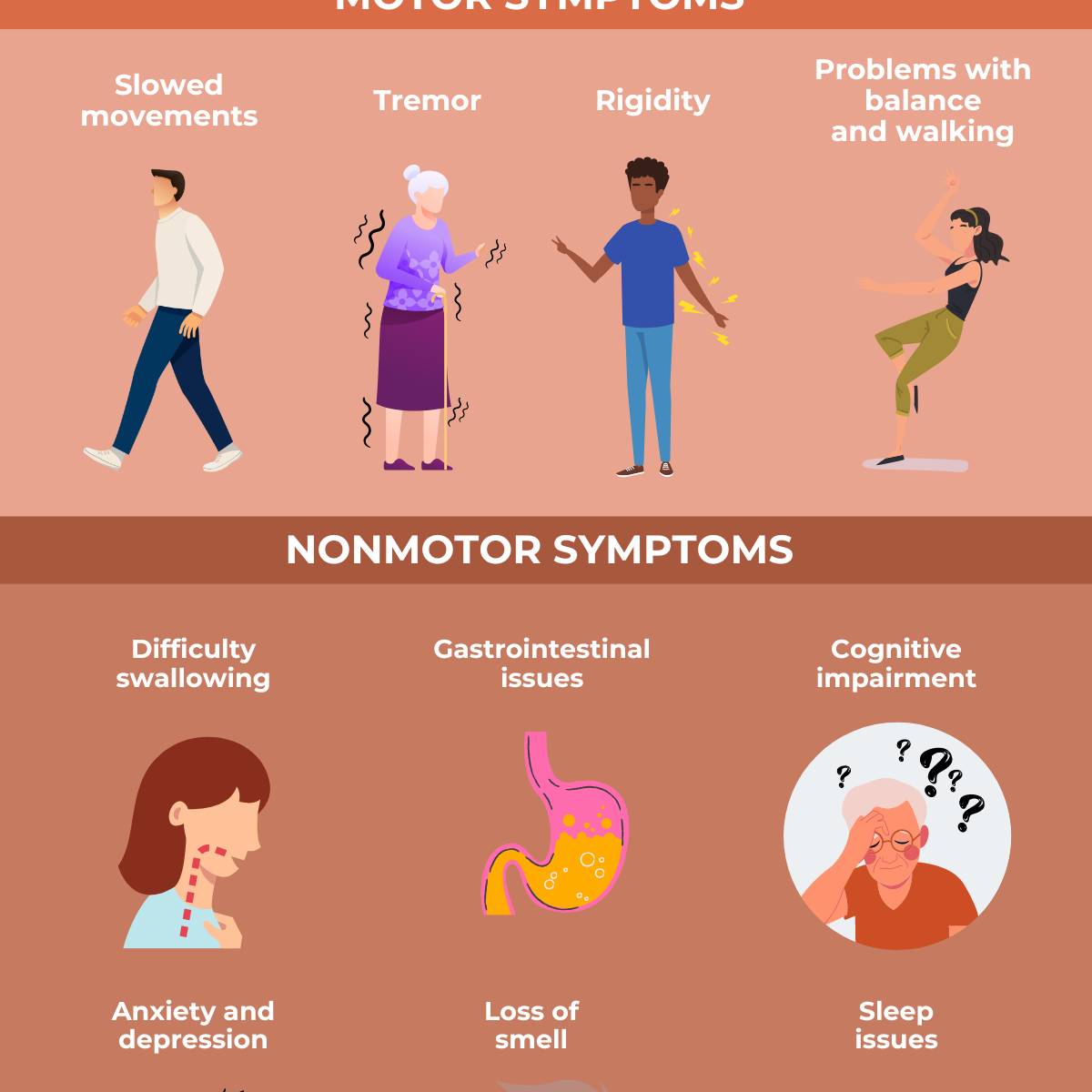
The Future: A Tech-Integrated Life with Parkinson’s
What Parkinson’s does to the human body is undeniable—it disrupts movement, speech, and cognition. However, the narrative is no longer one of passive observation. We are entering an era where the “human-machine interface” is the primary line of defense against neurodegeneration.
As we look toward the future, the integration of the Internet of Things (IoT) in the home will further empower those with the condition. Smart homes that automatically adjust lighting to prevent falls, robotic exoskeletons that assist with mobility, and AI companions that monitor cognitive health are moving from the realm of science fiction to functional reality.
In this tech-centric paradigm, Parkinson’s is not just a medical condition; it is a data-processing challenge. By utilizing every tool in the digital arsenal—from the tiniest wearable sensor to the most complex neural implant—technology is effectively rewiring the Parkinson’s experience, proving that while the disease may attempt to slow the human spirit, innovation provides the acceleration needed to keep moving forward.
aViewFromTheCave is a participant in the Amazon Services LLC Associates Program, an affiliate advertising program designed to provide a means for sites to earn advertising fees by advertising and linking to Amazon.com. Amazon, the Amazon logo, AmazonSupply, and the AmazonSupply logo are trademarks of Amazon.com, Inc. or its affiliates. As an Amazon Associate we earn affiliate commissions from qualifying purchases.