
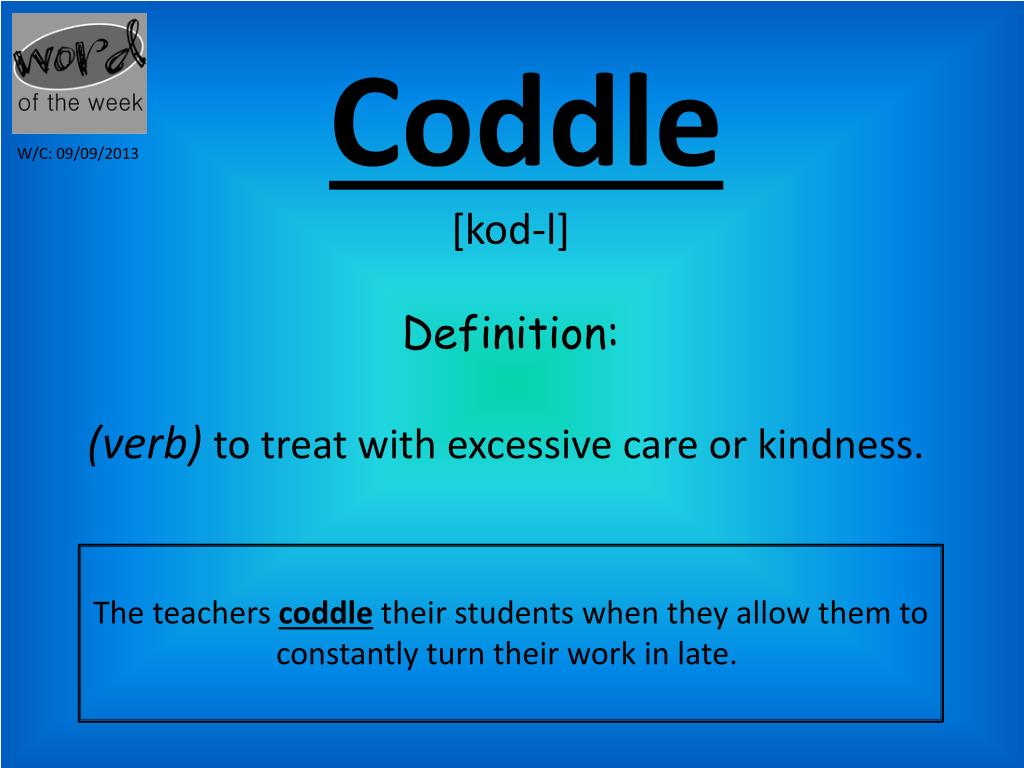
In standard English, to “coddle” someone is to treat them with an indulgent or overprotective amount of care. It evokes images of warmth, safety, and the removal of all possible discomfort. However, when we transition this term into the high-stakes world of finance, economics, and personal wealth management, the definition takes on a much more complex and often controversial layer of meaning.
In a financial context, “coddling” refers to the systemic shielding of entities—be they individual investors, massive corporations, or entire market sectors—from the natural consequences of risk. While the impulse to protect is human, in the world of money, excessive protection can lead to stagnation, “zombie” institutions, and a fundamental misunderstanding of how value is created. To understand what it means to be coddled in the financial realm, we must look at the tension between safety nets and the “creative destruction” that drives a healthy economy.

The Macroeconomic Definition: Coddling the Market
At the highest level of finance, the term “coddled” is often used by economists to describe a market environment where central banks and regulatory bodies refuse to let the natural cycle of boom and bust take place. When a market is coddled, it is effectively being kept in a state of artificial buoyancy.
The Rise of the “Fed Put”
Perhaps the most famous example of market coddling is the concept of the “Fed Put.” This term describes the belief among investors that the Federal Reserve will always step in to support the stock market if it falls beyond a certain percentage. By lowering interest rates or engaging in quantitative easing, the central bank effectively “coddles” the investor class. While this prevents short-term pain, critics argue it creates a “moral hazard”—a situation where investors take on excessive risk because they believe they will never have to face the ultimate downside.
Liquidity as a Security Blanket
In a truly free market, liquidity (the availability of cash) should fluctuate based on supply and demand. However, in a coddled economy, liquidity is often injected artificially to prevent even minor corrections. This constant influx of “easy money” can lead to asset bubbles. When the market is treated as if it cannot be allowed to fail, the very definition of “value” becomes warped, as prices no longer reflect the underlying health of the assets but rather the level of protection provided by the state.
Corporate Coddling: The “Too Big to Fail” Paradigm
If we move from the general market to specific businesses, “coddled” refers to the various subsidies, bailouts, and regulatory protections that prevent inefficient companies from going under. This is where the concept of the “Zombie Company” emerges—a firm that is technically insolvent but remains alive solely due to external support.
The Moral Hazard of Bailouts
When a corporation is coddled through government intervention, the fundamental relationship between risk and reward is severed. If a management team knows that a government bailout is guaranteed in the event of a catastrophic failure, they have little incentive to practice prudent risk management. This was the central debate during the 2008 financial crisis. By coddling major banks with taxpayer funds, the system essentially signaled that size is a shield against incompetence.
Stifling Innovation Through Protectionism
A coddled corporate environment is rarely an innovative one. Innovation requires “creative destruction”—the process where old, inefficient companies die off to make room for new, more efficient ones. When we coddle failing legacy industries through high tariffs or direct subsidies, we are preventing the natural evolution of the economy. A company that is never forced to compete or adapt becomes a drag on national productivity, absorbing capital that could have been more effectively deployed by a lean, hungry startup.
Personal Finance: The Dangers of the Coddled Portfolio
On an individual level, the term “coddled” applies to how we manage our own wealth and the psychological traps we fall into when we prioritize comfort over growth. A coddled portfolio is one that is so heavily protected against short-term volatility that it fails to outpace inflation or meet long-term goals.
The Illusion of Safety in Cash and Bonds
Many investors, scarred by market crashes, choose to coddle their capital by keeping it in “safe” havens like low-yield savings accounts or government bonds. While this feels secure, it is a form of financial coddling that leads to “purchasing power erosion.” By refusing to expose their money to the healthy “stress” of equity markets, these individuals are not protecting their wealth; they are ensuring its slow demise. True financial maturity involves understanding that risk is not something to be avoided entirely, but something to be managed and leveraged.
The Psychology of Loss Aversion
Coddling is deeply rooted in the psychological phenomenon of loss aversion—the idea that the pain of losing $1,000 is twice as potent as the joy of gaining $1,000. Financial advisors often have to work with clients to stop them from “coddling” their losers (holding onto declining stocks in hopes they return to break-even) and “clipping” their winners (selling successful stocks too early to lock in a small gain). A coddled mindset prevents the “letting run” of profits that is essential for significant wealth accumulation.
Intergenerational Wealth: Coddling the Next Generation
A specific niche of the “money” topic involves the transfer of wealth. Here, “coddled” takes on its more traditional meaning but with dire financial consequences. The way high-net-worth individuals prepare their heirs can determine whether a family fortune lasts three generations or is dissipated in one.
The “Trust Fund” Trap
When children are coddled financially—receiving large sums of money without a corresponding education in financial literacy or the experience of earning—they often fail to develop the “financial muscles” necessary to manage that wealth. This is the “shirtsleeves to shirtsleeves in three generations” phenomenon. By removing the necessity of work and the consequences of poor spending, parents inadvertently strip their children of the resilience required to navigate complex financial landscapes.
Mentorship vs. Maintenance
The alternative to a coddled inheritance is a structured one. Forward-thinking families are moving away from blind “maintenance” (giving money for lifestyle) toward “mentorship” (providing capital for education, business ventures, or matching investment funds). This shifts the dynamic from coddling the individual to empowering the individual to interact with the market effectively.

Conclusion: Finding the Balance Between Support and Stress
In the world of money, being “coddled” is a double-edged sword. While safety nets are essential for preventing total systemic collapse and protecting the most vulnerable, an excess of protection leads to fragility. Whether it is a central bank over-supporting a market, a government propping up a failing industry, or an individual hiding their savings under a proverbial mattress, coddling prevents the very growth it seeks to preserve.
To be financially successful, one must embrace a degree of discomfort. Markets need volatility to discover true prices; companies need the threat of failure to remain efficient; and individuals need the experience of risk to build lasting wealth. Ultimately, understanding what “coddled” means in finance is about recognizing that true security does not come from the absence of risk, but from the ability to navigate it. In the final analysis, the most “protected” financial entity is often the one most vulnerable to the next great shift in the economic landscape. Resilience, not coddling, is the ultimate currency.
aViewFromTheCave is a participant in the Amazon Services LLC Associates Program, an affiliate advertising program designed to provide a means for sites to earn advertising fees by advertising and linking to Amazon.com. Amazon, the Amazon logo, AmazonSupply, and the AmazonSupply logo are trademarks of Amazon.com, Inc. or its affiliates. As an Amazon Associate we earn affiliate commissions from qualifying purchases.