
In the realm of modern political communication and personal branding, few narratives are as meticulously crafted and strategically significant as that of Vice President Kamala Harris. A central pillar of her brand identity—frequently cited in keynote addresses, debates, and her memoir—is the professional background of her parents. To understand the “Kamala Harris Brand,” one must look beyond the individual and examine the intellectual and professional scaffolding provided by her mother, Dr. Shyamala Gopalan, and her father, Dr. Donald J. Harris.
While the general public often asks “what did Kamala Harris’s parents do for a living” out of historical curiosity, from a brand strategy perspective, their careers represent the “origin story” assets that lend her brand credibility, intellectual weight, and a unique cross-cultural appeal. This article analyzes how their respective careers as a biomedical scientist and an economist formed the bedrock of a brand built on excellence, resilience, and global perspective.

The Science of Impact: Shyamala Gopalan’s Legacy in Research and Representation
Shyamala Gopalan was not merely a mother; she was a cornerstone of the Vice President’s personal brand, representing the values of scientific rigor and pioneering spirit. Her career in breast cancer research provides a narrative of high-level intellectual achievement that positions the Harris brand within the context of “problem-solving” and “public service through science.”
Breaking Barriers in Biomedical Research
Gopalan arrived in the United States from India at the age of 19 to pursue a PhD in nutrition and endocrinology at the University of California, Berkeley. Her professional life was defined by her work as a scientist and breast cancer researcher. She conducted significant research at the Lawrence Berkeley National Laboratory and later at McGill University in Canada. Specifically, her work on the progesterone receptor gene transformed the medical community’s understanding of breast tissue and its relationship to hormones.
From a branding standpoint, this scientific pedigree is an invaluable asset. It frames the Harris family legacy as one of empirical evidence and intellectual pursuit. In a political landscape often dominated by rhetoric, Harris uses her mother’s scientific background to signal a brand that values facts, data, and the disciplined pursuit of truth.
The Narrative of the Self-Made Intellectual
Shyamala’s career choice was, in itself, an act of brand-building for her family. Moving across the world to enter a field where women—especially women of color—were underrepresented, she established a “pioneer archetype.” This archetype is a recurring theme in Kamala Harris’s brand messaging. When Harris speaks about her mother, she isn’t just talking about a parent; she is reinforcing a brand value of “breaking the glass ceiling” that began a generation prior.
How Scientific Discipline Shapes Brand Precision
The influence of a scientist parent often translates into a personal brand characterized by precision and detail. Observers of Kamala Harris’s career—particularly her time as a prosecutor and her performance in Senate committee hearings—often note her “surgical” approach to questioning. This “prosecutorial brand” is a direct stylistic descendant of the scientific methodology practiced by her mother. The brand promise here is one of competence: the daughter of a scientist is expected to be prepared, analytical, and relentless in the search for answers.
Economic Theory and Global Perspectives: The Influence of Donald J. Harris
If Shyamala Gopalan provided the scientific and emotional heart of the brand, Donald J. Harris provided its macroeconomic and global intellectual framework. As a prominent economist, his professional life added a layer of academic prestige and systemic thinking to the Harris brand identity.
The Academic Pedigree of a Stanford Economist
Donald J. Harris is a Jamaican-American economist who spent the majority of his career as a professor at Stanford University. He was the first Black scholar to be granted tenure in the Stanford Department of Economics. His work focused on “development economics,” looking at the complex ways in which capital, labor, and social structures interact in emerging economies.
For Kamala Harris’s personal brand, having a father who is an emeritus professor at one of the world’s most prestigious universities provides an “Elite Intellectual” brand marker. This background helps counter any critiques of being “unprepared” for the global stage, positioning her as a product of an environment where high-level policy and economic theory were dinner-table conversations.

Intellectual Weight as a Brand Differentiator
The “economist’s daughter” facet of her brand allows Kamala Harris to pivot toward discussions of systemic reform and economic equity with inherent authority. Because her father’s work often involved critiquing traditional economic models and advocating for more inclusive growth, Harris’s brand can lean into “progressive institutionalism.” This is a sophisticated brand position: it suggests that while she operates within the system (as a former AG and VP), she possesses the inherited intellectual tools to critique and improve that system from within.
Navigating Complex Policy through a Legacy of Critical Thinking
Professor Harris was known for his critical views on mainstream economics, often integrating Marxist and Post-Keynesian theories to explain economic disparities. While Kamala Harris has adopted a more centrist political path, the brand benefit of her father’s career is the “rigor of thought.” It signals to the electorate and global leaders that her worldview is informed by a deep understanding of how global markets and social justice intersect.
Strategic Storytelling: Crafting the “Daughter of Immigrants” Brand Pillar
In the world of brand strategy, “authenticity” is the most valuable currency. By highlighting the specific professional paths of her parents, Kamala Harris crafts a brand narrative that is both uniquely American and globally resonant.
Authenticity in Personal Branding
Many politicians attempt to frame themselves as “everymen” or “everywomen.” The Harris brand, however, takes a different approach: the “Elite Meritocracy” brand. By being transparent about her parents’ roles as a scientist and a professor, she doesn’t claim a blue-collar upbringing. Instead, she claims a “scholar’s upbringing.” This honesty builds trust. It tells the audience exactly who she is: a product of the mid-century American academic boom, driven by the immigrant work ethic.
Bridging Diverse Demographics through Parental Identity
The careers of her parents allow Harris to bridge multiple brand demographics. Her mother’s Indian heritage and scientific career connect with the AAPI (Asian American and Pacific Islander) community and the tech/science sectors. Her father’s Jamaican heritage and academic stature connect with the Black diaspora and the intellectual elite. This “multicultural professional” brand is a powerful tool in a globalized world, allowing her to speak to various audiences without appearing to “code-switch” inauthentically.
The Socio-Economic Brand Advantage
There is a specific brand of “California Excellence” associated with the Berkeley-Stanford orbit. By being the child of two people who were deeply embedded in these institutions during the 1960s, Harris’s brand is naturally associated with innovation, social change, and intellectual revolution. This positions her as a modern leader who is a direct descendant of the movements that shaped the 21st century.
Lessons in Brand Longevity: Professional Excellence as a Core Value
The professional history of Donald and Shyamala Harris serves as a lesson in how professional lineage can be leveraged to build long-term brand equity. For any leader, the “pedigree of values” is often more important than the pedigree of wealth.
Establishing Credibility through Ancestral Achievement
In the corporate world, brands often tout their “heritage.” Kamala Harris does this by proxy through her parents’ careers. When she discusses healthcare policy, the brand recalls her mother’s oncology work. When she discusses the economy, the brand recalls her father’s professorship. This creates a “halo effect,” where the expertise of the parents is psychologically transferred to the daughter.
The Intersection of Academic Rigor and Public Service
The most successful brand identities are those that resolve a tension. Kamala Harris’s brand resolves the tension between “The Establishment” and “The Reformer.” Her parents’ careers—one in the laboratory, one in the lecture hall—represent the height of institutional achievement. Yet, both were activists who met during the civil rights movement. This professional/activist duality allows Harris to market herself as a “Qualified Change-Agent.” She has the institutional credentials to lead (the professional side) and the inherent drive to improve (the activist side).
Conclusion: The Architecture of an Identity
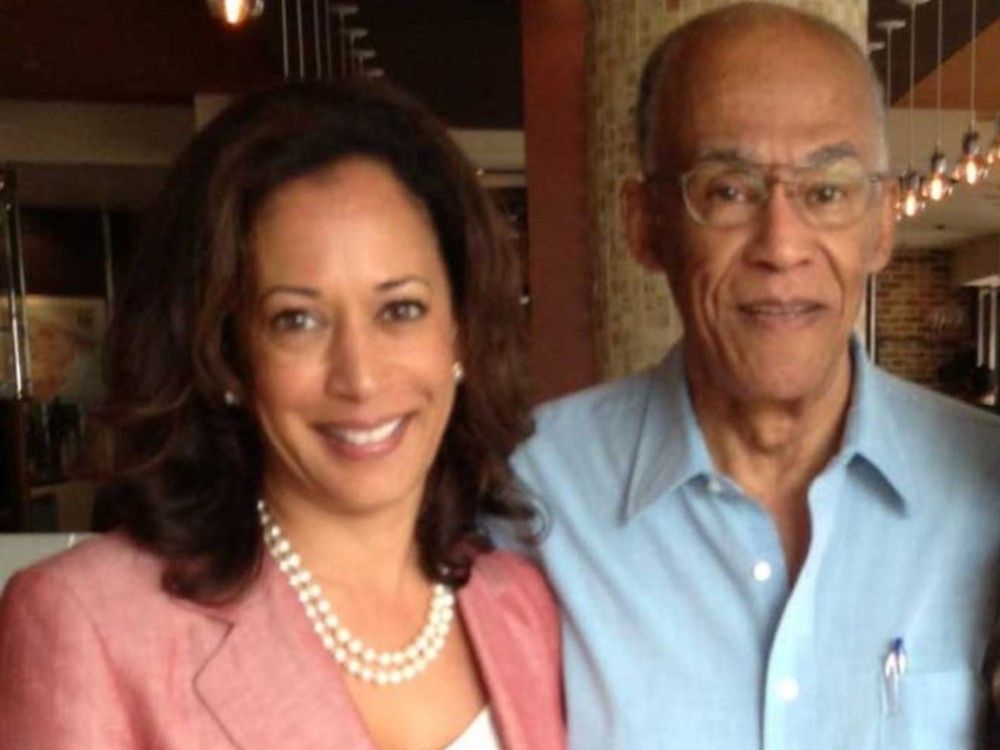
The question “what did Kamala Harris’s parents do for a living” is fundamental to decoding her personal brand strategy. They were not just participants in the workforce; they were high-achieving specialists who navigated the complexities of academia and science as immigrants.
Shyamala Gopalan’s work as a biomedical scientist gave the Harris brand a foundation of precision and pioneering resilience. Donald Harris’s career as a Stanford economist gave the brand its intellectual weight and systemic perspective. Together, these professional legacies created a “Power Brand” that is rooted in meritocracy, intellectualism, and a globalized worldview. For brand strategists, the lesson is clear: a leader’s professional origins are not just biographical footnotes; they are the strategic assets that define their authority and resonance in the public eye.
aViewFromTheCave is a participant in the Amazon Services LLC Associates Program, an affiliate advertising program designed to provide a means for sites to earn advertising fees by advertising and linking to Amazon.com. Amazon, the Amazon logo, AmazonSupply, and the AmazonSupply logo are trademarks of Amazon.com, Inc. or its affiliates. As an Amazon Associate we earn affiliate commissions from qualifying purchases.