
While many citizens view the inauguration of a new president through a civic or political lens, for the astute investor and business strategist, January 20th represents far more than a ceremonial oath. It is the definitive “Day Zero” for federal fiscal policy, regulatory shifts, and the commencement of a new four-year economic cycle. Understanding the specific timing of the inauguration is essential for navigating market volatility and aligning personal finance strategies with the incoming administration’s economic agenda.
The Market Cycle and the Presidential Transition: Historical Context
The date of the inauguration serves as a psychological and technical pivot point for global financial markets. Historically, the period leading up to the inauguration—the “Lame Duck” session—is characterized by speculation. However, once the new president is officially sworn in on January 20th, the market shifts from anticipating promises to evaluating performance.

Historical Stock Market Performance Post-Inauguration
Data from the S&P 500 suggests that the first year of a presidential term often sees a different momentum than the election year itself. Historically, markets tend to perform well in the year leading up to an election as the incumbent administration attempts to stimulate the economy. Following the inauguration, there is often a “digestive” period. Investors look for clarity on the cabinet appointments and the first 100 days of legislative priorities. Understanding the inauguration date allows traders to time their entries and exits, accounting for the “Inauguration Rally” or the potential “Post-Inauguration Dip” that occurs when reality meets campaign rhetoric.
The “January Effect” and Political Certainty
In the world of finance, certainty is a valuable commodity. The inauguration provides a definitive end to executive ambiguity. Research into market volatility shows that VIX (Volatility Index) levels often stabilize shortly after the inauguration ceremony. For those involved in options trading or high-frequency moves, January 20th acts as a boundary line. Before this date, risk premiums are high due to the uncertainty of the transition; after this date, the market begins to price in the specific budgetary realities of the new administration.
Fiscal Policy Shifts: What Happens After January 20th?
The inauguration is the catalyst for a massive shift in how federal money is allocated. While the budget for the current fiscal year is usually already set, the new president’s arrival marks the beginning of the “President’s Budget Request” cycle, which sets the tone for future spending, taxation, and deficit management.
Legislative Timelines and Budget Proposals
Shortly after the inauguration, the new administration is required to submit a budget proposal to Congress. For business owners and corporate financial officers, this is the most critical document of the year. It outlines which sectors will receive federal subsidies and which may face increased tax scrutiny. By knowing the exact day of the inauguration, financial analysts can backtrack their forecasting models to predict when the first draft of these budget proposals will hit the floor, allowing for proactive adjustments in corporate capital expenditure.
Tax Reform Expectations and Corporate Strategy
One of the most immediate concerns for high-net-worth individuals and corporations is tax policy. Most major tax reforms are tied to the start of a new administration. While changes rarely happen overnight on January 20th, the “intent” signaled in the inaugural address often dictates the direction of the Treasury Department. Whether the focus is on corporate tax hikes to fund infrastructure or tax cuts to stimulate investment, the inauguration date is the starting gun for tax planners to begin restructuring portfolios to minimize future liabilities.
Impact on Sector-Specific Investing
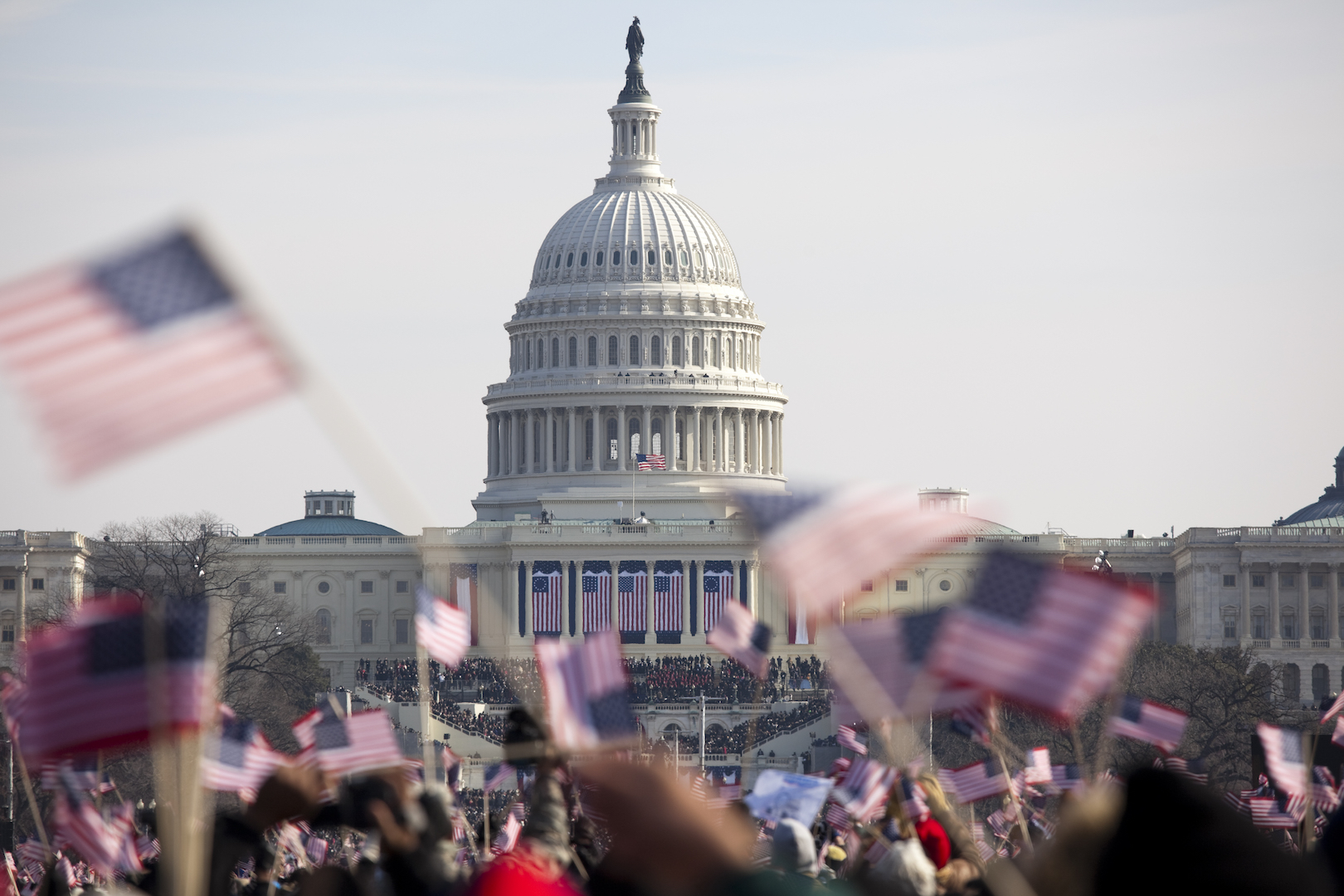
Not all sectors of the economy react to the inauguration in the same way. The transition of power creates winners and losers based on the platform of the incoming president. Smart money moves involve reallocating assets based on the policy priorities that become “official” on Inauguration Day.
Energy, Defense, and Healthcare Volatility
Inauguration Day often triggers immediate executive orders that can halt or accelerate projects in specific industries. For instance, an administration focused on green energy may sign orders affecting oil and gas leases within hours of being sworn in. Conversely, a defense-heavy administration might signal new procurement contracts. For investors, the inauguration is the deadline to have “hedged” their positions in these volatile sectors. The day marks a shift from speculative “policy bets” to “policy reality.”
Infrastructure Spending and Federal Contracts
Government spending is a primary driver of the GDP. The inauguration marks the start of a new era for federal contracting. For small business owners and mid-market firms that rely on government RFPs (Request for Proposals), the weeks following the inauguration are a period of intense networking and strategic positioning. The new heads of departments—appointed by the president upon taking office—will begin directing funds toward the administration’s flagship projects, such as nationwide broadband, transportation infrastructure, or domestic manufacturing incentives.
Personal Finance Planning for a New Administration
Beyond the macro-level market movements, the inauguration of a new president should prompt a review of individual financial plans. The change in leadership often brings changes in the regulatory environment that governs everything from student loans to mortgage rates and retirement accounts.
Adjusting Portfolios for Regulatory Changes
The executive branch has significant influence over regulatory bodies like the SEC (Securities and Exchange Commission) and the CFPB (Consumer Financial Protection Bureau). On the day of the inauguration, the leadership of these organizations often changes. This can lead to a shift from a “pro-consumer” regulatory stance to a “deregulatory” stance, or vice versa. For personal investors, this means the risk profile of certain financial products—like subprime loans, fintech apps, or crypto-assets—can change dramatically based on who is holding the pen in the Oval Office.
Interest Rates and the Federal Reserve Relationship
While the Federal Reserve is technically independent, the political climate established on Inauguration Day often influences the “tone” of monetary policy. A president who advocates for aggressive spending may put indirect pressure on the Fed to keep rates low, whereas a more fiscally conservative president might prioritize inflation control. While the inauguration doesn’t change the Fed Chair immediately, it changes the fiscal environment in which the Fed operates. Personal finance strategies, particularly those involving long-term debt like mortgages or business expansion loans, should be finalized or reconsidered in the context of the new administration’s economic philosophy.
The “First 100 Days” and the Wealth Gap
The financial community pays close attention to the “First 100 Days” following the inauguration. This period is historically the most productive for a new president and offers the clearest window into how they will handle the nation’s wealth.
For the individual looking to increase their “Online Income” or “Side Hustles,” this period is ripe with opportunity. New federal initiatives often include grants, training programs, and incentives for digital entrepreneurship or specific trade skills. Monitoring the inauguration and the subsequent policy rollouts can provide a roadmap for where the next wave of economic growth will occur. Whether it is a push for digital literacy or a new incentive for home-based businesses, the inauguration acts as the primary signal for where the money will flow in the coming years.
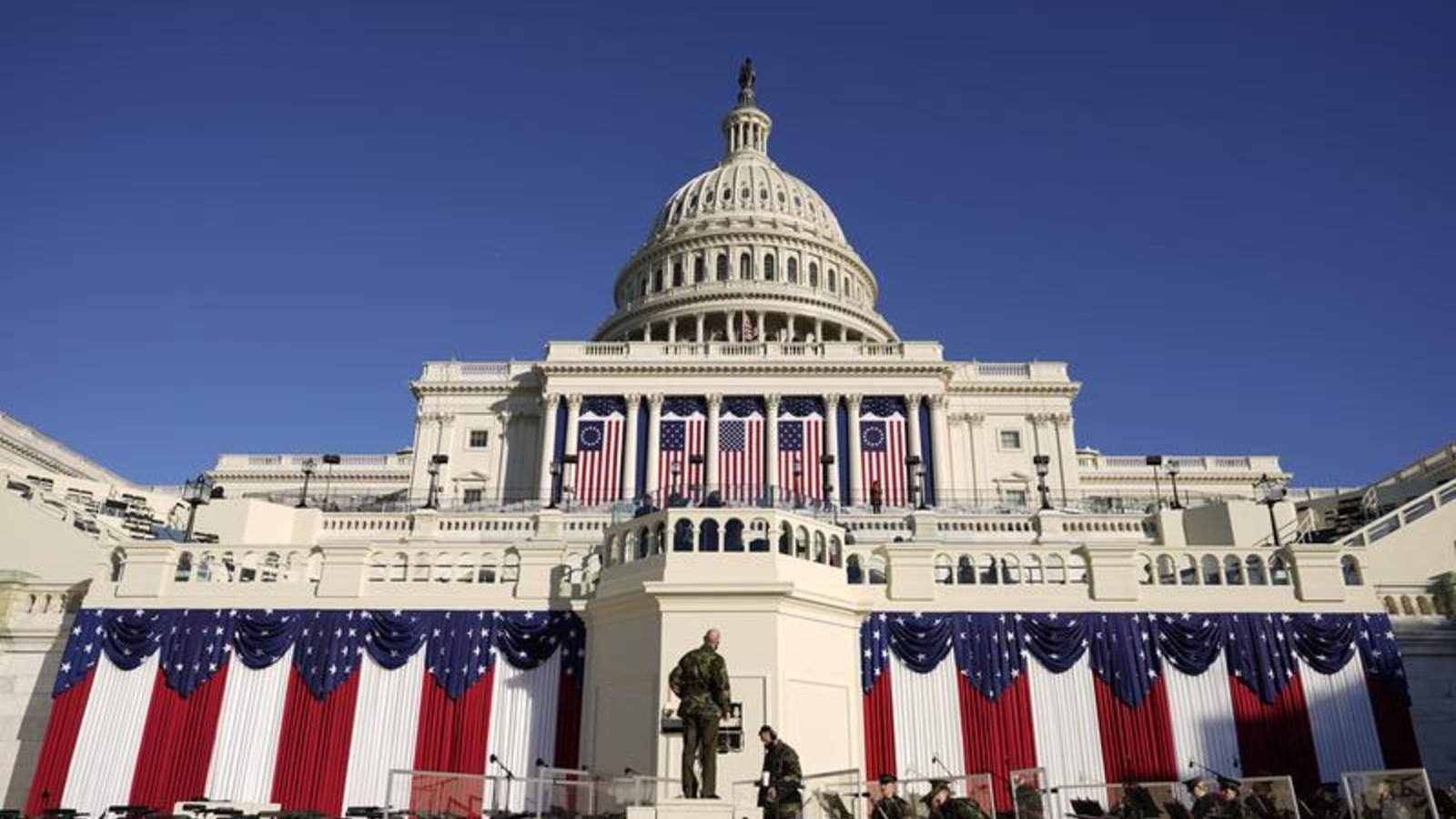
Conclusion: Why the Date Matters for Your Bottom Line
In summary, “what day is the inauguration” is not just a question for trivia buffs or historians; it is a fundamental question for anyone managing capital. January 20th is the date that ends the speculation of the campaign trail and begins the reality of the fiscal year. By understanding the market cycles, policy shifts, and sector-specific impacts that occur on this day, investors and business owners can better position themselves to protect their assets and capitalize on the opportunities presented by a new administration. In the world of money, timing is everything—and no date on the political calendar carries more financial weight than Inauguration Day.
aViewFromTheCave is a participant in the Amazon Services LLC Associates Program, an affiliate advertising program designed to provide a means for sites to earn advertising fees by advertising and linking to Amazon.com. Amazon, the Amazon logo, AmazonSupply, and the AmazonSupply logo are trademarks of Amazon.com, Inc. or its affiliates. As an Amazon Associate we earn affiliate commissions from qualifying purchases.