
The world of professional sports has always been a crucible for personal branding, but few athletes have faced a brand trial as intense and polarized as Algerian boxer Imane Khelif. During the 2024 Paris Olympics, the discourse surrounding Khelif transcended the boxing ring, moving into a complex global debate regarding biological conditions, eligibility, and the ethics of sports categorization. While much of the public focus remained on “what condition does Imane Khelif have,” from a brand strategy perspective, the real story lies in how an individual and their supporting organizations navigate a high-stakes identity crisis on the world stage.

In the modern era, an athlete is more than a competitor; they are a corporate entity. Their “brand” is a composite of their performance, their backstory, and how they handle adversity. For Khelif, the “condition” in question—rumors and unverified reports regarding Differences in Sexual Development (DSD) or chromosomal variations—became the central pillar of a narrative that she did not initially choose. This article analyzes the Imane Khelif phenomenon through the lens of brand strategy, crisis management, and the long-term equity of personal identity in the global marketplace.
Navigating the Intersection of Identity and Global Brand Perception
In branding, “identity” is the core truth of a product or person, while “perception” is how the audience interprets that truth. For Imane Khelif, the gap between her identity as a lifelong female athlete and the global perception fueled by misinformation created a massive branding vacuum.
The Power of Narrative Control
When a brand does not tell its own story, the public will write one for it. In the early stages of the Paris 2024 controversy, Khelif’s personal brand was vulnerable because the narrative was being driven by external governing bodies—specifically the International Boxing Association (IBA) and the International Olympic Committee (IOC). The IBA’s previous disqualification of Khelif based on undisclosed “gender eligibility tests” created a “mystery” element that is toxic to brand stability. To reclaim a brand, one must shift the focus from the “condition” to the “character.” Khelif’s strategy eventually pivoted toward a narrative of national pride and stoic resilience, which resonated deeply with her Algerian fan base and international supporters of inclusivity.
Cultural Context in Personal Branding
A brand does not exist in a vacuum; it exists within a cultural ecosystem. For Khelif, her brand is inextricably linked to her Algerian heritage. In Algeria, she is viewed as a national hero, a symbol of a woman breaking barriers in a traditionally male-dominated sport. This cultural alignment provided her brand with a “home base” of unwavering loyalty. For brand managers, this highlights the importance of hyper-local brand equity. When a brand is under attack globally, its survival often depends on the strength of its core, local advocates who view the external criticism as an attack on their shared values.
Crisis Communication: Managing a Narrative Under Global Scrutiny
Crisis communication is the art of protecting a brand’s reputation during a negative event. The controversy surrounding Khelif’s biological eligibility represents a “Type 1” brand crisis: one that involves fundamental questions about the brand’s right to exist in its current category.
The Role of Institutional Endorsement
A personal brand is often bolstered by the institutions that surround it. The IOC’s defense of Khelif was a masterclass in institutional brand protection. By shifting the conversation from biological specifics to “fairness, safety, and non-discrimination,” the IOC provided a framework for Khelif’s brand to survive. For any brand facing a PR nightmare, alignment with a powerful, authoritative body can provide the necessary shield to weather the storm. The IOC’s insistence that Khelif “was born female, raised female, and competes as a female” became the official brand tagline that countered the viral misinformation.
Turning Viral Negative Sentiment into Brand Awareness
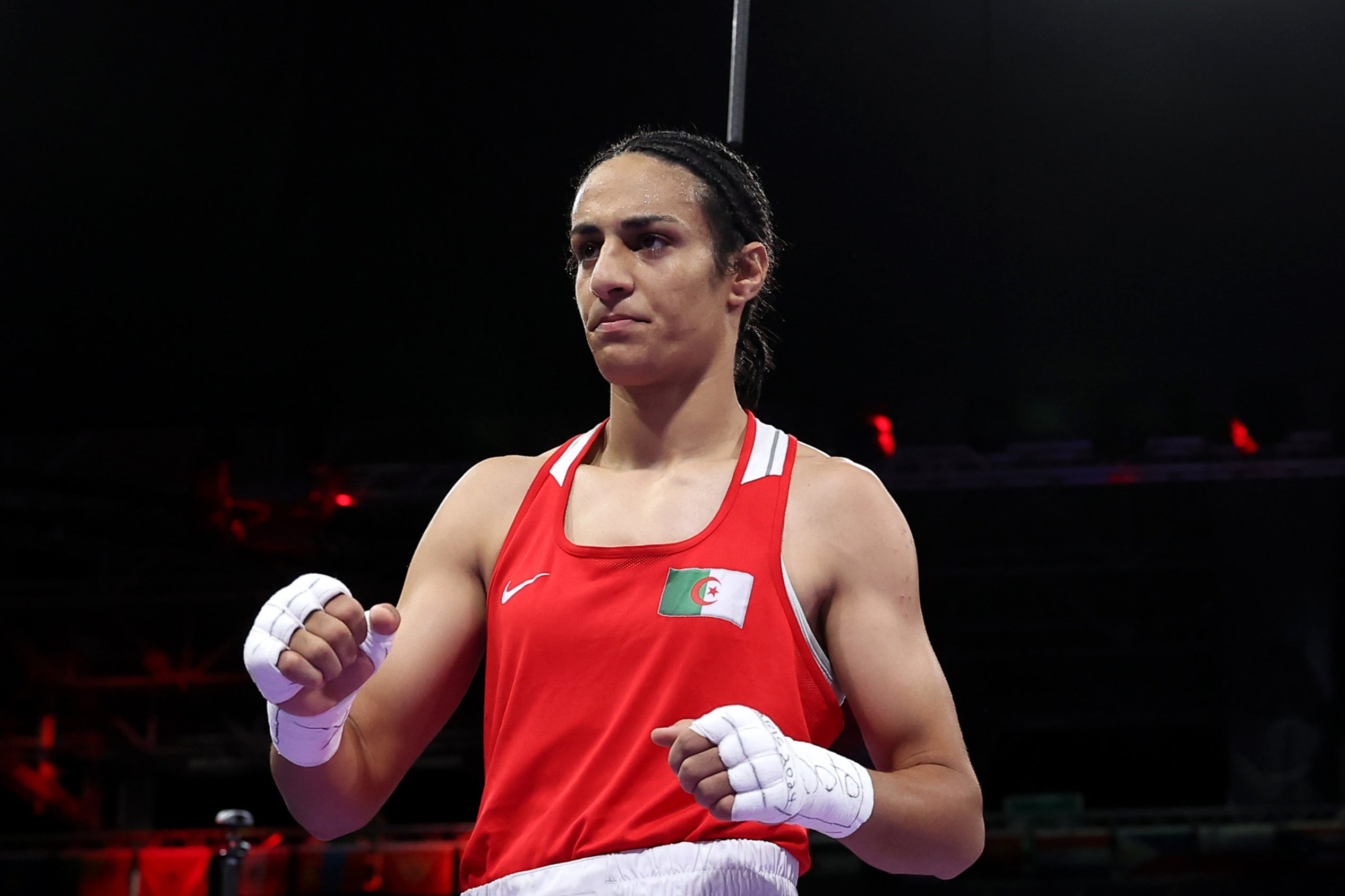
There is an old adage in marketing that “any publicity is good publicity,” but in the age of digital security and social ethics, this is rarely true. However, the Khelif controversy did something unique: it turned a relatively unknown athlete into a global household name. The surge in search queries regarding her “condition” drove unprecedented traffic to her social media profiles. From a brand management standpoint, the challenge was to convert this “curiosity traffic” into “empathy traffic.” By maintaining a professional, dignified public persona and focusing on her performance in the ring, Khelif successfully transitioned from a “subject of controversy” to a “symbol of perseverance.”
The Financial and Marketability Implications of Identity Discourse
The ultimate goal of a sports brand is marketability—the ability to attract sponsors, secure endorsements, and build long-term financial stability. The discourse around Khelif’s biological condition initially appeared to be a threat to her marketability, but it may have inadvertently created a niche brand powerhouse.
Brand Safety for Corporate Sponsors
For major corporations like Nike, Adidas, or Coca-Cola, “brand safety” is paramount. They generally avoid athletes embroiled in polarizing debates. However, the landscape of “safety” is shifting. Today’s consumers—particularly Gen Z—value brands that take a stand on social justice and inclusivity. Khelif’s brand now carries a “social impact” premium. Brands that want to align themselves with themes of overcoming bullying, defending women’s rights, or supporting underdogs may find Khelif to be an ideal partner. The “condition” is no longer the story; the triumph over the scrutiny of the condition is the story.
The “Underdog” Narrative and Consumer Sentiment
In brand storytelling, the “Underdog” is one of the most powerful archetypes. By being cast as a victim of high-level institutional bullying and online harassment, Khelif’s brand moved into the Underdog category. This creates an emotional bond with the audience that is much stronger than mere athletic admiration. When consumers feel a brand has been treated unfairly, they show their support through “buycotting” or intense digital advocacy. This emotional capital is a valuable asset that Khelif’s management team can leverage for future book deals, documentaries, and speaking engagements.
Strategic Reputation Management for Modern Athletes
What can other brands learn from the Imane Khelif case study? The primary takeaway is that in a digital-first world, your brand is defined by your response to crisis as much as your original value proposition.
Visual Identity and Public Relations
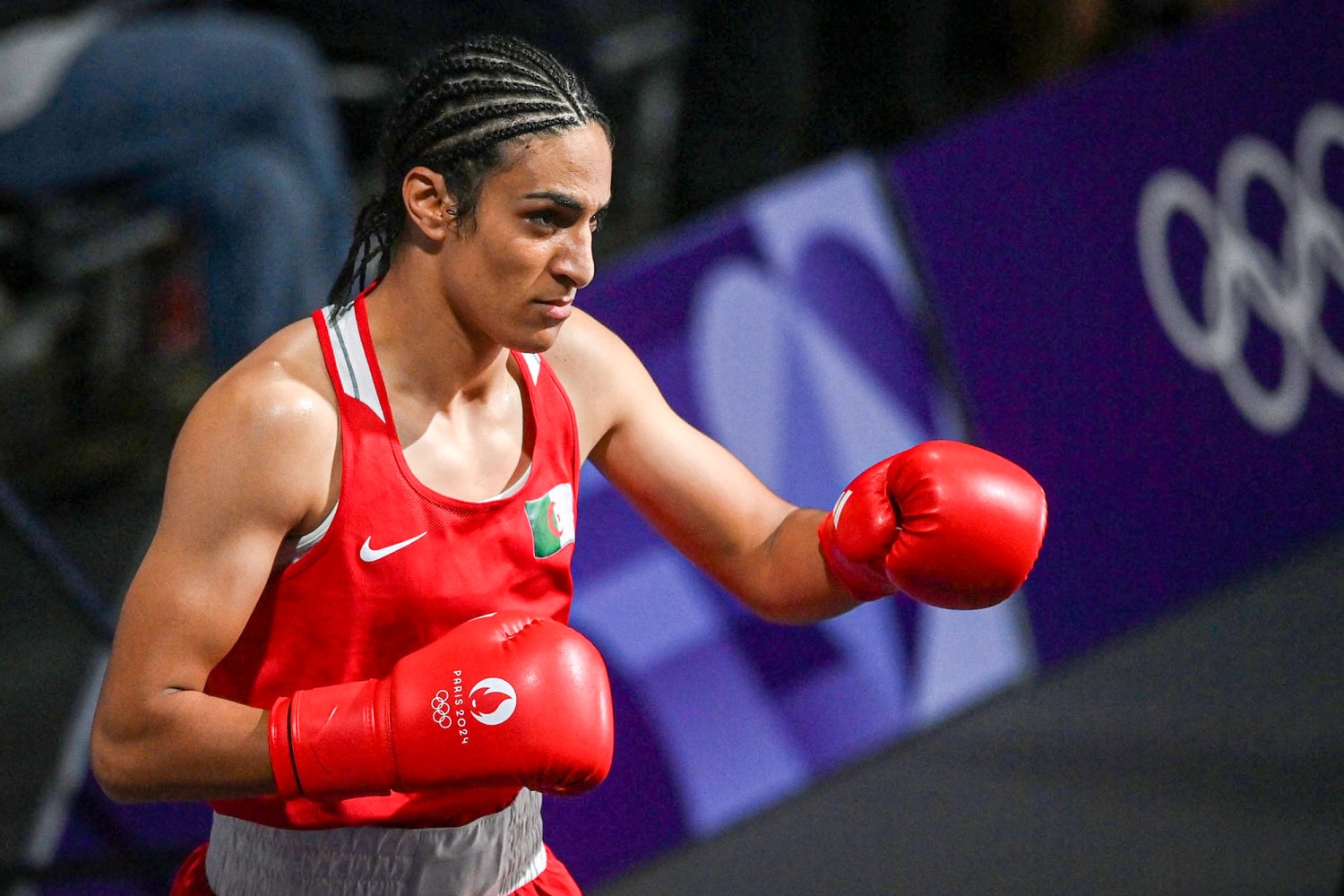
During the Olympics, Khelif’s visual brand was one of focus and intensity. Every photograph of her in the ring served as a counter-narrative to the “biological debate” happening on X (formerly Twitter). In PR, visual evidence often trumps text-based rumors. Her gold-medal victory was the ultimate brand “closer.” It provided a definitive end to the chapter of victimization and began a new chapter of excellence. For any personal brand, the “work” (the product) must eventually speak louder than the “talk” (the marketing).
Long-term Brand Equity Post-Olympics
The longevity of Imane Khelif’s brand will depend on how she manages the post-Olympic period. The “condition” rumors will likely persist in certain corners of the internet, but her brand strategy should now focus on “Legacy.” This involves diversifying her brand touchpoints—engaging in philanthropy, advocating for sports development in North Africa, and perhaps even becoming a voice for the protection of athletes from online abuse. By moving the brand into the “Advocate” space, she ensures that she is no longer defined by a medical question, but by her societal contribution.
Conclusion: The Resilience of the Khelif Brand
The question of “what condition does Imane Khelif have” may remain a point of discussion for medical or sports-policy enthusiasts, but for the world of branding, it is a secondary detail. Imane Khelif has demonstrated that a personal brand can survive—and even thrive—amidst a global identity crisis if it is rooted in authenticity, supported by strong institutions, and fueled by a compelling underdog narrative.
Her journey from a rural Algerian village to a gold-medal podium under the harshest possible spotlight serves as a blueprint for reputation management. It proves that when a brand is attacked at its most fundamental level, the best defense is not just a legal or medical one, but a strategic reassertion of one’s core values and excellence. Imane Khelif didn’t just win a gold medal in boxing; she won a masterclass in global brand resilience.
aViewFromTheCave is a participant in the Amazon Services LLC Associates Program, an affiliate advertising program designed to provide a means for sites to earn advertising fees by advertising and linking to Amazon.com. Amazon, the Amazon logo, AmazonSupply, and the AmazonSupply logo are trademarks of Amazon.com, Inc. or its affiliates. As an Amazon Associate we earn affiliate commissions from qualifying purchases.