
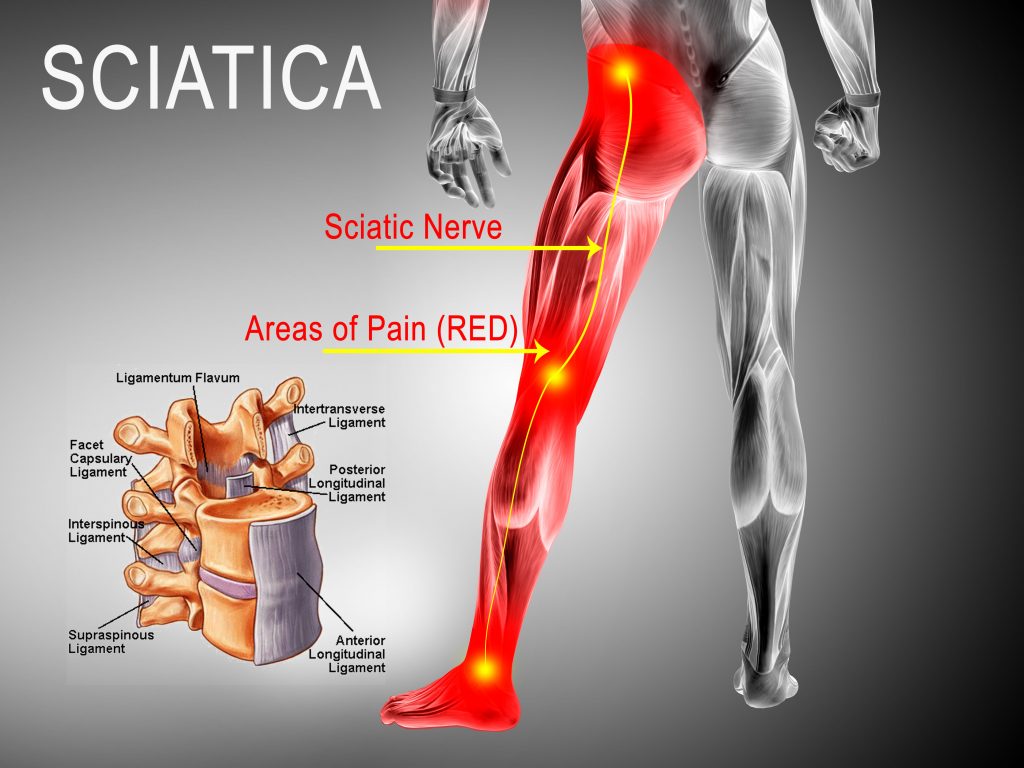
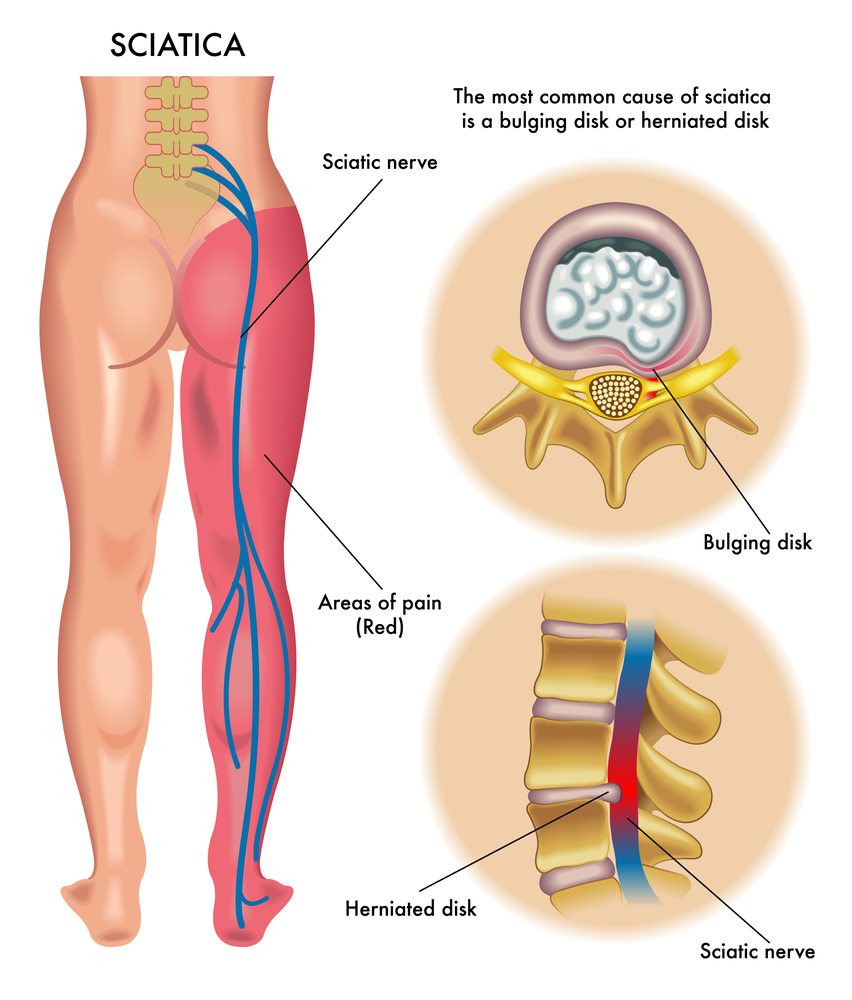
Sciatic nerve pain—a sharp, radiating discomfort that travels from the lower back through the hips and down each leg—affects up to 40% of the population at some point in their lives. While traditionally treated with manual physical therapy and medication, the digital age has ushered in a new era of “Health-Tech” solutions. For the modern professional or tech-savvy individual, the question isn’t just “What can I do for sciatic nerve pain?” but rather “What tools, gadgets, and software can I leverage to fix it?”
In a world where sedentary “desk culture” is a primary contributor to nerve compression, technology is moving from being the cause of the problem to becoming the cure. This article explores the intersection of ergonomics, wearable technology, and digital therapeutics to provide a comprehensive tech-driven roadmap for managing and alleviating sciatica.

1. Smart Ergonomics: Transforming the Digital Workspace
For many, sciatic nerve pain is a direct byproduct of the “sitting disease.” Traditional office setups often fail to support the lumbar spine, leading to disk herniation that pinches the sciatic nerve. The tech industry has responded with intelligent hardware designed to intervene before the pain becomes chronic.
AI-Driven Standing Desks and Smart Seating
The static standing desk is a tool of the past; the future lies in AI-integrated workstations. Modern smart desks now come equipped with sensors that track how long you have been stationary. These desks use “whisper-quiet” motors to automatically transition between sitting and standing heights at intervals optimized for your specific height and weight. By frequently changing the angle of the pelvis, these desks prevent the prolonged nerve compression that triggers sciatica.
Similarly, smart chairs have moved beyond basic lumbar support. High-end ergonomic tech, such as the Herman Miller Embody or gesture-based seating, utilizes pixelated pressure maps to distribute weight evenly. Some emerging prototypes even include haptic sensors in the seat pan that vibrate gently if they detect you are slouching or crossing your legs—two habits that are notorious for aggravating the sciatic nerve.
Wearable Posture Correctors and Haptic Feedback
If you cannot replace your furniture, you can wear the solution. Devices like the Upright GO are small, unobtrusive wearables that stick to your upper back. These gadgets use precision sensors to monitor your spinal alignment. When you slouch—putting undue pressure on your lower vertebrae—the device vibrates, training your muscle memory via haptic feedback. By maintaining a neutral spine, you significantly reduce the mechanical load on the sciatic nerve.
2. Digital Therapeutics: The Rise of AI-Powered Physical Therapy
One of the biggest hurdles in treating sciatica is the consistency of physical therapy (PT). Traditional PT requires office visits and manual tracking. However, digital therapeutics (DTx) are revolutionizing this by bringing the clinic into your living room through software.
Computer Vision and Motion Tracking Apps
Platforms like Hinge Health and Kaia Health are leading the charge in “MSK” (musculoskeletal) tech. These apps use the camera on your smartphone or tablet to perform real-time motion tracking. As you perform sciatic-specific stretches—such as the pigeon pose or nerve flossing—the AI analyzes your form. If your hips are misaligned or your back is rounding, the app provides immediate audio and visual corrections. This ensures that you are decompressing the nerve effectively rather than inadvertently causing more inflammation through poor form.
Virtual Reality (VR) for Pain Modulation
Virtual Reality is no longer just for gaming; it is becoming a potent tool for chronic pain management. For those suffering from acute sciatic flares, VR “Distraction Therapy” has shown remarkable results. By immersing the user in a 360-degree environment that requires cognitive focus, the brain’s “gate control” mechanism for pain is activated. Furthermore, some VR platforms offer guided “nerve-gliding” visualizations, helping users visualize the movement of the nerve through the tissues, which can physiologically assist in reducing the perception of neural tension.
3. Advanced Hardware: Neuromodulation and Percussion Tech
When lifestyle adjustments aren’t enough, professional-grade hardware is now available for home use. These tools target the sciatic nerve at the neuromuscular level, utilizing electricity and kinetic energy to disrupt pain signals.
The Evolution of TENS and EMS Devices
Transcutaneous Electrical Nerve Stimulation (TENS) has been a staple of clinical settings for decades. Today, these devices have been miniaturized and integrated into the “Internet of Things” (IoT). Modern TENS units are now wireless, Bluetooth-enabled patches controlled entirely via smartphone. For sciatica sufferers, these patches can be placed on the lower back or along the path of the nerve on the leg. The app allows you to customize the pulse frequency and intensity, effectively “scrambling” the pain signals before they reach the brain and stimulating the release of endorphins.
Smart Percussion Therapy and Heat Integration
Percussive therapy devices, such as the Theragun or Hyperice, have become essential gadgets for managing nerve-related muscle guarding. When the sciatic nerve is irritated, the surrounding muscles (like the piriformis) often go into a protective spasm, further compressing the nerve.
The latest generation of these tools includes “Smart Pressure” sensors that connect to an app, guiding the user on exactly where to apply pressure without bruising the bone. Many now incorporate integrated heat therapy. Heat increases blood flow and tissue elasticity; when combined with percussive therapy, it allows for a deeper release of the muscles entrapping the sciatic nerve, providing immediate symptomatic relief.
4. Bio-Hacking and the Future of Sciatic Management
As we look toward the future of health-tech, the focus is shifting from reactive treatment to proactive, data-driven management. Bio-hacking tools are allowing individuals to understand their bodies’ inflammatory responses with unprecedented precision.
Predictive Analytics and Wearable Data
Devices like the Oura Ring or the Whoop Strap track physiological markers such as Heart Rate Variability (HRV) and sleep quality. While these aren’t “sciatica trackers” per se, they provide critical data on systemic inflammation. A low HRV score often precedes a pain flare-up. By analyzing this data, users can identify “red zones”—days when their body is under high stress—and proactively increase their mobility exercises or ergonomic interventions before the sciatic pain becomes debilitating.
Photobiomodulation (Red Light Therapy)
Once reserved for high-end sports clinics, Red Light Therapy (RLT) panels are now common in the tech-enthusiast’s home. RLT uses specific wavelengths of light to penetrate the skin and reach the mitochondria of the cells. Research suggests that photobiomodulation can accelerate nerve regeneration and reduce inflammation in deep-seated nerves like the sciatic. High-tech “wraps” embedded with medical-grade LEDs allow users to target the lumbar spine directly, providing a non-invasive, tech-forward way to manage the underlying causes of nerve irritation.
Conclusion: The Integrated Tech Approach
The answer to “What can I do for sciatic nerve pain?” is no longer a simple list of stretches. In the modern era, it is an integrated ecosystem of hardware and software designed to support the human frame. By combining smart ergonomics to prevent compression, AI-driven apps to ensure proper movement, and neuromodulation gadgets to manage pain, individuals can take control of their recovery.
As technology continues to evolve, the line between “tech” and “healthcare” will continue to blur. For the millions of people dealing with sciatica, this digital revolution offers more than just convenience—it offers a path toward a pain-free life, driven by data, precision, and innovation. Whether it is through a vibrating posture sensor or a VR-guided physical therapy session, the tools for relief are now literally at our fingertips.
aViewFromTheCave is a participant in the Amazon Services LLC Associates Program, an affiliate advertising program designed to provide a means for sites to earn advertising fees by advertising and linking to Amazon.com. Amazon, the Amazon logo, AmazonSupply, and the AmazonSupply logo are trademarks of Amazon.com, Inc. or its affiliates. As an Amazon Associate we earn affiliate commissions from qualifying purchases.