
The global dietary landscape has shifted dramatically over the last decade, transforming from a niche medical requirement into a multi-billion-dollar economic powerhouse. When we ask, “What can gluten-intolerant people eat?” we are no longer just discussing dietary choices; we are discussing a massive consumer segment that dictates market trends, influences venture capital flow, and requires sophisticated personal financial planning. For the gluten-intolerant consumer, the answer involves navigating a “gluten tax,” while for the investor, it represents one of the most resilient growth sectors in the Consumer Packaged Goods (CPG) industry.

The Personal Finance of Dietary Restrictions: Budgeting for the “Gluten Tax”
Living with gluten intolerance—whether due to Celiac disease or non-celiac gluten sensitivity—introduces a unique set of financial challenges. Economists often refer to the price discrepancy between standard wheat-based products and their gluten-free counterparts as the “gluten tax.” To manage a household budget effectively, one must understand the fiscal implications of these dietary requirements.
Analyzing the Cost Differential
Research consistently shows that gluten-free products can cost anywhere from 150% to 500% more than conventional products. For example, a standard loaf of bread might retail for $2.50, while a gluten-free equivalent of the same size often exceeds $6.00. From a personal finance perspective, this means a gluten-intolerant individual might spend an additional $1,000 to $2,500 annually on groceries alone. Understanding these margins is essential for long-term financial planning, as these costs compound over a lifetime.
Smart Budgeting Strategies for Specialized Diets
To mitigate the financial impact, savvy consumers are turning to “whole food” budgeting. Rather than purchasing expensive processed replacements (the “replacement trap”), financial advisors suggest focusing on naturally gluten-free staples: rice, beans, potatoes, and seasonal produce. Furthermore, some jurisdictions, such as Canada and certain European nations, allow for tax deductions on the incremental cost of gluten-free foods if medically documented. Navigating these tax codes can recover a significant portion of the annual “gluten tax” for those who maintain meticulous receipts.
Investing in the Gluten-Free Revolution: Market Trends and Stock Opportunities
From an investment standpoint, the gluten-free sector is far from a passing fad. Market analysts project the global gluten-free pasta and bakery market to reach over $14 billion by 2032. For investors looking to diversify their portfolios within the staples or healthcare sectors, the “What can they eat?” question translates directly into “Which companies are winning the shelf space?”
Key Players in the CPG Sector
While many artisanal brands dominate the premium space, “Big Food” has recognized the profitability of the gluten-free consumer. Companies like General Mills (GIS) and Conagra Brands (CAG) have aggressively acquired or developed gluten-free lines. These stocks often provide a defensive hedge during market volatility because dietary needs are non-discretionary. When a consumer must eat gluten-free for health reasons, they will continue to purchase those products even during an economic downturn, making these companies attractive for dividend-seeking investors.

Venture Capital and the Rise of Food-Tech Startups
Beyond established stocks, the “Money” story of gluten-free eating is found in food-tech innovation. Venture capital is flowing into startups that utilize AI and bio-engineering to replicate the protein structure of gluten using ancient grains or fungi. These startups aim to lower production costs and improve texture, addressing the two biggest hurdles in the market. For accredited investors, private equity in the “Alternative Flour” space represents a high-growth opportunity as the technology moves toward price parity with wheat.
Monetizing the Niche: Side Hustles and Business Opportunities in the GF Space
The rise of the gluten-intolerant demographic has created a vacuum of information and specialized services, providing fertile ground for entrepreneurs and side-hustlers. If you understand what gluten-intolerant people can eat, you possess specialized knowledge that has high market value in the digital economy.
Content Creation and Affiliate Marketing
One of the most accessible side hustles in this niche is the development of “authority sites” or social media platforms focused on gluten-free living. By providing curated lists of “what to eat” at specific restaurant chains or reviewing new products, creators can tap into high-intent search traffic. Revenue streams here are diverse: affiliate commissions from specialty food brands, display advertising, and sponsored content from health-conscious insurance providers or wellness apps.
E-commerce and Subscription Box Models
The “subscription economy” has found a perfect match in the gluten-free world. Because sourcing diverse, high-quality gluten-free snacks can be time-consuming, consumers are willing to pay a premium for curation. Entrepreneurs are launching successful “GF Discovery Boxes,” leveraging wholesale purchasing power to provide value to consumers while maintaining healthy profit margins. This model capitalizes on the recurring revenue (SaaS-style) logic, which is highly prized in business valuation.
The Macroeconomic Impact of the Gluten-Free Industry
The shift in what people eat has broader economic implications, affecting global supply chains and agricultural commodity markets. The demand for gluten-free ingredients has single-handedly revitalized the markets for secondary grains, changing the financial prospects of farmers globally.
Supply Chain Shifts and Global Demand
As demand for wheat alternatives grows, the market for quinoa, teff, sorghum, and buckwheat has exploded. Countries that were previously marginalized in the global grain trade are now seeing increased foreign direct investment. For example, the “Quinoa Boom” in the Andes demonstrated how a dietary shift in the West can fundamentally alter the GDP and trade balance of developing economies. Investors tracking “Global Macro” trends must watch these shifts, as they impact everything from currency valuations to shipping costs in the agricultural sector.
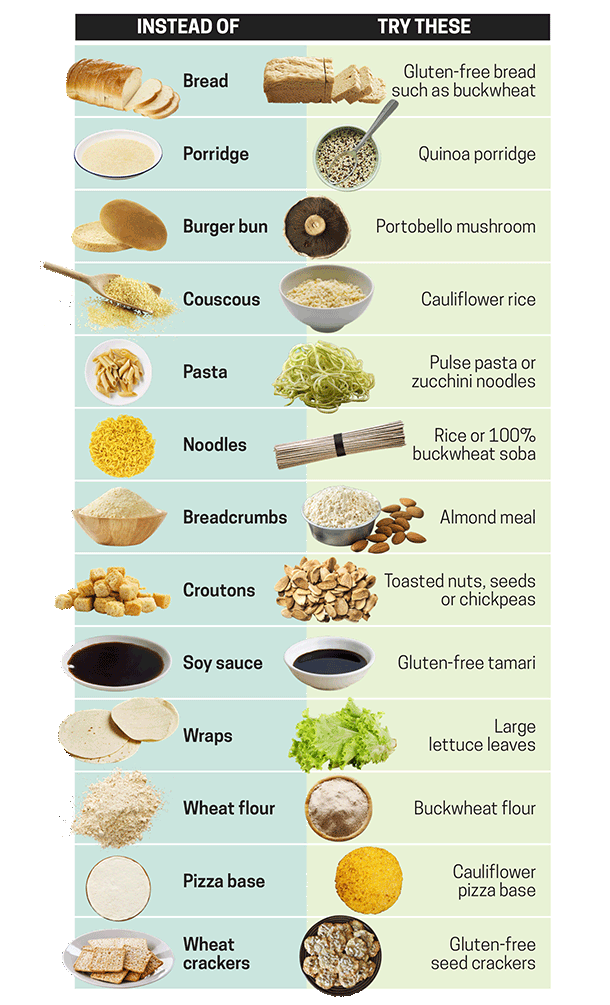
Future Forecasts for the Multi-Billion Dollar Market
Looking forward, the answer to “what can they eat” will increasingly be driven by price parity. As manufacturing processes scale and the cost of alternative flours drops, we expect to see the “gluten tax” diminish. This democratization of gluten-free food will likely lead to a second wave of market growth, moving the products from the “health food aisle” to the mainstream aisles of every global retailer. For the business strategist, the goal is to identify the inflection point where gluten-free products become price-competitive with traditional wheat, as this will trigger a massive shift in consumer behavior and market share.
In conclusion, the question of what gluten-intolerant people can eat is as much a financial inquiry as it is a culinary one. From the personal budgeting of the individual to the strategic maneuvers of multinational corporations and the speculative bets of venture capitalists, the gluten-free economy represents a robust and expanding frontier. Understanding the money behind the diet is essential for anyone looking to navigate, invest in, or profit from this essential market segment.
aViewFromTheCave is a participant in the Amazon Services LLC Associates Program, an affiliate advertising program designed to provide a means for sites to earn advertising fees by advertising and linking to Amazon.com. Amazon, the Amazon logo, AmazonSupply, and the AmazonSupply logo are trademarks of Amazon.com, Inc. or its affiliates. As an Amazon Associate we earn affiliate commissions from qualifying purchases.