
In the modern era of digital health, the Body Mass Index (BMI) has transitioned from a manual calculation performed on a doctor’s clipboard to a foundational data point integrated into millions of health applications and wearable devices. While the medical community defines a BMI of less than 18.5 as “underweight,” the technological infrastructure surrounding this metric is far more complex than a simple division of height and weight. As we move deeper into the age of personalized medicine and algorithmic diagnostics, understanding how software interprets the “underweight” category is essential for developers, tech-savvy consumers, and health tech innovators alike.
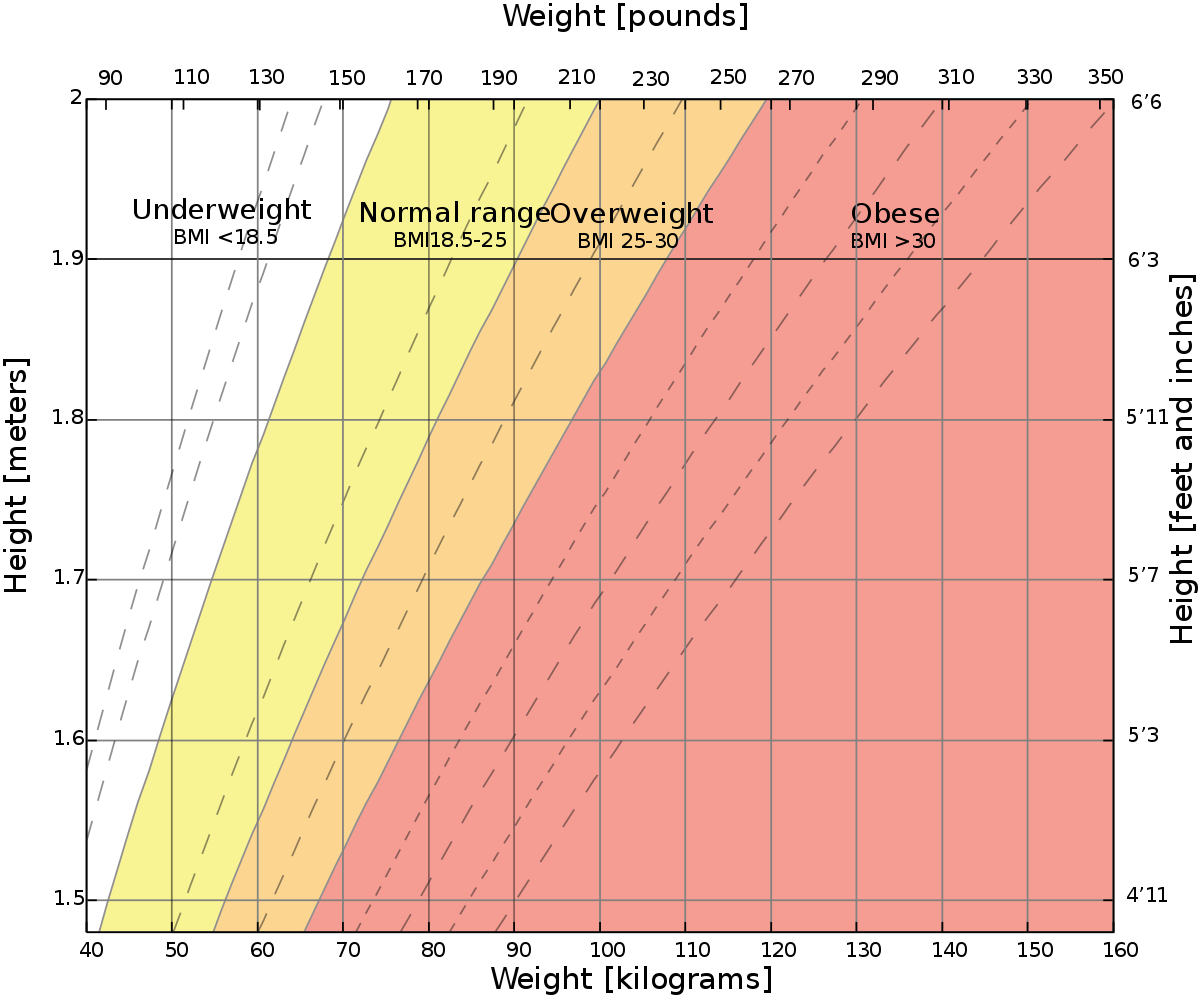
The classification of being underweight via digital tools is no longer just about a static number; it is about how data pipelines, artificial intelligence, and hardware sensors converge to provide a holistic view of human health. This article explores the technical architecture behind BMI calculations, the integration of body composition technology, and the future of AI-driven health stratification.
The Algorithmic Definition of Underweight: From Formula to Code
At its core, the BMI is a mathematical proxy for body fat based on height and weight. In the realm of software development, this is one of the most basic algorithms to implement, yet its implications in a user interface (UI) are profound. For a system to flag a user as “underweight,” it must strictly adhere to the World Health Organization (WHO) standards while accounting for the nuances of digital data entry.
The Standard Formula vs. Modern Software Architectures
The standard BMI formula—weight in kilograms divided by the square of height in meters—is easily translated into programming languages like Python, JavaScript, or Swift. However, modern health tech platforms must build robust wrappers around this calculation. For example, a “Health Dashboard” app doesn’t just display a 17.5 BMI; it must cross-reference this value against a database of demographic benchmarks.
Developers must ensure that the software handles unit conversions (imperial to metric) with high precision. A rounding error in a floating-point number might seem trivial, but in a clinical software environment, it could mean the difference between a “Normal” and “Underweight” classification, potentially triggering unnecessary medical alerts or insurance adjustments within a centralized health record system.
Precision and Margin of Error in Mobile Apps
While the formula is simple, the “Input Layer” is where many health apps struggle. High-quality health tech incorporates “logic checks” to prevent erroneous data from skewing health trends. For instance, if a user accidentally enters their weight in pounds but the app is set to kilograms, the resulting BMI would be dangerously low.
Sophisticated software now uses outlier detection algorithms. If a user’s BMI is calculated at 14.0 (severely underweight), a high-end health app will prompt a verification step: “Are these measurements correct?” This layer of digital skepticism is vital for maintaining data integrity in large-scale health databases and ensuring that the “underweight” tag is applied accurately and responsibly.
Wearables and Real-Time Body Composition Tracking
The tech industry has long recognized that BMI is a “dumb” metric—it doesn’t distinguish between muscle mass and body fat. This is where hardware innovation, specifically in the form of smart scales and wearables, enters the conversation. For an individual categorized as “underweight” by a simple BMI calculation, technology provides the context necessary to determine if that status is a health risk or a byproduct of a specific body type.
Bioelectrical Impedance Analysis (BIA) in Smart Scales
Modern smart scales, such as those from Withings, Garmin, or Fitbit, utilize Bioelectrical Impedance Analysis (BIA). This technology sends a low-level, imperceptible electrical current through the body to measure the resistance of different tissues. Water and muscle conduct electricity well, while fat provides more resistance.
When a user’s BMI falls into the “underweight” category (below 18.5), the hardware’s onboard processor analyzes the BIA data to provide a body fat percentage. If the BMI is 18.0 but the muscle mass percentage is high, the software can provide a more nuanced insight than a traditional scale could. This integration of hardware sensors and firmware logic allows for a “smart” classification that moves beyond the limitations of 19th-century mathematics.
Integration with Ecosystems: Apple Health and Google Fit
The true power of the “underweight” metric in tech lies in its interoperability. Through APIs like Apple HealthKit or Google Fit, a BMI measurement doesn’t live in a vacuum. It is synced across a vast ecosystem of apps.
For instance, if a smart scale logs an underweight BMI, a connected nutrition app might automatically adjust its calorie-surplus recommendations. Simultaneously, a fitness app might flag the user’s recovery data, noting that a low BMI combined with high-intensity training could lead to increased injury risk. This level of synchronization represents the “Internet of Health Things” (IoHT), where a single data point informs a wide array of technological responses.

The Role of Artificial Intelligence in Health Assessment
Artificial Intelligence (AI) and Machine Learning (ML) are currently revolutionizing how we interpret weight-related data. Rather than looking at a BMI of 18.5 as a static “danger zone,” AI models analyze longitudinal data to identify patterns and predict future health outcomes.
Computer Vision and Predictive Weight Modeling
One of the most exciting frontiers in health tech is the use of computer vision for body composition analysis. Startups are developing apps that allow users to take a 3D scan of their body using a smartphone camera. ML models then analyze the body’s silhouette to estimate BMI and body fat percentage with surprising accuracy.
For users who are flagged as underweight, these AI models can provide visual feedback on muscle distribution. This technology is particularly useful for identifying “sarcopenia”—age-related muscle loss—where a person’s BMI might appear healthy or only slightly underweight, but their functional health is at risk. By digitizing the human form, AI provides a layer of physical context that a simple weight scale never could.
Moving Beyond BMI: AI-Driven Health Risk Stratification
The next generation of health platforms is moving toward “Risk Stratification.” Instead of telling a user they are underweight, the AI looks at blood glucose levels (from a continuous glucose monitor), heart rate variability (from a smartwatch), and sleep patterns.
If a user has a BMI of 17.9 but all other biometric markers are optimal, the AI might conclude that the “underweight” status is the user’s natural baseline. Conversely, if a drop to an underweight BMI coincides with a spike in resting heart rate and poor sleep, the algorithm can flag this as a potential medical issue. This shift from “metric-centric” to “holistic-predictive” analysis is the hallmark of modern health tech.
Data Security and Privacy in Personal Health Metrics
As we collect more granular data about what it means to be underweight—ranging from DNA markers to 3D body scans—the security of that data becomes a paramount technical challenge. Biometric data is the most personal information a human can possess, and its protection is a major focus for tech firms.
Encrypting Biometric Data
When a user inputs their height and weight into a health app, that data is typically encrypted both “in transit” (as it moves from the phone to a server) and “at rest” (as it sits in a database). For tech companies, managing a database of users categorized as “underweight” or “obese” carries significant legal weight under regulations like HIPAA in the US or GDPR in Europe.
Advanced security protocols, such as end-to-end encryption and decentralized data storage (using blockchain or edge computing), are being implemented to ensure that a user’s health status cannot be leaked. This is especially critical because a “underweight” classification could, if leaked, be used by third parties to infer medical conditions or eating disorders, leading to potential discrimination or targeted predatory marketing.
The Ethical Implications of Digital Health Labels
Software engineers and UX designers also face ethical hurdles when programming health alerts. How should an app notify a user they are “underweight”? If the UI uses bright red text and alarmist language, it could negatively impact users prone to body dysmorphia.
Tech companies are now employing “Ethical Design” principles, using neutral language and focusing on “health gains” rather than “weight gaps.” The “underweight” label is increasingly being reframed within software as a “Value for Consultation” rather than a definitive diagnosis. This sensitivity in design shows how tech is maturing to handle the psychological complexities of health data.
Conclusion: The Future of Health Tech and Weight Metrics
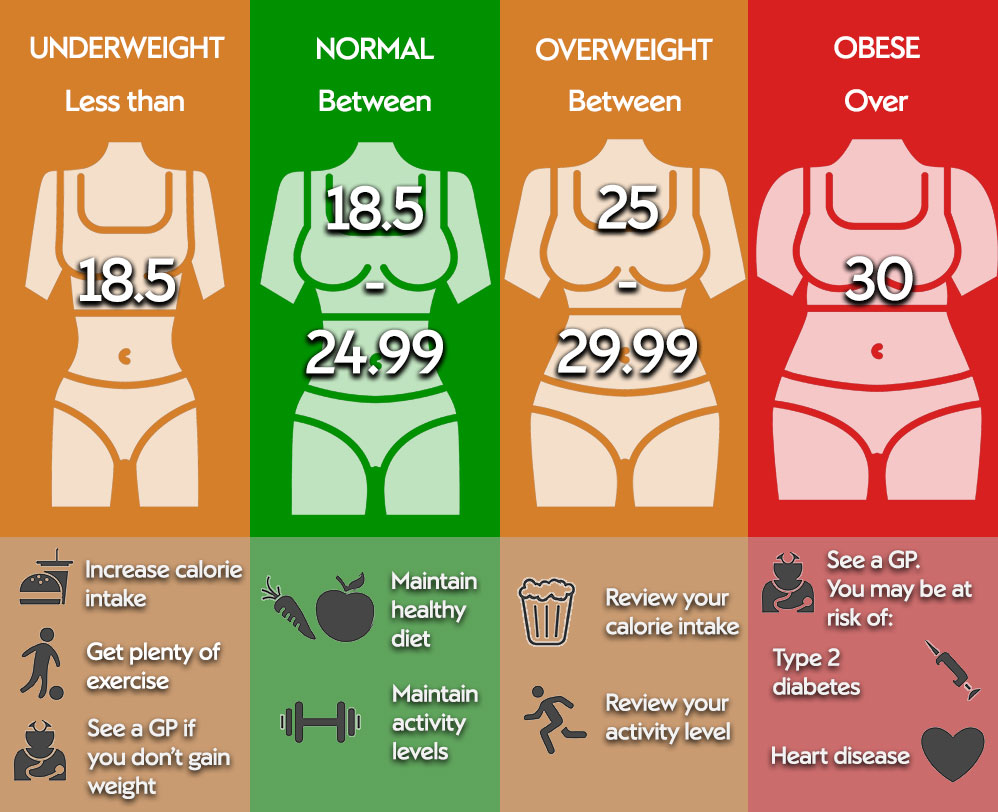
The question “what BMI is considered underweight” has a simple numerical answer (18.5), but within the world of technology, it serves as a gateway to a massive infrastructure of data, sensors, and intelligence. We are moving away from a world where we are defined by a single number on a scale and toward a future where our health status is a dynamic, multi-dimensional digital profile.
From the precision of the algorithms used in mobile apps to the sophisticated AI models that predict health risks, technology is providing the context that the BMI formula lacks. As wearables become more integrated into our lives and AI becomes more adept at interpreting our biometrics, the “underweight” classification will become just one of many signals in a comprehensive digital health ecosystem. For the tech industry, the goal is clear: use data not just to categorize users, but to empower them with the insights they need to live healthier, more informed lives.
aViewFromTheCave is a participant in the Amazon Services LLC Associates Program, an affiliate advertising program designed to provide a means for sites to earn advertising fees by advertising and linking to Amazon.com. Amazon, the Amazon logo, AmazonSupply, and the AmazonSupply logo are trademarks of Amazon.com, Inc. or its affiliates. As an Amazon Associate we earn affiliate commissions from qualifying purchases.