
In the modern marketplace, few products have undergone a transformation as radical as sauerkraut. Historically viewed in Western markets as a humble, pungent side dish associated with survivalist winters or niche cultural heritage, sauerkraut has been successfully rebranded into a high-end “functional superfood.” This shift was not accidental; it was the result of a sophisticated alignment between brand strategy, shifting consumer psychology, and the masterful leverage of the wellness industrial complex.
To understand the benefits of sauerkraut from a brand perspective is to understand the power of narrative transformation. It serves as a masterclass in how a commodity can be elevated to a premium lifestyle product. This article examines the strategic branding pillars that allowed sauerkraut to transition from the back of the pantry to the forefront of the global health and wellness market.

Rebranding Tradition: From Grandparent’s Jar to Premium Superfood
The primary challenge for sauerkraut brands a decade ago was an image problem. For the “Gen Z” and “Millennial” demographics, the product lacked aesthetic appeal and was often associated with a “smelly” kitchen or industrial-grade canned food. The first benefit of the sauerkraut revolution was the demonstration of how Identity Design can override long-standing cultural biases.
Overcoming the Aesthetic Hurdle
Traditional sauerkraut packaging was utilitarian—clear glass jars with basic labels or, worse, metallic cans that suggested a shelf life of decades. Modern brand leaders in the space, such as Farmhouse Culture or Wildbrine, reimagined the visual language of fermentation. They moved toward minimalist, clean-label designs that mirrored the aesthetics of high-end skincare or boutique coffee. By using matte finishes, vibrant colors, and transparent windows that showcased the “vibrancy” of the vegetables, these brands communicated freshness and vitality rather than preservation.
The Power of Heritage Storytelling
While the aesthetics modernized, the narrative leaned heavily into “heritage.” Brands realized that in a world of ultra-processed foods, consumers crave authenticity. The “benefit” of sauerkraut in a branding context is its inherent story of time and patience. By highlighting “old-world methods” and “wild fermentation,” brands positioned themselves as the antithesis of the industrial food system. They turned a simple chemical process—lactic acid fermentation—into a romanticized craft, similar to the artisanal sourdough or craft beer movements.
The Probiotic Premium: Leveraging Health Claims for Brand Authority
The meteoric rise of sauerkraut is inextricably linked to the “Gut Health” boom. From a brand strategy standpoint, sauerkraut became the physical embodiment of the probiotic trend. This allowed brands to move away from selling “cabbage” and start selling “wellness outcomes.”
Establishing Scientific Credibility
A brand is only as strong as the trust it commands. To command a premium price—often five to six times the cost of raw cabbage—sauerkraut brands had to establish themselves as health authorities. This involved “The Science of the Microbe.” Brands began collaborating with nutritionists and leveraging emerging studies on the microbiome. By focusing on “live and active cultures,” they successfully differentiated “raw” sauerkraut from the pasteurized, shelf-stable versions found in the center aisles of grocery stores. This created a “Value Gap” that consumers were willing to pay for.
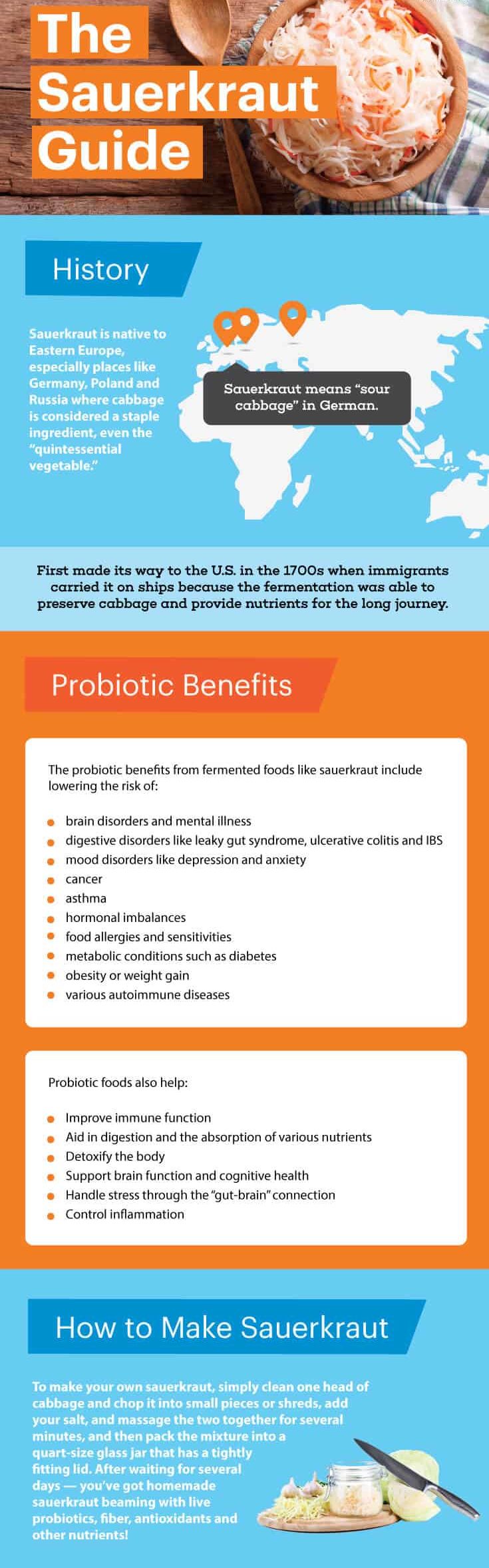
Packaging the Invisible: The Microbe Marketing
Marketing a product based on something the consumer cannot see—bacteria—is a significant branding feat. Successful brands utilized infographics and educational content to make the benefits of fermentation tangible. They didn’t just list ingredients; they explained the ecosystem within the jar. This educational approach turned the consumer into a “connoisseur” of their own internal health. In branding, when you educate your customer, you build a loyalty loop that is difficult for competitors to break.
Market Positioning: The Rise of Artisanal and Craft Fermentation
Sauerkraut has become a textbook case of Market Segmentation. By diversifying the product and its positioning, brands have managed to capture different tiers of the consumer market, from the budget-conscious health seeker to the luxury epicurean.
Differentiation in a Crowded Grocery Aisle
As the “refrigerated pickles and kraut” section expanded, brands had to innovate through flavor profiles. We saw the introduction of “Fusion Krauts”—ginger-beet, turmeric-garlic, and smoked jalapeño. This diversification did more than just offer variety; it positioned sauerkraut as a culinary condiment rather than just a health supplement. From a brand perspective, this increased the “usage occasions” for the product. If a consumer views kraut as a taco topping, a salad booster, and a snack, the brand’s “share of stomach” increases exponentially.
The “Small-Batch” Halo Effect
Even as these companies scaled, many maintained a “small-batch” brand identity. This is a deliberate strategy to preserve the artisanal “halo.” Consumers are increasingly skeptical of “Big Food,” so sauerkraut brands often use language that emphasizes local sourcing and hand-packed jars. This positioning allows them to occupy a space in the market that feels personal and curated. The benefit here is the ability to maintain premium pricing even as production scales, provided the brand story remains rooted in the “craft” ethos.
Lessons in Product Lifecycle: Sustaining Momentum in the Functional Food Space
The final branding benefit of the sauerkraut phenomenon is the lesson in longevity. Many “superfood” trends—like wheatgrass or charcoal—peak and then fade as fads. Sauerkraut, however, has shown remarkable staying power. This is due to a brand strategy that focuses on integration rather than isolation.
Adapting to Flavor Trends
Brand longevity requires the ability to pivot. As global flavor profiles become more popular, sauerkraut brands have successfully integrated with other fermented categories, such as Kimchi. By positioning sauerkraut as part of a broader “fermented lifestyle” brand, companies ensure they aren’t tied to a single ingredient. They are selling a process and a benefit, not just a vegetable. This allows for horizontal brand extensions into fermented drinks (kvass) or probiotic dressings.

Building a Community Around Gut Health
The most successful wellness brands don’t just sell products; they foster communities. Sauerkraut brands have excelled at this by utilizing social media to share recipes, fermentation DIY tips, and wellness challenges. By moving the brand from the grocery store into the consumer’s lifestyle, they create an emotional resonance. The “benefit” of the product becomes the feeling of being part of a health-conscious, informed tribe.
In conclusion, the transformation of sauerkraut is a testament to the power of strategic brand positioning. By taking a traditional, low-value product and wrapping it in a narrative of scientific innovation, artisanal craft, and aesthetic modernism, the wellness industry has created a multibillion-dollar category. For brand strategists and marketers, the lesson is clear: any product, no matter how humble, can be reimagined as an essential lifestyle component if the brand story aligns with the deepest desires and values of the contemporary consumer. The “benefit” of sauerkraut isn’t just in the jar; it’s in the expertly crafted identity that makes the consumer feel better about their health, their taste, and their place in the world.
aViewFromTheCave is a participant in the Amazon Services LLC Associates Program, an affiliate advertising program designed to provide a means for sites to earn advertising fees by advertising and linking to Amazon.com. Amazon, the Amazon logo, AmazonSupply, and the AmazonSupply logo are trademarks of Amazon.com, Inc. or its affiliates. As an Amazon Associate we earn affiliate commissions from qualifying purchases.