
In the history of the pharmaceutical industry, few breakthroughs have transcended clinical success to become global economic phenomena. However, the rise of GLP-1 (Glucagon-like peptide-1) receptor agonists has done exactly that. What began as a targeted treatment for Type 2 diabetes has evolved into a multi-billion-dollar asset class that is reshaping investment portfolios, disrupting the consumer staples sector, and altering the fiscal projections of national healthcare systems. For the modern investor and business professional, understanding GLP-1 is no longer just about medicine; it is about understanding one of the most significant financial shifts of the 21st century.

The GLP-1 Market: A Multi-Billion Dollar Financial Frontier
To understand the financial gravity of GLP-1, one must first look at the sheer scale of the Total Addressable Market (TAM). Obesity and its related metabolic complications represent a global health crisis with staggering economic costs. Traditionally, weight management was viewed through the lens of lifestyle choices, but the commercialization of GLP-1 drugs like semaglutide and tirzepatide has shifted the paradigm toward a chronic disease management model.
The Gold Rush of Metabolic Health
Financial analysts from firms like Goldman Sachs and Morgan Stanley have revised their market projections upward at a blistering pace. Current estimates suggest the GLP-1 market could exceed $100 billion by 2030. This growth is driven by a unique “perfect storm” of high patient demand, a chronic treatment cycle (often requiring long-term or lifelong administration), and significant pricing power. Unlike one-off curative treatments, GLP-1s represent a recurring revenue model that provides predictable cash flows for the manufacturers.
The Supply and Demand Equilibrium
The primary constraint on the GLP-1 economy currently is not demand, but supply. The manufacturing process for these biologics is complex, involving specialized injectable pens and sophisticated fermentation processes. From a business perspective, the “moat” around these products is high. Capital expenditure (CapEx) for new manufacturing facilities runs into the billions, creating a barrier to entry that prevents smaller players or generic manufacturers from entering the space quickly. For investors, this supply-side constraint has turned every production update from major manufacturers into a market-moving event.
The Financial Impact on Pharmaceutical Giants
The GLP-1 revolution has fundamentally restructured the leaderboard of the global healthcare sector. Two companies, Novo Nordisk and Eli Lilly, have emerged as the dominant players in this duopoly, seeing their market capitalizations soar to historic heights.
Eli Lilly and Novo Nordisk: The Duopoly Analysis
Novo Nordisk’s Ozempic and Wegovy, alongside Eli Lilly’s Mounjaro and Zepbound, are the current engines of growth for their respective firms. Novo Nordisk’s market cap recently surpassed the entire GDP of its home country, Denmark, illustrating how a single pharmaceutical breakthrough can influence national accounts. Eli Lilly, meanwhile, has flirted with a trillion-dollar valuation, driven largely by the speculative and realized gains of its GLP-1 pipeline.
From a corporate finance perspective, these companies are currently generating massive free cash flow. This liquidity allows them to aggressively pursue M&A (Mergers and Acquisitions), buying up biotech startups that offer next-generation delivery methods—such as oral GLP-1 pills—to protect their market share. The investment thesis here is not just based on current sales, but on the “platform” potential of these molecules to treat other high-cost conditions like sleep apnea, cardiovascular disease, and fatty liver disease (MASH).
R&D Reinvestment and Pipeline Expansion
The profitability of GLP-1 drugs is being funneled back into Research and Development at an unprecedented rate. For a pharmaceutical company, the lifeblood of long-term valuation is the “patent cliff.” By reinvesting GLP-1 profits into second and third-generation iterations—such as “triple agonists” that target GLP-1, GIP, and Glucagon receptors—these firms are effectively extending their dominance for decades. For the investor, this creates a compounding effect where the current success of one drug finances the future monopoly of the next.
Economic Ripple Effects Beyond Big Pharma
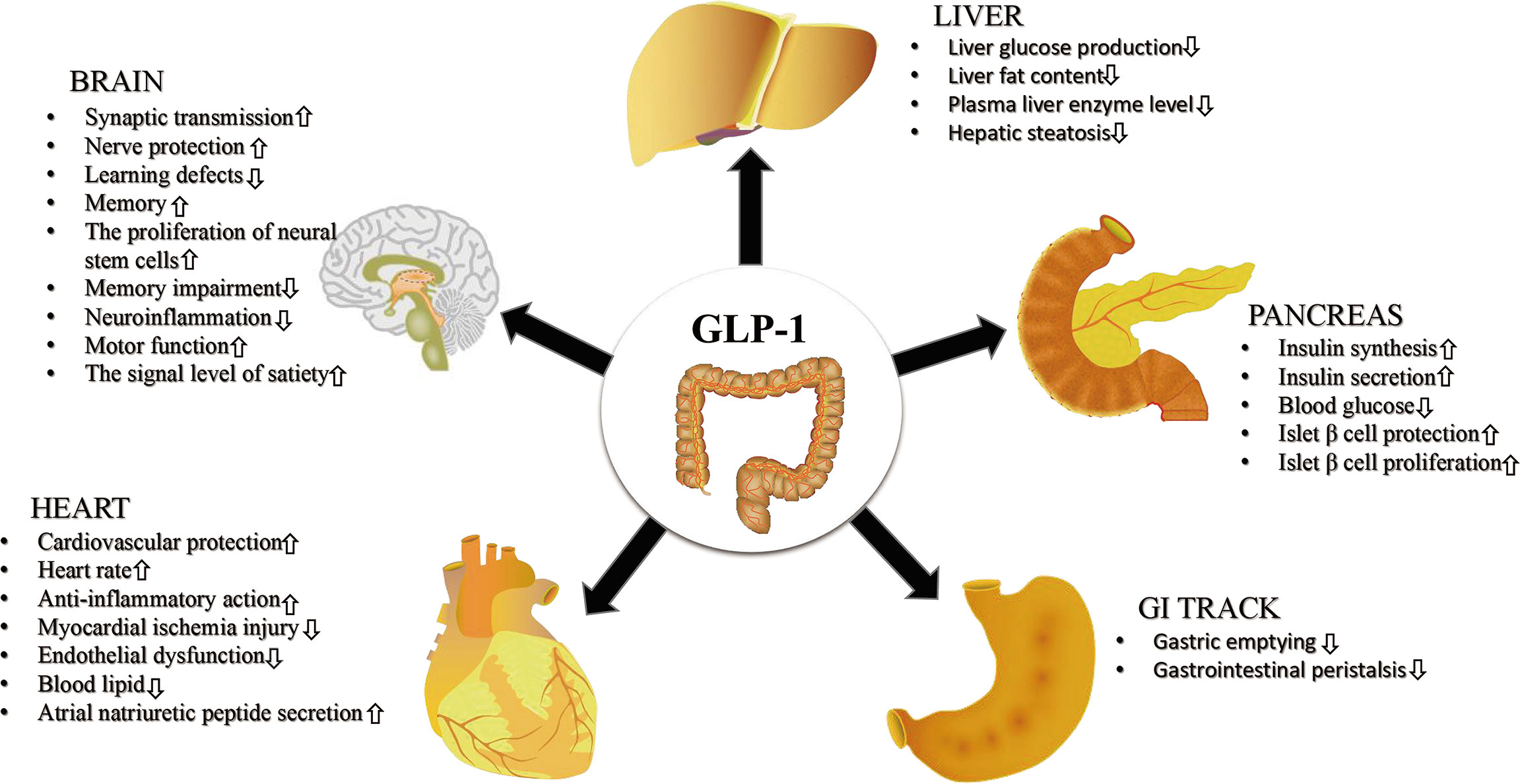
The financial implications of GLP-1 extend far beyond the pharmacy counter. As a significant portion of the population begins to suppress their appetite and change their consumption habits, entire industries are facing an existential “GLP-1 risk.”
The Disruption of the Food and Beverage Industry
The consumer staples sector—specifically companies involved in high-calorie snacks, sugary beverages, and fast food—has already seen volatility linked to GLP-1 adoption. If 10% or 20% of the American population reduces their caloric intake by 20% to 30%, the impact on the bottom lines of companies like PepsiCo, McDonald’s, and Nestlé could be profound.
Investors are now performing “GLP-1 sensitivity analyses” on food stocks. Companies are responding by pivoting their branding and product development toward “nutrient-dense” or “protein-forward” offerings designed to complement a GLP-1 lifestyle. This shift represents a massive reallocation of marketing and R&D budgets across the global food supply chain.
Insurance, Employers, and the Cost of Coverage
One of the most complex financial battles involving GLP-1 is taking place in the boardrooms of insurance companies and HR departments. At a list price of roughly $1,000 per month in the U.S., the cost of providing GLP-1 coverage to a large workforce is staggering.
However, the “Money” argument for coverage lies in the long-term ROI (Return on Investment). By reducing the prevalence of diabetes, heart disease, and orthopedic surgeries, GLP-1s could theoretically lower long-term healthcare liabilities. The financial tension currently lies in the “time-to-value”: insurance companies often lose a member to a competitor before the long-term savings of weight loss are realized. This has led to a fragmented market where some employers embrace the drugs as a recruitment and retention tool, while others restrict access to protect their current fiscal year margins.
Investment Strategies: How to Navigate the GLP-1 Boom
For those looking to capitalize on this trend, the investment landscape offers several pathways, each with its own risk-reward profile.
Direct Equity vs. Sector ETFs
The most direct way to gain exposure is through the “pure plays”—Eli Lilly and Novo Nordisk. However, these stocks now trade at premium price-to-earnings (P/E) ratios, reflecting high expectations.
A more diversified approach involves sector-specific ETFs that focus on biotechnology or healthcare innovation. These funds capture the “surrounding” economy of GLP-1, including the contract manufacturing organizations (CMOs) that help produce the drugs and the medical device companies that manufacture the delivery systems. As the market matures, the “picks and shovels” of the GLP-1 industry—the suppliers and manufacturers—may offer more stable returns than the volatile drug developers themselves.
Risks and Regulatory Volatility
No financial analysis of GLP-1 is complete without addressing the risks. The two primary threats to the GLP-1 economy are drug pricing legislation and safety concerns. In the United States, the Inflation Reduction Act (IRA) gives the government more power to negotiate drug prices, which could compress margins in the coming years. Additionally, any long-term side effects that emerge as millions of people use these drugs for years could result in massive litigation costs and a collapse in stock prices. Investors must weigh the “blockbuster” potential against these systemic regulatory and legal risks.

The Future Outlook: A New Standard for Global Productivity?
In the long run, the GLP-1 phenomenon may be viewed as a significant driver of global economic productivity. Chronic illness is one of the greatest drains on the global labor force, leading to absenteeism and reduced cognitive performance. If GLP-1 drugs can successfully move the needle on population health, the resulting increase in “human capital” value could be the most significant financial legacy of these medications.
We are currently in the “early-adoption” phase of this financial cycle. As manufacturing scales, prices eventually stabilize, and insurance hurdles are cleared, the GLP-1 economy will likely integrate into the broader market as a foundational pillar of the healthcare sector. For the savvy investor, the goal is to look past the hype and understand the structural shifts in consumer behavior and corporate spending that these drugs have set in motion. GLP-1 is no longer just a medical breakthrough; it is a permanent fixture of the global financial landscape.
aViewFromTheCave is a participant in the Amazon Services LLC Associates Program, an affiliate advertising program designed to provide a means for sites to earn advertising fees by advertising and linking to Amazon.com. Amazon, the Amazon logo, AmazonSupply, and the AmazonSupply logo are trademarks of Amazon.com, Inc. or its affiliates. As an Amazon Associate we earn affiliate commissions from qualifying purchases.