
When most people hear the term “Betta fish,” they picture a small, vibrant creature in a plastic bowl on a teenager’s desk. However, in the world of niche investments and micro-entrepreneurship, Betta fish represent something far more significant: a high-margin, scalable business opportunity with a global reach. For the savvy investor or the side-hustle enthusiast, understanding “what are Betta fish” means looking past the fins and scales to see a biological asset with a staggering Return on Investment (ROI).
The Betta fish (Betta splendens) market has evolved from a hobbyist’s pastime into a sophisticated economy driven by genetic rarity, aesthetic demand, and digital marketplaces. This article explores the financial landscape of the Betta industry, analyzing how these ornamental fish function as profitable business assets and how entrepreneurs can capitalize on this specialized niche.
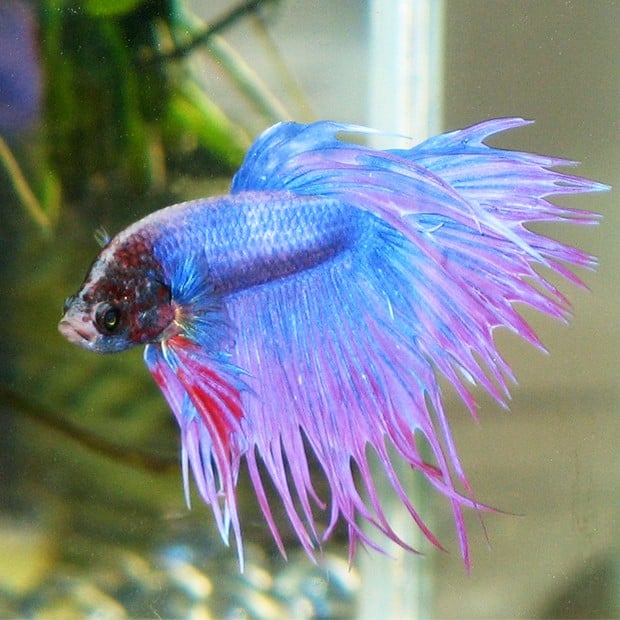
The Economics of Betta Breeding: Why These Fish are Assets, Not Just Pets
To understand the financial allure of Betta fish, one must first view them through the lens of supply and demand. Unlike common goldfish, which are mass-produced with little variation, Bettas are “designer” products. Their value is derived from their DNA—specifically, the rarity of their color patterns and fin structures.
Understanding Market Demand for Rare Genotypes
The primary driver of the Betta market is the quest for the “perfect” specimen. Collectors and high-end aquarists are often willing to pay premiums for specific varieties such as the “Koi Betta,” “Alien Betta,” or the “Halfmoon Avatar.” In the world of business finance, these are comparable to limited-edition luxury goods. A standard blue Betta might retail for $5, but a perfectly symmetrical, rare-colored “Copper Koi Galaxy” can fetch upwards of $100 to $500 in online auctions.
By focusing on high-value genotypes, a breeder can maintain a smaller inventory while maximizing revenue. This is a classic example of high-margin, low-volume business strategy. The ability to produce a “grand champion” line is equivalent to developing a proprietary technology or a patented formula; it provides a competitive moat that allows for premium pricing.
Low Overhead and Scalability
From a business finance perspective, the Betta trade offers an exceptionally low barrier to entry. Because Bettas are labyrinth fish (meaning they can breathe atmospheric air), they do not require the massive, expensive filtration systems needed for larger species or saltwater setups. An entrepreneur can start a breeding operation in a small climate-controlled room.
The scalability of this model is its greatest strength. A single successful spawning can result in 100 to 500 offspring. If even 10% of those offspring are “show quality” and sell for $50 each, the gross revenue from one mating cycle can reach $2,500. When weighed against the minimal costs of water, electricity, and high-protein feed, the profit margins often exceed 70-80%.
Strategic Investment: Setting Up Your Profitable Betta Lab
Transitioning from a hobbyist to a professional breeder requires a shift from “pet care” to “operational management.” The initial capital expenditure (CAPEX) for a professional Betta lab is relatively modest compared to other brick-and-mortar businesses, but it must be allocated strategically to ensure long-term viability.
Infrastructure and Life Support Systems
The most critical investment is in environmental control. While individual Bettas are hardy, their “marketability”—the quality of their fins and the vibrancy of their colors—is directly tied to water quality and temperature consistency. Professional breeders invest in centralized heating systems and automated water change setups.
Reducing the “labor per unit” is the key to profitability. If a breeder spends 10 minutes per day on each fish, they are capped by the hours in a day. By investing in efficient rack systems and siphoning tools, an entrepreneur can manage hundreds of individual “inventory units” (fish) with minimal daily time investment, thereby increasing the business’s overall operating leverage.
Feed and Maintenance as Operating Expenses (OPEX)
In the Betta business, the quality of inputs determines the value of the output. High-quality live cultures—such as brine shrimp, daphnia, and microworms—are the “raw materials” of this production line. While these are more expensive than flake food, the investment pays off in faster growth rates and better coloration, which in turn leads to a faster turnover of inventory and higher sales prices. Smart financial management involves balancing the cost of these premium feeds against the projected market value of the current fry (young fish) batches.

Marketing Your Brand: Reaching the Global Aquarist Market
In the digital age, a Betta business is as much a media company as it is an aquaculture venture. Because the product is visually stunning, it is perfectly suited for modern digital marketing strategies.
Leveraging E-commerce and Social Media
The most successful Betta entrepreneurs do not sell to local pet stores, which often buy at wholesale prices that squeeze margins. Instead, they utilize a Direct-to-Consumer (DTC) model. Platforms like Instagram, TikTok, and specialized auction sites like AquaBid allow breeders to showcase individual fish to a global audience.
High-quality photography and videography act as the primary marketing collateral. In this niche, a 15-second “flare” video of a Betta showing off its fins can go viral, driving thousands of potential buyers to an e-commerce store. This digital-first approach eliminates the middleman, allowing the breeder to capture 100% of the retail price.
Shipping Logistics and Risk Management
One of the most complex aspects of the Betta “Money” niche is logistics. Shipping live animals requires specialized packaging, heat or cold packs, and overnight courier services. From a business standpoint, this introduces a unique risk: DOA (Dead on Arrival).
Professional breeders mitigate this financial risk through “Trans-shipping” networks. By partnering with licensed importers and exporters, a breeder in Southeast Asia can sell to a buyer in the United States with minimal risk. Establishing these logistical partnerships is a form of supply chain management that ensures the business can scale internationally without being crippled by shipping losses.
Financial Growth Strategies: Moving from Hobbyist to Professional Breeder
To sustain a Betta business in the long term, an entrepreneur must look beyond the immediate sale and focus on diversified revenue streams and financial sustainability.
Diversifying Income Streams
The most resilient businesses in the aquatic industry do not rely solely on the sale of live fish. Market volatility and biological risks (such as disease) make “single-source” income dangerous. Successful Betta entrepreneurs often diversify by:
- Selling Proprietary Feed: Developing and branding their own specialized Betta pellets or growth formulas.
- Educational Content: Monetizing their expertise through YouTube ad revenue, e-books, or “Masterclass” style breeding courses.
- Affiliate Marketing: Partnering with aquarium equipment manufacturers to earn commissions on tanks, heaters, and filters recommended to their followers.
This creates a “flywheel effect” where the fame of the fish drives traffic to the educational content, which in turn sells the equipment and the fish themselves.
Tax Implications and Business Registration
As a side hustle grows into a five- or six-figure business, financial formalization becomes necessary. Treating the Betta lab as a legal entity (such as an LLC) allows the owner to deduct business expenses—including portions of their home utility bills, equipment costs, and travel to international fish shows. Understanding the tax code surrounding “livestock” and “agricultural products” can save a breeder thousands of dollars annually, significantly impacting the net profit.
Conclusion: The Future of the Betta Economy
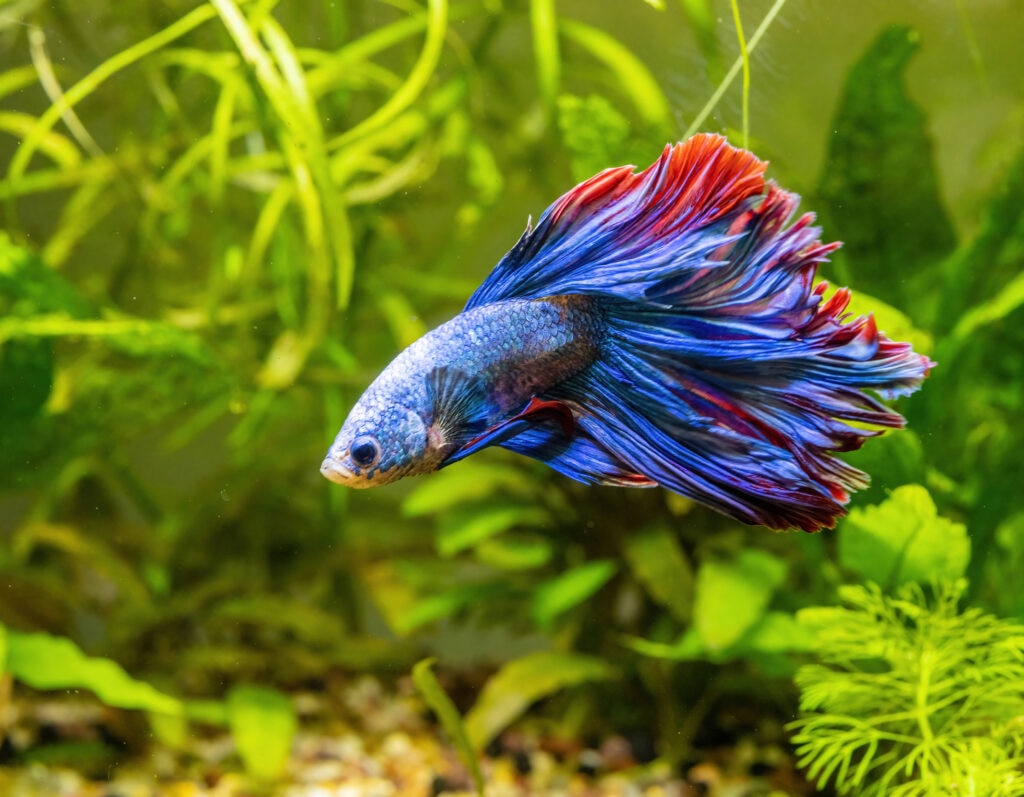
What are Betta fish? To the casual observer, they are beautiful pets. To the entrepreneur, they are high-performing biological assets in a thriving, recession-resistant niche market. The combination of low overhead, high margins, and a global, digitally-connected customer base makes Betta breeding one of the most intriguing micro-business opportunities in the modern economy.
Success in this field requires more than just a love for fish; it requires a disciplined approach to capital investment, a strategic understanding of genetic value, and a modern approach to digital brand building. For those willing to master both the biology and the business, the Betta fish is not just a pet—it is a pathway to a sophisticated and profitable enterprise.
aViewFromTheCave is a participant in the Amazon Services LLC Associates Program, an affiliate advertising program designed to provide a means for sites to earn advertising fees by advertising and linking to Amazon.com. Amazon, the Amazon logo, AmazonSupply, and the AmazonSupply logo are trademarks of Amazon.com, Inc. or its affiliates. As an Amazon Associate we earn affiliate commissions from qualifying purchases.