
Understanding the operating hours of a major financial institution like Bank of America is about more than just knowing when the front doors unlock. In the modern financial landscape, “banking hours” encompass a complex ecosystem of physical branch access, digital availability, and the processing timelines that dictate when your money actually moves. Whether you are looking to deposit a physical check, consult with a mortgage specialist, or execute a high-value wire transfer, knowing the temporal boundaries of the banking world is essential for effective personal and business finance management.
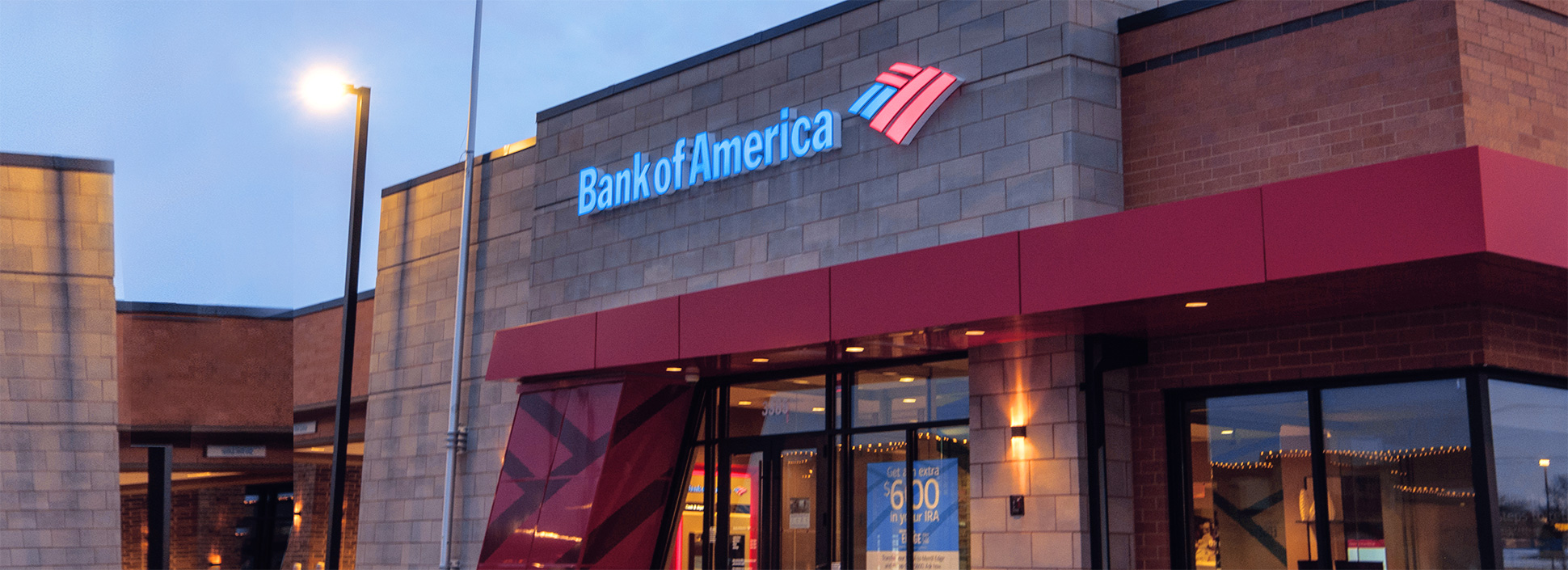
Understanding Bank of America’s Standard Operating Schedules
For many, the physical branch remains the cornerstone of their banking experience. Despite the rise of digital tools, certain high-stakes financial activities—such as obtaining a cashier’s check, accessing a safe deposit box, or notarizing legal documents—require a face-to-face encounter. Bank of America, as one of the “Big Four” banks in the United States, maintains a vast network of branches, but their hours are not strictly uniform across the country.
Weekday and Weekend Availability
Most Bank of America branches operate on a standard weekday schedule, typically opening at 9:00 AM or 10:00 AM and closing between 4:00 PM and 5:00 PM. However, in major metropolitan hubs or retail-heavy areas (such as branches located within shopping centers), you may find extended hours reaching until 6:00 PM.
Saturday service is common but not universal. Many branches open for a limited window on Saturdays—often from 9:00 AM to 1:00 PM or 2:00 PM. It is important to note that nearly all Bank of America physical locations are closed on Sundays. For those with traditional work schedules, planning a visit during these limited Saturday windows or utilizing a lunch break is a critical component of financial planning.
Federal Holidays and Their Impact on Liquidity
Bank of America follows the schedule set by the Federal Reserve System. This means that on federally recognized holidays, branches are closed and, more importantly, the “money movers” stop. If a holiday falls on a Monday, a check deposited late on a Friday may not begin processing until Tuesday.
Key holidays to watch for include:
- New Year’s Day
- Martin Luther King, Jr. Day
- Presidents’ Day
- Memorial Day
- Juneteenth National Independence Day
- Independence Day
- Labor Day
- Columbus Day (Indigenous Peoples’ Day)
- Veterans Day
- Thanksgiving Day
- Christmas Day
Understanding this calendar is vital for small business owners and individuals who need to ensure funds are available for rent, payroll, or mortgage payments.
The 24/7 Digital Banking Ecosystem
While physical branches have set hours, the modern “Money” niche is defined by 24/7 accessibility. Bank of America has invested heavily in digital infrastructure to ensure that the majority of personal finance tasks can be completed regardless of the time of day.
The Power of the Mobile App and Online Banking
The Bank of America mobile app serves as a “branch in your pocket.” Through the app, users can perform roughly 90% of traditional banking tasks outside of standard hours. This includes:
- Mobile Check Deposits: Using a smartphone camera to deposit funds instantly.
- Internal Transfers: Moving money between checking, savings, and credit card accounts.
- Zelle Integration: Sending and receiving peer-to-peer payments in real-time.
- Bill Pay: Scheduling payments to utilities, landlords, or creditors.
While the action of depositing a check can happen at 2:00 AM on a Sunday, users must distinguish between “deposit time” and “availability time.” Digital banking provides the convenience of submission, but the underlying financial logic still adheres to federal processing cycles.
ATM Networks and Advanced Functionality
Bank of America’s ATM network is one of the largest in the world. Modern ATMs have evolved far beyond simple cash dispensers. Many “Financial Centers” now feature automated assistants and advanced ATMs that allow for:
- Choice of bill denominations ($1, $5, $20, $100).
- Check deposits without envelopes.
- Credit card payments.
- Cardless access using digital wallets like Apple Pay or Google Pay.
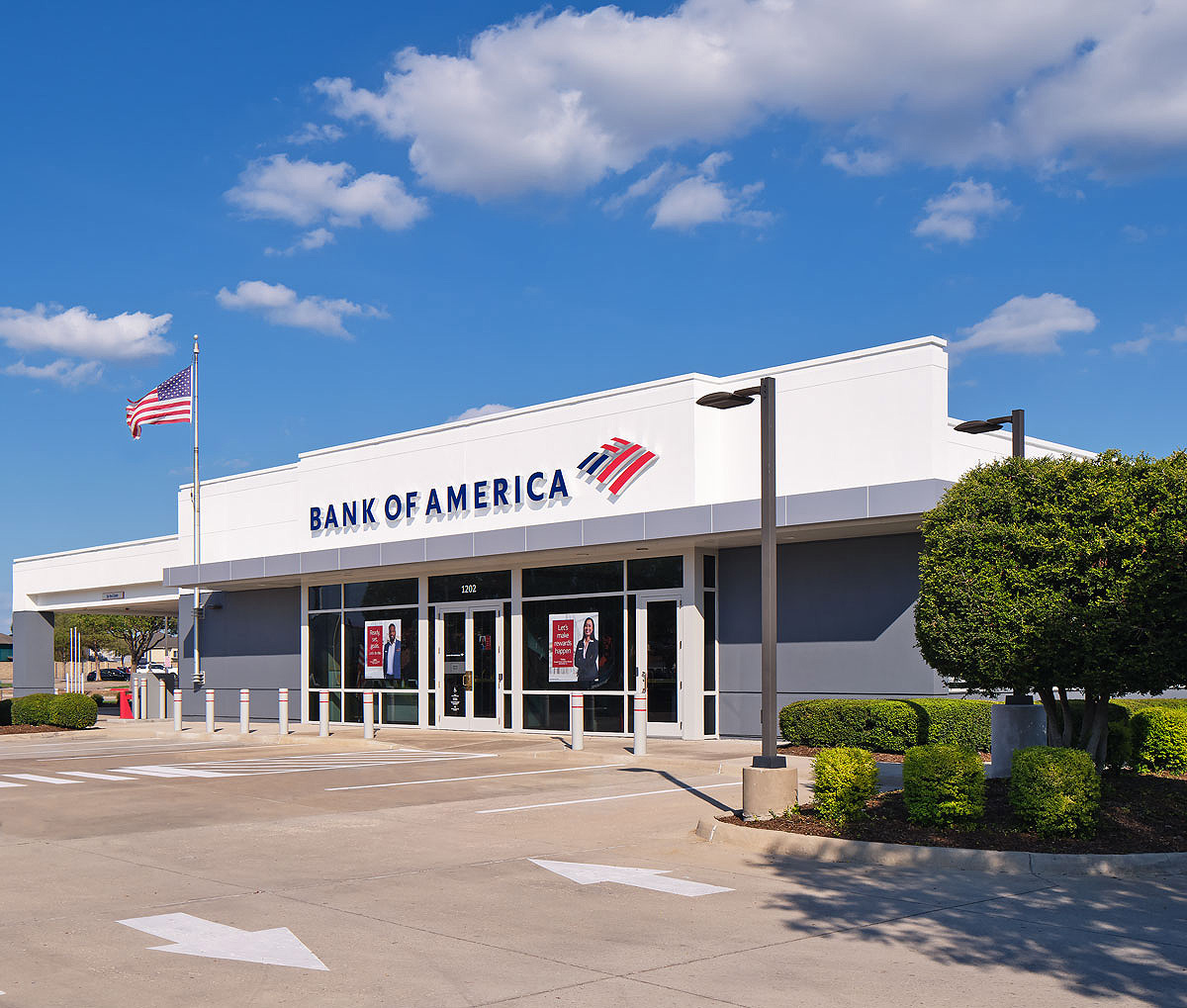
These machines are typically accessible 24 hours a day, providing a vital bridge for those who need to handle cash or physical deposits outside of standard business hours.
Strategic Banking: How Timing Affects Your Cash Flow
In the world of finance, time is literally money. Knowing when a bank “closes” its books for the day—the “cutoff time”—is often more important than knowing when the physical doors lock. This is where professional financial management deviates from casual banking.
Understanding Cutoff Times for Transactions
Every financial institution has a daily cutoff time. If you initiate a transfer or deposit after this time, the bank treats the transaction as if it happened the following business day. For Bank of America, cutoff times for mobile deposits and ATM transactions often hover around 8:00 PM or 9:00 PM ET, but these can vary by location and account type.
If you are managing a side hustle or a small business, missing a cutoff time by five minutes on a Friday evening could mean your funds won’t be “officially” deposited until Monday, and might not be fully available for withdrawal until Tuesday or Wednesday. This delay can lead to overdraft fees or missed payment deadlines if not managed strategically.
Scheduling Consultations for Major Financial Milestones
For complex financial products—such as mortgages, auto loans, or Merrill investment accounts—Bank of America encourages (and often requires) appointments. These appointments usually fall strictly within standard business hours.
To maximize your financial health, it is wise to treat these meetings as professional consultations. Using the online “Schedule an Appointment” tool allows you to secure a time with a specialist (e.g., a Notary, a Small Business Banker, or a Lending Officer) ensuring that when you do visit during banking hours, your time is used efficiently. This prevents the “waiting in the lobby” syndrome that often plagues unprepared bank visitors.
Specialized Services and Business Finance Considerations
For business owners and high-net-worth individuals, Bank of America’s hours and service tiers offer different levels of support. Business banking often involves higher transaction volumes and more complex needs, such as wire transfers and payroll management.
Wire Transfers and International Banking
Wire transfers are time-sensitive. Domestic wires typically need to be initiated before 5:00 PM ET to be processed on the same day. International wires have even stricter windows due to the varying time zones of recipient banks and the intervention of intermediary banks. If you are involved in online income or international trade, understanding these windows is non-negotiable. A delay in a wire transfer can halt a supply chain or delay a real estate closing, making the “hours” of the wire desk some of the most critical in the industry.
Merrill Investment Integration
Bank of America’s integration with Merrill (formerly Merrill Lynch) adds another layer to the concept of banking hours. While you can view your investment portfolio 24/7, the actual trading of stocks, bonds, and ETFs is bound by the hours of the New York Stock Exchange (NYSE) and NASDAQ (9:30 AM to 4:00 PM ET).
For those looking to leverage their bank balance for investments, the synergy between a Bank of America checking account and a Merrill Edge brokerage account allows for near-instant transfers of “dry powder” into investment vehicles—but only if the markets are open. Understanding how these two entities interact within the constraints of the business day is a hallmark of sophisticated personal finance management.

Conclusion: Mastering the Clock for Financial Success
While the question “What are Bank of America’s hours?” has a simple literal answer, the financial implications are deep. In an era where digital tools provide the illusion of constant movement, the reality of the global financial system is still anchored in traditional business cycles, federal holidays, and daily cutoff times.
To master your money, you must master the schedule. This means using the mobile app for routine maintenance, utilizing 24-hour ATMs for cash needs, and strategically planning branch visits for complex advisory services. By aligning your financial activities with the bank’s operational windows, you ensure maximum liquidity, avoid unnecessary fees, and maintain the momentum necessary for long-term wealth building. Whether you are a student managing a first checking account or an entrepreneur overseeing a business empire, the clock is a fundamental tool in your financial arsenal.
aViewFromTheCave is a participant in the Amazon Services LLC Associates Program, an affiliate advertising program designed to provide a means for sites to earn advertising fees by advertising and linking to Amazon.com. Amazon, the Amazon logo, AmazonSupply, and the AmazonSupply logo are trademarks of Amazon.com, Inc. or its affiliates. As an Amazon Associate we earn affiliate commissions from qualifying purchases.