
The landscape of modern dining has undergone a radical transformation, moving from physical menus and phone calls to sophisticated digital interfaces and real-time logistics. When we ask “what apps deliver food,” we are not merely asking for a list of names; we are inquiring about a complex technological infrastructure that bridges the gap between culinary production and consumer convenience. The food delivery sector has become one of the most significant frontiers for software innovation, utilizing cloud computing, geospatial data, and artificial intelligence to redefine the “last-mile” delivery problem.
The Evolution of the Food Delivery Tech Stack
The transition from a restaurant’s local delivery boy to a globalized, app-based ecosystem was driven by advancements in mobile software and internet connectivity. Understanding how these apps function requires a look at the layers of technology that make them possible.
From Static Listings to Dynamic APIs
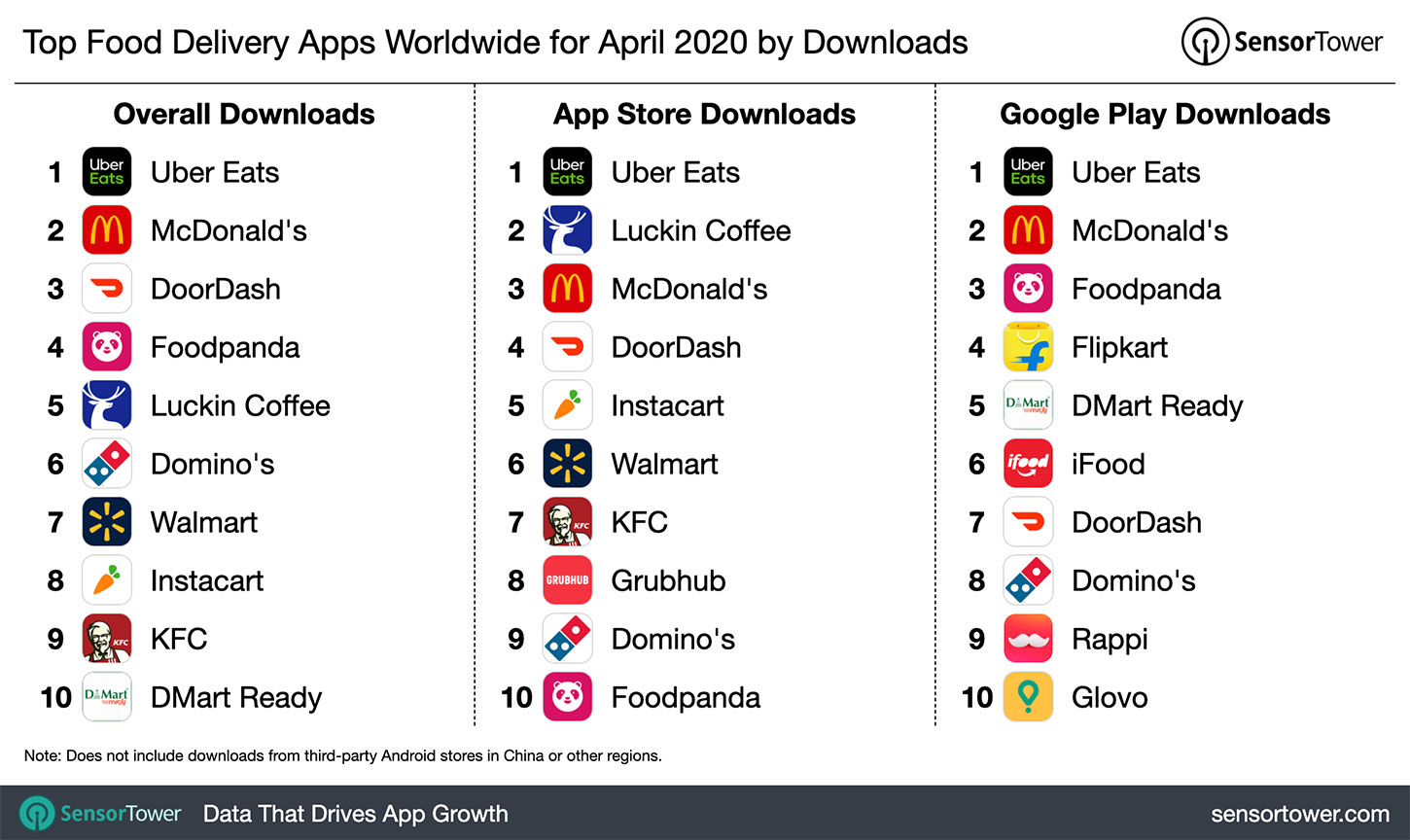
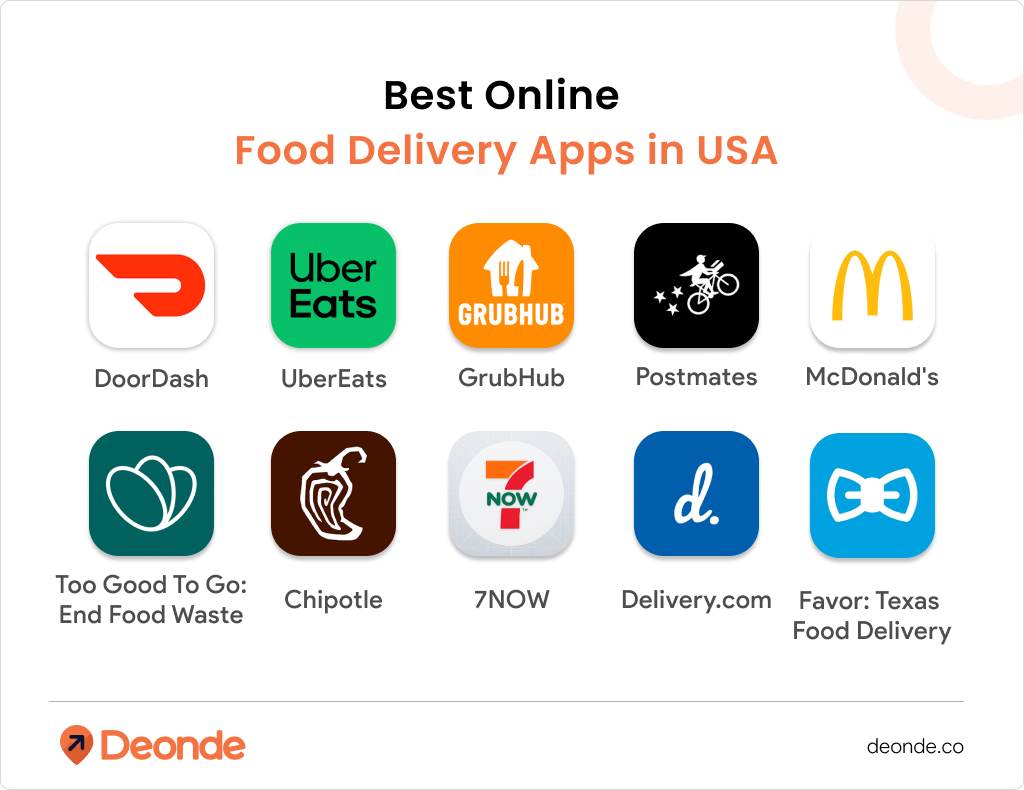
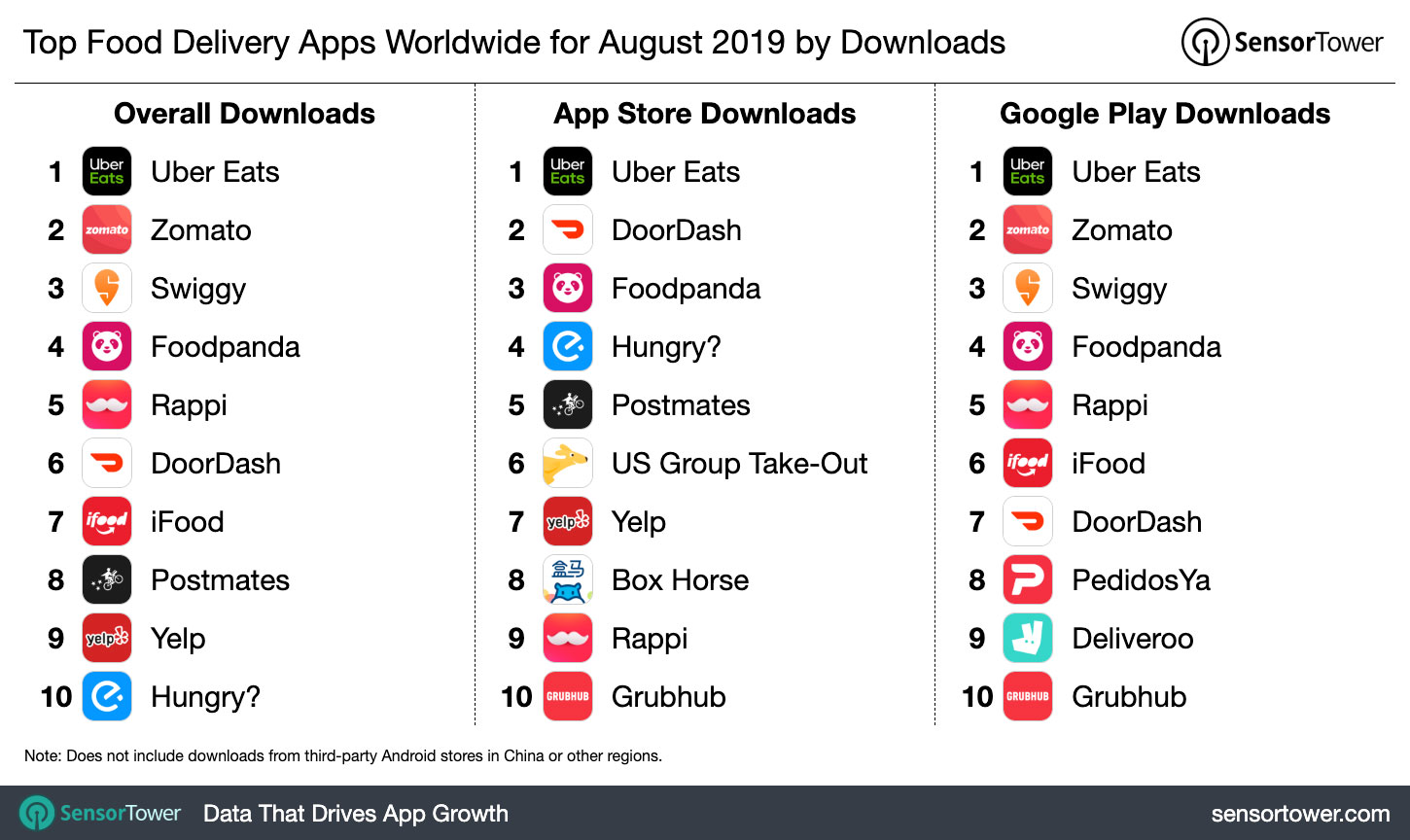
In the early days of the internet, food delivery was often limited to static websites or directories. Today, apps like DoorDash, Uber Eats, and Grubhub rely on a massive web of Application Programming Interfaces (APIs). These APIs allow the app to communicate instantaneously with restaurant Point of Sale (POS) systems, payment processors like Stripe or PayPal, and global mapping services like Google Maps. This interconnectedness ensures that when a user clicks “Order,” the information is transmitted, verified, and logged across multiple servers in milliseconds.
The Rise of the Multi-Sided Platform Architecture
Modern delivery apps are built on a “three-sided marketplace” architecture. The software must serve three distinct user bases simultaneously: the consumer, the restaurant partner, and the delivery courier. Each group requires a specialized interface. Consumers need a high-performance browsing experience; restaurants need a robust order management dashboard; and couriers need a mobile-first, GPS-integrated application that can handle real-time status updates. Maintaining synchronicity between these three nodes is a feat of modern distributed systems engineering.
Core Technologies Powering Modern Delivery Platforms
To provide a seamless experience, food delivery apps integrate several high-level technologies. These are not just “features” but are the core pillars of the software’s functionality.
Real-Time GPS Tracking and Geofencing
Geospatial technology is the heartbeat of food delivery. Through the integration of GPS and Geofencing, apps can provide “live” tracking. Geofencing, specifically, allows the software to trigger automated actions based on a courier’s physical location. For example, when a driver enters a 500-meter radius of a restaurant, the app can automatically signal the kitchen that the pickup is imminent. This reduces “idling” time and ensures that the food remains at an optimal temperature.
Algorithmic Logistics and Route Optimization
The most complex part of a delivery app is its dispatch engine. This software must solve a variation of the “Traveling Salesman Problem” thousands of times per second. Algorithms analyze variables such as traffic patterns, weather conditions, kitchen prep times, and the proximity of available couriers to determine the most efficient delivery route. By optimizing these routes, the tech reduces fuel consumption for the driver and delivery latency for the customer.
Secure Payment Gateways and Encryption
Because food delivery apps handle millions of financial transactions daily, they must employ enterprise-grade security protocols. This involves Tokenization—a process where sensitive credit card data is replaced by a unique identifier (token)—ensuring that even if a database is breached, the actual financial information remains unreadable. Furthermore, the integration of biometric authentication (FaceID or fingerprint scanning) adds a layer of digital security that was nonexistent in the era of cash-on-delivery.
The Role of Artificial Intelligence and Machine Learning
As food delivery platforms collect more data, they have pivoted toward becoming AI-driven organizations. Machine Learning (ML) is now used to enhance every aspect of the user journey.
Personalized Recommendation Engines
When you open a food delivery app, the list of restaurants you see is rarely random. It is the result of collaborative filtering and neural networks. By analyzing your past orders, browsing duration, and even the time of day, the app’s AI predicts what you are most likely to crave. These recommendation engines are designed to reduce “decision fatigue,” a common UX hurdle in apps with thousands of choices, thereby increasing conversion rates through personalized tech.
Predictive Demand Modeling
One of the greatest challenges for these platforms is balancing supply and demand. If there are too many orders and not enough drivers, the system fails. To solve this, companies use predictive analytics. By feeding historical data into ML models, the software can predict “surge” periods—such as during a major sporting event or a rainstorm—and proactively incentivize drivers to log onto the platform. This data-driven approach to labor management is a hallmark of the modern gig-economy tech stack.
User Experience (UX) and Interface Design
The success of a food delivery app depends heavily on its “frictionless” design. Tech companies invest billions into UI/UX research to ensure that the path from hunger to checkout is as short as possible.
The Seamless “Order-to-Door” Flow
The interface of a top-tier delivery app is a masterclass in behavioral psychology and digital design. High-resolution imagery, clear typography, and a “one-tap” checkout process are all engineered to keep the user engaged. Tech developers use A/B testing to determine which button colors or menu layouts lead to higher order volumes. This iterative design process ensures that the software remains intuitive even for non-tech-savvy users.
Accessibility and Inclusive Design
Modern software development for delivery apps also prioritizes accessibility. This includes screen-reader compatibility for the visually impaired, voice-command integration (e.g., “Siri, order my usual pizza”), and localized language support. By utilizing inclusive design frameworks, these apps expand their market reach while fulfilling the technological mandate of making services available to everyone, regardless of physical ability.
Future Tech Trends in Food Logistics
The “what apps deliver food” conversation is rapidly moving toward a future where human intervention is minimized. The next decade will see the integration of even more hardware-centric technologies.
Autonomous Delivery Drones and Sidewalk Robots
Companies like Wing (Alphabet) and Starship Technologies are already testing autonomous delivery solutions. These involve sophisticated computer vision, LIDAR (Light Detection and Ranging), and obstacle-avoidance sensors. Integrating these robots into the existing app ecosystem requires a massive software update, as the “courier” interface must transition from a human-operated smartphone to an automated API call to a robotic fleet.
Integrating IoT into the Kitchen
The Internet of Things (IoT) is set to play a larger role in food delivery. We are seeing the rise of “smart kitchens” where ovens and fryers are connected to the delivery app’s network. In this scenario, the app could theoretically “tell” the oven to start preheating the moment a customer places an order, or a smart fridge could automatically trigger a delivery order when it detects that essential items are low. This level of automation represents the ultimate convergence of hardware, software, and daily life.
Conclusion
The question of “what apps deliver food” reveals a deep technological narrative. It is no longer just about a digital menu; it is about a sophisticated marriage of AI, real-time data processing, and global logistics. As software continues to evolve, the barrier between the digital and physical worlds will continue to thin, turning every smartphone into a remote control for the physical world. Whether through the optimization of delivery routes or the eventual deployment of sidewalk robots, the technology behind food delivery is a testament to the power of modern software to solve complex, real-world problems.
aViewFromTheCave is a participant in the Amazon Services LLC Associates Program, an affiliate advertising program designed to provide a means for sites to earn advertising fees by advertising and linking to Amazon.com. Amazon, the Amazon logo, AmazonSupply, and the AmazonSupply logo are trademarks of Amazon.com, Inc. or its affiliates. As an Amazon Associate we earn affiliate commissions from qualifying purchases.