
In the rapidly evolving world of software development, the ability to pivot and respond to change is no longer a competitive advantage—it is a survival requirement. For decades, the technology industry struggled with the “Waterfall” model, a linear approach where requirements were set in stone years before a product ever reached a user’s hands. This often resulted in obsolete software and wasted resources. Enter Agile methodology: a philosophy that redefined how tech teams build, deploy, and iterate on digital products.
Agile is not a single set of rules but a mindset centered on iterative development, frequent feedback, and cross-functional collaboration. By breaking down complex projects into manageable increments, tech organizations can deliver value to users faster and with higher precision. This article explores the core of Agile methodology, the frameworks that power it, and its critical role in the contemporary tech ecosystem.
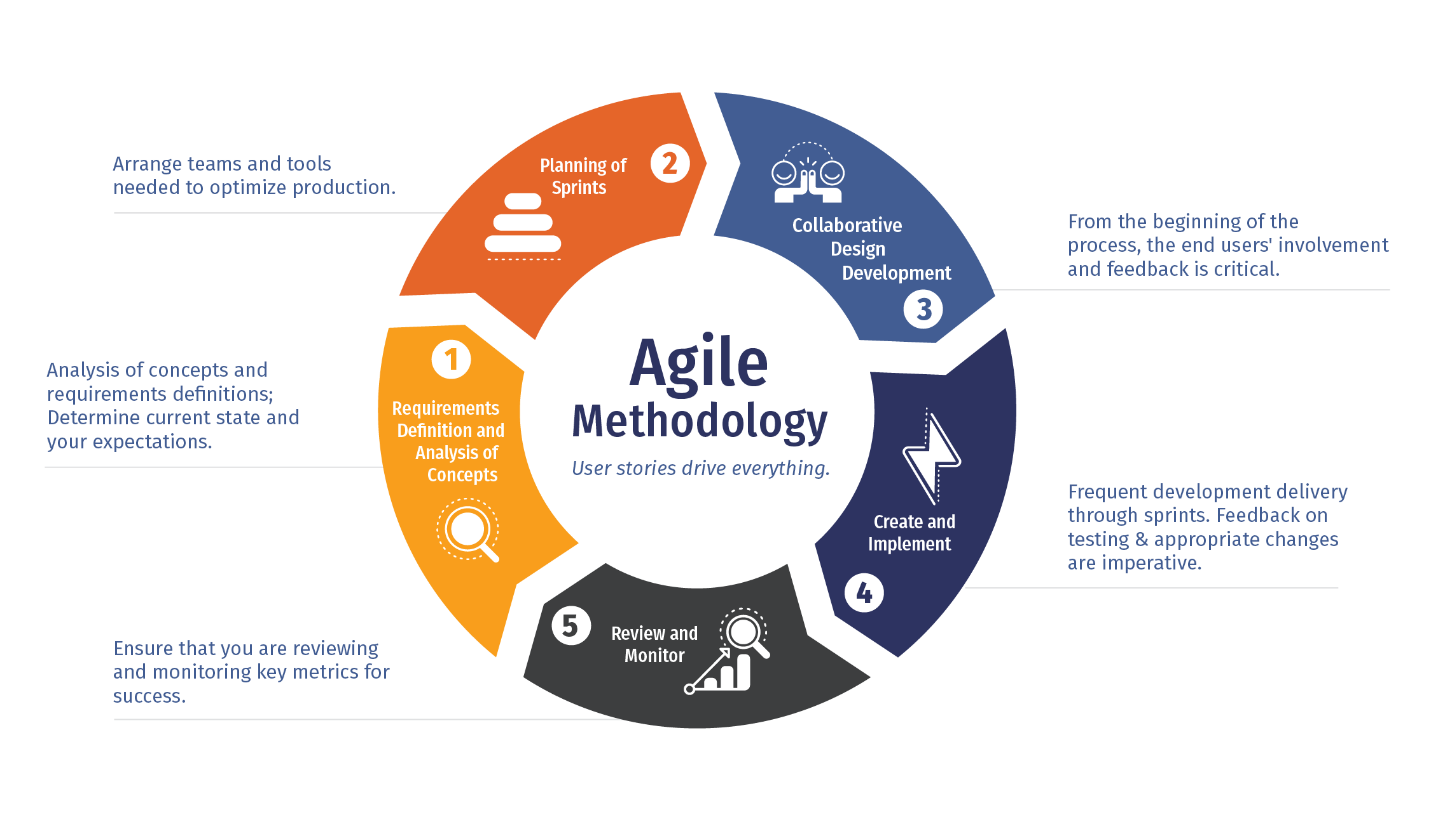
The Core Principles of Agile Software Development
To understand what Agile methodology is, one must first look at the Agile Manifesto, drafted in 2001 by seventeen software developers. They sought to find a better way to develop software by prioritizing people and results over rigid processes.
The Four Values of Agile
The foundation of Agile rests on four pivotal values. First, it prioritizes individuals and interactions over processes and tools. In a tech context, this means that while Jira or GitHub are important, the communication between the developer and the designer is what actually moves the needle. Second, it favors working software over comprehensive documentation. Tech teams focus on shipping a functional prototype rather than spending months on a 200-page specification manual.
Third, customer collaboration is valued over contract negotiation. This encourages a partnership where the client is part of the development process. Finally, responding to change is prioritized over following a rigid plan. In tech, market trends or security vulnerabilities can emerge overnight; Agile provides the framework to address these shifts immediately.
The 12 Principles and Iterative Delivery
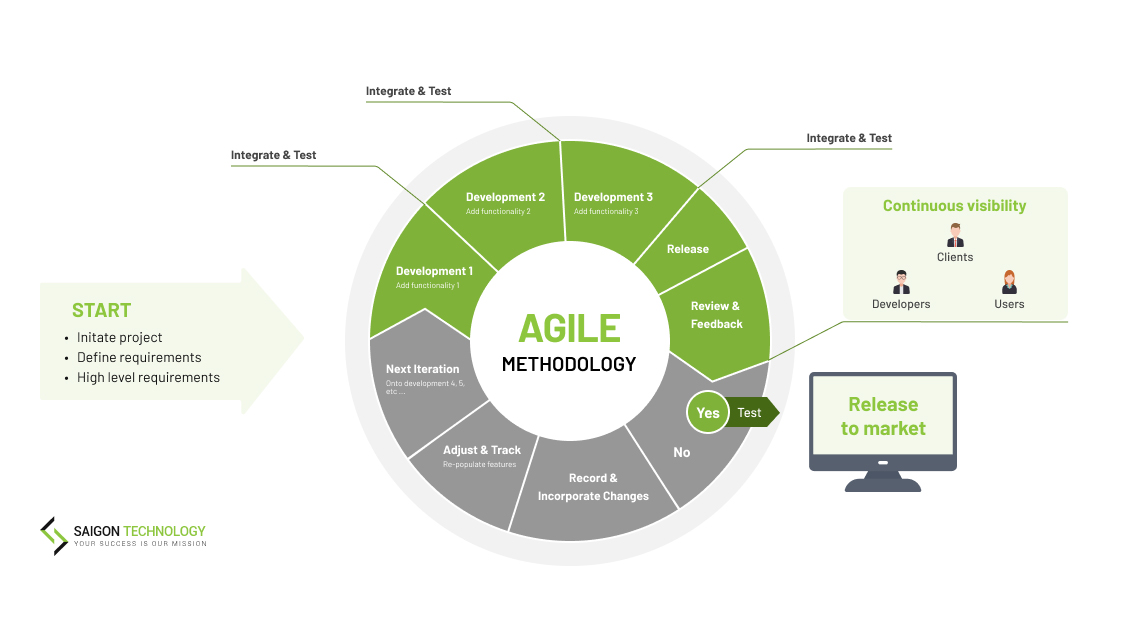
Beyond the values, twelve principles guide the Agile practitioner. The most critical among these is the “early and continuous delivery of valuable software.” Instead of waiting for a “Big Bang” release, Agile teams work in cycles, or iterations. Each iteration produces a potentially shippable product increment. This allows for continuous testing and refinement, ensuring that the “technical debt”—the cost of rework caused by choosing an easy solution now instead of a better approach that would take longer—is kept to a minimum.
Empowering Cross-Functional Teams
Agile moves away from silos. In traditional tech structures, developers, testers, and operations teams often worked in isolation. Agile methodology advocates for cross-functional teams where members possess all the skills necessary to take a feature from concept to deployment. This autonomy fosters innovation and speeds up the “Definition of Done,” as there are fewer handoffs between departments.
Popular Agile Frameworks: Scrum, Kanban, and Beyond
While Agile is the overarching philosophy, “frameworks” are the specific implementations used by tech companies to manage their daily workflows.
Scrum: The Power of Sprints
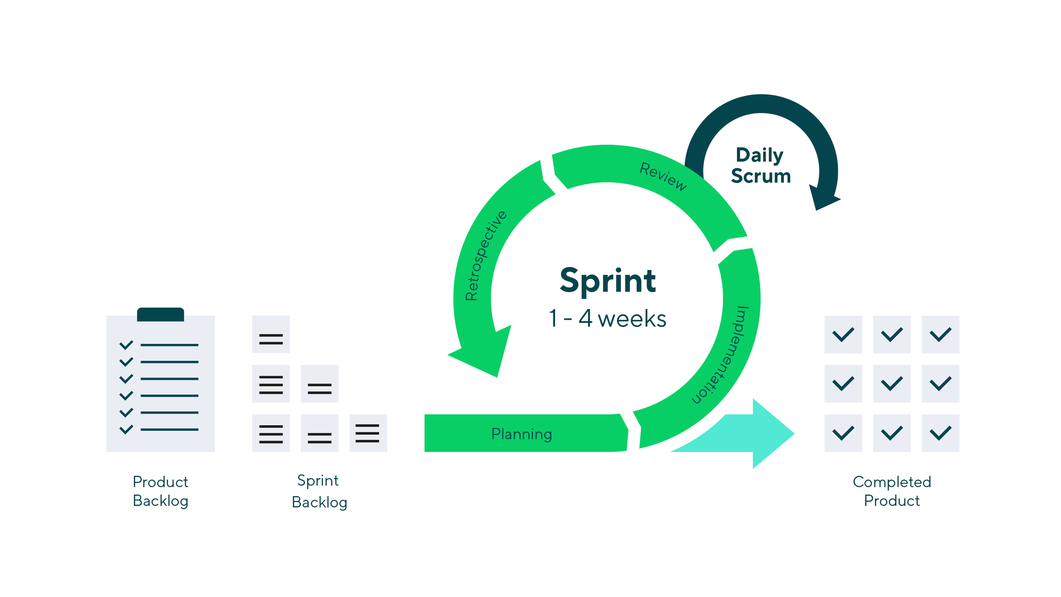
Scrum is the most widely adopted Agile framework in the software industry. It organizes work into fixed-length iterations called “Sprints,” typically lasting two to four weeks.
- The Roles: Scrum introduces specific roles: the Product Owner (who represents the customer’s voice), the Scrum Master (who acts as a coach and removes blockers), and the Development Team.
- The Ceremonies: Daily Stand-ups keep the team aligned, Sprint Planning sets the goal, and Sprint Retrospectives allow the team to analyze what went well and what needs improvement.
- The Artifacts: The Product Backlog is a living list of features, while the Sprint Backlog identifies the specific tasks for the current cycle.
Kanban: Visualizing Workflow
Unlike the time-boxed approach of Scrum, Kanban is based on continuous flow. It is particularly popular in DevOps and IT support environments. Using a Kanban board (visualized through tools like Trello or Monday.com), teams move “cards” through stages like “To Do,” “In Progress,” and “Done.”
The core of Kanban is the “Work in Progress” (WIP) limit. By restricting how many tasks can be in the “In Progress” column at once, teams can identify bottlenecks in the development pipeline and ensure that they are finishing tasks before starting new ones.
Lean and Extreme Programming (XP)
Lean software development focuses on the elimination of “waste”—anything that doesn’t add value to the end product, such as unnecessary code or delayed testing. Extreme Programming (XP), on the other hand, is an Agile framework that focuses specifically on the technical side of development. It introduces practices like Pair Programming (two developers working on one machine) and Test-Driven Development (TDD), where tests are written before the actual code. These frameworks ensure that speed never comes at the expense of code quality.
The Benefits of Implementing Agile in Tech Teams
Adopting Agile methodology offers transformative benefits for technology-focused organizations, ranging from startups to enterprise-level software houses.
Accelerated Speed to Market
In the tech industry, being first to market can define a product’s success. Agile allows teams to release a Minimum Viable Product (MVP) quickly. By getting a basic version of the software into the hands of users, the company can start gathering data and generating revenue while the full suite of features is still being developed.
Enhanced Quality and Risk Management
Because Agile emphasizes continuous testing and integration, bugs are caught early in the development cycle. In a Waterfall model, a critical flaw might not be discovered until the final testing phase, months into the project. In Agile, because the software is reviewed at the end of every sprint, the risk of a total project failure is significantly reduced.
Increased Adaptability and Customer Satisfaction
User needs in the digital space change rapidly. Agile allows tech teams to pivot based on real-world feedback. If a feature released in Sprint 1 isn’t resonating with users, the Product Owner can re-prioritize the backlog for Sprint 2 to address the issue. This high level of responsiveness ensures that the final product is exactly what the user needs, not just what the team thought they needed six months prior.
Agile in the Age of AI and DevOps
As we move further into the decade, Agile methodology is evolving to meet the demands of emerging technologies like Artificial Intelligence and the integration of DevOps practices.
Integrating CI/CD Pipelines
The modern tech stack relies heavily on Continuous Integration and Continuous Deployment (CI/CD). These are technical practices that automate the merging of code changes and the deployment of applications. CI/CD is the technical realization of the Agile dream; it allows for software to be updated several times a day. By automating the “plumbing” of software delivery, developers can focus on what Agile intended: solving problems and writing great code.
AI-Driven Project Management
Artificial Intelligence is beginning to play a role in how Agile teams function. AI tools can now analyze a team’s historical “velocity” (the amount of work completed in a sprint) to provide more accurate estimates for future work. Predictive analytics can identify which parts of the codebase are most likely to contain bugs, allowing Agile teams to prioritize their testing efforts during the sprint.
Scaling Agile for Enterprise Tech
For large tech corporations like Spotify or Amazon, small Agile teams must be coordinated on a massive scale. Frameworks like SAFe (Scaled Agile Framework) or the “Spotify Model” (Tribes, Squads, and Chapters) allow organizations to maintain the agility of a startup while managing thousands of developers. This ensures that the entire tech organization remains aligned with the overarching corporate strategy without sacrificing the speed of individual teams.
Common Pitfalls and How to Avoid Them
Transitioning to Agile is not without its challenges. Many tech teams fall into the trap of “Agile in Name Only” (often called “Fake Agile” or “Waterscrumfall”).
Overcoming Cultural Resistance
The biggest hurdle to Agile isn’t technical; it’s cultural. It requires a shift from “command and control” management to “servant leadership.” Managers must trust their developers to make technical decisions. Without this trust, the daily stand-ups become status reports rather than collaborative problem-solving sessions, and the methodology loses its effectiveness.
Avoiding the “No Documentation” Myth
A common misconception is that Agile means no documentation. While the manifesto values working software more than documentation, it does not suggest abandoning it entirely. In the tech world, undocumented code is a liability. Agile teams must find the “just enough” balance—documenting API endpoints and system architecture while avoiding the bloated, outdated manuals of the past.
Maintaining Technical Excellence
Sometimes, the pressure to deliver at the end of a sprint leads to “hacking” solutions together. If a team ignores code quality to meet a deadline, they accumulate technical debt that will eventually slow them down. Agile teams must remain disciplined, ensuring that “Done” includes clean code, peer reviews, and comprehensive testing.
The Future of Agile in Technology
What Agile methodology represents is a move toward a more human-centric, responsive, and efficient way of building technology. As software continues to eat the world, the principles of the Agile Manifesto remain more relevant than ever. Whether it is a small team building a mobile app or a global giant developing a cloud-based AI platform, the ability to break work into small pieces, listen to the user, and iterate constantly is what separates successful tech ventures from those that fade into obsolescence.
Agile is no longer a “new” way of working; it is the industry standard. However, the most successful tech organizations are those that treat Agile as a journey rather than a destination. They constantly refine their processes, adopt new tools to automate the mundane, and never lose sight of the ultimate goal: delivering high-quality software that solves real-world problems. By mastering Agile, tech teams can navigate the complexities of the digital age with confidence and precision.
aViewFromTheCave is a participant in the Amazon Services LLC Associates Program, an affiliate advertising program designed to provide a means for sites to earn advertising fees by advertising and linking to Amazon.com. Amazon, the Amazon logo, AmazonSupply, and the AmazonSupply logo are trademarks of Amazon.com, Inc. or its affiliates. As an Amazon Associate we earn affiliate commissions from qualifying purchases.