
In the landscape of modern marketing, few terms have been as scrutinized, debated, or misunderstood as “Millennials.” For brand strategists and corporate identity experts, understanding this cohort goes far beyond simply knowing their birth years. It involves deciphering a complex tapestry of values, digital behaviors, and consumption patterns that have fundamentally altered how businesses communicate. To build a brand that resonates in the current economy, one must first accurately define the Millennial age group and then master the nuances of their psychological landscape.
Identifying the Millennial Cohort: Age, Eras, and Identity
The first step in any brand strategy is defining the target audience with precision. While popular media often uses “Millennial” as a catch-all term for “young people,” the reality is that this demographic is now entering its peak earning years and assuming leadership roles across global industries.
The Pew Research Standard
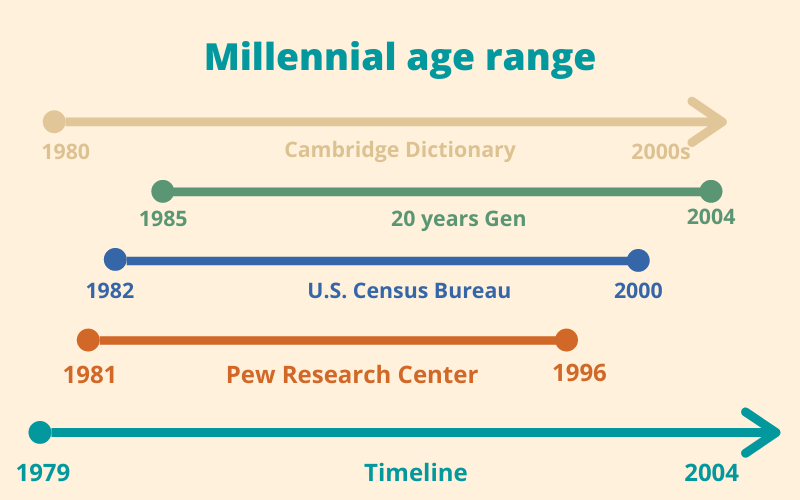
According to the most widely accepted definition provided by the Pew Research Center, Millennials (also known as Generation Y) are individuals born between 1981 and 1996. As of 2024, this puts the age range of this group between 28 and 43 years old.
From a branding perspective, this range is critical. It signifies a transition from early-career professionals to established homeowners, parents, and decision-makers. A brand attempting to reach a 28-year-old in their first apartment requires a different visual language and value proposition than one reaching a 43-year-old executive managing a household and a corporate budget. Identifying this age bracket allows marketers to move away from outdated stereotypes and toward data-driven personas.
The “Bridge” Generations: Xennials and Zillennials
A sophisticated brand strategy acknowledges that generational borders are often fluid. This has led to the identification of “micro-generations” that act as bridges between the major cohorts.
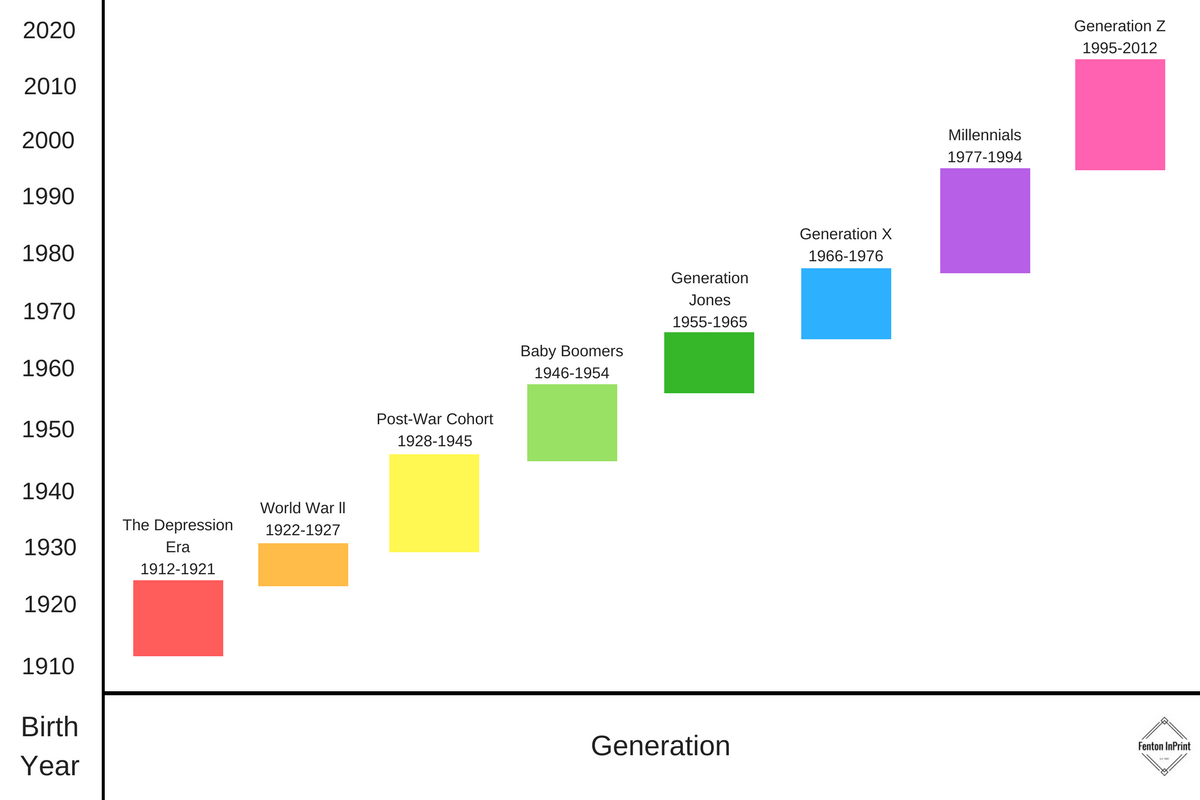
The “Xennials” (born roughly between 1977 and 1983) possess a unique hybrid identity. They experienced an analog childhood but transitioned to a digital adulthood. For brands, this group responds well to nostalgia-driven marketing combined with high-tech convenience. On the other end of the spectrum are “Zillennials” (born between 1993 and 1998), who share the Millennial penchant for social consciousness but lean closer to Gen Z’s preference for short-form video content and “meme culture.” Understanding these nuances prevents a brand from appearing tone-deaf or overly generalized.
Psychographics vs. Demographics: Understanding the Millennial Mindset
While demographics tell us who the Millennials are, psychographics tell us why they buy. For a brand to achieve true resonance, it must align its corporate identity with the internal values of this group. Millennials were the first generation to prioritize “purpose” over “price” in a systemic way, a shift that has forced a total re-evaluation of brand positioning.
The Quest for Authenticity
If there is one word that defines Millennial consumer behavior, it is “authenticity.” Having grown up during the rise of the 24-hour news cycle and the explosion of the internet, this generation has developed a high-functioning “filter” for traditional, high-gloss advertising. They can spot a disingenuous corporate message from a mile away.
Branding for Millennials requires a move toward “unpolished” excellence. This doesn’t mean a lack of quality, but rather a commitment to transparency. Brands that showcase their behind-the-scenes processes, admit to mistakes, and use real people instead of airbrushed models in their design collateral tend to build higher levels of trust. In the Millennial mind, a brand is not a faceless corporation; it is a character in their life story.
Value-Driven Consumption
Millennials are famously known for “voting with their wallets.” Research consistently shows that they are more likely to support brands that align with their personal values regarding environmental sustainability, social justice, and ethical labor practices.
For a corporate identity to be successful today, it must incorporate an Environmental, Social, and Governance (ESG) narrative that feels integral rather than performative. It is no longer enough to have a good product; the brand must answer the question: “What do you stand for?” Failure to provide a clear, value-driven identity can lead to “brand shaming” on social platforms, which can be devastating to a company’s reputation.
Brand Strategy: Communicating with the “Digital Native” Generation
Millennials were the first generation to come of age with the internet, earning them the title of “Digital Natives.” However, their digital usage is distinct from the generations that preceded and followed them. They remember the world before the smartphone, yet they are inseparable from it now. This creates a specific set of requirements for brand communication.
Content Over Advertising
For the Millennial audience, traditional “push” marketing—interrupting their experience with a sales pitch—is increasingly ineffective. Instead, successful brands utilize “pull” marketing through high-value content. This involves creating articles, videos, and podcasts that solve problems or provide entertainment without an immediate “hard sell.”
In this context, the brand becomes a thought leader. If a brand sells cookware, it shouldn’t just run ads; it should create a lifestyle blog with 15-minute recipes for busy professionals. By providing utility first, the brand earns the right to eventually pitch its product. This content-first approach builds a community around the brand, fostering a sense of belonging that is highly valued by this age group.
Personalization and the Customer Journey
Millennials expect a seamless, personalized experience across all touchpoints. This is where the intersection of brand strategy and user experience (UX) becomes vital. If a Millennial receives an email recommendation for a product they just bought, the brand loses credibility.
Sophisticated branding now relies on data to create “hyper-personalized” journeys. This includes personalized landing pages, targeted social media ads that reflect their specific interests, and customer service that remembers their previous interactions. The goal is to make the consumer feel seen and understood. In a world of mass production, the feeling of a “bespoke” brand experience is a powerful differentiator.
The Evolution of Millennial Brand Loyalty
There is a persistent myth that Millennials are not brand loyal. In reality, they are deeply loyal, but their loyalty must be earned continuously. Unlike previous generations who might stick with a brand out of habit or lack of options, Millennials stay loyal to brands that provide consistent value and community.
The Impact of Social Proof and Community
For this age group, a brand’s identity is often validated by its community. Before making a purchase, a Millennial will likely check Reddit, Instagram, or third-party review sites. This “social proof” is more influential than any billboard or celebrity endorsement.
Strategic branding now involves nurturing “brand advocates.” These are not paid influencers, but real customers who are so satisfied with their experience that they share it within their circles. Brands can encourage this by building online forums, hosting exclusive events, or simply engaging with customers in the comments section of social media posts. When a brand treats its customers like members of a club, loyalty becomes a natural byproduct.
Navigating the Shift from Youth to Maturity
As the oldest Millennials enter their mid-40s, brands must evolve alongside them. The “hipster” aesthetic that dominated the 2010s—minimalism, millennial pink, and quirky copywriting—is giving way to a more sophisticated, “quiet luxury” or “functional elegance” approach.
Brands that successfully transitioned with this group have updated their visual identities to reflect maturity while keeping their core values intact. For example, brands that started by selling trendy sneakers to 20-somethings are now marketing ergonomic, high-quality footwear to 40-year-old professionals who prioritize health and longevity. Staying relevant to Millennials requires a brand to be a lifelong partner, adapting its messaging as the generation moves through different life stages.
Conclusion: The Strategic Necessity of Demographic Precision
Understanding what age group is considered Millennial is the entry point into a much deeper strategic conversation. For a brand to thrive, it must recognize that Millennials are not a monolith; they are a diverse, tech-savvy, and value-conscious group that currently holds the keys to the global economy.
By moving beyond simple age brackets and focusing on authenticity, value-driven identity, content-led communication, and community building, brands can forge lasting connections with this influential generation. The brands that win the future will be those that don’t just sell to Millennials, but those that understand their story, respect their intelligence, and reflect their world.
aViewFromTheCave is a participant in the Amazon Services LLC Associates Program, an affiliate advertising program designed to provide a means for sites to earn advertising fees by advertising and linking to Amazon.com. Amazon, the Amazon logo, AmazonSupply, and the AmazonSupply logo are trademarks of Amazon.com, Inc. or its affiliates. As an Amazon Associate we earn affiliate commissions from qualifying purchases.