
In the rapidly evolving world of technology, the phrase “What’s the new update?” has become more than a casual inquiry; it is a fundamental pulse check on the state of our digital lives. Whether it is an operating system overhaul, a breakthrough in artificial intelligence, or a critical security patch, updates represent the continuous refinement of the tools we use to navigate the modern world. We no longer live in an era of static software. Instead, we reside in a dynamic environment where the hardware we hold in our hands is merely a vessel for ever-evolving code.

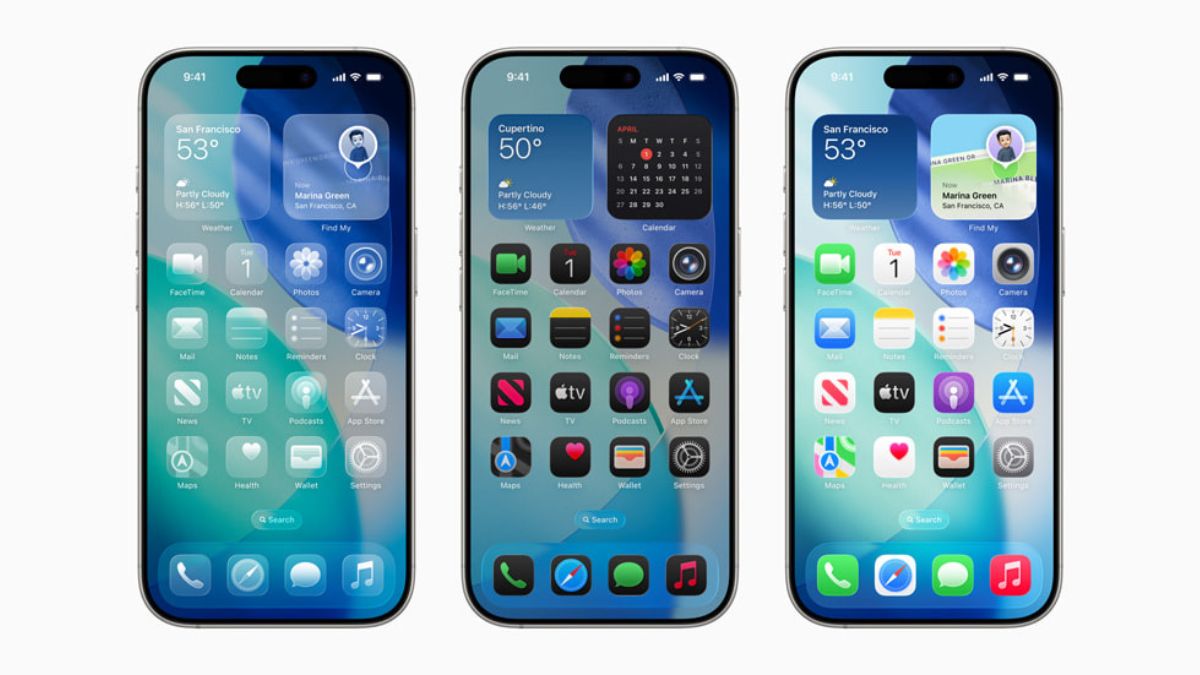
Today, updates are shifting away from minor bug fixes toward transformative shifts in user experience (UX) and functional capability. As we look at the current landscape, the “new update” is defined by three major pillars: the deep integration of Artificial Intelligence (AI), the refinement of cross-platform ecosystems, and an unprecedented focus on proactive digital security.
The AI Revolution: Transforming Software into Intelligent Partners
The most significant shift in recent software updates across mobile and desktop platforms is the transition from reactive tools to proactive assistants. We are currently witnessing the “AI-ification” of every interface, where the update is no longer just about aesthetic changes, but about the underlying intelligence of the system.
The Integration of Large Language Models (LLMs)
The latest updates from major tech giants—ranging from Apple’s “Apple Intelligence” to Google’s Gemini integration and Microsoft’s Copilot—represent a sea change. Updates are now focused on bringing LLMs directly into the operating system. This means the “new update” allows your phone or laptop to summarize emails, generate images from text prompts, and understand the context of your personal data without it ever leaving the device. This local processing is a major technical milestone, requiring specialized hardware like Neural Processing Units (NPUs) to handle the heavy lifting of generative AI.
Predictive User Interfaces and Personalization
Beyond chatbots, the new wave of updates focuses on predictive UX. Modern operating systems are learning user habits to anticipate needs. For example, the latest Android and iOS iterations utilize machine learning to manage battery life based on your daily schedule or to suggest apps before you even realize you need them. This level of personalization turns a generic device into a bespoke tool tailored to the individual’s workflow.
Enhanced Media Creation and Editing
For creators, the latest updates have democratized professional-grade editing. Features like “Magic Eraser,” AI-driven noise cancellation, and automated video transcription are now standard features within system-level gallery apps. The update cycle has effectively rendered many third-party utility apps obsolete by baking high-level computational photography and videography directly into the core OS.
The Convergence of Ecosystems: Seamless Cross-Platform Interoperability
The “new update” is rarely confined to a single device. Instead, it is designed to bridge the gap between smartphones, tablets, wearables, and PCs. Tech companies are increasingly focusing on “ecosystem stickiness,” ensuring that an update on one device enhances the utility of all others in the user’s possession.
Unified Continuity and Handoff Features
A major trend in recent updates is the ability to move tasks fluidly between devices. Whether it is using a tablet as a secondary monitor for a laptop or copying text on a phone and pasting it on a desktop, the boundaries between hardware are blurring. The latest updates have refined these protocols, reducing latency and making the transition feel instantaneous. This “continuity” is the result of sophisticated background synchronization that relies on low-energy Bluetooth and high-speed Wi-Fi Direct.
The Rise of Progressive Web Apps (PWAs)
Software delivery is also seeing an update in its delivery mechanism. More developers are moving toward PWAs, which allow web-based applications to behave like native apps. The latest browser updates (Chrome, Safari, Edge) have improved support for push notifications, offline functionality, and hardware access for these web apps. This means the “new update” for your favorite service might not even require a trip to the App Store; it happens silently in the background of your browser.
Wearables and the Internet of Things (IoT)
Updates are also revolutionizing how we interact with our physical environment. The latest firmware updates for smartwatches and home hubs have introduced better “Matter” support—a universal standard for smart home devices. This allows a diverse range of products from different manufacturers to communicate effectively. The new update for your watch might now allow it to act as a digital key for your car, a remote for your lights, and a health monitor that shares real-time data with your physician.
Security and Privacy: The Foundation of Modern Software
As our lives become more digital, the stakes for security have never been higher. The most critical “new updates” are often the ones users never see: the security patches and privacy frameworks that protect sensitive data from an increasingly sophisticated landscape of cyber threats.
Zero-Day Vulnerabilities and Rapid Security Responses
One of the most important shifts in tech management is the “Rapid Security Response.” In the past, security fixes were bundled with major feature updates. Now, companies like Apple and Google can push out critical security patches independently. This allows them to close “zero-day” vulnerabilities—flaws that are being actively exploited by hackers—within hours of discovery. For the user, the “new update” is a vital shield in an era of constant digital warfare.
Enhanced Privacy Permissions and Data Transparency
Modern updates have placed the power of data back into the hands of the user. We now see “Privacy Dashboards” that show exactly which apps have accessed the microphone, camera, or location over the past 24 hours. The latest updates have also introduced “App Tracking Transparency,” forcing developers to ask for permission before tracking user behavior across other apps and websites. This shift has forced a massive transformation in the digital advertising industry, prioritizing user consent over data harvesting.
Biometric Advancements and Passwordless Futures
We are moving toward a “passwordless” world, and recent updates are the vehicle for this transition. “Passkeys” are the new standard, utilizing on-device biometrics (FaceID, Fingerprint) to create unique cryptographic keys for every website. This makes phishing almost impossible, as there is no password for a hacker to steal. The latest system updates are aggressively pushing users toward this more secure, more convenient method of authentication.
Managing the Cycle: Best Practices for the Modern Tech User
With the frequency of updates increasing, managing one’s digital environment can feel like a full-time job. Understanding how to handle the “new update” is essential for maintaining both performance and security.
The Importance of Version Control and Compatibility
Before hitting “update,” it is crucial for professional users to ensure compatibility with their most-used software. In the tech world, “breaking changes” can occur when a new OS update renders an older, specialized app unusable. Best practices suggest waiting a few days after a major release to check user forums for reported bugs, while always prioritizing minor security updates immediately.
Automating the Update Process
To reduce “update fatigue,” most modern platforms offer automated update settings. For the average user, enabling “Automatic Updates” ensures that the device stays secure without manual intervention. However, for those in mission-critical environments (like video production or software development), a manual, staged rollout is often preferred to prevent workflow disruptions.
Hardware Longevity vs. Software Demands
Every “new update” places a slightly higher demand on a device’s hardware. Over time, this leads to the phenomenon of “software bloat,” where older devices struggle to run the latest features. Understanding the hardware requirements of a new update is key to deciding when it is time to upgrade a device versus when a simple software refresh will suffice. The latest updates are increasingly efficient, but the push toward on-device AI will eventually create a clear line between legacy hardware and the next generation of “AI-ready” machines.

Conclusion: The Perpetual State of Innovation
“What’s the new update?” is a question that captures the essence of the 21st century. It reflects a world where our tools are never truly “finished,” but are instead in a state of perpetual becoming. From the integration of world-changing AI to the invisible walls of digital security, updates are the heartbeat of the tech industry.
Staying informed about these changes is no longer just for enthusiasts; it is a necessity for anyone looking to remain productive, secure, and connected in a digital-first society. As we look forward, the updates will only become more frequent and more profound, further weaving technology into the fabric of our daily existence. The next time you see that notification on your screen, remember that it isn’t just a download—it’s a gateway to the next iteration of the future.
aViewFromTheCave is a participant in the Amazon Services LLC Associates Program, an affiliate advertising program designed to provide a means for sites to earn advertising fees by advertising and linking to Amazon.com. Amazon, the Amazon logo, AmazonSupply, and the AmazonSupply logo are trademarks of Amazon.com, Inc. or its affiliates. As an Amazon Associate we earn affiliate commissions from qualifying purchases.