
In the modern digital landscape, where attention is the most valuable currency, few entities have managed to capture the collective consciousness quite like the “75 Hard” program. While the uninitiated might mistake it for a mere fitness challenge or a weight-loss regimen, a closer strategic analysis reveals it to be a masterclass in brand positioning, community architecture, and personal brand scaling. Created by entrepreneur Andy Frisella, 75 Hard has transcended the “fitness” category to become a standalone lifestyle brand synonymous with mental toughness and uncompromising discipline.
This article explores the 75 Hard phenomenon through the lens of brand strategy, examining how a set of rigid rules transformed into a global movement that continues to dominate social media feeds and influence consumer behavior.
The Architecture of an “Ironclad” Brand Identity
At its core, any successful brand requires a distinct identity that separates it from a crowded marketplace. 75 Hard does not compete with traditional fitness programs like P90X or Crossfit; instead, it occupies a unique niche centered on “mental toughness.” By shifting the focus from physical aesthetics to psychological resilience, the brand creates a high-barrier-to-entry allure that attracts a specific demographic of high-performers and aspiring leaders.
Defining the Core Values: More Than Just Fitness
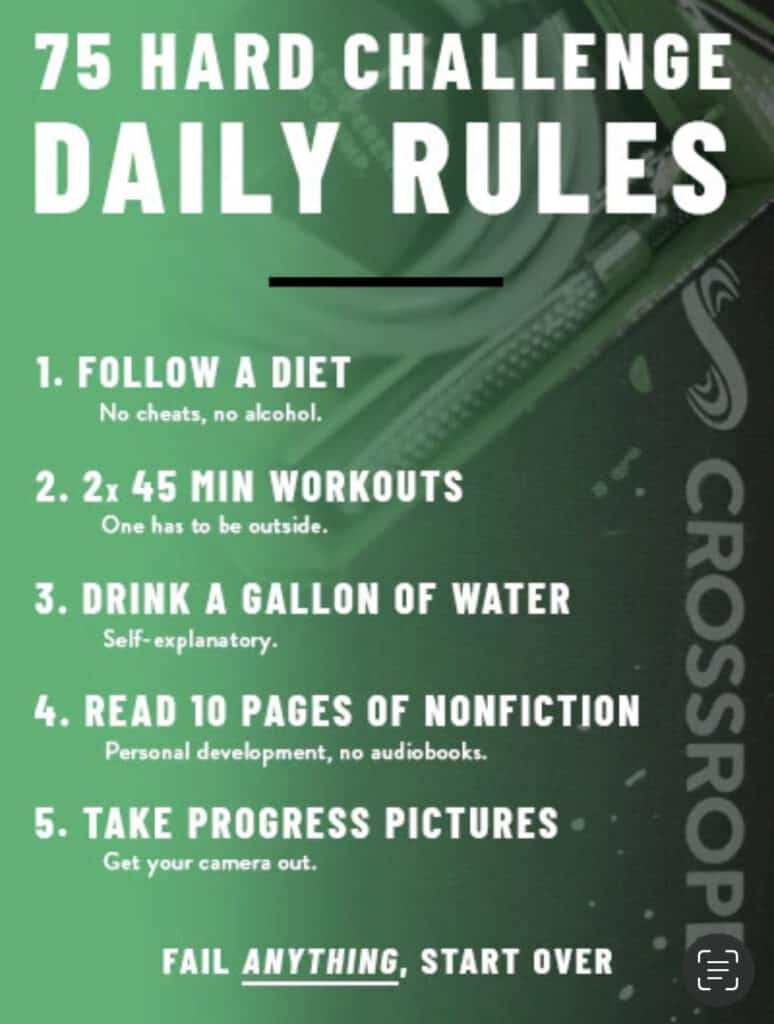
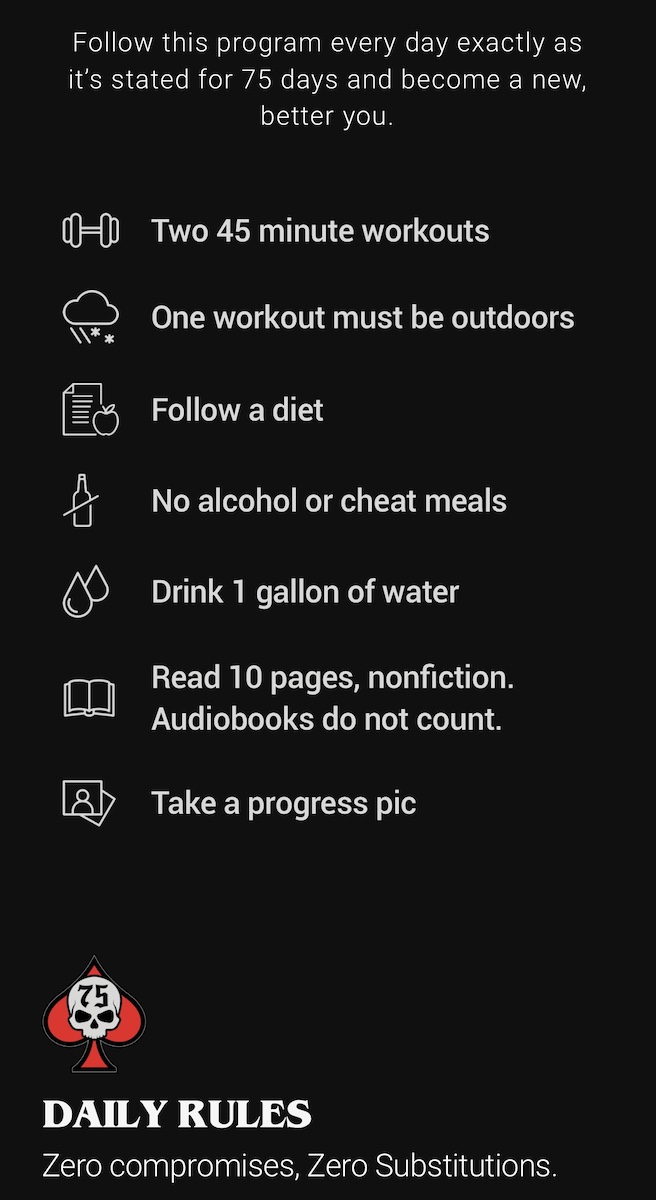
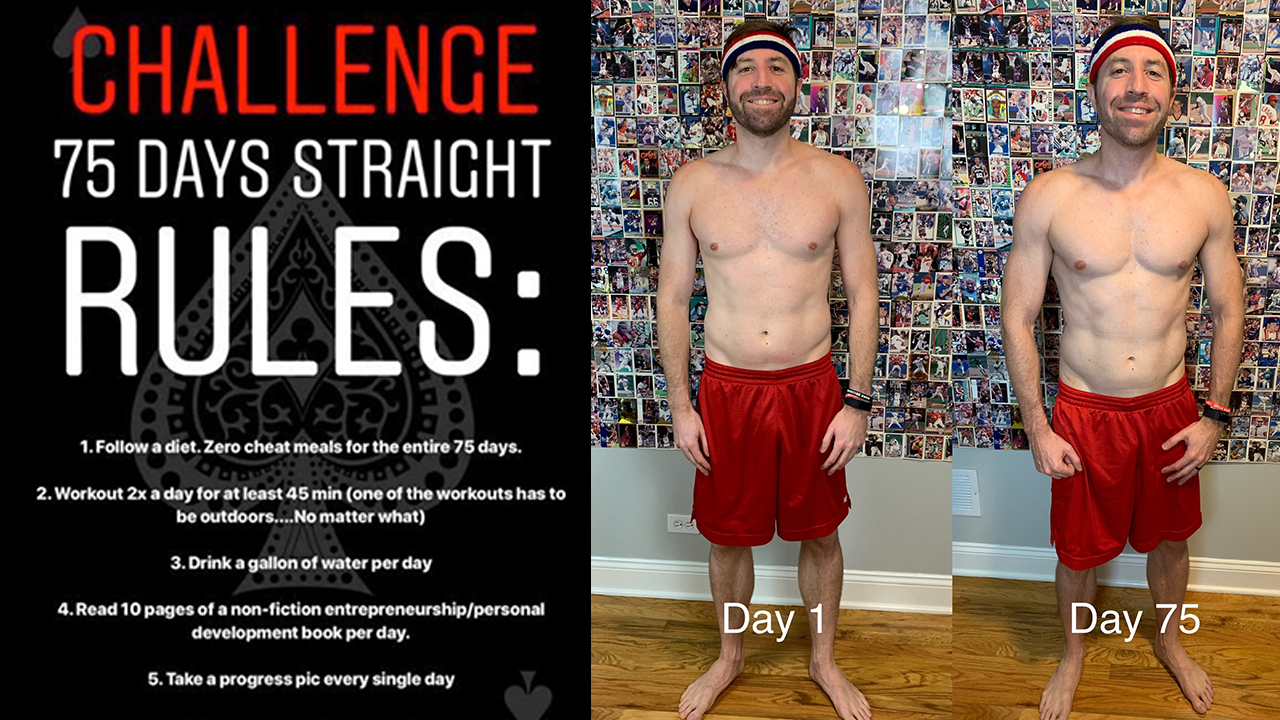
The 75 Hard brand is built on five non-negotiable pillars: two 45-minute workouts (one must be outdoors), a strict diet with no alcohol or “cheat meals,” drinking a gallon of water daily, reading 10 pages of a non-fiction book, and taking a daily progress photo. From a branding perspective, these are not just tasks; they are “Brand Rituals.”
By standardizing these actions, the brand ensures a uniform experience among its users. When a consumer says they are “on 75 Hard,” they aren’t just exercising; they are adopting a predefined set of values—resilience, consistency, and zero-compromise. This clarity of purpose is what allows the brand to maintain its integrity even as it scales globally.
The Power of Intentional Friction
Most modern brands focus on “user friction” reduction—making things as easy as possible for the customer. 75 Hard takes the opposite approach. Its brand value is derived from its difficulty. In branding, this is known as “prestige through scarcity” or “earned equity.”
By making the program intentionally difficult—including a rule that says if you fail one task on day 74, you must restart at day 1—the brand builds an elite status. The difficulty becomes a badge of honor. This “intentional friction” fosters a deep sense of psychological ownership among participants, turning them from casual users into fierce brand advocates.
Community as the Engine of Viral Growth
A brand is only as strong as the community that supports it. 75 Hard has leveraged the digital ecosystem to create a self-sustaining loop of organic marketing. Unlike corporate brands that spend millions on traditional advertising, 75 Hard relies on a decentralized army of participants who document their journey in real-time.
The “Proof of Work” Social Strategy
The daily progress photo is perhaps the most brilliant branding tool within the 75 Hard ecosystem. It forces the participant to create a visual record of their commitment every single day for 75 days. When these participants share their journey on platforms like Instagram, TikTok, and LinkedIn, they are essentially providing “Social Proof” for the brand.
This creates a “Proof of Work” marketing cycle. Every transformation photo shared is an unpaid testimonial that carries more weight than any produced commercial. The brand becomes synonymous with visible results and radical transparency, which are two of the most sought-after qualities in the modern influencer economy.
User-Generated Content and Organic Reach
The 75 Hard hashtag has billions of views across social platforms. This is the result of a perfectly designed User-Generated Content (UGC) engine. Because the program requires 75 days of consistency, it provides 75 opportunities for a user to tag the brand and share its message.
From a brand strategy standpoint, this creates a “Network Effect.” The more people see their peers engaging with 75 Hard, the more normalized and desirable the “hard” lifestyle becomes. The community acts as both the customer and the marketing department, allowing the brand to grow exponentially without a traditional advertising budget.
Personal Branding and the Cult of Authority
The success of 75 Hard is inextricably linked to the personal brand of its creator, Andy Frisella. In an era where consumers value authenticity and “raw” communication, Frisella’s persona as a no-nonsense, high-stakes entrepreneur provides the necessary authority to anchor the movement.
Andy Frisella: The Visionary Behind the Movement
Frisella utilized his existing platform—the Real AF podcast—to launch and iterate the 75 Hard concept. By positioning himself as the “Lead User” of his own product, he bridged the gap between a corporate entity and a human connection. His personal brand is built on the same values as the program: grit, truth, and excellence.
This alignment between the founder’s personal brand and the product’s brand is crucial. It prevents “brand dissonance,” where a company’s actions don’t match its messaging. Frisella’s “hardcore” approach to business and life serves as the ultimate case study for the 75 Hard methodology, lending the program immense credibility.
Consistency as a Brand Asset
In the world of personal branding, consistency is the ultimate currency. Frisella didn’t just launch 75 Hard and move on; he integrated it into the fabric of his media empire. By consistently discussing the psychological benefits of the program, he moved the brand away from being a “trend” and toward being a “staple” of the self-improvement industry.
This long-term commitment signals to the market that the brand is stable and reliable. For followers, the brand becomes a “North Star” for personal development, anchored by a leader who practices what he preaches.
Monetizing Discipline: The Business Ecosystem of 75 Hard
While the 75 Hard program itself is technically free (the “rules” are available to anyone), the business ecosystem surrounding it is a masterclass in strategic monetization and brand extension. A brand that commands this much “mindshare” naturally creates lucrative opportunities for vertical integration.
Strategic Partnerships and Product Placement
The requirements of 75 Hard—specifically the water intake, the reading, and the workouts—create immediate consumer needs. This has allowed the 75 Hard brand to branch into physical products, including the 75 Hard app, journals, and apparel.
Furthermore, because Frisella owns 1st Phorm, a major supplement company, the 75 Hard brand serves as a powerful top-of-funnel lead generator for his other business ventures. When people commit to a “hard” lifestyle, they naturally seek out high-quality supplements and gear that align with that identity. This is a classic example of “Brand Ecosystem” building, where one entity fuels the growth of several others.
Long-term Brand Loyalty and Retention
Most fitness “challenges” suffer from high churn; once the challenge is over, the user leaves. 75 Hard solves this through its “Live Hard” expansion, which includes Phase 1, Phase 2, and Phase 3. By creating a multi-tiered journey, the brand ensures long-term retention.
From a marketing perspective, this increases the “Lifetime Value” (LTV) of the customer. A user who completes 75 Hard is likely to remain within the ecosystem for a full year or more, purchasing apps, books, and supplements along the way. The brand doesn’t just sell a 75-day fix; it sells a permanent shift in identity.
Key Takeaways for Modern Brand Architects
The meteoric rise of 75 Hard offers several vital lessons for anyone looking to build a powerful brand in the digital age. It proves that in a world of “shortcuts” and “hacks,” there is a massive market for “hard” and “honest.”
Simplicity vs. Complexity
One of the brand’s greatest strengths is its simplicity. The rules can be written on a single index card. This “Low Cognitive Load” makes the brand easily shareable and easy to understand. While the execution is hard, the concept is simple. Great brands don’t confuse their audience; they provide a clear path to a desired transformation.
Building for Longevity
75 Hard has avoided the fate of many viral trends by staying true to its core message. It hasn’t “diluted” the brand by making it easier or more accessible to the masses. By maintaining its rigid standards, it has preserved its brand equity.
In conclusion, 75 Hard is far more than a checklist of daily tasks. It is a sophisticated brand strategy that leverages psychological triggers, community dynamics, and founder authority to create a global movement. It serves as a reminder that the strongest brands are not those that offer the easiest path, but those that offer the most meaningful transformation. By turning discipline into a brand, Andy Frisella has created a blueprint for modern brand building that focuses on character, community, and the power of “the hard way.”
aViewFromTheCave is a participant in the Amazon Services LLC Associates Program, an affiliate advertising program designed to provide a means for sites to earn advertising fees by advertising and linking to Amazon.com. Amazon, the Amazon logo, AmazonSupply, and the AmazonSupply logo are trademarks of Amazon.com, Inc. or its affiliates. As an Amazon Associate we earn affiliate commissions from qualifying purchases.