
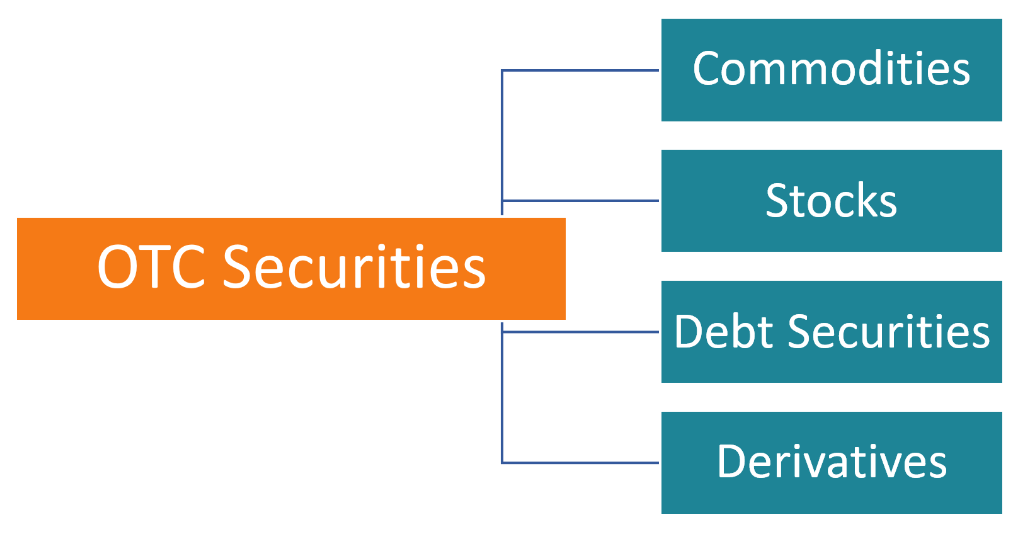
In the traditional landscape of finance, the image of the stock market is often dominated by the frantic energy of the New York Stock Exchange (NYSE) or the digital precision of the NASDAQ. However, there exists a massive, decentralized, and often misunderstood parallel universe known as the “Over-the-Counter” (OTC) market. When an investor asks, “What’s over the counter?” they are moving beyond the bright lights of major exchanges and entering a realm where billions of dollars in equities, bonds, and derivatives change hands through a global network of broker-dealers.

The OTC market is the frontier of the financial world. It is a place where burgeoning startups, international conglomerates, and distressed companies coexist. For the savvy investor, it represents a landscape of untapped potential; for the unwary, it can be a minefield of volatility and limited transparency. Understanding how this market functions is essential for anyone looking to diversify their portfolio beyond the standard S&P 500 listings.
Understanding the OTC Market Landscape
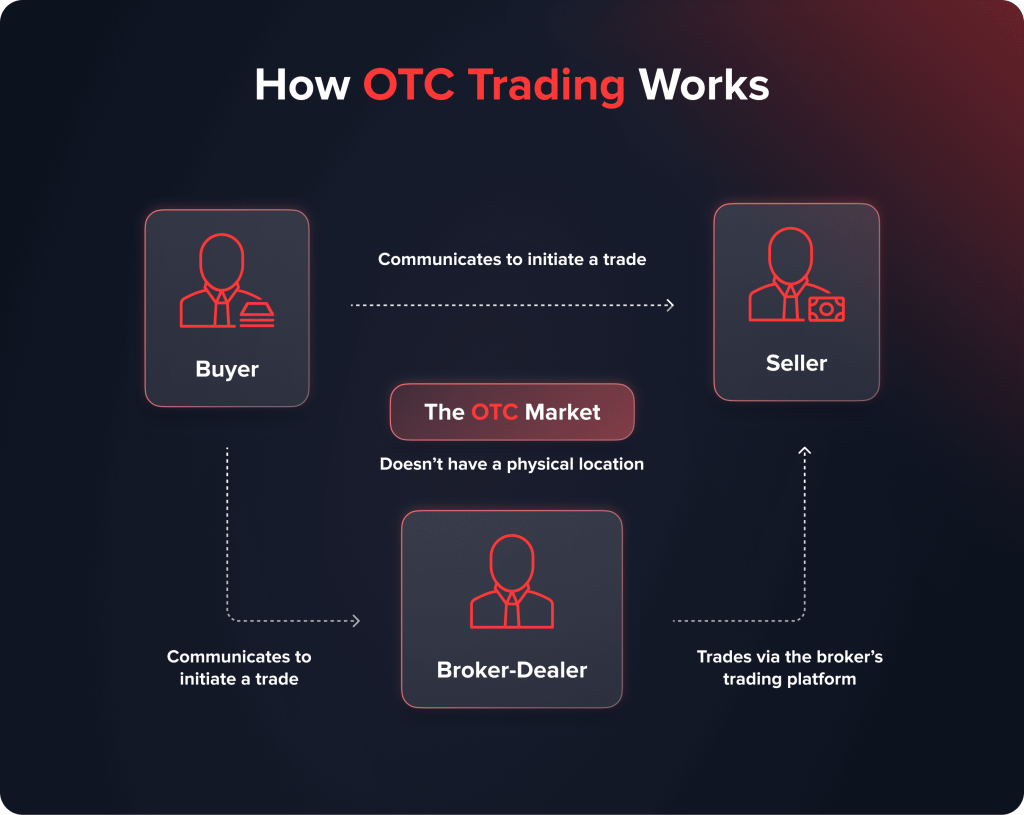
At its core, the OTC market is a decentralized market where participants trade stocks, commodities, currencies, or other instruments directly between two parties without a central exchange or broker. Unlike the NYSE, which has a physical floor and a centralized location, the OTC market is virtual, existing entirely within the digital communication networks of financial institutions.
The Mechanics of Decentralized Trading
In a centralized exchange, the exchange itself acts as a middleman, ensuring that buyers and sellers are matched and that trades are executed fairly. In the OTC world, trading is facilitated by “market makers.” These are professional broker-dealers who hold an inventory of specific securities and stand ready to buy or sell them at publicly quoted prices.
Because there is no central clearinghouse for every transaction, the “bid-ask spread”—the difference between the price a buyer is willing to pay and the price a seller is willing to accept—tends to be wider in the OTC market. This reflects the increased risk and lower volume typically associated with these securities.
OTC vs. Exchange-Traded Assets
The primary difference between OTC and exchange-traded assets lies in the listing requirements. Major exchanges require companies to meet stringent financial standards, including minimum share prices, specific levels of shareholder equity, and rigorous quarterly reporting.
Many companies do not meet these requirements, or they choose not to meet them to avoid the associated costs and regulatory burdens. These companies trade “over the counter.” While this includes the infamous “penny stocks,” it also includes massive foreign corporations that prefer not to deal with the complexities of a full U.S. exchange listing.
The Tiers of the OTC Markets Group
Not all OTC stocks are created equal. The OTC Markets Group, the leading operator of financial markets for OTC securities, has organized the market into distinct tiers based on the quality and quantity of information the companies provide. Understanding these tiers is the first step in assessing the risk of an OTC investment.
OTCQX: The Best of the Best
The OTCQX is the “Best Market” tier. It is reserved for established, investor-focused companies that meet high financial standards and undergo third-party advisory reviews. Companies on the OTCQX are not penny stocks; many are large international corporations or high-growth U.S. companies. They must provide audited financial statements and are prohibited from being in bankruptcy. For an investor, the OTCQX offers a level of transparency that rivals major exchanges, making it the safest entry point into the OTC world.
OTCQB: The Venture Market
The OTCQB is known as the “Venture Market.” It is designed for early-stage or developing U.S. and international companies that are not yet able to qualify for the OTCQX. To be listed here, companies must be current in their reporting with a U.S. regulator (like the SEC) and must undergo an annual management certification process. While more speculative than the OTCQX, the OTCQB still requires a baseline of transparency that protects investors from the “dark” corners of the market.
Pink Open Market: Speculative Frontiers
The Pink Open Market (often historically referred to as the “Pink Sheets”) is the most diverse and volatile tier. It includes everything from legitimate foreign companies to defunct “shell” corporations. The Pink market is further divided by the level of information provided:
- Current Information: Companies that follow International Reporting Standards or provide regular updates.
- Limited Information: Companies that may have financial problems or are delinquent in their filings.
- No Information: These are the “Dark” companies. They provide no public disclosure, and trading in them is considered highly speculative and risky.
Why Companies Choose the OTC Route
It is a common misconception that companies only trade OTC because they are “failing.” While some are indeed in financial distress, many healthy and profitable companies choose the OTC market for strategic reasons.
Lower Regulatory Barriers and Costs
Maintaining a listing on a major exchange like the NASDAQ can cost a company hundreds of thousands of dollars annually in listing fees, legal costs, and compliance expenses. For a small but growing company, these resources might be better spent on research, development, or scaling operations. The OTC market provides a venue for these companies to raise capital and offer liquidity to shareholders without the prohibitive overhead of a major exchange.
ADRs: Bringing International Giants to Domestic Investors
One of the most common reasons high-quality stocks trade OTC is through American Depositary Receipts (ADRs). Many global giants—such as Nintendo, Tencent, or Roche—choose not to list directly on the NYSE to avoid the redundant regulatory hurdles of the SEC when they are already regulated by their home country’s authorities.
Instead, they trade on the OTCQX or Pink markets as ADRs. This allows U.S. investors to buy shares in these global leaders in U.S. dollars during U.S. trading hours, providing an essential bridge to international diversification.
Risks and Rewards of Trading Over the Counter
The OTC market is often described as the “Wild West” of finance, a reputation that is earned through both its incredible success stories and its cautionary tales.
The Liquidity Challenge and Price Volatility
The most significant risk in the OTC market is liquidity—or the lack thereof. Because these stocks are not traded as frequently as those on the S&P 500, it can be difficult to enter or exit a position quickly without significantly affecting the stock price.
If you own a large block of shares in a thinly traded OTC company and try to sell them all at once, you may find that there are no buyers at the current price, forcing you to accept a much lower value. This lack of liquidity often leads to extreme price volatility, where a stock can move 20% or 30% in a single day on very little news.
Due Diligence and the “Penny Stock” Stigma
The OTC market is the natural habitat of the “penny stock”—equities trading for less than $5 per share. Because of the lower reporting requirements in the Pink Market tier, these stocks are susceptible to “pump and dump” schemes, where unscrupulous promoters artificially inflate the price of a stock through misleading statements before selling their own shares at a profit, leaving retail investors with worthless paper.
This makes “due diligence” the most important tool in an OTC investor’s kit. You cannot rely on a flashy website or a social media tip; you must dive into the balance sheets, understand the business model, and verify the management team’s history.
Building a Strategy for OTC Investing
Investing in the OTC market requires a different mindset than trading blue-chip stocks. It is closer to venture capital than traditional stock picking.
Essential Tools and Brokerage Requirements
Not all brokers allow for easy OTC trading. Some discount brokerages charge extra fees for OTC transactions, while others restrict trading in the “No Information” (Pink) tier entirely to protect their clients. To trade effectively, investors need a platform that provides real-time Level 2 quotes—showing the different “bid” and “ask” prices from various market makers—rather than just the last sale price. This visibility is crucial for understanding the true market sentiment and avoiding overpaying for a security.
Monitoring Corporate Disclosures
In the absence of a central exchange’s oversight, the burden of monitoring falls on the investor. This means regularly checking the OTC Markets Group website for “Caveat Emptor” (Buyer Beware) warnings or changes in a company’s reporting status. Successful OTC investors often focus on “unlisted” companies that have a clear path to “uplist” to a major exchange. When a company successfully moves from the OTCQB to the NASDAQ, it often experiences a significant surge in price as institutional investors and mutual funds are finally allowed to buy in.
Conclusion
What’s “over the counter” is more than just a collection of small-cap stocks; it is a vital, multi-tiered ecosystem that provides liquidity to the innovators of tomorrow and the international titans of today. For the disciplined investor, the OTC market offers the chance to find value where others aren’t looking. By understanding the tiers of transparency, recognizing the strategic reasons for OTC listings, and respecting the inherent risks of volatility and liquidity, you can navigate this complex market with confidence. The OTC market proves that in finance, as in life, the most interesting opportunities are often found just off the beaten path.
aViewFromTheCave is a participant in the Amazon Services LLC Associates Program, an affiliate advertising program designed to provide a means for sites to earn advertising fees by advertising and linking to Amazon.com. Amazon, the Amazon logo, AmazonSupply, and the AmazonSupply logo are trademarks of Amazon.com, Inc. or its affiliates. As an Amazon Associate we earn affiliate commissions from qualifying purchases.