
Navigating the landscape of personal finance often feels like a full-time job, and no event in the financial calendar is more significant—or potentially more expensive—than tax season. For millions of taxpayers, TurboTax is the go-to solution. Owned by Intuit, it has become the gold standard for DIY tax preparation software. However, for those trying to budget their seasonal expenses, the question “How much does TurboTax cost?” rarely has a simple answer.
TurboTax utilizes a dynamic pricing model that scales based on the complexity of your financial life and the level of professional assistance you require. Understanding these costs is essential for any savvy consumer looking to balance the need for accuracy with the desire to minimize overhead. This guide breaks down the current pricing tiers, hidden fees, and the overall value proposition of the platform.

Understanding the TurboTax Pricing Structure
The cost of using TurboTax is not a flat fee. Instead, it is a modular system designed to capture different segments of the market, from students with a simple W-2 to real estate moguls with complex portfolios.
The “Free Edition” vs. Paid Tiers
TurboTax famously offers a “Free Edition.” However, it is important to distinguish between “Free” and “Free for Everyone.” The Free Edition is strictly for “simple tax returns” only. This generally includes W-2 income, limited interest and dividend income (1099-INT/DIV), and the standard deduction. If you have student loan interest, unemployment income, or itemized deductions, you will likely be prompted to upgrade to a paid version.
Federal vs. State Filing Fees
One of the most common surprises for first-time users is the separation of federal and state filing fees. While a package price might seem reasonable for your federal return, TurboTax typically charges an additional fee (often ranging from $39 to $59) for each state return filed. If you lived or worked in multiple states during the year, these costs can accumulate quickly, significantly impacting your total “Money” out the door.
Seasonal Pricing Fluctuations
TurboTax employs “early bird” pricing strategies. Generally, if you file in January or February, you will encounter lower base prices. As the April 15th deadline approaches, Intuit frequently raises the prices across all tiers. From a financial planning perspective, filing early is not just about getting your refund sooner; it is a direct strategy to lower your tax preparation expenses.
Breaking Down the Packages: Which One Do You Need?
Choosing the right package is a critical financial decision. Selecting a tier that is too high results in wasted money, while selecting one too low may lead to missed deductions or an eventual forced upgrade mid-process.
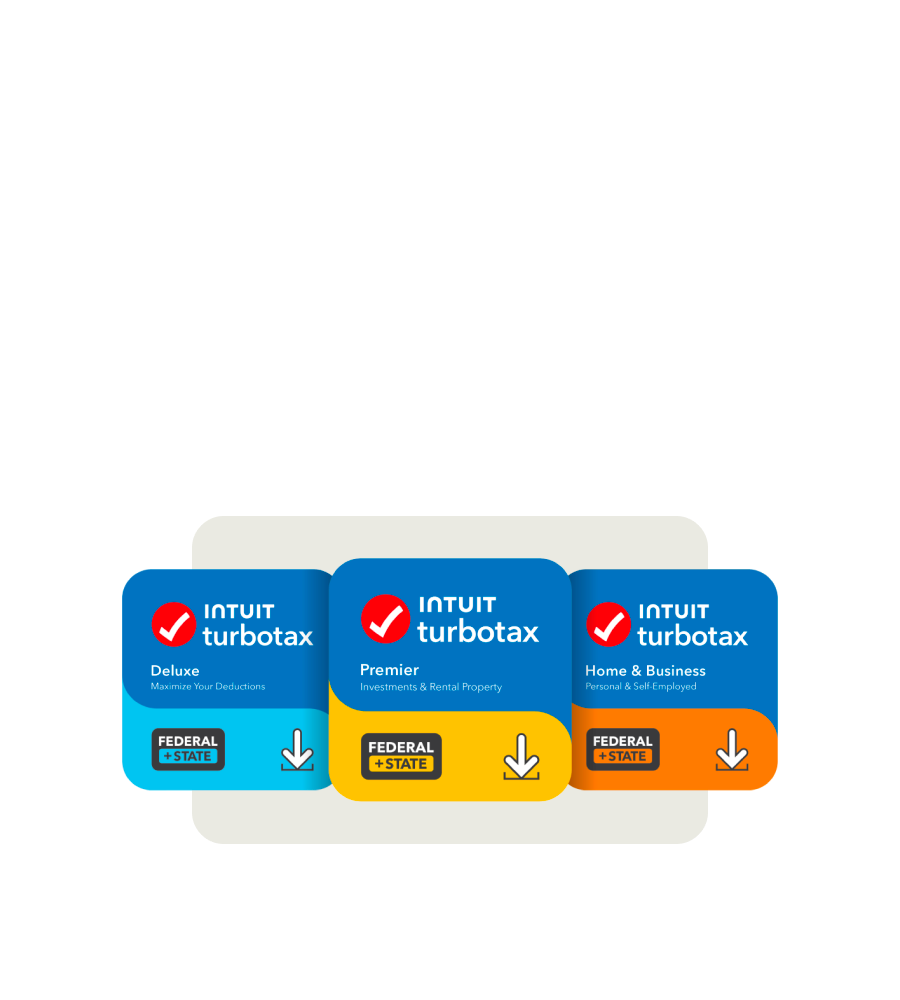
Deluxe: For Homeowners and Deductions
The Deluxe version is TurboTax’s most popular paid tier. It is designed for those who want to maximize their deductions beyond the standard deduction. If you own a home (mortgage interest), donate significantly to charity, or have high medical expenses, Deluxe is the baseline. Financially, the cost of the software is often offset by the “ItsDeductible” feature, which helps accurately value donated items to lower your taxable income.
Premier: For Investments and Rental Property
In the modern economy, more people are investing in stocks, bonds, and cryptocurrency. The Premier tier is specifically tailored for these individuals. It includes tools to automatically import investment data from thousands of financial institutions, saving hours of manual entry. Furthermore, if you own rental property, Premier provides the necessary forms to report rental income and expenses. While the price point is higher, the time-value of money—and the reduction of manual errors—often justifies the cost for active investors.
Self-Employed: For Freelancers and Small Business Owners
The “Money” niche has seen a massive rise in side hustles and the gig economy. The Self-Employed tier (often integrated into “Premium” in recent branding updates) is the most expensive DIY option. It handles 1099-NEC income, Schedule C business expenses, and industry-specific deductions. For a small business owner, this cost is generally a deductible business expense, which is a crucial financial nuance to remember.
The “Live” Factor: Adding Human Expertise
In recent years, TurboTax has pivoted toward “TurboTax Live,” a service that bridges the gap between software and a CPA. This represents the highest price point on the platform but offers a different level of financial security.
TurboTax Live Assisted
This version allows you to complete your taxes yourself while having unlimited access to tax experts on demand. You can share your screen, ask questions about specific financial events (like selling a home or an inheritance), and have a final review of your return before you file. For many, the cost of “Assisted” acts as an insurance policy against audits and errors.
TurboTax Live Full Service
For those who want to completely outsource their tax obligations, “Full Service” is the top-tier offering. You simply upload your documents, and a dedicated tax expert handles everything from start to finish. This is the most direct competitor to a local accounting firm. From a personal finance standpoint, you must weigh the high cost of this service against the professional fee of a local CPA, as the prices are often comparable.
Hidden Costs and How to Save Money
The “sticker price” of TurboTax is rarely the final amount you pay. To manage your finances effectively, you must be aware of the “add-ons” that Intuit promotes throughout the filing process.
Add-ons: Refund Processing and Audit Defense
Two of the most common hidden costs are “Refund Processing” and “Audit Defense (MAX).”
- Refund Processing: If you choose to pay your TurboTax fees out of your federal refund rather than with a credit card, TurboTax charges a significant “convenience fee” (often around $40). From a wealth-building perspective, this is a poor financial move, as it represents a very high “interest rate” for a short-term convenience.
- Audit Defense: This provides representation in the event of an IRS audit. While it offers peace of mind, the statistical likelihood of an audit for the average W-2 filer is low, making this an optional expense that many can afford to skip.
Strategies to Lower Your Total Bill
There are several ways to reduce the cost of TurboTax:
- Financial Institution Discounts: Many banks and brokerages (like Fidelity, Chase, or Vanguard) offer their customers discounted or even free versions of TurboTax.
- Affiliate Links: Major retailers like Amazon and Costco often sell “Base” versions of the software (desktop downloads) at a steep discount compared to the online “cloud” versions.
- The “Free File” Program: If your Adjusted Gross Income (AGI) is below a certain threshold (typically $79,000), you may be eligible for the IRS Free File program, which includes brand-name software at no cost.
Cost vs. Value: Is TurboTax Worth the Investment?
When analyzing the cost of TurboTax from a business and personal finance perspective, one must look beyond the price tag and evaluate the “value.”
Comparing TurboTax to Competitors
TurboTax is generally the most expensive option on the market. Competitors like FreeTaxUSA offer federal filing for free and state filing for a fraction of the cost of TurboTax. However, TurboTax wins on user interface and data import capabilities. If your time is worth $100 an hour and TurboTax saves you three hours of data entry compared to a cheaper alternative, the software has paid for itself.
The Cost of Peace of Mind
In the realm of money management, accuracy is paramount. TurboTax offers a “100% Accurate Calculations Guarantee.” If you are forced to pay an IRS penalty due to a calculation error by the software, they will pay the penalty and interest. For taxpayers with complex financial lives, this guarantee provides a level of psychological and financial security that “cheaper” methods may lack.

Final Verdict
So, how much does TurboTax cost? For a simple filer, it can be $0. For a complex, self-employed investor who wants a professional to do it for them, it can exceed $500 once state fees and expert assistance are factored in.
To maximize your personal finance health, the goal should not necessarily be to find the “cheapest” way to file, but the most “efficient” way. By understanding the tiers, avoiding high-interest convenience fees, and leveraging early-bird discounts, you can ensure that your tax preparation costs remain a controlled and justifiable part of your annual financial plan.
aViewFromTheCave is a participant in the Amazon Services LLC Associates Program, an affiliate advertising program designed to provide a means for sites to earn advertising fees by advertising and linking to Amazon.com. Amazon, the Amazon logo, AmazonSupply, and the AmazonSupply logo are trademarks of Amazon.com, Inc. or its affiliates. As an Amazon Associate we earn affiliate commissions from qualifying purchases.