
When we ask “what’s in” the Starbucks Pumpkin Spice Latte (PSL), the answer transcends a list of ingredients like espresso, steamed milk, and pumpkin spice sauce. From a brand strategy perspective, the PSL is a complex cocktail of psychological triggers, cultural engineering, and masterful marketing execution. Since its debut in 2003, the PSL has evolved from a simple seasonal beverage into a global cultural phenomenon that signals the start of autumn more effectively than the equinox itself.
To understand the success of the PSL is to understand the “ingredients” of a perfect brand strategy. It is a masterclass in how a corporation can manufacture a tradition, leverage scarcity, and maintain brand relevance across decades. This article deconstructs the strategic components that make the Pumpkin Spice Latte the most successful seasonal product in history.
The Ingredient of Scarcity: Mastering the Limited-Time Offer (LTO)
The most potent “ingredient” in the PSL isn’t the nutmeg or the cinnamon; it is the ticking clock. Starbucks has perfected the art of the Limited-Time Offer (LTO), using it to create a sense of urgency that transcends traditional consumer behavior.
The Psychology of Finiteness
By restricting the availability of the PSL to a narrow window—typically from late August through November—Starbucks utilizes the psychological principle of scarcity. When a product is perceived as scarce, its perceived value increases. Fans of the drink aren’t just buying a latte; they are participating in a fleeting opportunity. This “now or never” mentality drives immediate foot traffic and prevents the brand fatigue that often accompanies year-round products.
Ritualistic Branding and the Calendar Reset
Starbucks has successfully anchored the PSL to a specific emotional transition: the end of summer and the beginning of “cozy” season. In the world of branding, this is known as “habit stacking” on a seasonal scale. The brand has essentially hijacked the calendar, ensuring that for millions of consumers, the first sip of a PSL is the official ritual that inaugurates the fall. By owning a specific time of year, Starbucks ensures a recurring revenue stream that is as predictable as the tides.
The Ingredient of Sensory Identity: Building a Multi-Dimensional Brand
A brand is not just a logo; it is a collection of sensory experiences. What’s inside the PSL is a carefully curated sensory profile designed to trigger deep-seated emotional responses. This is a core pillar of corporate identity: creating a product that is recognizable even if the logo were removed.
Olfactory Branding and Emotional Anchoring
The “spice” in the Pumpkin Spice Latte—clove, ginger, and nutmeg—is scientifically linked to memory and emotion. These scents often evoke nostalgia, reminding consumers of home, holidays, and comfort. By consistently delivering this specific aromatic profile, Starbucks practices “emotional anchoring.” Every time a customer smells those spices in a Starbucks store, the brand reinforces a feeling of safety and warmth. This isn’t accidental; it’s a deliberate design of the brand experience to foster long-term loyalty.
Visual Cues and the “Instagrammable” Aesthetic
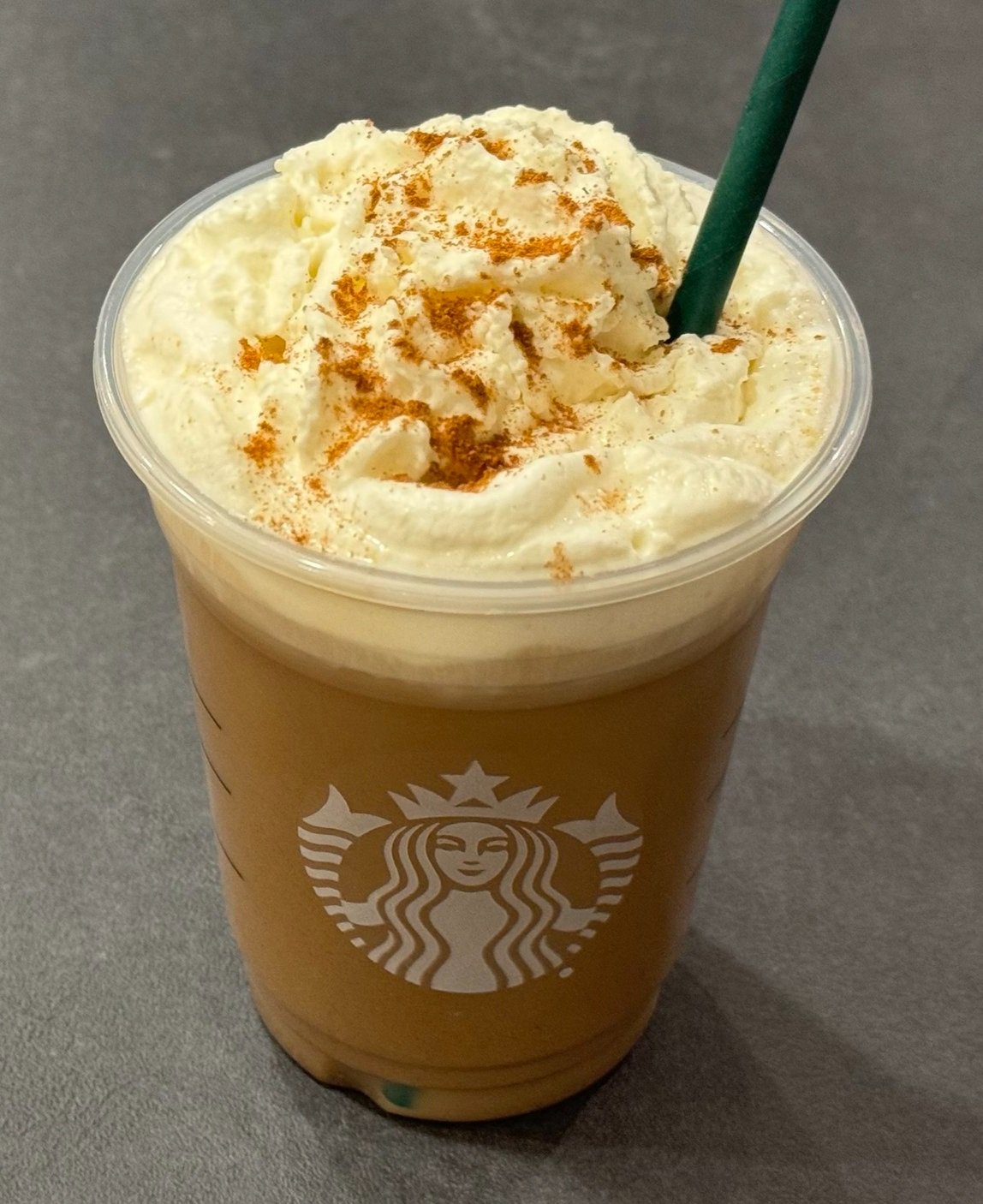
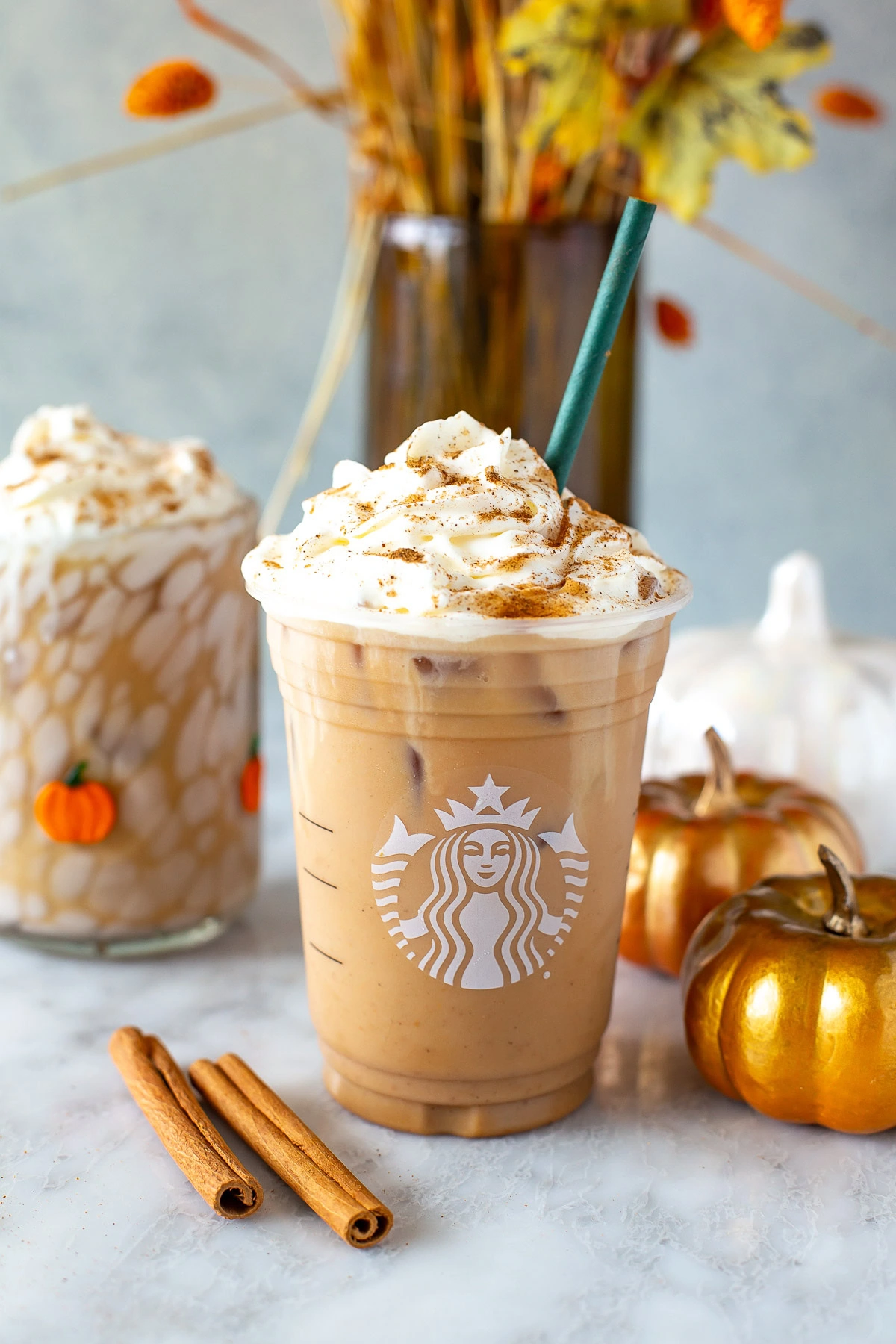
The visual identity of the PSL is as important as its taste. The distinctive orange hue of the sauce and the signature dusting of spices on a cloud of whipped cream are designed for the visual age. In the mid-2010s, as social media began to dominate brand discovery, the PSL became the ultimate prop. Its “aesthetic” matched the burgeoning fall fashion trends—oversized sweaters, boots, and scarves. Starbucks recognized that the drink functioned as a lifestyle accessory, a component of a customer’s personal branding.
The Ingredient of Community and Cultural Integration
Perhaps the most fascinating “ingredient” in the PSL is the way Starbucks managed to integrate the drink into the cultural zeitgeist. Most brands fear becoming a meme; Starbucks embraced it.
Navigating the “Basic” Archetype
For a period, the Pumpkin Spice Latte became synonymous with the “basic” trope—a derogatory term for someone who follows mainstream trends without much deviation. A weaker brand might have pivoted away from the product to avoid the stigma. Instead, Starbucks’ marketing team leaned in. They recognized that being “basic” was actually a sign of massive market penetration. By acknowledging the meme culture, Starbucks humanized its brand, making it relatable and resilient.
User-Generated Content as a Marketing Engine
Starbucks doesn’t need to spend as much on traditional advertising for the PSL because their community does the work for them. The “PSL Season” launch is a viral event fueled by user-generated content (UGC). When customers post photos of their first cup of the year, they are providing social proof to their entire network. This peer-to-peer marketing is the “secret sauce” that gives the PSL a reach that no billboard could ever achieve. The brand exists not just on a menu, but in the digital conversations of its consumers.
The Ingredient of Brand Evolution: Transparency and Trust
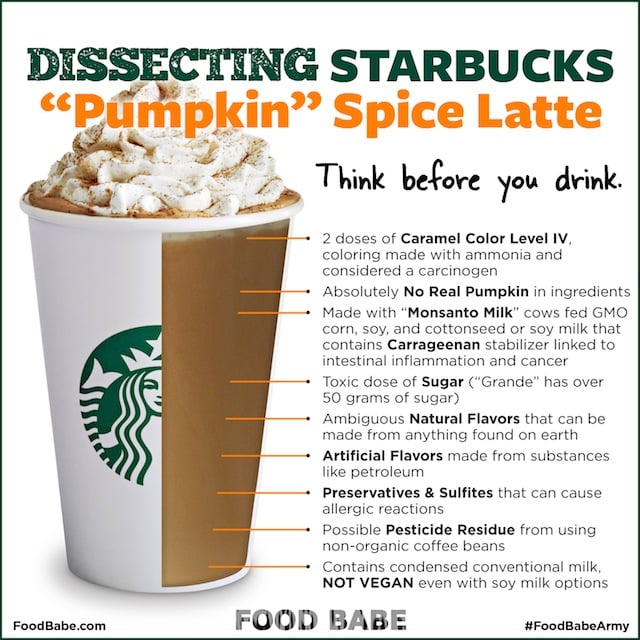
In 2015, Starbucks made a significant change to what was literally “in” the Pumpkin Spice Latte. Responding to consumer demand for cleaner labels, they removed caramel coloring and added real pumpkin purée. This move was a strategic play in brand integrity and corporate identity.
Adapting to Consumer Values
The shift toward “real ingredients” was a defensive brand strategy. As wellness trends moved into the mainstream, Starbucks had to ensure that its flagship seasonal product didn’t become a liability. By updating the recipe, they protected the brand’s reputation for quality. It demonstrated that the company was listening to its audience, which is a critical component of maintaining brand trust in the modern era.
The “Halo Effect” on the Portfolio
The PSL does more than just sell itself; it serves as a “halo product.” When customers enter a store for a PSL, they are exposed to the wider Starbucks ecosystem—the seasonal merchandise, the breakfast sandwiches, and the mobile app. The PSL is the “hook” that drives customer acquisition and retention. It introduces the brand to new demographics and reminds dormant customers why they liked Starbucks in the first place. This strategic positioning ensures that the “value” of the PSL is measured not just in its own sales, but in the lift it provides to the entire corporate portfolio.
Conclusion: The Architecture of an Icon
What’s in the Starbucks Pumpkin Spice Latte? It is a blend of 20% product innovation and 80% brand strategy. It is the result of a corporate identity that understands the power of nostalgia, the utility of social media, and the undeniable draw of scarcity.
Starbucks has created more than a drink; they have built a seasonal institution. They have mastered the “Third Place” philosophy—the idea that Starbucks is a home away from home—and condensed it into a 16-ounce paper cup. By focusing on the emotional and cultural ingredients of the brand, Starbucks has ensured that the Pumpkin Spice Latte remains a permanent fixture of the global marketing landscape.
For other brands, the lesson is clear: long-term success isn’t just about what you sell, but about the stories you tell and the rituals you create. The PSL is proof that when a brand successfully integrates itself into the lifestyle and traditions of its customers, it becomes more than a commodity—it becomes an essential part of the cultural fabric. As long as there is a chill in the air and a craving for comfort, the “ingredients” of the Pumpkin Spice Latte will continue to drive one of the most successful brand stories in history.
aViewFromTheCave is a participant in the Amazon Services LLC Associates Program, an affiliate advertising program designed to provide a means for sites to earn advertising fees by advertising and linking to Amazon.com. Amazon, the Amazon logo, AmazonSupply, and the AmazonSupply logo are trademarks of Amazon.com, Inc. or its affiliates. As an Amazon Associate we earn affiliate commissions from qualifying purchases.