
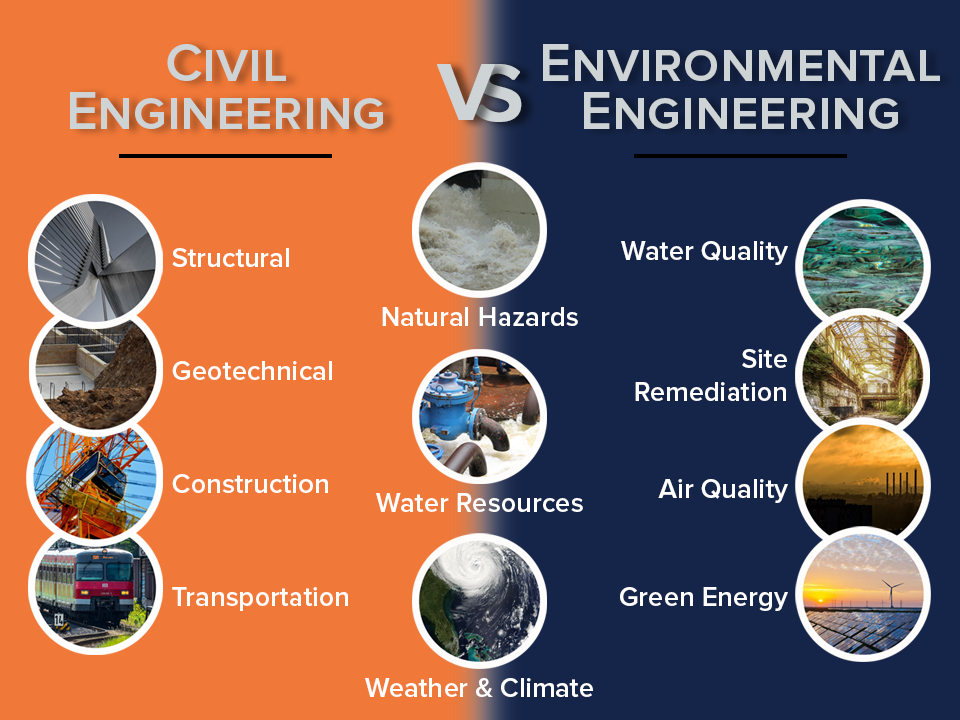
Civil engineering has traditionally been perceived as the discipline of physical construction—the art of moving earth, pouring concrete, and erecting steel. However, in the 21st century, the definition of civil engineering has undergone a radical transformation. It is no longer just a field of manual labor and static blueprints; it has evolved into a high-tech powerhouse driven by software, data analytics, and artificial intelligence. To understand what civil engineering is today is to understand a sophisticated technological ecosystem that designs, builds, and maintains the world’s most complex infrastructure using digital precision.
The Digital Backbone: From Blueprints to Building Information Modeling (BIM)
The most significant shift in civil engineering tech has been the transition from 2D drafting to multi-dimensional modeling. For decades, engineers relied on Computer-Aided Design (CAD) to replicate paper drawings on a screen. Today, the industry has moved toward Building Information Modeling (BIM), a process that integrates every aspect of a structure into a single, intelligent digital representative.
The Power of 7D Modeling
While many are familiar with 3D modeling, modern civil engineering utilizes “7D” BIM. This tech-driven approach includes the traditional three dimensions of space, but adds time (4D scheduling), cost (5D estimating), sustainability (6D energy analysis), and facility management (7D lifecycle operations). By using software like Autodesk Revit or Bentley Systems, engineers can simulate the entire lifecycle of a bridge or skyscraper before a single stone is turned. This minimizes errors, reduces material waste, and ensures that the physical asset functions exactly as the digital model predicted.
Interoperability and Cloud Collaboration
Modern civil engineering relies heavily on the cloud. Platforms like BIM 360 allow structural engineers, architects, and electrical technicians to work on the same model in real-time. This cloud-based interoperability eliminates the “silo effect,” where different departments work in isolation. If a structural engineer moves a load-bearing pillar in the digital model, the change is instantly reflected across all disciplines, ensuring that the technology maintains the integrity of the design throughout the project.
Intelligent Infrastructure: The Rise of Smart Cities and IoT
Civil engineering is increasingly becoming synonymous with the development of “Smart Cities.” In this context, the discipline is less about the thickness of the asphalt and more about the sensors embedded within it. The integration of the Internet of Things (IoT) into infrastructure allows for real-time monitoring and data-driven decision-making.
Structural Health Monitoring (SHM) Sensors
One of the most vital tech applications in modern civil engineering is Structural Health Monitoring. By embedding fiber-optic sensors and accelerometers into bridges, dams, and tunnels, engineers can monitor “live” data regarding stress, vibration, and environmental degradation. This technology transforms “dumb” concrete into “smart” infrastructure. When a sensor detects a micro-fracture or an unusual level of corrosion, it sends an automated alert to the maintenance team, allowing for repairs long before a catastrophic failure occurs.
Geographic Information Systems (GIS) and Urban Data
Civil engineers now utilize advanced Geographic Information Systems (GIS) to map and analyze urban environments. Software like Esri’s ArcGIS allows engineers to overlay layers of data—such as traffic patterns, water runoff, and population density—onto a geographical map. This tech stack enables engineers to design infrastructure that isn’t just physically sound, but also digitally optimized for the specific needs of an evolving urban population.
AI and Generative Design: Optimizing the Built Environment
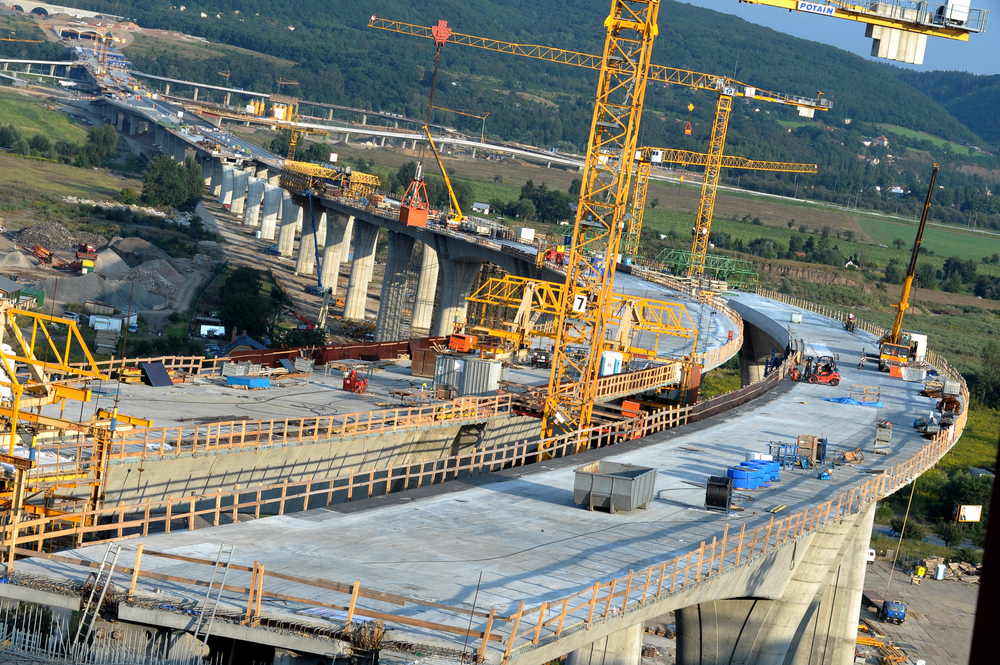
Artificial Intelligence (AI) and Machine Learning (ML) are no longer confined to the world of Silicon Valley; they are now core components of civil engineering software. These tools are being used to solve complex optimization problems that would take human engineers months to calculate.
Generative Design Algorithms
Generative design is a paradigm shift in how structures are conceived. Instead of an engineer drawing a design, they input specific parameters—such as weight limits, material types, and environmental loads—into an AI-driven software. The algorithm then iterates through thousands of potential designs to find the most efficient and sustainable option. This often results in organic, highly efficient shapes that use significantly less material while maintaining maximum strength. It is civil engineering’s answer to high-performance computing.
Predictive Analytics for Project Management
Beyond design, AI is used to manage the logistics of massive civil projects. Machine learning algorithms analyze historical data from past projects to predict potential delays, budget overruns, and safety risks. By processing variables like weather patterns, supply chain fluctuations, and labor availability, AI tools provide civil engineers with a “crystal ball” that helps keep multi-billion-dollar infrastructure projects on track.
Robotics and Automation in Construction Technology
The physical act of building is also being revolutionized by technology. Civil engineering now encompasses the development and deployment of robotics, drones, and automated systems that increase precision and safety on the job site.
Autonomous Drones and LiDAR Surveying
Traditional surveying used to take weeks of manual labor. Today, civil engineers deploy autonomous drones equipped with Light Detection and Ranging (LiDAR) technology. These drones can fly over vast terrains—such as a new highway route or a mountain range—and generate high-resolution 3D topographical maps in a matter of hours. This data is then fed directly into engineering software, providing an unprecedented level of accuracy for site analysis and earthwork calculations.
3D Concrete Printing and Robotic Assembly
The emergence of 3D concrete printing is perhaps the most futuristic aspect of modern civil engineering. Massive robotic arms can now “print” walls and structural components layer by layer based on a digital file. This tech reduces human error, cuts down on material waste, and allows for the creation of complex geometries that would be impossible to form with traditional molds. Furthermore, robotic bricklayers and automated welding machines are becoming common on sites, ensuring that the physical execution of civil engineering projects matches the precision of the digital designs.
The Future: Digital Twins and Virtual Reality (VR)
As we look toward the future, the boundary between the physical and digital worlds in civil engineering will continue to blur. The industry is currently moving toward the widespread adoption of “Digital Twins” and immersive visualization technologies.
The Era of the Digital Twin
A Digital Twin is a dynamic, virtual replica of a physical asset that is continuously updated with real-time data from its physical counterpart. In civil engineering, a digital twin of a water treatment plant or a subway system allows operators to run “what-if” simulations. Engineers can virtually test how a system will handle a 100-year flood or a massive power outage without risking the actual infrastructure. This technology enables a proactive approach to maintenance and disaster management that was previously unimaginable.
Virtual and Augmented Reality in Stakeholder Engagement
Virtual Reality (VR) and Augmented Reality (AR) have become essential tools for visualization. Before a project is even approved, civil engineers can use VR headsets to give stakeholders a “walkthrough” of a proposed bridge or transit hub. Augmented Reality, meanwhile, allows engineers on a construction site to use tablets or smart glasses to “see” through walls or underground. By overlaying digital blueprints onto the physical world, AR helps workers identify the exact location of buried pipes or electrical conduits, preventing costly strikes and improving overall site safety.
Conclusion: A Tech-First Discipline
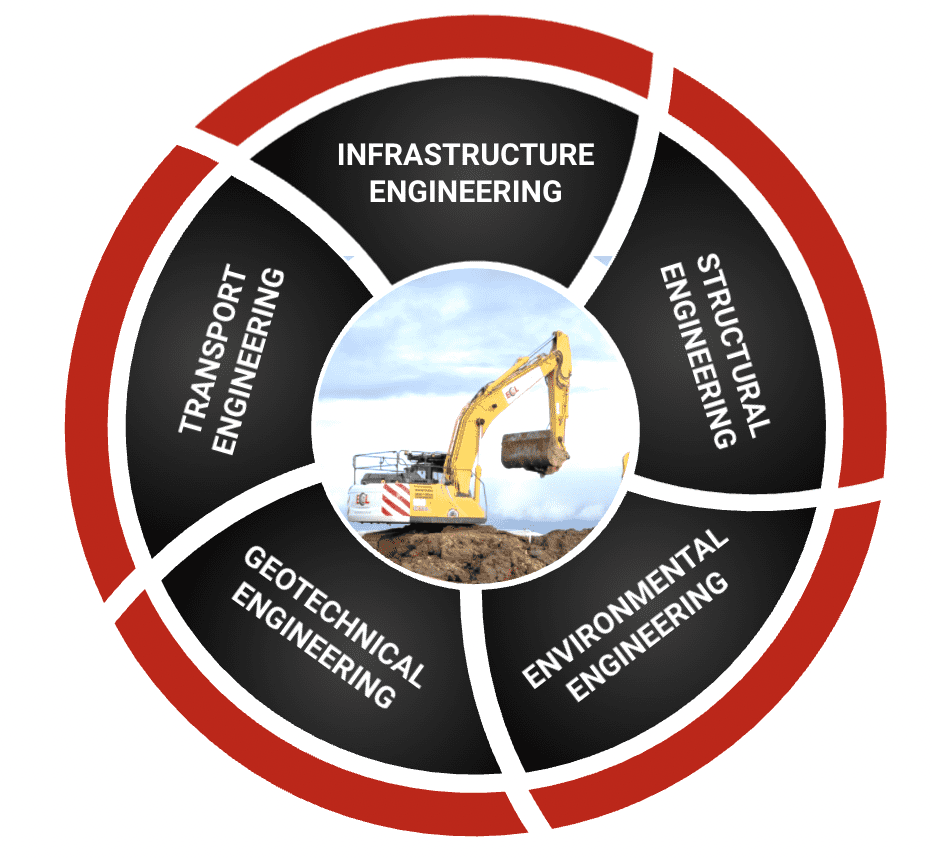
In summary, if you ask “what is civil engineering” today, the answer is a sophisticated blend of software engineering, data science, and mechanical automation. While the ultimate goal remains the creation of safe and sustainable public works, the tools used to achieve that goal have moved into the high-tech realm. From AI-optimized designs and IoT-enabled bridges to 3D-printed buildings and digital twins, civil engineering is at the forefront of the global technological revolution. It is an industry where code is as important as concrete, and where the digital model is the foundation of the physical world.
aViewFromTheCave is a participant in the Amazon Services LLC Associates Program, an affiliate advertising program designed to provide a means for sites to earn advertising fees by advertising and linking to Amazon.com. Amazon, the Amazon logo, AmazonSupply, and the AmazonSupply logo are trademarks of Amazon.com, Inc. or its affiliates. As an Amazon Associate we earn affiliate commissions from qualifying purchases.