
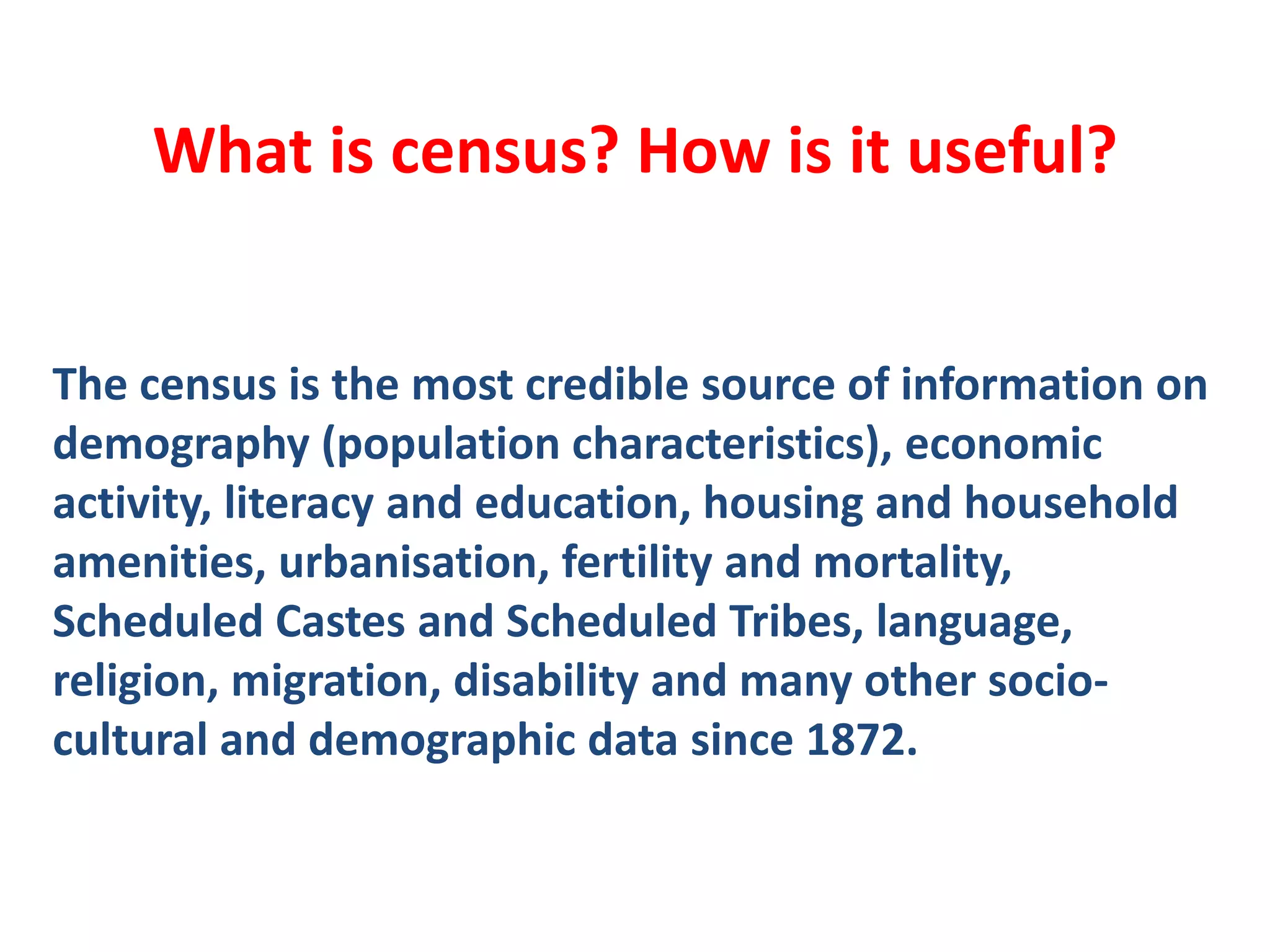
In the traditional sense, a “census” refers to the systematic procedure of acquiring and recording information about the members of a given population. However, in the rapidly evolving landscape of technology and data management, the term has taken on a sophisticated new meaning. Today, Census is known as a leading pioneer in the “Reverse ETL” (Extract, Transform, Load) space—a critical layer of the modern data stack that empowers organizations to turn their data warehouses into engines of operational growth.
As businesses migrate their operations to the cloud, the challenge is no longer just collecting data, but rather making that data actionable. Census solves the “last mile” problem of data analytics by ensuring that the insights sitting in a data warehouse are automatically synced back into the tools that teams use every day, such as Salesforce, HubSpot, Zendesk, and Marketo.
The Evolution of Data Infrastructure: From ETL to Reverse ETL
To understand what Census is, one must first understand the architectural shift that occurred in the last decade. For years, the primary goal of data engineering was to move data from various SaaS applications into a central repository—usually a cloud data warehouse like Snowflake, BigQuery, or Amazon Redshift. This process is known as ETL.
The Rise of the Cloud Data Warehouse
The cloud data warehouse became the “Single Source of Truth” (SSOT). It allowed data scientists and analysts to run complex SQL queries and build comprehensive BI (Business Intelligence) dashboards. While these dashboards provided excellent historical insights, they were passive. A sales representative rarely logs into a BI tool to see which customers are likely to churn; they live in their CRM.
The “Data Silo” Problem
Despite having a centralized warehouse, the actual operational tools used by marketing, sales, and support teams remained silos. The data in the warehouse was “trapped.” Teams often resorted to manual CSV uploads or brittle, custom-coded API integrations to move data back out. This is where Census enters the frame, introducing a streamlined, automated way to reverse the flow of data.
Defining Reverse ETL
Reverse ETL is the process of copying data from a central data warehouse to functional SaaS systems of record. Census acts as the middleware that translates the structured data of a warehouse into the specific API requirements of various third-party apps. By doing so, it shifts the focus from “Reactive Analytics” (looking at what happened) to “Operational Analytics” (acting on data in real-time).
How Census Works: The Mechanics of Data Synchronization
Census is designed to be a “low-code” or “no-code” platform for data practitioners. It sits on top of the data warehouse, meaning it does not store your data; rather, it acts as a conductor, orchestrating the movement of data between points A and B.
Connecting to the Source of Truth
The first step in using Census is connecting it to the data warehouse. Because Census supports all major cloud warehouses, the setup is typically a matter of providing credentials and permissions. Once connected, Census can “see” the tables, views, and models that the data team has already curated. This is a significant advantage over traditional integration tools (like Zapier), which often require complex logic to handle large datasets.
Mapping Fields and Handling Conflict Resolution
One of the most technical hurdles in data synchronization is ensuring that data from a SQL table maps correctly to the specific fields in a tool like Salesforce. Census provides a visual mapping interface where users can define which warehouse columns correspond to which app fields. It also handles the complexities of “Upsert” logic—determining whether to create a new record or update an existing one based on a unique identifier (like an email address or internal ID).
Real-time vs. Scheduled Synchronization
Data relevance is often tied to its freshness. Census allows users to define the frequency of syncs. For some use cases, a daily refresh is sufficient. For others, such as triggering a marketing email based on an in-app action, “Continuous Sync” is required. Census monitors the warehouse for changes (using techniques like change data capture or incremental snapshots) and pushes only the updated records, minimizing API consumption and maximizing efficiency.
The Strategic Value of Operational Analytics

The tech world has moved beyond simple data visualization. Today’s high-growth companies rely on operational analytics to maintain a competitive edge. Census is the primary vehicle for this strategy, enabling several high-impact use cases across the enterprise.
Sales Enablement and CRM Enrichment
In many organizations, sales teams operate with incomplete information. They might see a contact in Salesforce but have no visibility into how that contact is actually using the product. By using Census to sync product usage data (e.g., “Number of logins in the last 7 days” or “Features enabled”) from the warehouse into Salesforce, reps can prioritize leads based on actual engagement. This turns a cold CRM into a dynamic list of “Product Qualified Leads” (PQLs).
Customer Success and Proactive Health Scoring
Customer success teams use Census to build sophisticated health scores. Instead of manually calculating health in a spreadsheet, the data warehouse calculates a score based on support tickets, payment history, and product activity. Census then pushes this score into tools like Gainsight or Zendesk. If a score drops below a certain threshold, an automated alert can be triggered, allowing the team to intervene before a customer churns.
Marketing Personalization at Scale
Modern marketing requires extreme personalization. Sending the same email to every user is no longer effective. With Census, marketing teams can create dynamic segments in the warehouse—such as “Users who abandoned cart but are high-value”—and sync those segments directly into email platforms like Braze or Mailchimp. This ensures that every marketing touchpoint is informed by the totality of the company’s data, not just the data available within the marketing tool itself.
Implementing Census: Best Practices for Digital Security and Governance
Moving data between systems involves inherent risks. When dealing with PII (Personally Identifiable Information) and sensitive corporate metrics, security cannot be an afterthought. Census is built with a “security-first” architecture that addresses the concerns of modern IT departments.
Ensuring SOC2 Compliance and Encryption
Census is SOC2 Type II compliant, which is the gold standard for service organizations managing customer data. The platform ensures that all data is encrypted both in transit (using TLS) and at rest. Because Census does not persist the data from your warehouse—it merely passes it through—the “attack surface” is significantly reduced compared to platforms that store copies of your database.
Managing API Quotas and Rate Limiting
A common technical failure in DIY integrations is hitting the API limits of SaaS providers. For example, Salesforce limits the number of API calls a company can make in a 24-hour period. Census includes built-in “back-off” logic and rate-limiting features. It intelligently batches updates to ensure that syncs remain reliable without crashing the receiving system or incurring overage charges.
The Importance of Data Observability
When a sync fails, the data team needs to know why immediately. Census provides detailed observability logs and alerting. If a record fails to sync because of a formatting error in the destination app, Census flags the specific record and the error message. This allows data engineers to maintain high data integrity and trust across the organization.
The Future of Operational Analytics and Census
As we look toward the future of the modern data stack, the role of Census is likely to expand beyond simple synchronization. We are seeing a convergence of AI and operational analytics, where the “Transform” layer of the data stack includes machine learning models that predict user behavior.
AI-Driven Data Activation
Imagine a warehouse model that predicts the “Lifetime Value” (LTV) of a customer using a Python script. Census can take that AI-generated prediction and push it into a Facebook Ads Manager to create a “Lookalike Audience” of high-value prospects. This creates a closed-loop system where data science directly informs marketing spend in real-time.
The Decoupling of the Tech Stack
Census is a key player in the “unbundling” of SaaS. In the past, companies bought massive, all-in-one suites (like Oracle or SAP) because they wanted their data to be in one place. Today, companies prefer “best-of-breed” tools—using Slack for communication, Snowflake for data, and Salesforce for sales. Census provides the connective tissue that makes this decoupled approach possible, ensuring that even though the tools are separate, the data remains unified.
In conclusion, “what’s Census” is no longer just a question about population statistics. In the world of technology, Census is the vital link that transforms the data warehouse from a stagnant graveyard of information into a vibrant, pulsing heart of business operations. By mastering Reverse ETL, organizations can ensure that their most valuable asset—their data—is always in the right place, at the right time, and in the hands of the people who can use it to drive growth.
aViewFromTheCave is a participant in the Amazon Services LLC Associates Program, an affiliate advertising program designed to provide a means for sites to earn advertising fees by advertising and linking to Amazon.com. Amazon, the Amazon logo, AmazonSupply, and the AmazonSupply logo are trademarks of Amazon.com, Inc. or its affiliates. As an Amazon Associate we earn affiliate commissions from qualifying purchases.