
The release of Spider-Man: No Way Home represented more than just a cinematic milestone; it was a masterclass in brand management, nostalgic marketing, and intellectual property (IP) synergy. As the dust settles on the Multiversal chaos, the central question for industry analysts and brand strategists isn’t just about the next plot point, but rather: What is the strategic trajectory for the Spider-Man brand in a post-peak landscape?
Navigating the future of one of the world’s most valuable commercial assets requires a delicate balance between innovation and heritage. Following the monumental success of the “Homecoming” trilogy, the brand faces the “successor’s dilemma”—how to maintain momentum when the previous iteration achieved a perceived ceiling of scale and emotional resonance.
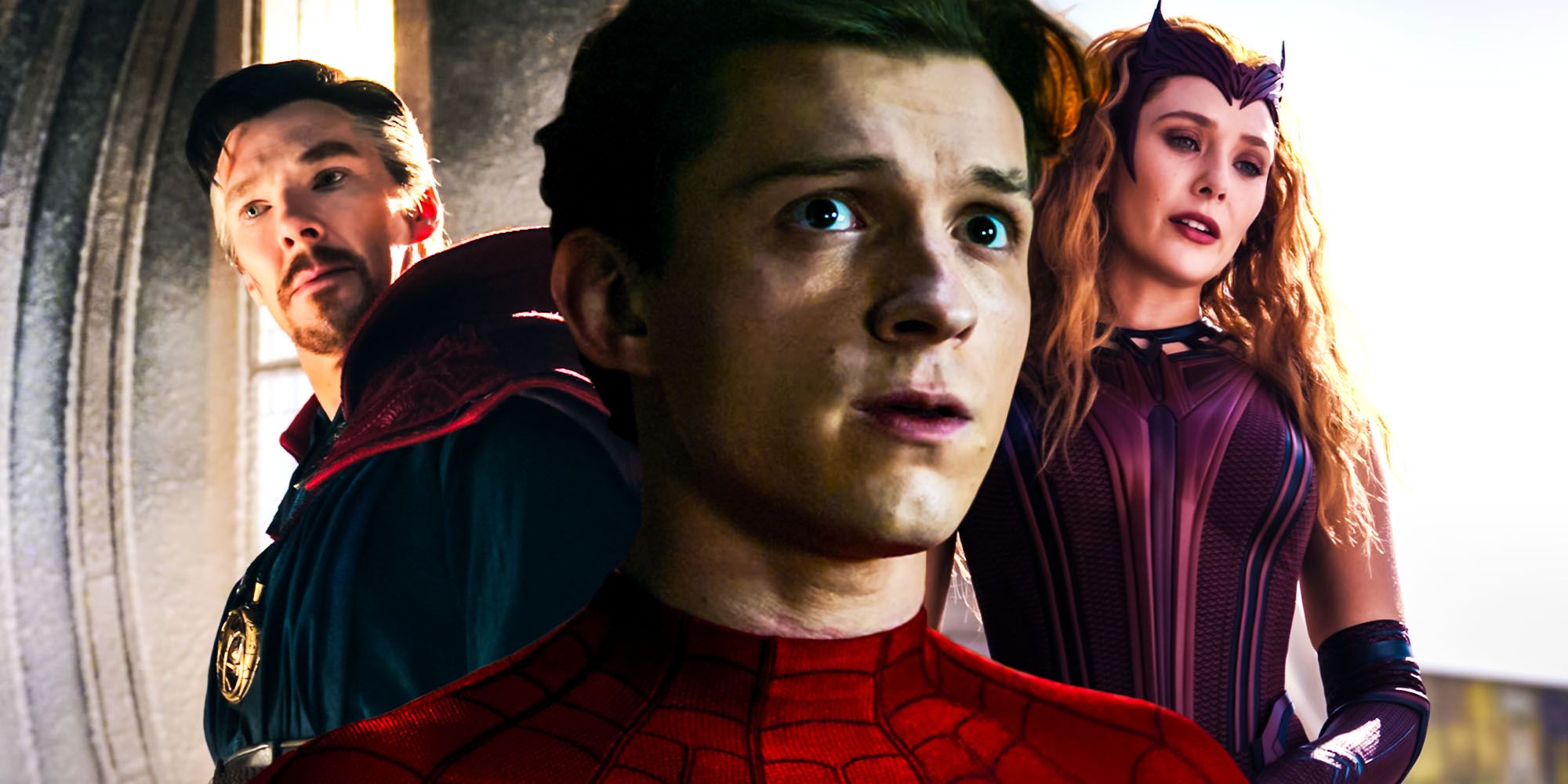
The Co-Branding Masterclass: Sony and Marvel’s Strategic Alliance
The most critical element of the Spider-Man brand’s current strength is the unprecedented partnership between Sony Pictures and Disney’s Marvel Studios. This collaboration serves as a primary case study in “co-opetition,” where two rival entities share a single asset to maximize collective market share.
Navigating Complex IP Ownership
Unlike most superhero brands, Spider-Man exists in a fragmented legal landscape. Sony holds the film rights, while Marvel (Disney) retains merchandising and certain television rights. The strategic brilliance following No Way Home lies in how both brands have learned to leverage this friction. By integrating Peter Parker into the Marvel Cinematic Universe (MCU), Sony increased the character’s “brand equity” by association with a larger ecosystem. Conversely, Marvel gained access to a flagship character that drives high-volume engagement. Moving forward, the brand strategy focuses on “cross-pollination”—ensuring that the Spider-Man name elevates Sony’s burgeoning “Spider-Verse” of spin-offs while remaining a foundational pillar of the MCU.
The Shared Universe as a Marketing Moat
The shared universe is no longer just a narrative device; it is a marketing moat. By connecting Spider-Man to a broader web of characters, the brand creates a high switching cost for consumers. To follow the story, audiences must engage with multiple platforms and film series. Post-No Way Home, the strategy is to broaden this moat by positioning Spider-Man as the “connective tissue” between different filmic realities. This allows for a diversified portfolio of content—ranging from the gritty, street-level stories of the MCU to the avant-garde animation of the Spider-Verse films—all under a single, cohesive brand umbrella.
Scaling the Multiverse: Brand Dilution vs. Expansion
With the introduction of the Multiverse, the Spider-Man brand has effectively unlocked “infinite inventory.” However, this presents a significant branding risk: dilution. When multiple versions of a character exist simultaneously, the “core” brand identity can become blurred.
Maintaining Core Identity Across Variants
The strategic response to potential brand dilution is the “Core Values” approach. Whether the protagonist is Peter Parker, Miles Morales, or Gwen Stacy, the brand maintains a consistent set of values: relatability, the burden of responsibility, and the “underdog” archetype. By anchoring different iterations of the character in these universal truths, the brand can expand into various demographics without losing its soul. For instance, Miles Morales allows the brand to speak to a younger, more diverse urban demographic, while the return of legacy actors like Tobey Maguire appeals to Gen X and Millennial nostalgia. This “multi-lane” strategy ensures that the brand remains relevant across all age groups simultaneously.

The “Nostalgia Loop” as a Brand Growth Strategy
No Way Home proved that nostalgia is a powerful engine for brand growth, but it is not a sustainable long-term strategy on its own. The “Nostalgia Loop” involves using legacy elements to onboard new audiences into future narratives. Strategically, the brand is now moving from “looking back” to “building forward.” The inclusion of past iterations served as a high-value marketing event that reset the character’s status quo. The “brand reboot” at the end of the film—returning Peter Parker to a lonely, low-tech environment—is a calculated move to strip away the brand’s reliance on larger-than-life gadgets and return to the “Friendly Neighborhood” roots that originally built its global loyalty.
Digital Ecosystems and Transmedia Storytelling
In the modern era, a brand is only as strong as its presence across multiple touchpoints. Spider-Man’s post-No Way Home strategy relies heavily on transmedia storytelling—the practice of telling a single story across multiple platforms to create a unified brand experience.
Expanding Beyond the Silver Screen
The Spider-Man brand has successfully transcended cinema to dominate the gaming and digital sectors. The collaboration with Insomniac Games on the PlayStation platform is a key pillar of the brand’s current strength. These games are not merely “tie-ins”; they are prestige products that carry the same brand weight as the films. This multi-platform presence ensures that even in the years between movie releases, the brand remains “top-of-mind” for consumers. The strategy here is “constant engagement,” utilizing high-quality digital experiences to maintain brand heat and drive merchandise sales, which remain the most profitable segment of the Spider-Man IP.
Community Engagement and Fandom as Brand Equity
Modern branding is a two-way conversation. The Spider-Man brand excels at leveraging its “Fandom Equity.” Through social media, interactive marketing, and fan events, the brand managers treat the audience as stakeholders. This was evident in the marketing campaign for No Way Home, which utilized “controlled leaks” and community theories to build unprecedented hype. Moving forward, the brand is leaning into “User-Generated Content” (UGC) and community-driven narratives. By empowering fans to create and share their own Spider-Man stories and art, the brand fosters a sense of ownership among its consumers, leading to lifelong brand loyalty that is resistant to market shifts.
The Future of the Spider-Man Brand Identity
As we look toward the next decade, the Spider-Man brand is undergoing a subtle but profound identity shift. It is transitioning from a “superhero brand” to a “lifestyle brand” that represents resilience and personal growth.
Transitioning the “Friendly Neighborhood” Persona
The strategic goal for the next phase of Spider-Man is to lean into the “relatability” factor as a competitive advantage. While other superhero brands focus on cosmic scales and god-like powers, Spider-Man’s brand positioning is “The Hero Who Could Be You.” This positioning is highly effective in a post-pandemic market where consumers are seeking authenticity and human connection. By focusing on Peter Parker’s struggles with rent, relationships, and identity, the brand reinforces its unique value proposition: it is the most human of the major franchises. This “Human-Centric Branding” allows the IP to pivot into more mature storytelling or lighter, comedic tones without losing its audience.

Global Market Positioning in the Next Decade
Spider-Man is one of the few Western brands with near-universal appeal in international markets, particularly in Asia and Latin America. The future strategy involves “Hyper-Localization.” This doesn’t mean changing the character, but rather tailoring the marketing and peripheral content to reflect local cultures. We are already seeing this with the introduction of “Spider-Man India” (Pavitr Prabhakar) and other international variants. By diversifying the face of the brand, the IP can penetrate emerging markets more deeply, ensuring that Spider-Man remains the world’s premier fictional icon.
In conclusion, what’s after Spider-Man: No Way Home is not just a sequel, but a sophisticated expansion of a multi-billion dollar brand ecosystem. By leveraging strategic partnerships, managing the complexities of the Multiverse, embracing transmedia digital growth, and doubling down on human relatability, the Spider-Man brand is positioned to remain a dominant force in the global marketplace for generations to come. The “web” is no longer just a narrative device—it is the structure of a global brand that shows no signs of losing its grip.
aViewFromTheCave is a participant in the Amazon Services LLC Associates Program, an affiliate advertising program designed to provide a means for sites to earn advertising fees by advertising and linking to Amazon.com. Amazon, the Amazon logo, AmazonSupply, and the AmazonSupply logo are trademarks of Amazon.com, Inc. or its affiliates. As an Amazon Associate we earn affiliate commissions from qualifying purchases.