
In the rapidly evolving landscape of the 21st century, the term “neurodivergent” has moved from the fringes of clinical psychology into the heart of the global technology sector. Originally coined in the late 1990s by sociologist Judy Singer, neurodivergence refers to the idea that neurological differences—such as Autism, ADHD, Dyslexia, and Dyspraxia—are natural variations in the human genome rather than inherent flaws that need to be “fixed.” In the realm of technology, this concept has sparked a revolution.
As we move deeper into the era of Artificial Intelligence and hyper-personalized digital experiences, understanding what it means to be neurodivergent is no longer just a matter of social awareness; it is a critical component of software engineering, user experience (UX) design, and the future of work. This article explores the intersection of neurodivergence and technology, examining how digital tools are bridging the gap for neurodistinct individuals and how the industry itself is being reshaped by their unique perspectives.
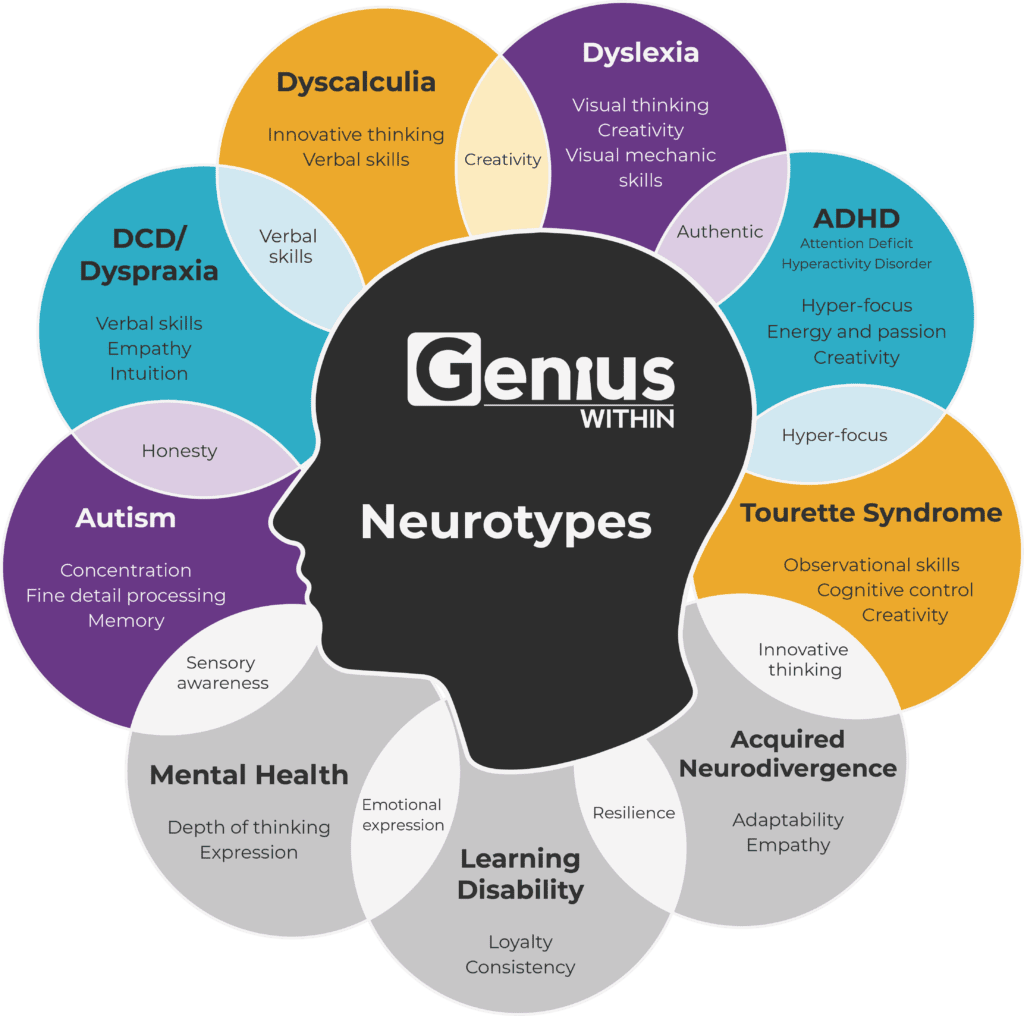
The Neuro-Tech Connection: Why the Digital World Values Cognitive Diversity
The relationship between the technology sector and neurodivergent individuals is deep and historic. Often referred to as the “Silicon Valley phenomenon,” there has long been a correlation between high-tech environments and the cognitive traits associated with the neurodivergent community, particularly Autism and ADHD.
From Biological Variation to Digital Logic
For many neurodivergent individuals, the structured, logical, and binary nature of computing provides a predictable environment that contrasts with the often-overwhelming nuances of social interaction. Software development, data analysis, and cybersecurity require deep focus, pattern recognition, and an eye for systemic inconsistencies—traits that are frequently heightened in neurodivergent brains. In this context, neurodivergence is not a deficit but a specialized “operating system.” Just as a computer might run on Linux rather than Windows, a neurodivergent brain processes information through a different architecture, often leading to innovative problem-solving that linear thinkers might overlook.
The Innovation Premium of Neurodistinct Talent
The tech industry is increasingly recognizing a “neurodiversity premium.” Companies like Microsoft, SAP, and Dell have launched specific neurodiversity hiring programs, not out of charity, but because they have identified that neurodivergent employees often possess superior skills in areas like hyper-focus, complex pattern matching, and “out-of-the-box” creative thinking. In an industry where the next big disruption depends on seeing what others miss, having a workforce that literally thinks differently is a massive competitive advantage.
AI and Assistive Technologies: The Rise of Cognitive Prosthetics
Perhaps the most exciting development for neurodivergent individuals is the rise of “Cognitive Prosthetics”—technologies designed to augment or support executive functions. For someone with ADHD or Dyslexia, the right software stack can be the difference between professional burnout and peak performance.
AI Tools as Executive Function Support
Executive dysfunction—difficulty with planning, organizing, and initiating tasks—is a hallmark of many neurodivergent profiles. Artificial Intelligence is proving to be a game-changer in this arena. Large Language Models (LLMs) like GPT-4 act as a “buffer” between complex thoughts and structured output. For an individual with ADHD who struggles with “the blank page,” AI can generate outlines or summarize dense information, lowering the cognitive load required to start a task. Similarly, AI-driven scheduling tools can predict “time blindness” and provide adaptive reminders that help users stay on track without the fatigue of manual planning.
Natural Language Processing (NLP) for Communication
For those on the Autism spectrum, navigating the subtleties of corporate communication can be exhausting. Tech is stepping in with NLP tools that analyze the tone of emails or Slack messages. These tools can “translate” neurotypical subtext or suggest ways to phrase feedback that are more likely to be received as intended. On the flip side, speech-to-text and text-to-speech technologies have revolutionized the professional lives of those with Dyslexia or Dysgraphia, allowing them to bypass the physical or cognitive hurdles of traditional writing and focus entirely on the quality of their ideas.
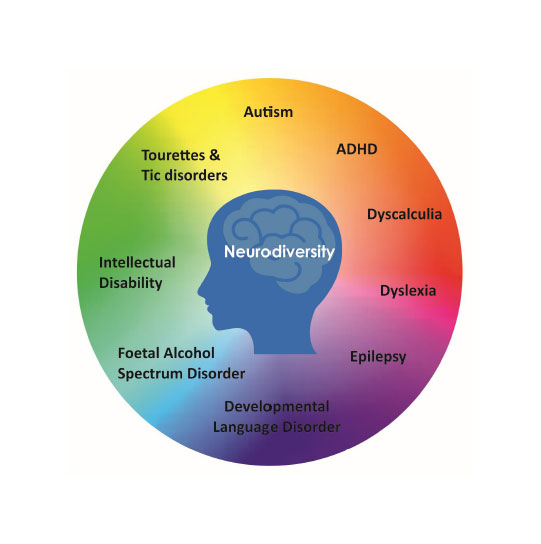
Neuro-Inclusive UX: Designing for the Cognitive Spectrum
As our lives become increasingly digital, the way software is designed determines who can participate in society. Neuro-inclusive design is a burgeoning field within Tech that moves beyond simple accessibility (like screen readers for the blind) to address cognitive accessibility.
Principles of Cognitive Accessibility
Standard web design often relies on high-stimulus environments—pop-ups, autoplay videos, and complex navigation menus. For neurodivergent users, particularly those with sensory processing sensitivities, this can lead to “digital overwhelm.” Neuro-inclusive UX focuses on clarity, predictability, and user control. This includes providing “dark mode” to reduce visual overstimulation, using sans-serif fonts designed for Dyslexia, and ensuring that navigation is consistent across all pages.
Reducing Sensory Overload in Software Interfaces
Modern software is often “loud.” Notifications, haptic feedback, and bright colors compete for our attention. Tech companies are now beginning to implement “Focus Modes” and “Reduced Motion” settings as standard features. By allowing users to toggle off non-essential stimuli, developers are creating environments where neurodivergent users can thrive. This “curated sensory experience” is not just beneficial for those with ADHD or Autism; it reflects a broader tech trend toward intentionality and digital well-being that benefits all users in an age of information overload.
The Future of the Neuro-Tech Landscape
Looking ahead, the integration of neurodivergent perspectives into the tech ecosystem will continue to drive innovation in hardware and software alike. We are moving toward a future where “one size fits all” technology is replaced by highly adaptive systems.
Specialized Project Management and the “Body Doubling” App Trend
We are seeing a surge in “niche tech” developed by neurodivergent founders for neurodivergent users. Apps like Tiimo (visual scheduling) or platforms that offer virtual “body doubling”—where users work silently on camera together to maintain focus—are gaining traction. These tools are often more effective than traditional project management software because they are built on the lived experience of how neurodivergent brains actually function, rather than how they “should” function.
Ethical Considerations and Data Privacy
As we lean more heavily on AI and data-driven tools to support neurodivergent individuals, ethical questions arise. Much of the tech that helps neurodivergent people requires the collection of highly sensitive behavioral data. There is a fine line between “assistive technology” and “digital surveillance.” As the tech industry matures, ensuring that neurodivergent users have agency over their data and that algorithms do not inadvertently penalize neurodistinct behaviors (for example, in AI-driven hiring assessments) will be a critical challenge for developers and regulators.
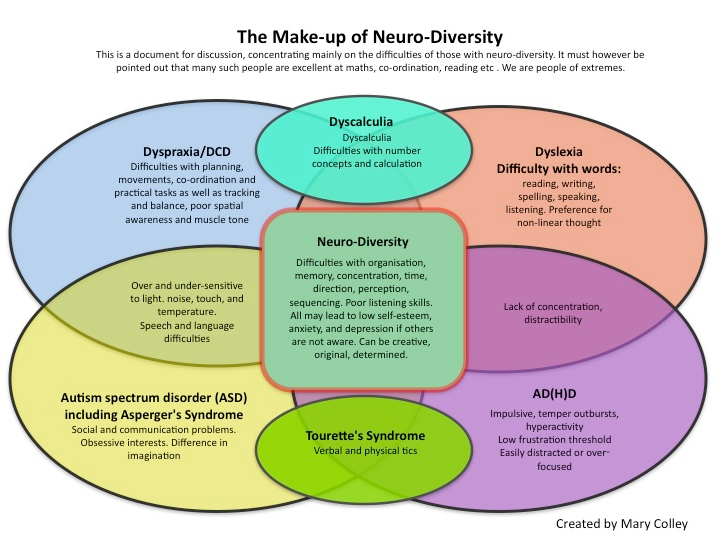
Conclusion
Understanding “what’s a neurodivergent” in the context of technology reveals a powerful synergy. The tech industry provides the tools for neurodivergent individuals to navigate a world often not built for them, while neurodivergent minds provide the creative friction and analytical depth necessary to push technology forward.
As we continue to build the digital infrastructure of the future, the goal is clear: to move beyond “accommodation” and toward a paradigm of “universal design.” By building software and hardware that respects the full spectrum of human cognition, we create a digital world that is more efficient, more creative, and ultimately more human for everyone. The future of tech isn’t just about faster processors or smarter AI; it’s about creating a world where every brain, regardless of its “operating system,” has the tools to excel.
aViewFromTheCave is a participant in the Amazon Services LLC Associates Program, an affiliate advertising program designed to provide a means for sites to earn advertising fees by advertising and linking to Amazon.com. Amazon, the Amazon logo, AmazonSupply, and the AmazonSupply logo are trademarks of Amazon.com, Inc. or its affiliates. As an Amazon Associate we earn affiliate commissions from qualifying purchases.