
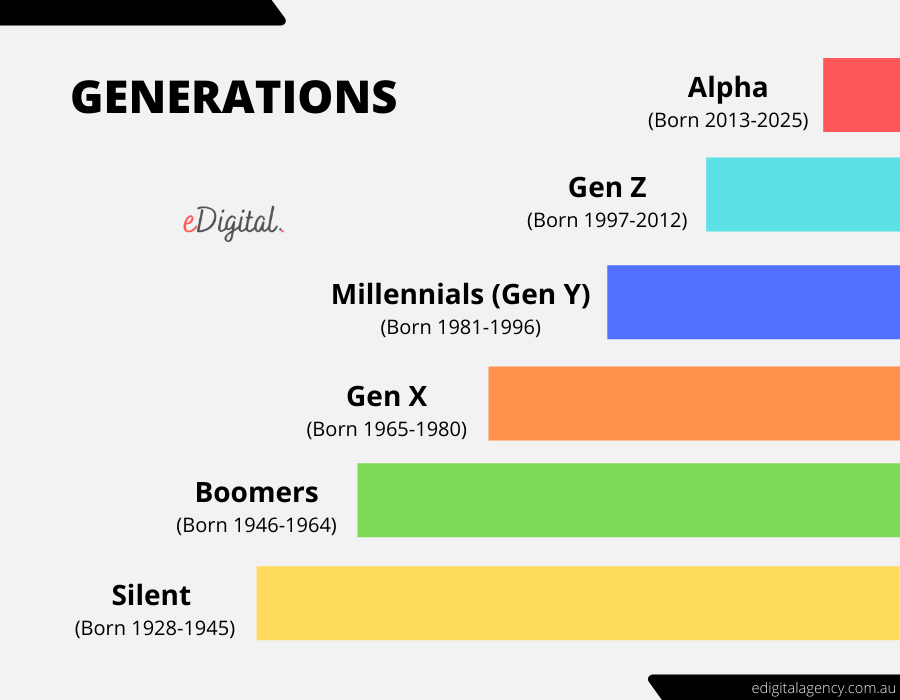
Understanding the specific demographic boundaries of a generation is more than a chronological exercise; for brand strategists and marketers, it is a prerequisite for survival. When we ask, “What year was Gen Z?” we are identifying a cohort born roughly between 1997 and 2012. This group, now transitioning from adolescence into prime spending power, represents the most significant shift in consumer behavior since the Baby Boomers.
To brand effectively for Gen Z, one must understand that they are the first true digital natives. Unlike Millennials, who remember the transition from analog to digital, Gen Z has never known a world without high-speed internet, smartphones, and the instantaneous feedback loop of social media. This article explores how these birth years define a generation’s identity and how brands must evolve their strategies to capture the loyalty of this discerning, value-driven demographic.

Defining the Gen Z Era: Why the “When” Matters for Brand Strategy
The timeline of 1997 to 2012 is not arbitrary. It marks a period of rapid technological acceleration and global socio-economic shifts that have fundamentally baked certain expectations into the Gen Z psyche. For a brand, knowing these dates is the first step in segmenting a market that refuses to be categorized by traditional metrics.
The 1997–2012 Timeline: More Than Just a Date
Sociologists and the Pew Research Center settled on 1997 as the starting point for Generation Z because it marks a clear break from the Millennial experience. Those born in 1997 were barely toddlers during 9/11 and have no cognitive memory of the pre-smartphone era. This lack of “analog nostalgia” means their brand expectations are rooted in efficiency, connectivity, and digital integration. For a brand strategy to work, it must acknowledge that Gen Z does not see a “digital world” and a “physical world”—to them, it is one seamless reality.
Historical Context: Growing Up with the iPhone and Social Media
The formative years of Gen Z coincide with the release of the iPhone (2007) and the explosion of platforms like Instagram and Snapchat. This has created a generation that is hyper-aware of personal branding. From a young age, Gen Z-ers have curated their own digital identities, making them experts at spotting inauthenticity. When a corporate brand attempts to use “Gen Z slang” or forced memes, the demographic sees through it instantly. Their upbringing in a 24/7 news cycle has also made them more pragmatic and cynical than their Millennial predecessors.
The Shift from Millennial Optimism to Gen Z Realism
If Millennials were defined by the “participation trophy” and the hope of the early 2000s, Gen Z was defined by the Great Recession, the climate crisis, and a global pandemic. These “Gen Z years” have fostered a consumer who values stability, transparency, and ethics. Brands can no longer rely on aspirational imagery alone; they must provide utility and demonstrate a commitment to solving real-world problems.
The Core Values Driving Gen Z Brand Loyalty
To build a brand that resonates with those born between 1997 and 2012, companies must pivot away from traditional “push” marketing. Gen Z does not want to be sold to; they want to be understood. Their loyalty is earned through a demonstration of shared values.
Radical Authenticity and the “No-Filter” Aesthetic
For years, branding was about perfection—airbrushed models and curated lifestyles. Gen Z has rejected this in favor of radical authenticity. This is the generation that popularized “photo dumps” and “lo-fi” content. In branding, this translates to a “human-centric” approach. Brands that show behind-the-scenes footage, acknowledge their mistakes, and use diverse, unedited imagery are seeing higher engagement. The goal is to move from “corporate entity” to “relatable personality.”
Social Responsibility: Brands as Activists
Gen Z is the most ethnically and racially diverse generation in history, and their purchasing power is often used as a form of activism. They expect brands to take a stand on social issues, from climate change to racial justice. However, this comes with a caveat: “Performative activism” is a brand killer. If a company posts a black square on Instagram but lacks diversity in its boardroom, Gen Z will lead the charge in “canceling” that brand. Authenticity in brand purpose is mandatory.
Inclusivity and Representation in Visual Design
Brand design for Gen Z must be inherently inclusive. This goes beyond just featuring different people in advertisements; it involves rethinkings the entire brand identity. Is the language gender-neutral? Is the website accessible to those with disabilities? Does the brand celebrate “fluidity” in all its forms? Gen Z sees the world through a lens of intersectionality, and they gravitate toward brands that reflect this complex reality.
Strategic Communication: How to Reach Gen Z Where They Live
Understanding what years define Gen Z is only half the battle; the other half is knowing where they spend their time and how they consume information. Traditional television ads and even standard Facebook marketing are largely ineffective for this group.
Short-Form Video Content: TikTok and the Death of Traditional Ads
The “Gen Z years” saw the rise of the 15-second attention span. Platforms like TikTok and Instagram Reels have revolutionized brand storytelling. To reach Gen Z, brands must master the art of “edutainment”—content that provides value or entertainment within the first three seconds. The most successful brands on these platforms are those that allow their social media managers to have a distinct, often irreverent voice that feels native to the platform.
Community-First Marketing: From Followers to Fans
Gen Z craves community over mere consumption. They are more likely to engage with a brand that fosters a sense of belonging. This is seen in the rise of “gatekeeping” culture and “niche” communities on Discord or Reddit. Brands should focus on building “brand communities” where consumers can interact with each other and the brand creators. This shifts the dynamic from a one-way broadcast to a two-way conversation.
The Power of Micro-Influencers and Peer Recommendations
While previous generations were influenced by A-list celebrities, Gen Z trusts “people like them.” Micro-influencers (those with 10k to 50k followers) often have much higher conversion rates for Gen Z audiences because they are perceived as more trustworthy. Peer-to-peer marketing, user-generated content (UGC), and authentic reviews are the gold standard for Gen Z brand strategy. If a friend recommends a product on a “Get Ready With Me” (GRWM) video, it carries more weight than a million-dollar Super Bowl ad.
Case Studies: Brands That Successfully Navigated the Gen Z Transition
Several heritage and startup brands have mastered the art of appealing to the 1997–2012 cohort by leaning into the values mentioned above.
Duolingo: Mastering the Unhinged Brand Voice
Duolingo is perhaps the best example of a brand that understands Gen Z humor. By leaning into the “threatening” persona of Duo the Owl on TikTok, they created a viral presence that feels like a person rather than a corporation. They embraced memes, engaged in “chaos marketing,” and spoke the language of the internet, resulting in a massive surge in brand awareness among younger users.
Rare Beauty: Prioritizing Mental Health and Community
Selena Gomez’s Rare Beauty succeeded not just because of her celebrity status, but because the brand’s mission—to reduce the stigma associated with mental health—resonated deeply with Gen Z’s values. The brand’s design is inclusive, its marketing features real customers, and it puts its money where its mouth is through the Rare Impact Fund. It is a masterclass in value-based branding.
Nike: Aligning Purpose with Product
Nike has consistently remained relevant across generations by evolving its brand strategy. For Gen Z, Nike’s willingness to take controversial stances on social issues (such as the Colin Kaepernick campaign) signaled that the brand shared their “activist” DNA. By aligning the brand with the cultural vanguard, Nike ensures it remains the top choice for a generation that views clothing as a statement of identity.
Future-Proofing Your Brand for the Post-Millennial Consumer
As we look beyond the “what year was Gen Z” question, we must prepare for the continued evolution of this group as they enter the workforce and gain more economic influence.
Personalization Through AI and Data Privacy
Gen Z expects high levels of personalization in their brand experiences. They want products tailored to their specific needs. However, they are also highly protective of their data. The brands that win will be those that use AI to provide personalized experiences without being intrusive or “creepy.” Transparency in data usage is a key component of brand trust.
The Evolution of E-commerce: Social Commerce and Beyond
For Gen Z, the “shop” button on Instagram or the TikTok Shop is the new mall. The friction between discovery and purchase is disappearing. Brands must optimize their digital presence for “social commerce,” ensuring that the transition from seeing a product to buying it is instantaneous.
Preparing for Gen Alpha: The Next Brand Frontier
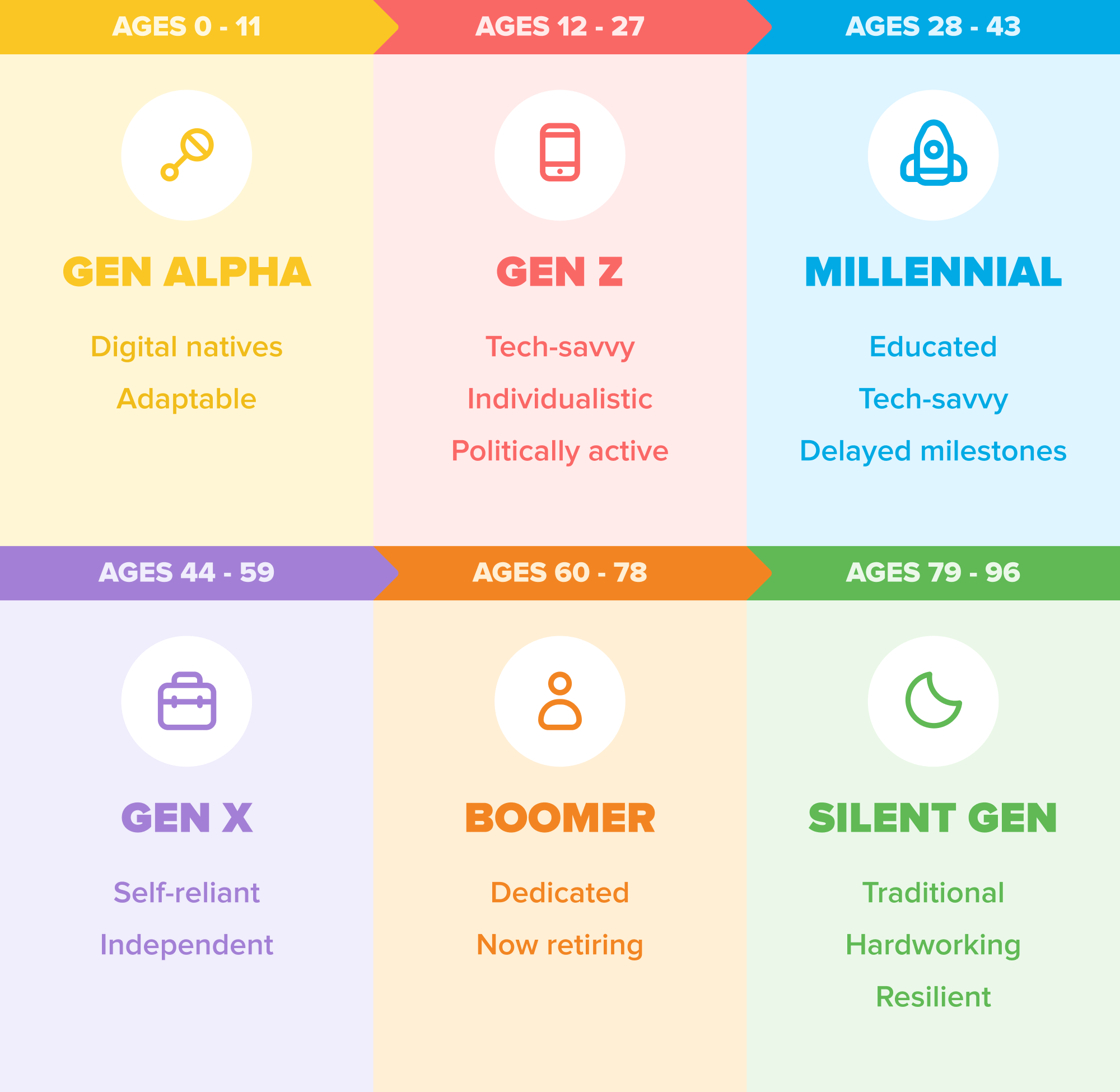
While the focus is currently on Gen Z, the oldest members of Gen Alpha (born roughly 2010–2024) are already beginning to influence household spending. Many of the strategies used for Gen Z—authenticity, digital fluency, and social responsibility—will be even more critical for Gen Alpha. By mastering the Gen Z market now, brands are essentially laying the groundwork for the next thirty years of consumer engagement.
In conclusion, knowing that Gen Z was born between 1997 and 2012 is just the starting point. To truly connect with this generation, brands must move beyond dates and delve into the culture, values, and digital behaviors that define them. In a world of infinite choice and instant information, a brand’s greatest asset is no longer its product, but its soul.
aViewFromTheCave is a participant in the Amazon Services LLC Associates Program, an affiliate advertising program designed to provide a means for sites to earn advertising fees by advertising and linking to Amazon.com. Amazon, the Amazon logo, AmazonSupply, and the AmazonSupply logo are trademarks of Amazon.com, Inc. or its affiliates. As an Amazon Associate we earn affiliate commissions from qualifying purchases.