
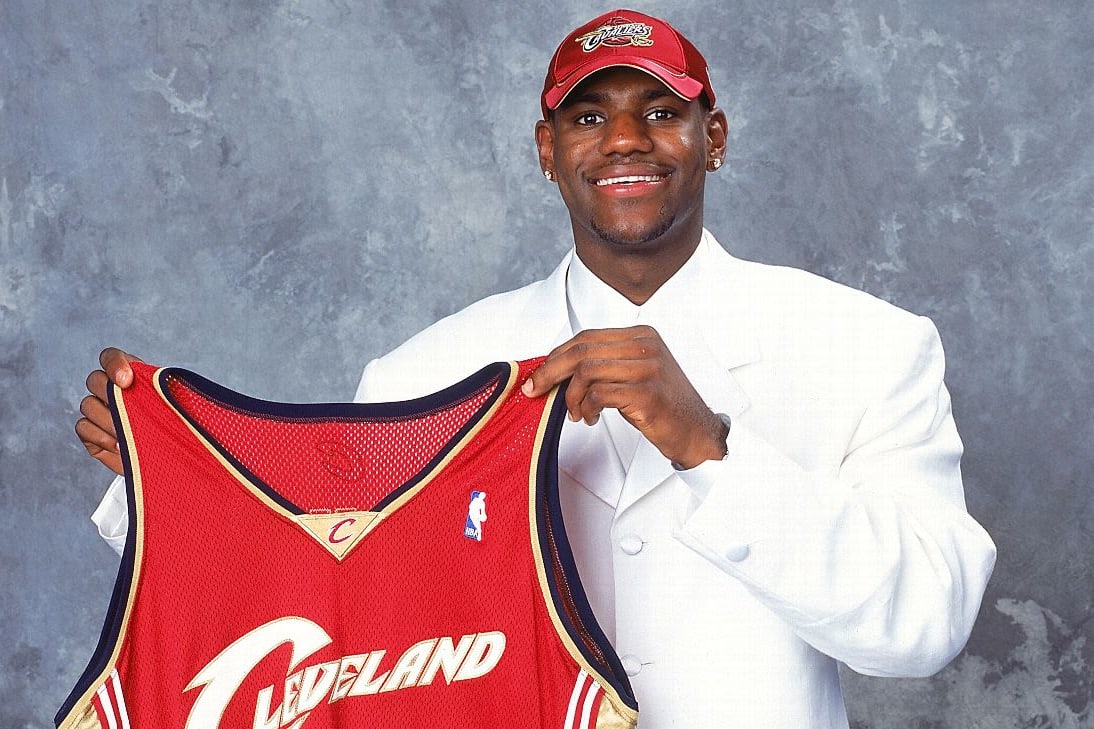
When asking “what year did LeBron James get drafted,” the factual answer is 2003. However, from a brand strategy perspective, 2003 represents much more than a calendar year; it marks the inception of one of the most sophisticated and successful personal branding case studies in modern history. When the Cleveland Cavaliers selected the 18-year-old from St. Vincent-St. Mary High School with the first overall pick, they weren’t just drafting a forward; they were facilitating the launch of a multi-billion-dollar corporate identity.
In the decades since that draft night, the “LeBron James” brand has transcended the hardwood of the NBA to become a blueprint for athletes, entrepreneurs, and corporate entities alike. This article explores the strategic evolution of the LeBron James brand, beginning with that pivotal year of 2003, and analyzes how narrative control, strategic partnerships, and long-term vision transformed a rookie into a global icon.
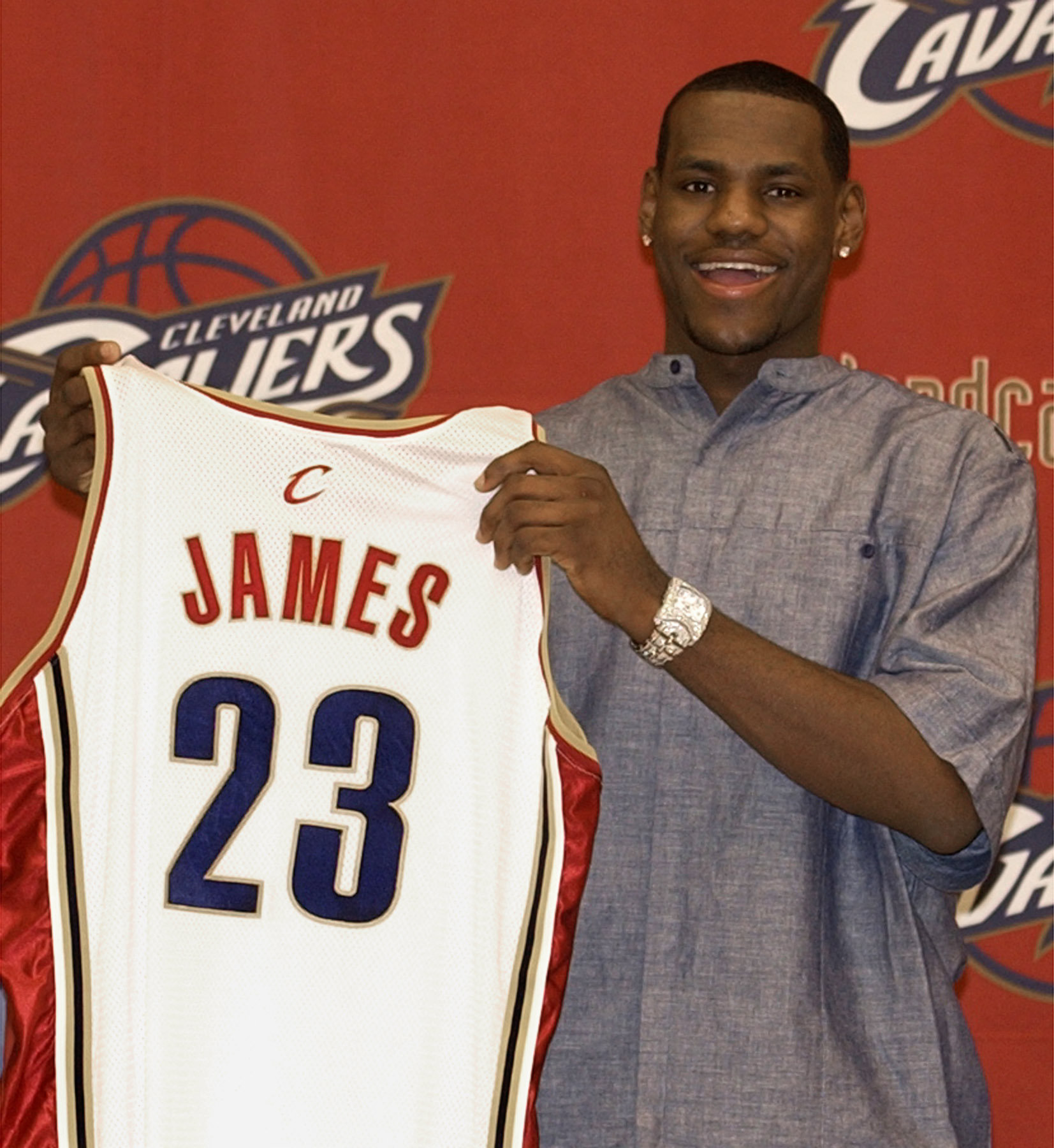
The 2003 Inflection Point: Building Equity Before Day One
In the world of brand strategy, “brand equity” is the value a name brings to a product or service. Most athletes build equity through performance on the field. LeBron James, however, entered the 2003 draft with a level of pre-established equity that was unprecedented. By the time NBA Commissioner David Stern called his name, James was already a household name, thanks to a meticulously crafted “pre-brand” phase.
The Hype Machine: Leveraging Early Market Exposure
Long before social media allowed athletes to speak directly to fans, LeBron James was the subject of an intense traditional media blitz. His 2002 Sports Illustrated cover, titled “The Chosen One,” served as a masterclass in brand positioning. It established a high-stakes narrative that James didn’t just meet—he embraced. For a brand strategist, this is the equivalent of a “pre-launch” campaign that creates such high demand that the actual product launch becomes an event of national significance.
The Nike Partnership: A Foundation of Trust and Value
Perhaps the most significant brand move of 2003 was James signing a seven-year, $90 million contract with Nike before he ever played a professional game. This was a strategic gamble for Nike but a foundational pillar for the LeBron brand. By choosing Nike over competitors who offered more immediate cash, James aligned himself with a brand that valued “storytelling” and “greatness.” This partnership established the visual and cultural language of his brand, moving him from a basketball player to a lifestyle symbol.
Strategic Positioning: The “Chosen One” Identity Architecture
A brand is not just a logo; it is a promise of consistency and quality. Following the 2003 draft, James and his management team—LRMR Ventures—embarked on a journey to define what the LeBron James brand stood for. They moved away from the traditional agency model to a self-managed approach, ensuring that every move was aligned with a central brand architecture.
Narrative Control and the “King James” Moniker
In branding, if you don’t define yourself, the market will define you. James adopted the “King James” moniker early on, a bold piece of brand positioning that suggested leadership, dominance, and a sense of destiny. This wasn’t just arrogance; it was a strategic anchor. By leaning into the “King” persona, he created a visual and verbal identity that was easily recognizable across global markets. From his lion logo to his signature “silencer” celebration, every element was designed to reinforce the brand’s core values: power, precision, and longevity.
Consistency Across Two Decades
One of the hardest feats in brand management is maintaining relevance over time. Many brands that were dominant in 2003 are now obsolete. The LeBron James brand has avoided this by evolving while maintaining its core DNA. Whether he was in Cleveland, Miami, or Los Angeles, the brand’s commitment to “Striving for Greatness” remained the North Star. This consistency has allowed him to transition from the “young phenom” archetype to the “elder statesman” and “mogul” archetypes without losing his original audience.

Diversification: From Athlete to Media Mogul and Venture Brand
A powerful brand is extensible—it can move into new categories without losing its soul. Since 2003, James has successfully extended his personal brand into media production, education, and venture capital, proving that his brand’s value is not tied solely to his athletic output.
The SpringHill Company: Content as Brand Extension
The creation of The SpringHill Company represents a strategic pivot from being a “brand spokesperson” to a “brand owner.” By producing films like Space Jam: A New Legacy and shows like The Shop, James has moved into the content space, allowing him to control the narratives surrounding his life and interests. This is a classic brand expansion strategy: identifying a core competency (storytelling and influence) and applying it to a new industry (entertainment).
The “I Promise” Initiative: Social Responsibility as a Core Value
Modern brand strategy dictates that consumers—especially Gen Z and Millennials—gravitate toward brands with a purpose. The 2018 opening of the “I Promise School” in Akron, Ohio, was a watershed moment for his brand’s corporate social responsibility (CSR) profile. By investing in his community, James transformed his brand from one based on “consumption” (buying shoes) to one based on “contribution” (social impact). This moved the LeBron James brand into a rare tier of “human-centric” brands that command deep emotional loyalty.
Lessons for Modern Brand Strategists from the 2003 Blueprint
The journey that began in 2003 offers several high-level takeaways for anyone involved in brand strategy, corporate identity, or personal branding. LeBron James’s career is more than a sports story; it is a manual on how to build a legacy brand in a volatile market.
Longevity and the “Infinite Game” of Branding
Most brands focus on quarterly results or short-term gains. James, however, has played the “infinite game.” His 2003 draft year was the start of a 20-plus-year roadmap. Brand strategists should take note: the most valuable brands are those that can endure market shifts, scandals, and aging by focusing on long-term equity rather than short-term hype. James didn’t just want to be the best player in 2003; he wanted to be the greatest of all time, a goal that requires a different level of strategic patience.
Ownership Over Endorsement
The most significant shift in James’s branding since 2003 has been the move from being an “endorser” to an “owner.” Whether it’s his stake in Liverpool FC, Fenway Sports Group, or Blaze Pizza, he has prioritized equity over flat fees. In the corporate world, this is the difference between being a vendor and being a partner. For personal brands, the lesson is clear: true brand power comes from owning the platforms and the products, not just promoting them.
Controlling the Narrative in the Digital Age
When James entered the league in 2003, the internet was in its infancy. As the digital landscape changed, he adapted his brand strategy to maintain direct-to-consumer communication. Through his “Uninterrupted” platform, he pioneered the “More Than An Athlete” movement. This strategic stance challenged the traditional limitations placed on public figures, allowing his brand to occupy spaces in politics, social justice, and business that were previously considered “off-limits” for athletes.
Conclusion: The 2003 Draft as a Masterclass in Brand Evolution
What year did LeBron James get drafted? 2003. But as we have explored, that date is merely the “Founding Year” for a global powerhouse. From the initial hype of the 2003 NBA Draft to his current status as a billionaire mogul, LeBron James has demonstrated a sophisticated understanding of brand architecture, market positioning, and diversification.
His success is a reminder that a brand is a living entity. It requires constant nurturing, strategic pivots, and an unwavering commitment to its core identity. By studying the LeBron James brand from its 2003 origins, we see that greatness is not just a result of talent; it is the result of a meticulously executed strategy that turns potential into a permanent legacy. For any brand strategist or business leader, the LeBron James story is the ultimate proof that with the right vision, a brand can indeed become “The Chosen One.”
aViewFromTheCave is a participant in the Amazon Services LLC Associates Program, an affiliate advertising program designed to provide a means for sites to earn advertising fees by advertising and linking to Amazon.com. Amazon, the Amazon logo, AmazonSupply, and the AmazonSupply logo are trademarks of Amazon.com, Inc. or its affiliates. As an Amazon Associate we earn affiliate commissions from qualifying purchases.