
The journey toward starting a family has undergone a radical transformation over the last decade. Historically, the process of “conceiving” was viewed through a purely biological lens, often characterized by guesswork and manual tracking. However, the emergence of “FemTech”—a multi-billion-dollar sector of the technology industry—has shifted the paradigm. Today, the answer to the question “what will help me conceive” is increasingly found in data points, sophisticated algorithms, and advanced hardware.
By leveraging artificial intelligence, wearable sensors, and big data, technology is providing individuals with an unprecedented level of insight into their reproductive health. This professional deep dive explores the technological ecosystem currently assisting conception, from the apps in our pockets to the high-tech laboratories redefining the limits of human fertility.
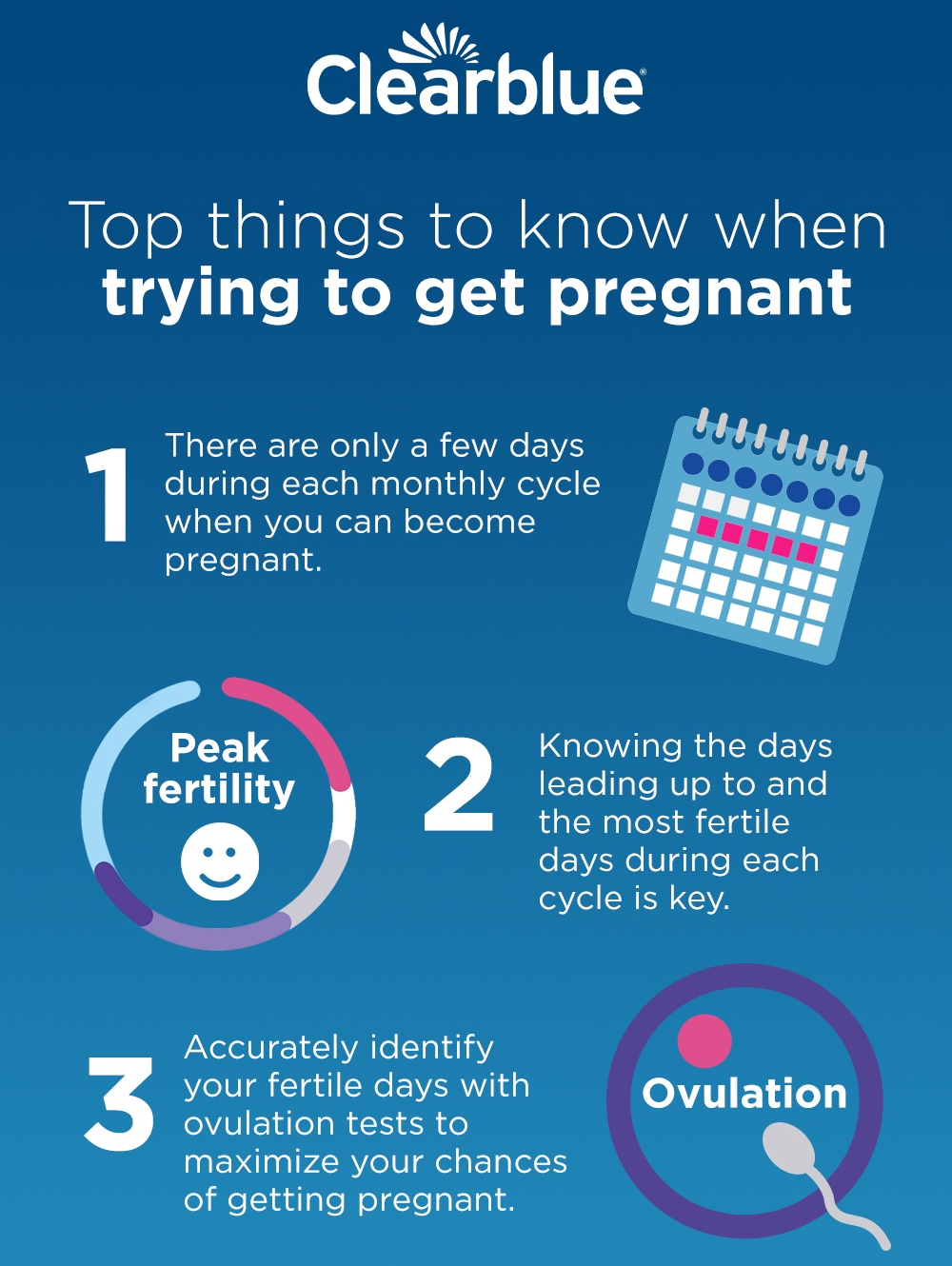
The Rise of FemTech: Data-Driven Fertility Management
At the heart of modern conception efforts is the software revolution. For years, cycle tracking was done on paper calendars; today, it is managed by complex predictive engines. These software solutions are more than just digital logs; they are sophisticated data processors that learn from the user’s unique biology.
From Manual Logs to Intelligent Algorithms
The first generation of fertility apps relied on the “calendar method,” a statistical average that often failed those with irregular cycles. Modern platforms, however, utilize machine learning to identify patterns that the human eye might miss. By inputting data points such as basal body temperature, cervical mucus consistency, and lifestyle factors, users provide the raw material for an algorithm to “learn” their specific hormonal rhythm. These tools help users identify their fertile window with a degree of accuracy that was previously impossible without daily clinical blood tests.
The Role of Predictive Analytics in Cycle Tracking
Predictive analytics takes fertility management a step further. Instead of simply telling a user what is happening today, these tools analyze historical data to forecast future cycles months in advance. For those managing conditions like Polycystic Ovary Syndrome (PCOS) or endometriosis, these tech tools offer a way to navigate biological complexity. By aggregating data from millions of users, these platforms can also provide “crowdsourced insights,” alerting a user if their data patterns suggest they should seek professional medical consultation, thereby serving as a frontline diagnostic support tool.
Wearable Technology: Real-Time Physiological Insights
While apps are powerful, they are only as good as the data entered into them. This is where wearable gadgets have revolutionized the field. By removing the element of human error and the “recollection bias” associated with manual logging, wearables provide a continuous stream of biometric data that paints a far more accurate picture of reproductive readiness.
Continuous Basal Body Temperature (BBT) Monitoring
One of the most critical indicators of ovulation is a slight rise in basal body temperature. Traditionally, this required waking up at the exact same time every morning to use a thermometer. Tech has solved this friction point with wearable rings and patches. These devices track skin temperature thousands of times throughout the night, using heat-sensing technology to filter out external variables (like a warm room or a restless night). The result is a refined “thermal curve” that clearly identifies the shift in the cycle, allowing users to time conception efforts with surgical precision.
Bio-Sensors and Hormonal Fluctuations
Beyond temperature, new categories of wearables are emerging that track secondary physiological markers. Some high-tech bracelets now monitor skin conductance, resting heart rate, and respiratory rate—all of which fluctuate in response to estrogen and progesterone levels. By synthesizing these multiple streams of data, these gadgets can predict the onset of the fertile window several days earlier than temperature tracking alone. This “multi-modal” approach to tech-assisted conception ensures that users are not just reacting to biological changes, but are prepared for them in advance.
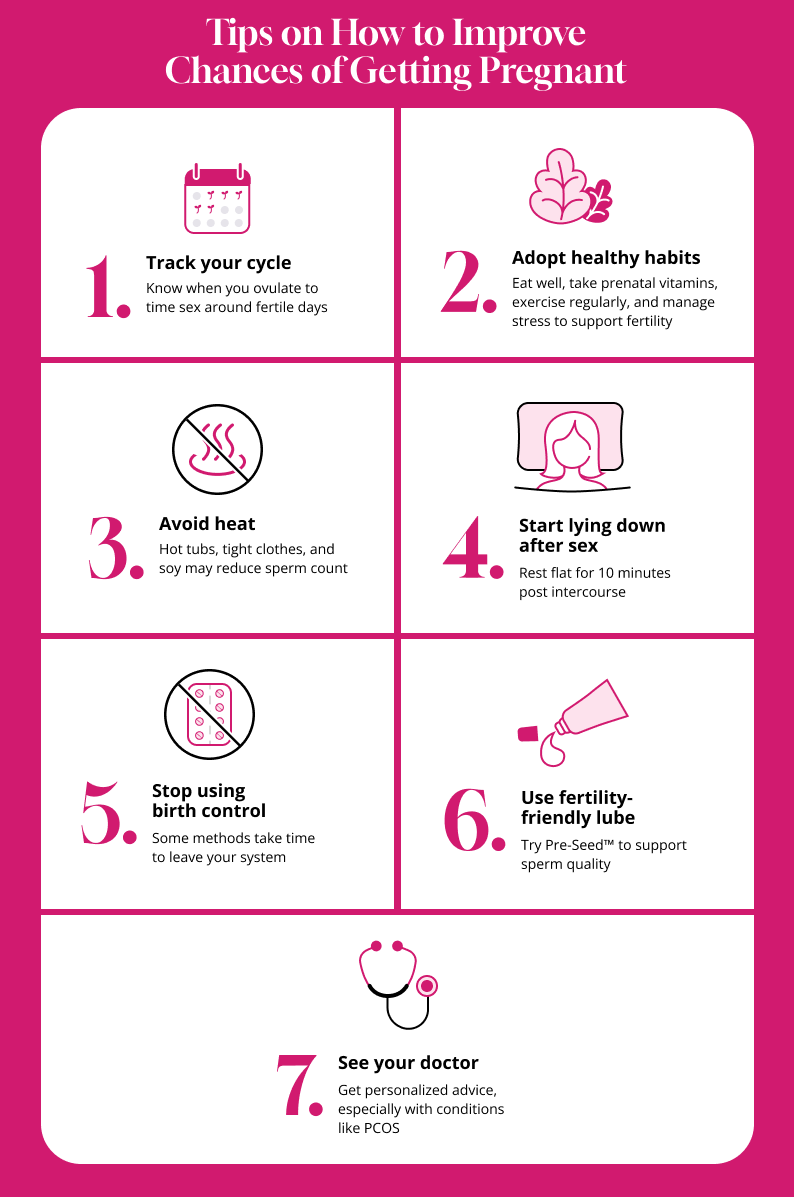
AI and Machine Learning in Reproductive Health
The most profound technological leaps are occurring at the intersection of clinical medicine and artificial intelligence. For those who require more assistance than an app or a wearable can provide, AI is becoming the silent partner in the fertility clinic, optimizing everything from hormone dosages to embryo selection.
Enhancing IVF Success Through Embryo Imaging
In the world of In Vitro Fertilization (IVF), the selection of which embryo to transfer has traditionally been a subjective decision made by an embryologist looking through a microscope. Enter AI-powered imaging software. These tools use computer vision to analyze time-lapse videos of developing embryos, identifying microscopic growth patterns that correlate with successful implantation. By grading embryos through a standardized, data-driven framework, AI is significantly increasing the success rates of assisted reproductive technology (ART) and reducing the time-to-conception for many families.
Personalized Nutrition and Lifestyle Optimization Apps
Conception is influenced by a myriad of environmental and lifestyle factors. New AI tools are now available that act as “digital coaches,” integrating data from a user’s fitness tracker, sleep monitor, and even digital food logs. These tools analyze how caffeine intake, sleep architecture, and exercise intensity impact hormonal balance. By providing real-time “nudges” and personalized recommendations, these AI platforms help users optimize their “biological terrain,” ensuring that their bodies are in the best possible state for conception.
The Future of Digital Security in Fertility Tech
As we rely more heavily on technology to help us conceive, the volume of highly sensitive, intimate data being generated is staggering. This has brought the issue of digital security and data privacy to the forefront of the tech conversation. In the niche of fertility tech, security is not just a feature; it is a fundamental requirement.
Protecting Sensitive Biometric Data
Fertility data is among the most private information a person can share. It includes details about sexual activity, hormonal health, and pregnancy attempts. Leading tech companies in this space are now adopting “Privacy by Design” principles, utilizing end-to-end encryption and decentralized data storage to ensure that this information cannot be accessed by third parties, insurers, or unauthorized entities. As the tech matures, the use of “Zero-Knowledge Proofs”—a cryptographic method where one party can prove to another that a statement is true without revealing the information itself—is becoming the gold standard for protecting user identity.
Ethical Considerations in the Age of Genomic Sequencing
As we look toward the future, the integration of consumer genomic tech and fertility is on the horizon. Tools that can analyze genetic compatibility or screen for hereditary conditions are becoming more accessible. However, this brings about complex ethical questions regarding data ownership and the potential for algorithmic bias. The tech industry is currently grappling with how to balance the “help me conceive” utility of these tools with the necessity of rigorous ethical frameworks to prevent the misuse of genetic information.

Conclusion: A Tech-Enabled Path Forward
The question of “what will help me conceive” is no longer answered by traditional wisdom alone. It is answered by a sophisticated stack of technologies that empower the individual with data and clarity. From the algorithms that track our cycles to the AI that assists in the lab, technology has become an indispensable ally in the reproductive journey.
As we continue to see advancements in sensor accuracy, predictive modeling, and data security, the path to conception will become even more streamlined and personalized. For the modern individual, the integration of these tech tools offers more than just biological insights; it offers agency, reduces stress, and provides a clear, data-backed roadmap toward building a family in the digital age. The intersection of human biology and high-tech innovation is not just changing how we conceive; it is redefining our understanding of what is possible in reproductive health.
aViewFromTheCave is a participant in the Amazon Services LLC Associates Program, an affiliate advertising program designed to provide a means for sites to earn advertising fees by advertising and linking to Amazon.com. Amazon, the Amazon logo, AmazonSupply, and the AmazonSupply logo are trademarks of Amazon.com, Inc. or its affiliates. As an Amazon Associate we earn affiliate commissions from qualifying purchases.