
In the modern media landscape, where blockbusters often rely on billion-dollar marketing budgets and ubiquitous visibility, the success of What We Do in the Shadows stands as a masterclass in organic brand building and strategic positioning. Originally a 2014 New Zealand mockumentary horror-comedy, the film did more than just entertain; it established a robust brand identity that has since blossomed into a multi-series franchise.
For brand strategists and marketers, the trajectory of this intellectual property (IP) provides invaluable insights into how a niche product can achieve global recognition through authenticity, subversion, and meticulous consistency. This article examines the brand architecture behind What We Do in the Shadows, analyzing how its creators transformed a low-budget indie film into a globally recognized hallmark of modern comedy.

Building a Unique Brand Identity through Subversion
The foundation of any successful brand is its identity—the “who” and “why” that differentiates it from competitors. What We Do in the Shadows entered a market saturated with vampire tropes, ranging from the sparkling romance of Twilight to the high-stakes action of Underworld. To stand out, the brand utilized a strategy of subversion.
Redefining the Mockumentary Genre
While the mockumentary format was popularized by hits like The Office and Parks and Recreation, it had rarely been applied to the supernatural with such precision. The brand identity was built on the juxtaposition of the extraordinary (vampires) with the mundane (dishes, flat meetings, and nightclub dress codes). By applying a grounded, “office-style” lens to mythical creatures, the brand carved out a “blue ocean” in the comedy market—a space where it had virtually no direct competition.
This subversion is a powerful branding tool. By taking an established genre and flipping the expectations, the creators created a high “recall value.” When consumers think of “vampire comedy,” What We Do in the Shadows is now the primary brand that comes to mind, showcasing the importance of clear market positioning.
The Visual Language of Gothic Mundanity
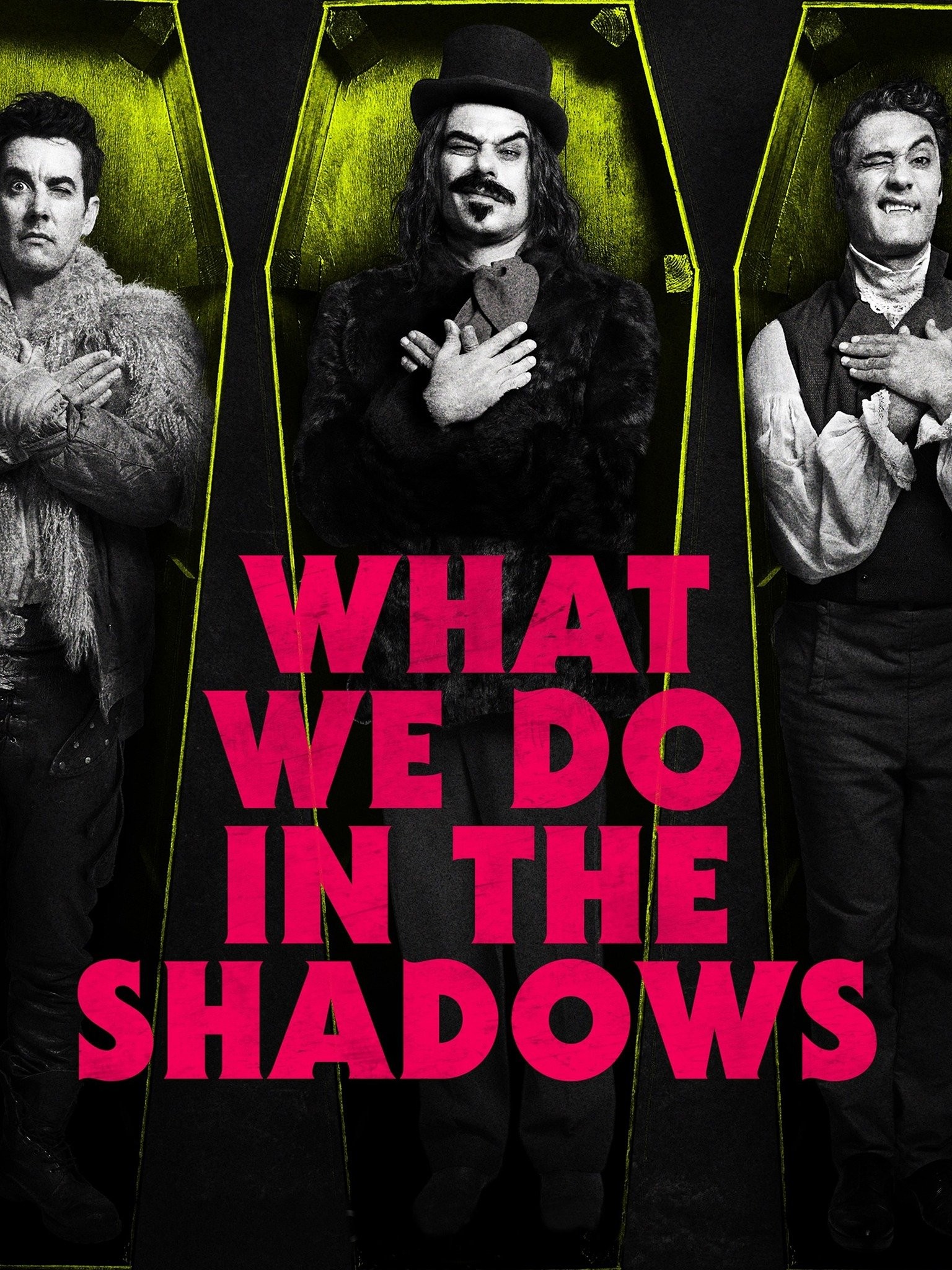
A brand’s visual identity is its first point of contact with the consumer. For What We Do in the Shadows, the aesthetic was a deliberate blend of high-gothic fashion and low-budget domesticity. The contrast between velvet capes and a dingy kitchen in Wellington created a visual shorthand that was instantly recognizable.
In branding terms, this is known as “visual consistency.” Whether it was the film’s promotional posters or the grainy, handheld camera work within the movie, the brand maintained a specific “look and feel” that communicated its tone before a single line of dialogue was spoken. This consistency built trust with the audience, signaling that the brand knew exactly what it was and who it was for.
Cultivating Community: The Power of Niche Audience Engagement
One of the most significant challenges for a small brand is scaling without losing the “soul” that made it attractive in the first place. What We Do in the Shadows achieved this by focusing on its “core advocates”—a loyal niche audience that felt a sense of ownership over the brand.
From Local Roots to Global Recognition
The brand began as a quintessentially New Zealand product. Rather than trying to “Americanize” the humor for a broader market, the creators leaned into their specific cultural nuances. This paradoxically made the brand more appealing globally. In international marketing, authenticity often translates better than generic appeal. By being “unapologetically Kiwi,” the brand gained a reputation for being an “authentic find” for international audiences.
This strategy mirrors the “Long Tail” theory in branding, where targeting a specific, passionate niche can lead to more sustainable growth than attempting to appeal to a broad, indifferent mass. The niche audience became the brand’s primary marketing engine, driving growth through word-of-mouth and organic social media advocacy.
Leveraging Word-of-Mouth as a Primary Marketing Engine
Because the film lacked the advertising budget of a major studio production, its brand strategy relied heavily on “Earned Media.” This is the exposure a brand gains through grassroots support rather than paid advertisements. The humor was designed to be “clip-able” and “meme-able,” which in the digital age is the equivalent of a high-impact ad campaign.
By creating content that audiences felt compelled to share, the brand built an organic community. This community-led growth is the holy grail of modern brand strategy. It creates a barrier to entry for competitors because the relationship between the brand and its audience is built on shared jokes and cultural capital rather than just a transaction.
Brand Extension and Ecosystem Development
A single success can be a fluke, but the successful expansion of a brand indicates a deep understanding of brand equity. The transition of What We Do in the Shadows from a cult film to a multi-season FX television series and the spin-off Wellington Paranormal is a textbook example of brand extension.
The Seamless Transition from Film to Television
When moving from the big screen to the small screen, many brands fail because they either change too much or not enough. The What We Do in the Shadows TV series succeeded because it translated the “Brand Essence”—the core values of the IP—into a new context with a new cast.
The TV show maintained the mockumentary format, the dry humor, and the supernatural-domestic juxtaposition, but it localized the setting to Staten Island. This allowed the brand to reach a massive US audience while maintaining the integrity of the original New Zealand film. This is a lesson in “Brand Elasticity”: the ability of a brand to stretch into new formats and markets without breaking its core identity.
Maintaining Core Brand Values Across Spin-offs
With the introduction of Wellington Paranormal, the creators demonstrated how to build a brand ecosystem. By taking minor characters from the original film and giving them their own series, they expanded the “World of the Brand” without diluting the primary product.
For corporate brands, this is akin to a “house of brands” strategy, where sub-brands support the parent brand. Each spin-off served as a touchpoint that brought viewers back to the original film, creating a self-sustaining cycle of content consumption. The brand became more than just a movie; it became a “cinematic universe” on an indie budget.
The Sustainable Brand: Longevity in the Modern Media Landscape
In an era of “disposable content,” how does a brand stay relevant a decade after its debut? The longevity of What We Do in the Shadows is rooted in its commitment to quality and its refusal to chase fleeting trends.
Authenticity as a Defense Against Saturation
The market for supernatural content is fickle, but What We Do in the Shadows has remained relevant because it prioritizes character-driven storytelling over spectacle. In branding, this equates to “Product Quality.” No amount of clever marketing can save a poor product, and the sustained excellence of the writing in the Shadows franchise has ensured that its brand equity remains high.
Furthermore, the brand has avoided the trap of “over-saturation.” By releasing content at a steady, manageable pace and ensuring that each new project adds value to the brand ecosystem, the creators have avoided brand fatigue. They have mastered the art of “scarcity,” keeping the audience wanting more rather than overwhelming them with low-quality iterations.

Strategic Partnerships and Global Distribution
Finally, the brand’s success was solidified through strategic partnerships. Moving to FX and Hulu provided the brand with the distribution power of a major media conglomerate while allowing it to retain its indie “brand voice.”
This is a crucial lesson for growing brands: the right partnership can provide the infrastructure needed for global scale without requiring the brand to compromise its identity. By choosing partners that understood and respected the brand’s unique value proposition, the creators of What We Do in the Shadows were able to take their “little New Zealand movie” and turn it into a global comedy powerhouse.
In conclusion, What We Do in the Shadows is a testament to the power of a well-defined brand. By subverting expectations, cultivating an organic community, and carefully managing brand extensions, the creators built a resilient and highly valuable identity. For anyone looking to build a brand in a crowded marketplace, the lessons from the vampires of Wellington and Staten Island are clear: be authentic, be consistent, and never be afraid to find the humor in the mundane.
aViewFromTheCave is a participant in the Amazon Services LLC Associates Program, an affiliate advertising program designed to provide a means for sites to earn advertising fees by advertising and linking to Amazon.com. Amazon, the Amazon logo, AmazonSupply, and the AmazonSupply logo are trademarks of Amazon.com, Inc. or its affiliates. As an Amazon Associate we earn affiliate commissions from qualifying purchases.