
For decades, the phrase “what you need to get a state ID” prompted a standard list of physical documents: a birth certificate, a social security card, and a utility bill for proof of residence. However, as we move deeper into the third decade of the 21st century, the definition of identification is undergoing a radical technological transformation. The shift from physical plastic cards to Mobile Driver’s Licenses (mDL) and decentralized digital identities has changed the “what you need” from a folder of papers to a sophisticated ecosystem of hardware, software, and cryptographic protocols.

In this exploration of the technology behind modern identification, we will analyze the digital infrastructure required to secure state-issued IDs, the biometric advancements streamlining the application process, and the emerging tech standards that ensure your digital persona remains both portable and private.
The Infrastructure of Identity: From Physical Plastic to Encrypted Data
The transition from a physical card to a digital state ID is not merely about taking a photo of a piece of plastic. It involves a fundamental reimagining of how identity is verified and stored. To understand what you need to obtain and utilize a modern state ID, one must first understand the technological “Secure Enclave” within contemporary mobile devices.
The Shift Toward Mobile Driver’s Licenses (mDL)
The Mobile Driver’s License (mDL) is the technological successor to the traditional ID card. Unlike a static image, an mDL is a dynamic data set stored on a smartphone. To “get” this type of ID, a user needs a device equipped with a hardware-backed security module. These modules, such as Apple’s Secure Element or Google’s Titan M chip, ensure that the identity data cannot be tampered with or exported by unauthorized software. This hardware requirement is the first and most critical “item” on the modern checklist for state identification.
The Role of ISO/IEC 18013-5 Standards
Interoperability is the backbone of digital identification. For a state ID to be useful, it must be readable by local police, TSA agents, and age-restricted venues across state lines. This is made possible by the ISO/IEC 18013-5 standard. This international standard dictates how the mDL communicates with a reader device via Near Field Communication (NFC) or QR codes. When you apply for a digital state ID, the underlying software must comply with these protocols to ensure that your “identity” is recognized globally, moving beyond the siloed databases of the past.
The Application Stack: AI and Biometrics in Identity Verification
In the past, getting a state ID required a physical visit to a Department of Motor Vehicles (DMV) office. Today, technology has moved the “front desk” to the user’s smartphone. The digital onboarding process utilizes a suite of AI-driven tools to verify that the person applying for the ID is who they claim to be.
Biometric Authentication and Liveness Detection
To obtain a state ID through a mobile application, the user’s primary requirement is a high-resolution camera and a device capable of biometric processing. Modern state ID apps use “liveness detection” algorithms. These AI tools require the user to perform specific actions—such as blinking, turning their head, or moving the phone—to ensure that a static photo or a “deepfake” video is not being used to spoof the system. This biometric “handshake” matches the user’s face against the state’s existing records in real-time, effectively replacing the human clerk’s visual inspection.
Optical Character Recognition (OCR) and Automated Validation
The “documents” required for an ID are now processed through Optical Character Recognition (OCR). When a user scans their birth certificate or existing passport via a state-authorized app, OCR technology extracts the data, validates the watermarks, and checks for signs of digital manipulation. What you need to get a state ID today is not just the document itself, but a clean digital capture that allows these algorithms to verify the authenticity of the paperwork without human intervention. This automation reduces the “wait time” from weeks to minutes, provided the user’s hardware can support the requisite processing power.
Digital Security and Privacy: Protecting the Modern Citizen

As identification becomes digitized, the primary concern shifts from physical loss to digital theft. The technological requirements for a state ID now include robust encryption layers and privacy-preserving protocols that protect the citizen’s data from being tracked or harvested.
Zero-Knowledge Proofs (ZKP) in Identity Verification
One of the most exciting technological advancements in the realm of state IDs is the implementation of Zero-Knowledge Proofs (ZKP). Traditionally, if you needed to prove you were over 21, you would hand over your ID, revealing your full name, address, and exact birthdate.
In a digital ecosystem, you only need to share the “proof” of the attribute. The technology allows the state ID app to communicate a “Yes” or “No” to the verifier regarding your age without ever transmitting your actual birthdate. To utilize this, the user needs a digital wallet that supports selective disclosure. This shifts the focus of “what you need” from a physical card to a privacy-centric software architecture that empowers the user to control their data footprint.
Decentralized Identity and Blockchain Integration
Some states are exploring blockchain and Distributed Ledger Technology (DLT) to manage state IDs. In this model, the state acts as an “issuer” of a digital credential, which is then stored in the user’s decentralized identifier (DID) wallet. This technology removes the need for a central database that could be a “honey pot” for hackers. Instead, the “truth” of the ID is distributed across a network, ensuring that the identity remains secure even if a single government server is compromised. For the citizen, this means the “state ID” of the future is a cryptographic key—a string of code that represents their legal standing in the digital world.
The Future of Accessibility: Bridging the Digital Divide
While the technology for digital state IDs is advancing rapidly, “what you need” also includes a bridge for those who may not have the latest smartphone or consistent internet access. The tech industry is currently solving for “offline verification” and cross-platform compatibility.
Offline Verification Capabilities
A major hurdle for digital IDs is the requirement for a data connection. If a driver is pulled over in a remote area without cellular service, the digital ID must still function. This is achieved through “offline data transfer” protocols where the ID and the reader device create a localized peer-to-peer (P2P) network. This technology ensures that the digital ID is as reliable as the physical plastic, requiring only that the device has a minimum battery charge and a functioning NFC or Bluetooth chip.
Cross-Platform Interoperability and Digital Wallets
Whether a user is on iOS or Android, the “state ID” must be accessible. Tech giants like Apple and Google have integrated state IDs directly into their system-level wallets. This integration means that the “state ID” is no longer just a standalone app but a part of the phone’s core identity. To get a state ID in this environment, the user needs to ensure their operating system is updated to a version that supports the “Identity Wallet” API. This convergence of government-issued credentials and big-tech hardware creates a seamless user experience but also requires a high level of trust in the security updates provided by the manufacturer.
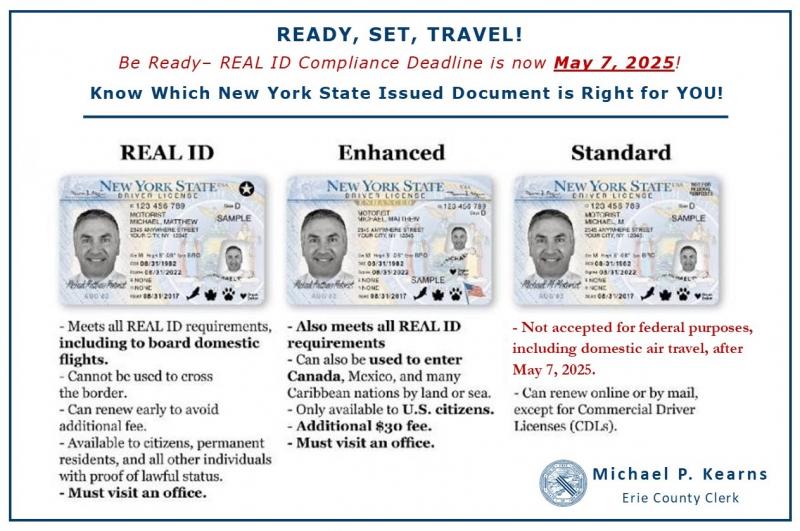
Conclusion: The New Checklist for Identity
The question of “what u need to get state id” has evolved from a matter of physical documentation to a sophisticated requirement of digital readiness. To navigate this new landscape, a citizen needs more than just a birth certificate; they need:
- Hardware: A device with a Secure Element or Trusted Execution Environment.
- Software: A digital wallet that adheres to ISO 18013-5 standards and supports biometric liveness detection.
- Connectivity: The ability to perform high-resolution scans and cryptographic handshakes for remote verification.
- Literacy: An understanding of privacy protocols like selective disclosure to protect their personal data.
As states continue to phase out traditional systems in favor of digital-first solutions, the technology behind the ID will become the most vital tool in a citizen’s pocket. We are moving toward a world where your identity is not something you carry, but something you authenticate—a shift that promises greater security, enhanced privacy, and a more streamlined interaction with the digital state. By understanding the tech stack required for this transition, users can ensure they are prepared for the future of identification.
aViewFromTheCave is a participant in the Amazon Services LLC Associates Program, an affiliate advertising program designed to provide a means for sites to earn advertising fees by advertising and linking to Amazon.com. Amazon, the Amazon logo, AmazonSupply, and the AmazonSupply logo are trademarks of Amazon.com, Inc. or its affiliates. As an Amazon Associate we earn affiliate commissions from qualifying purchases.