
Choosing a business to launch or invest in is one of the most significant financial decisions an individual can make. While passion and skill sets are important, the fundamental architecture of the business—its “type”—often determines its ultimate financial ceiling. Not all businesses are created equal in the eyes of an investor or a founder looking for high returns. Some models offer immediate cash flow with low overhead, while others require significant capital but offer massive scalability.
Understanding the landscape of business types through a financial lens is essential for navigating the modern economy. Whether you are looking for a side hustle to supplement your income or a primary venture to build generational wealth, you must evaluate these models based on profit margins, scalability, and capital requirements.

1. The Service-Based Model: Low Overhead and Immediate Cash Flow
Service-based businesses are often the starting point for entrepreneurs because they require the least amount of upfront capital. In this model, the primary “product” is human capital—expertise, labor, or time. From a financial perspective, the beauty of a service business lies in its high margins and low barrier to entry.
Consulting and Knowledge-Based Agencies
Consulting is perhaps the most lucrative service-based business type. Whether it is management consulting, financial advisory, or specialized technical consulting, the goal is to sell high-value solutions to complex problems. Because there is no physical inventory to manage, the gross profit margins can often exceed 80%. The primary cost is the consultant’s time (or the salaries of employees). To scale this financially, many entrepreneurs transition from a “solo-preneur” model to an agency model, leveraging the labor of others to increase billable hours.
High-Ticket Freelancing
Similar to consulting, high-ticket freelancing focuses on specific deliverables like copywriting, specialized accounting, or legal services. The financial advantage here is “value-based pricing.” Instead of charging by the hour, these businesses charge based on the ROI they provide to the client. This shifts the business from a labor-intensive model to a results-oriented financial machine.
Maintenance and Recurring Service Models
Not all service businesses are high-concept. “Blue-collar” service businesses—such as landscaping, commercial cleaning, or HVAC maintenance—can be incredibly profitable due to their recurring nature. In the world of finance, recurring revenue is “king.” It provides a predictable cash flow that allows for easier budgeting and higher business valuations if the owner ever decides to sell.
2. Scalable Digital Products and Passive Income Streams
In the digital age, the most attractive business types for those seeking exponential growth are those that decouple time from money. Digital products have a “marginal cost of replication” that is effectively zero. Once the initial asset is created, it can be sold ten times or ten million times without a significant increase in production costs.
SaaS (Software as a Service) and Subscription Models
The SaaS model is widely considered the “holy grail” of modern business finance. By providing a software solution that users pay for on a monthly or annual basis, the business builds a predictable, compounding revenue stream. Investors value SaaS companies higher than almost any other business type because of their high customer lifetime value (LTV) and the “stickiness” of the product. Once a customer integrates a specific software into their workflow or personal life, the cost of switching is high, ensuring long-term financial stability for the provider.
Digital Education and Information Assets
The “Knowledge Economy” has birthed a massive sector of information-based businesses. This includes online courses, membership communities, and proprietary research reports. Financially, these businesses are attractive because they allow an expert to monetize their intellectual property repeatedly. The initial investment is primarily time and a small amount of marketing spend, but the return on investment (ROI) can be astronomical compared to traditional brick-and-mortar education.
Content Monetization and Affiliate Marketing
For those looking for side hustles or low-risk entries into the business world, content-driven models are a popular choice. By building an audience through a blog, YouTube channel, or podcast, a business can generate income through advertising, sponsorships, and affiliate commissions. While the “money” in the beginning may be slow, the long-term potential for passive income—where the content continues to earn money years after it was created—is a powerful wealth-building tool.
3. Physical Asset and Inventory-Based Businesses
While digital businesses are popular, the global economy still runs on physical goods. Businesses that deal with inventory and physical assets require more sophisticated financial management, particularly regarding “Cash Conversion Cycles” and supply chain logistics.
E-commerce and Direct-to-Consumer (DTC) Brands
The rise of platforms like Shopify and Amazon FBA has democratized the selling of physical goods. The most profitable types of e-commerce businesses are those that build a “brand” rather than just reselling generic items. By creating a unique product, a business can command higher margins and build customer loyalty. However, these businesses must carefully manage “Working Capital”—the money tied up in inventory that hasn’t sold yet.
Real Estate Syndication and Property Management
Real estate remains one of the most proven paths to wealth. As a business type, this can range from active “fix-and-flip” operations to passive “buy-and-hold” portfolios. The financial magic of real estate lies in leverage (using the bank’s money to increase your ROI) and tax advantages like depreciation. For many, the ultimate goal is to move from active management to real estate syndication, where they pool capital from investors to acquire large-scale commercial or multi-family assets.
Strategic Manufacturing and Distribution
At the top of the physical goods pyramid is manufacturing. While this requires the highest level of capital expenditure (CapEx) for machinery and facilities, it also offers the strongest “moats.” Once a manufacturing business reaches a certain scale, it can achieve “economies of scale” that smaller competitors cannot match, allowing for significant market share and long-term profitability.
4. High-Entry Barrier Businesses and Investment Vehicles
Some business types are defined by the difficulty of entering the market. These businesses often require regulatory approval, massive capital, or specialized licenses, which protects the incumbents from competition.
Franchising as a Risk-Mitigated Investment
A franchise is a unique type of business where you buy into a proven financial system. Instead of building a brand from scratch, you pay a fee to use an established name (like McDonald’s or The UPS Store). From a “Money” perspective, franchising is often viewed as a “business in a box.” The failure rate is lower than independent startups, making it an attractive option for investors who have capital but want a structured, predictable path to cash flow.
Financial Services and Fintech
Starting a business in the financial sector—such as a debt collection agency, a private equity firm, or a micro-lending platform—is a direct way to work with “money as the product.” These businesses make money on “the spread” (the difference between what they pay for capital and what they lend it out for) or through management fees. These are highly regulated but can be among the most profitable entities in the world due to the compounding nature of interest and fees.
5. Evaluating the Financial Viability of Your Business
Choosing a business type is only the first step; you must also understand the metrics that define success. Regardless of the niche, certain financial principles remain constant.
Key Financial Metrics: ROI, CAC, and LTV
To understand if a business is truly “good,” you must look at three core metrics:
- Return on Investment (ROI): For every dollar you put into the business, how much do you get back?
- Customer Acquisition Cost (CAC): How much does it cost in marketing and sales to get a new customer?
- Lifetime Value (LTV): How much total revenue will a customer generate before they stop doing business with you?
A healthy business type is one where the LTV is at least three times the CAC. If it costs $100 to get a customer but they only spend $50 over their lifetime, the business model is financially broken, regardless of how “cool” the product is.
Tax Structures and Legal Entity Optimization
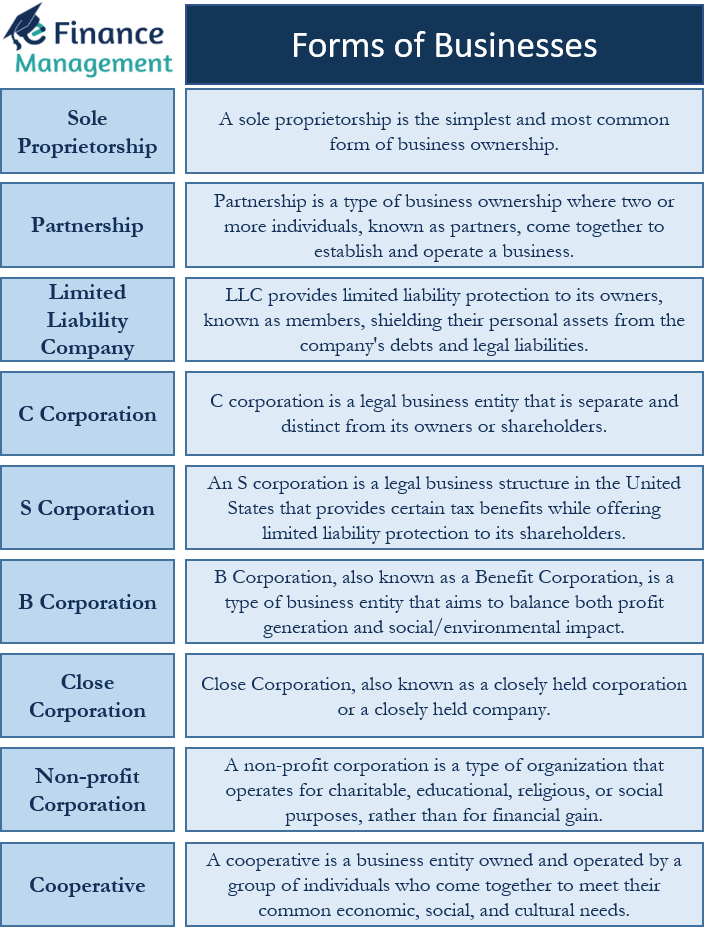
Finally, the “type” of business you run is also defined by its legal structure. In the United States and many other countries, choosing between an LLC, an S-Corp, or a C-Corp can save (or cost) you thousands of dollars in taxes.
- Sole Proprietorships/LLCs: Often best for small service businesses due to simplicity and “pass-through” taxation.
- S-Corporations: Popular for profitable small businesses to reduce self-employment taxes.
- C-Corporations: Necessary for businesses planning to go public or raise venture capital, though they face double taxation on dividends.

Conclusion: Matching Capital to Strategy
In conclusion, the question of “what types of businesses” to pursue should be answered by looking at your financial goals and your available resources. If you have no capital but plenty of time, a Service-Based or Content model is your best path. If you have capital and want to build a hands-off asset, Real Estate or Franchising may be the answer. For those seeking the highest possible valuation and exit potential, the SaaS model remains the undisputed leader.
By focusing on the financial mechanics—cash flow, scalability, and margins—you can choose a business type that doesn’t just keep you busy, but actually builds the wealth and financial freedom you desire.
aViewFromTheCave is a participant in the Amazon Services LLC Associates Program, an affiliate advertising program designed to provide a means for sites to earn advertising fees by advertising and linking to Amazon.com. Amazon, the Amazon logo, AmazonSupply, and the AmazonSupply logo are trademarks of Amazon.com, Inc. or its affiliates. As an Amazon Associate we earn affiliate commissions from qualifying purchases.