
In the era of linear broadcasting, the question of “what tv shows are good” was often answered by a physical TV guide or water-cooler conversation. Today, that question has evolved into a complex interaction between human taste and sophisticated technology. As we navigate an ocean of content, the definition of a “good” show is no longer just about the script or the acting; it is increasingly defined by the technological ecosystem that produces, delivers, and recommends it. From AI-driven curation to the cutting-edge visual tech used in production, the “Golden Age of Television” is, at its heart, a Golden Age of Technology.
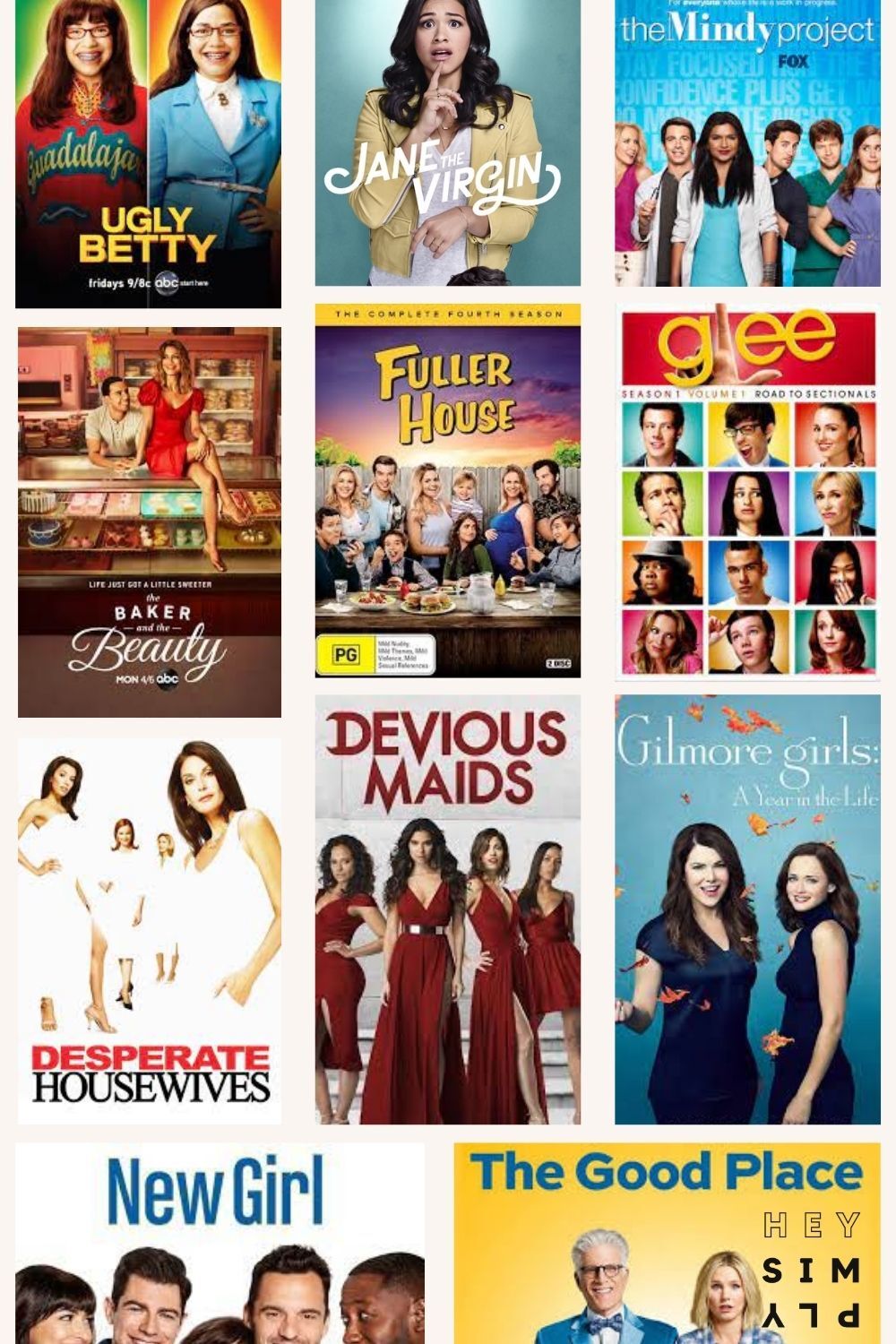
The Evolution of Content Discovery: How AI Defines “Good”
The sheer volume of content available in the digital age creates a paradox of choice. For a consumer to deem a show “good,” they first have to find it. This is where the tech sector’s most powerful tool—the recommendation engine—comes into play.
The Science of Machine Learning in Curation
Modern streaming giants like Netflix, Hulu, and Amazon Prime Video do not rely on static categories. Instead, they utilize complex machine learning models that analyze billions of data points. When you ask what shows are good, these algorithms look at your “watch latency” (how quickly you start the next episode), your completion rates, and even the time of day you consume specific genres. By using collaborative filtering and neural networks, these platforms can predict with startling accuracy which niche sci-fi drama or historical documentary will resonate with an individual user.
Beyond the “Thumbs Up”: Sentiment Analysis
The technology has moved beyond simple rating systems. Platforms now employ natural language processing (NLP) to scan social media trends and critical reviews, integrating global sentiment into their discovery interfaces. This “social tech” layer ensures that if a show is trending on X (formerly Twitter) or Reddit, it is prioritized in your interface. The tech ensures that “good” is synonymous with “relevant” and “culturally current.”
The Technical Standards of Excellence: Hardware and Bitrates
A show might have a brilliant narrative, but if the technical delivery is poor, the viewer’s perception of quality drops. The definition of a “good” show in the modern tech landscape is inextricably linked to high-fidelity production and delivery standards.
The Impact of 4K, HDR, and Dolby Vision
To be considered a premium “good” show today, high dynamic range (HDR) and 4K resolution are the baseline. Technologies like Dolby Vision and HDR10+ have revolutionized how cinematographers approach television. By expanding the color gamut and contrast ratios, technology allows shows like House of the Dragon or The Last of Us to achieve a cinematic depth that was once reserved for the big screen. When a viewer evaluates if a show is “good,” they are often unconsciously responding to the technical clarity and the immersive visual data being processed by their OLED or QLED panels.
The Role of Spatial Audio and Atmos
Sound technology has seen a parallel leap. The integration of Dolby Atmos into home streaming has changed the storytelling toolkit. A “good” show now utilizes object-based audio to create a three-dimensional soundscape. For tech-savvy viewers, the quality of a show is measured by its ability to utilize spatial audio, making the environment of the show—whether it’s a bustling city or a quiet forest—feel tangible. This immersion is a direct product of the software codecs used by streaming apps to compress and deliver high-quality audio streams without lag.
Virtual Production and the New Aesthetic of TV
The physical process of making television has undergone a digital revolution. Some of the most highly-rated shows of the last five years owe their critical acclaim to breakthroughs in real-time rendering and virtual sets.
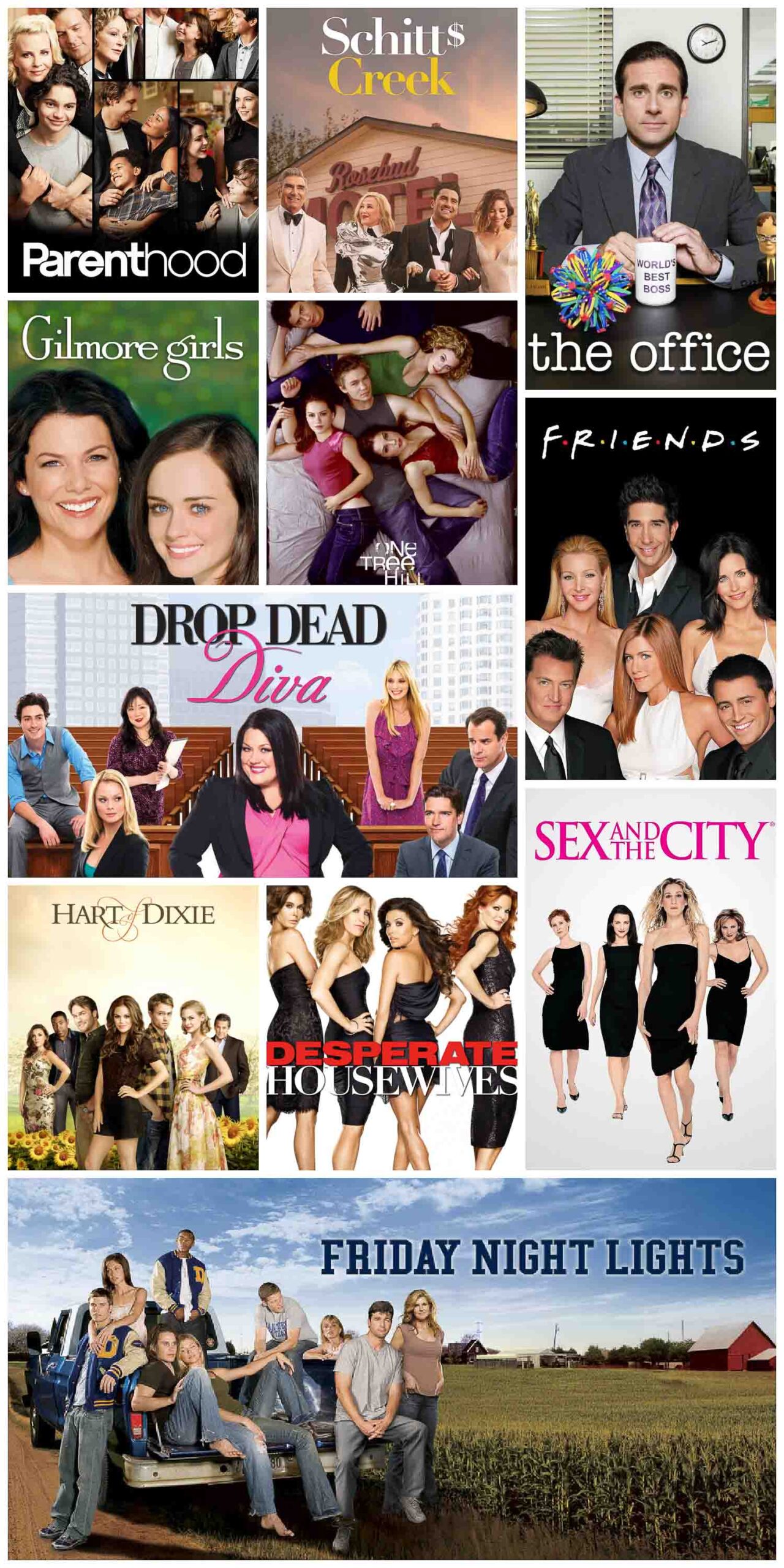
The Volume and Unreal Engine
Shows like The Mandalorian have pioneered the use of “The Volume”—a massive, circular LED video wall powered by Epic Games’ Unreal Engine. This technology allows creators to shoot in environments that are rendered in real-time, providing naturalistic lighting and reflections that traditional green screens cannot replicate. When audiences marvel at the “good” visual effects of modern fantasy and sci-fi, they are witnessing the convergence of gaming technology and traditional filmmaking. This tech reduces post-production time and allows for a more cohesive visual language.
AI-Assisted Post-Production and Visual Effects
The integration of AI in post-production has also raised the bar for what is considered acceptable quality. From AI-driven color grading to sophisticated de-aging software and digital doubles, technology allows mid-budget shows to achieve high-budget aesthetics. This democratization of high-end visual effects means that “good” shows can now come from smaller studios, provided they have the technical proficiency to leverage these AI tools.
The UX of Content Consumption: Platforms as Gatekeepers
A show is only as good as the interface used to watch it. The user experience (UX) of a streaming app is a critical tech component that influences content perception.
Interface Fluidity and Seamless Playback
A “good” show can be ruined by a “bad” app. Tech-forward platforms like Apple TV+ have gained a reputation for quality partly because their interface is fluid, supports high bitrates, and integrates deeply with hardware ecosystems. The ability to “Continue Watching” across multiple devices without a glitch, or the inclusion of “X-Ray” features (like on Amazon Prime) that provide actor bios via IMDB integration, adds a layer of technical utility that enhances the viewing experience.
The Rise of Interactive and Transmedia Content
Technology is also blurring the lines between watching and playing. With the introduction of interactive episodes (like Black Mirror: Bandersnatch), the tech industry has experimented with branching narratives. Furthermore, the “goodness” of a show is now often extended through companion apps, AR (Augmented Reality) experiences, and digital deep-dives. This transmedia approach uses tech to keep the audience engaged long after the credits roll, turning a standalone show into an immersive digital brand.
Future Horizons: Generative AI and Personalised Narratives
As we look toward the future, the question of “what tv shows are good” may soon be answered by content that is tailored specifically for the individual through generative technology.
AI-Generated Scripts and Localization
While controversial, AI is already being used to assist in script doctoring and pacing analysis. More importantly, AI-driven dubbing and localization technology are making “good” foreign-language content more accessible. Technologies that use AI to match the lip movements of actors to different languages (deepfake-style synchronization) allow shows like Squid Game to maintain their emotional impact across different cultures, expanding the definition of global “good” content.
The Prospect of Procedural Content
We are approaching a technical milestone where elements of a show could be procedurally generated based on viewer preference. Imagine a “good” mystery show where the clues change based on the viewer’s attention patterns, or where the soundtrack is dynamically composed by an AI to match the viewer’s heart rate (monitored via a smartwatch). While this sounds like science fiction, the underlying tech—biometric feedback and generative adversarial networks—is already in development.

Conclusion: The Tech-Centric Viewer
In conclusion, determining what TV shows are “good” is no longer a purely subjective exercise in literary or dramatic criticism. It is a filtered experience, mediated by sophisticated algorithms, delivered through high-bandwidth infrastructure, and created using revolutionary digital tools.
To find the best television in the current market, one must look at the intersection of storytelling and technology. A “good” show is one that maximizes the potential of 4K HDR displays, leverages AI for discovery, and utilizes modern production techniques to push the boundaries of visual storytelling. As technology continues to evolve, our standards for quality will only rise, driven by the silicon and software that bring these stories to life. The future of TV is not just about who is on the screen, but about the incredible tech stack that puts them there.
aViewFromTheCave is a participant in the Amazon Services LLC Associates Program, an affiliate advertising program designed to provide a means for sites to earn advertising fees by advertising and linking to Amazon.com. Amazon, the Amazon logo, AmazonSupply, and the AmazonSupply logo are trademarks of Amazon.com, Inc. or its affiliates. As an Amazon Associate we earn affiliate commissions from qualifying purchases.