
In the world of personal finance and wealth management, the “second trimester” of any major life transition—be it the growth of a business or the expansion of a family—represents a critical “sweet spot.” Often referred to as the “honeymoon phase” in a biological sense, the second trimester of pregnancy is, from a financial perspective, the most vital window for strategic capital allocation, risk mitigation, and long-term fiscal planning.
When the initial surprise of the first trimester subsides and before the logistical intensity of the third trimester begins, you have a unique opportunity to build a robust financial infrastructure. This period is less about surviving the day-to-day and more about optimizing your net worth for the future. This guide outlines the essential financial milestones and strategic moves to make during this pivotal middle phase.
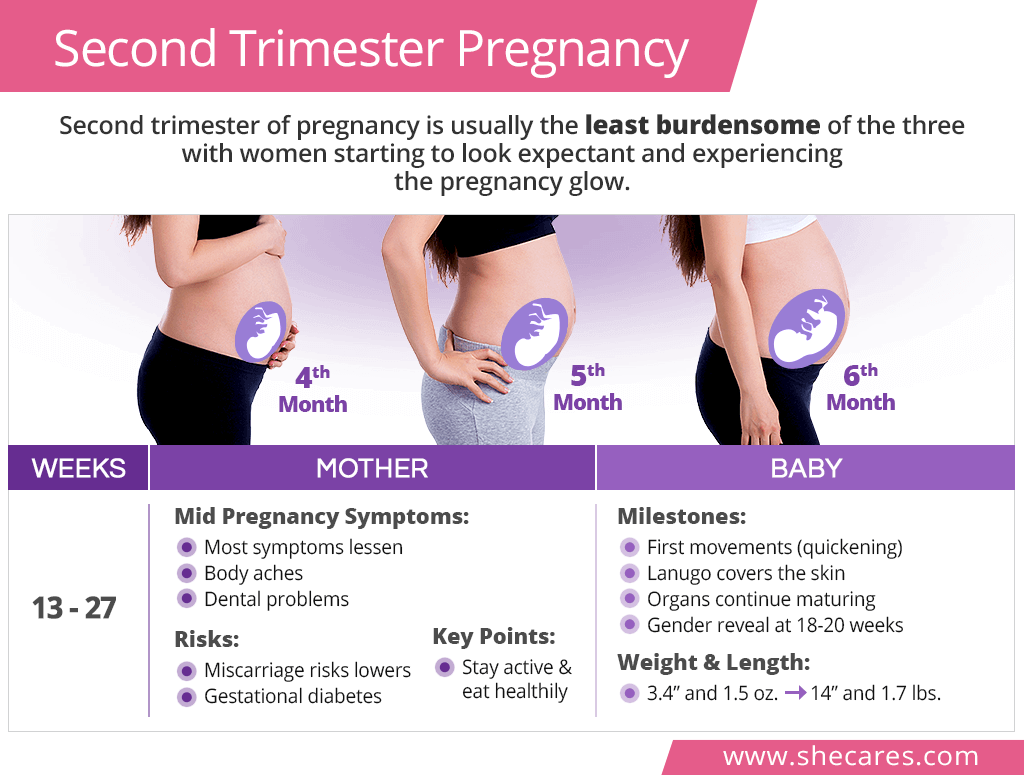
1. Capital Allocation and Healthcare Cost Optimization
The second trimester is when the abstract concept of a new dependent becomes a concrete line item in your budget. From a financial standpoint, this is the time to perform a deep-dive audit of your healthcare liabilities and liquidity.
Understanding Out-of-Pocket Maximums and Deductibles
In the realm of personal finance, healthcare is often the most volatile variable. During the second trimester, you must move beyond a basic understanding of your premiums. This is the time to calculate your “worst-case scenario” cost. Review your Summary of Benefits and Coverage (SBC) to identify your out-of-pocket maximum.
If your second trimester spans two different calendar years, you may face “double deductibles.” Strategic earners use this middle phase to front-load their Health Savings Accounts (HSA) or Flexible Spending Accounts (FSA). Utilizing pre-tax dollars to cover anticipated delivery costs is a high-efficiency move that reduces your taxable income while securing necessary liquidity for medical bills.
Auditing the Cost of Delivery and Postnatal Care
Financial transparency in the medical industry is notoriously difficult to navigate. However, a savvy financial planner will use the second trimester to request “good faith estimates” from the hospital or birthing center. By analyzing these figures now, you can adjust your short-term savings rate. This isn’t just about paying the bill; it’s about cash flow management. Knowing whether to expect a $3,000 or $10,000 liability allows you to move funds from low-yield savings into more appropriate vehicles without risking a liquidity crunch at the moment of birth.
2. Infrastructure Investment and Consumer Strategy
The second trimester is traditionally when “nesting” begins, but from a money-management perspective, this is the “procurement phase.” The goal here is to acquire necessary assets without falling into the trap of “lifestyle creep” or emotional spending.
The Secondary Market and Asset Acquisition
New parents are often targeted by aggressive marketing campaigns designed to trigger impulse buys. To protect your wealth, approach the second trimester with a “Capex” (Capital Expenditure) mindset. Evaluate which items are “depreciating assets” (clothes, strollers, high chairs) versus “long-term investments.”
The second trimester is the ideal time to leverage the secondary market. High-quality, durable goods—such as cribs or high-end strollers—can often be found for 40–60% off retail prices on specialized resale platforms. By adopting a “used-first” strategy for the bulk of your infrastructure needs, you preserve capital that can be redirected into interest-bearing accounts or the child’s future education fund.
Budgeting for Recurring Operational Costs
Beyond the one-time purchases, the second trimester is when you must model your new monthly burn rate. Diapers, formula, and increased utility costs are minor, but childcare is a major fiscal hurdle. This is the time to interview providers and lock in rates. In many urban markets, childcare can rival a mortgage payment. Integrating this “future cost” into your current budget during the second trimester—essentially “stress-testing” your income—ensures that the transition to a larger family doesn’t result in structural deficit spending.
3. Risk Management and Estate Architecture
Wealth preservation is just as important as wealth creation. The second trimester serves as the ultimate deadline for hardening your estate plan and ensuring that your risk management portfolio is commensurate with your new responsibilities.

Optimizing Life and Disability Insurance
If you haven’t revisited your life insurance since you were single or newly married, the second trimester is the time for a “gap analysis.” You are no longer just protecting a partner; you are securing the 20-year future of a dependent.
Professional financial advisors typically recommend a term life policy that covers at least 10 to 12 times your annual income, plus the cost of education. Furthermore, do not overlook disability insurance. Statistically, you are more likely to face a period of disability that prevents work than an early death. Ensuring your “own-occupation” disability coverage is active provides a safety net for your family’s primary income stream during its most vulnerable years.
The Legal Framework: Wills, Trusts, and Guardianship
A financial plan is incomplete without the legal structures to enforce it. The second trimester is the window to execute or update your Last Will and Testament. Most importantly, this involves naming a legal guardian and a financial trustee.
For those with significant assets, establishing a Revocable Living Trust can be a strategic move to avoid probate and ensure that assets are managed according to your specific instructions. While it requires an upfront legal fee, the long-term “alpha” gained by avoiding the costs and delays of the court system is substantial.
4. Career Strategy and Income Continuity
For many, the second trimester involves navigating the complexities of maternity or paternity leave. This is a negotiation phase that has significant implications for your lifetime earning potential and immediate cash flow.
Maximizing Employer Benefits and Paid Leave
Not all leave is created equal. During these middle months, you should conduct a thorough review of your company’s employee handbook. Are you eligible for Short-Term Disability (STD)? Does your state offer paid family leave?
A professional approach involves “stacking” benefits. For instance, using accrued PTO to bridge the gap between state benefits and full salary replacement. By calculating your exact income during leave now, you can build a “leave fund” to cover any percentage of salary that isn’t replaced by your employer, ensuring your mortgage and investment contributions remain uninterrupted.
Negotiating Flexibility and Long-Term Career Growth
The second trimester is also a strategic time to discuss your “re-entry” plan. In a modern corporate environment, your brand value is tied to your results, not just your presence. Proposing a phased return or a hybrid work schedule during your second trimester shows foresight and commitment. From a money perspective, maintaining your career trajectory—rather than taking a “mommy track” pay cut or leaving the workforce entirely—is the single most impactful factor in a family’s long-term net worth.
5. Launching the Generational Wealth Engine
Finally, the second trimester is the perfect time to look beyond the next year and toward the next two decades. This is when you transition from a “consumer” mindset to a “legacy” mindset.
The 529 Plan and Education Funding
While you cannot open a 529 college savings account until the child has a Social Security number, you can certainly research the best state plans during your second trimester. Some states offer tax deductions or credits for contributions.
Savvy investors often set aside the “seed capital” for this account in a high-yield savings account during the second trimester, ready to be deployed the moment the birth certificate is issued. Because of the power of compounding, a lump sum invested at birth is worth significantly more than larger contributions made when the child is a teenager.

Rebalancing the Family Portfolio
With a new dependent, your risk tolerance may shift. The second trimester is an excellent time for a portfolio rebalancing. You might move from a purely aggressive growth strategy to one that includes a slightly higher percentage of liquid assets or “sleep-at-night” securities.
Ensuring you have a 6–9 month emergency fund (up from the standard 3–6 months) provides the psychological and financial fortitude needed to weather the unexpected. In the world of finance, the second trimester is your opportunity to build a fortress around your family’s future, ensuring that when the “third trimester” and the eventual arrival occur, you are standing on a foundation of absolute fiscal stability.
aViewFromTheCave is a participant in the Amazon Services LLC Associates Program, an affiliate advertising program designed to provide a means for sites to earn advertising fees by advertising and linking to Amazon.com. Amazon, the Amazon logo, AmazonSupply, and the AmazonSupply logo are trademarks of Amazon.com, Inc. or its affiliates. As an Amazon Associate we earn affiliate commissions from qualifying purchases.