
The traditional landscape of mental health support is undergoing a seismic shift. When we ask “what to do when someone is depressed,” the answer is no longer confined to suggesting a local therapist or a support group. In the modern digital era, technology has emerged as a frontline responder, providing tools that bridge the gap between social isolation and professional care. From AI-driven sentiment analysis to wearable biometric monitors, the tech industry is redefining how we identify, monitor, and treat clinical depression. This guide explores the sophisticated technological ecosystem designed to support individuals through depressive episodes and how caregivers can leverage these tools effectively.

Digital First Aid: Utilizing Mental Health Apps and AI Chatbots
The first step in supporting someone with depression often involves overcoming the barrier of accessibility. Traditional therapy can be expensive, geographically distant, or intimidating. This is where software-as-a-service (SaaS) and mobile applications provide “Digital First Aid.”
The Rise of AI-Powered Companions
Artificial Intelligence has progressed far beyond simple automated responses. Specialized chatbots like Woebot and Wysa are built on the principles of Cognitive Behavioral Therapy (CBT) and Dialectical Behavior Therapy (DBT). When someone is struggling, these AI companions offer a non-judgmental space for “venting.” They use natural language processing (NLP) to identify cognitive distortions—such as “all-or-nothing thinking” or “catastrophizing”—and guide the user through reframing exercises. For a friend or caregiver, suggesting these tools can provide the depressed individual with a 24/7 support system that doesn’t feel like a burden to another human being.
Immediate Crisis Intervention Tools
In moments of acute distress, specific apps are designed to automate safety planning. Tools like “Stay Alive” or “BeyondNow” allow users to create a digital safety plan that includes triggers, coping strategies, and one-touch access to emergency services. When helping someone who is depressed, assisting them in setting up these digital safeguards ensures that even in their darkest moments, the technology in their pocket serves as a lifeline. These apps often include “grounding” exercises—using haptic feedback and visual cues to pull a user out of a dissociative or highly anxious state.
Gamification of Behavioral Activation
Depression often leads to a “freeze” state where even small tasks feel impossible. Apps like SuperBetter or Habitica apply game design elements to mental health. By turning self-care tasks into “quests” and providing digital rewards, these platforms help stimulate the dopamine response that depression often dampens. For those supporting a depressed individual, engaging with them through these platforms can turn a heavy conversation into a collaborative, gamified goal-setting exercise.
Wearable Technology: Monitoring Physiological Traces of Depression
While much of depression is psychological, its manifestations are deeply physiological. Wearable gadgets have evolved from simple step-counters into sophisticated diagnostic aids that can track the physical markers of a depressive episode.
Biometric Tracking and Early Warning Signs
Modern smartwatches and Oura rings track metrics like Heart Rate Variability (HRV), sleep architecture, and skin temperature. Research indicates that a significant drop in HRV or a disruption in circadian rhythms often precedes a clinical dip in mood. When someone is depressed, they may not realize their condition is worsening. By monitoring data trends, caregivers and the individuals themselves can see “objective” evidence of a decline. If a wearable device indicates three nights of disrupted REM sleep and a spike in resting heart rate, it serves as a data-driven prompt to seek professional help before a full crisis occurs.
Integrating Wearables into Clinical Treatment
The “quantified self” movement is now entering the doctor’s office. Many psychiatric professionals now encourage patients to share their wearable data. This allows for a more accurate assessment of how medication or lifestyle changes are affecting the body. For a support person, recommending a device with high-fidelity biometric sensors can be a practical way to help a loved one “externalize” the depression. It becomes less about a personal failing and more about managing a biological system that is currently out of balance.
Future Tech: Cortisol Sensing and Neural Feedback
The next frontier of wearable tech includes patches that can measure cortisol (the stress hormone) levels in sweat in real-time. Additionally, consumer-grade EEG headbands are being used to help individuals practice mindfulness by providing real-time feedback on brainwave activity. These tools empower the depressed individual with tangible data, helping them regain a sense of agency over their physical and mental state.
Telehealth and Virtual Reality: Bridging the Distance in Care
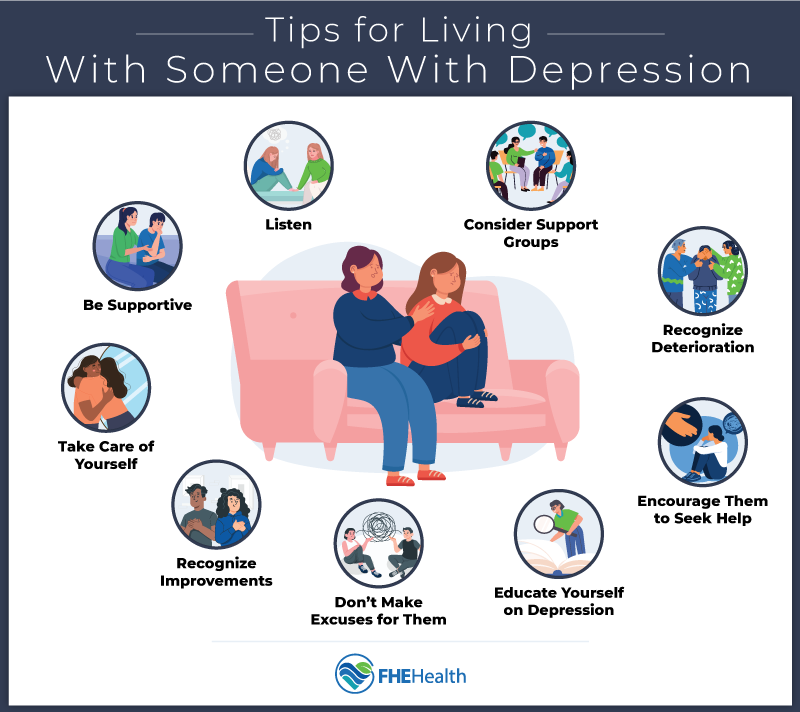
Connectivity is the antithesis of depression. When physical distance or social anxiety makes in-person intervention impossible, high-tech communication platforms and immersive environments offer a solution.
The Accessibility Revolution of Teletherapy
The expansion of telehealth platforms like BetterHelp, Talkspace, and specialized clinical portals has democratized access to psychology. For a caregiver, the best “thing to do” is often facilitating the first digital appointment. Telehealth removes the “friction” of travel and the perceived stigma of sitting in a waiting room. High-definition video conferencing and secure messaging allow for a continuity of care that was previously impossible, ensuring that support is available regardless of the user’s mobility or location.
VR Exposure Therapy and Immersive Environments
Virtual Reality (VR) is no longer just for gaming. Clinical VR is being used to treat the symptoms of depression and PTSD by creating “safe spaces” or controlled environments for exposure therapy. For someone who is depressed and struggling with agoraphobia or social anxiety, VR can provide a bridge. Immersive environments can simulate nature, guided meditation scenes, or social gatherings, allowing the brain to practice engagement in a low-stakes digital world before transitioning to the real one.
Collaborative Care Platforms
Modern tech allows for a “wraparound” care model. Digital platforms now exist that allow a therapist, a psychiatrist, and a designated family member (with consent) to view a shared dashboard. This dashboard might include mood logs, medication adherence trackers, and notes on progress. This collaborative approach ensures that the person supporting the depressed individual isn’t operating in a vacuum but is part of a synchronized, tech-enabled team.
Digital Security and Privacy in Mental Health Tech
As we integrate more technology into mental health support, we must address the critical niche of digital security. When someone is depressed, they are often in a vulnerable state, making the protection of their digital footprint and psychological data paramount.
Protecting Sensitive Psychological Data
Mental health data is among the most sensitive information a person can generate. When recommending apps or tools, it is vital to check for HIPAA (Health Insurance Portability and Accountability Act) compliance or GDPR (General Data Protection Regulation) standards. Caregivers should look for end-to-end encryption in messaging apps and clear “right to be forgotten” clauses in privacy policies. Ensuring that a person’s digital “confessional” isn’t being sold to advertisers is a crucial step in maintaining the trust necessary for recovery.
Ethical Considerations of AI Sentiment Analysis
Many modern communication tools now use AI to perform “sentiment analysis” on text and voice. While this can be used to alert family members if a loved one sounds suicidal, it raises significant ethical questions regarding surveillance and autonomy. When utilizing these tools, it is essential to have an “Opt-In” agreement. The goal of technology should be to empower the individual, not to monitor them without their consent. Professional tech-driven support involves finding the balance between safety-focused monitoring and the individual’s right to digital privacy.
The Risk of the “Digital Echo Chamber”
Part of the “tech” side of depression involves managing social media algorithms. Algorithms are designed to show users more of what they interact with. For a depressed person, this can lead to a “doom-scrolling” cycle where they are bombarded with negative content. “What to do” in this context involves digital hygiene: helping the individual recalibrate their algorithms, using app blockers to limit time on toxic platforms, and encouraging the use of “positive-only” feeds or curated digital communities.
The Future of Digital Wellness: Building a Tech-Enabled Support System
The future of supporting someone with depression lies in the seamless integration of human empathy and machine precision. We are moving toward a world of “Predictive Psychiatry.”
Predictive Analytics and Long-term Management
Machine learning models are currently being developed to analyze “digital biomarkers”—typing speed, frequency of social media posts, and even the tone of voice in phone calls—to predict a depressive relapse weeks before it happens. For a support network, this means the technology acts as a “smoke detector,” providing an early warning that allows for proactive intervention rather than reactive crisis management.
The “Human-in-the-Loop” Model
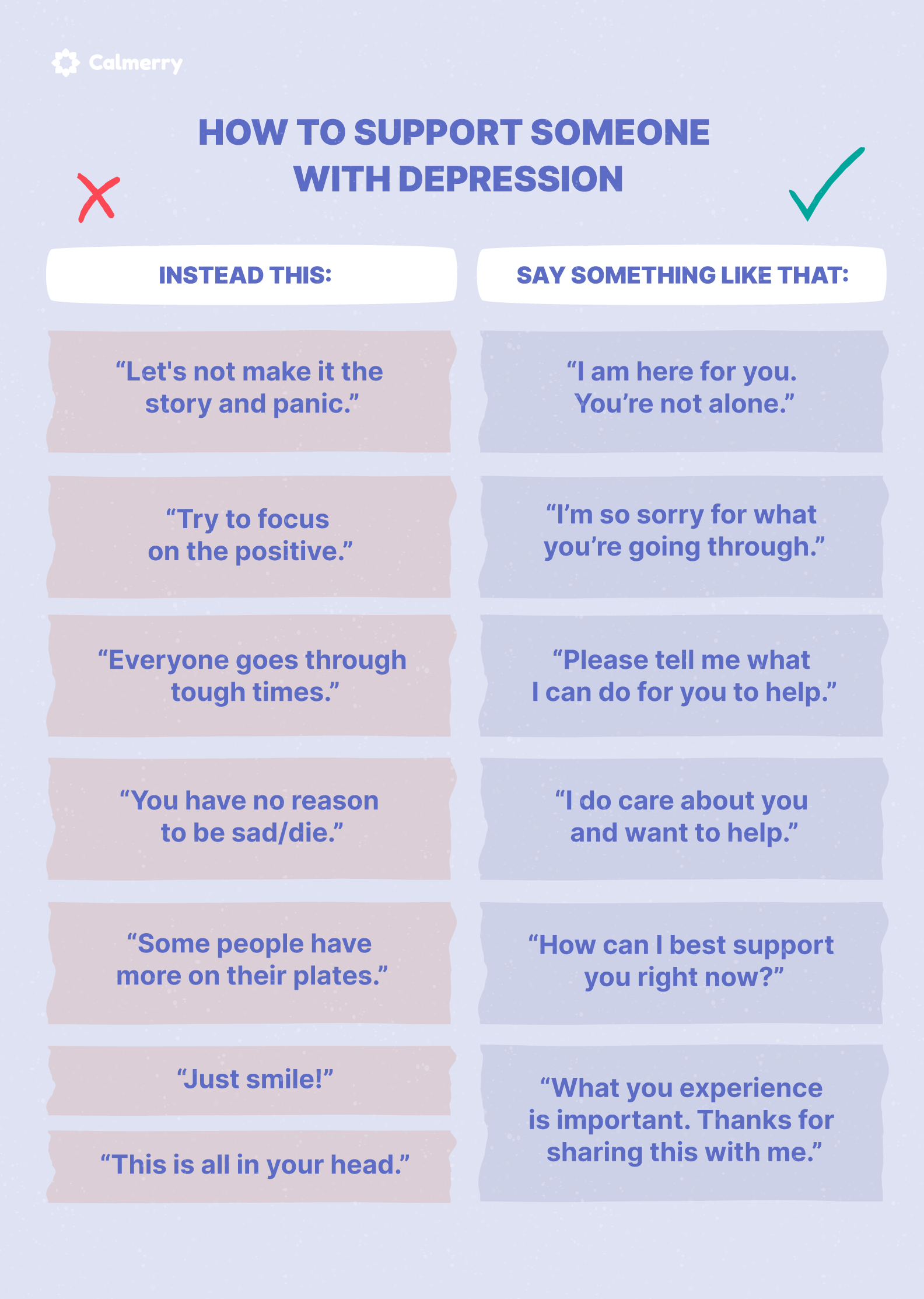
Ultimately, the most effective tech-driven support follows a “human-in-the-loop” philosophy. Technology should not replace the friend, the parent, or the therapist; it should augment them. By using data to inform conversations and apps to bridge the gaps between therapy sessions, we create a more robust net. When you are supporting someone who is depressed, your role is to help them navigate these digital tools, ensuring the technology serves as a ladder out of the darkness rather than a distraction from it.
Conclusion: A Multi-Layered Tech Strategy
When someone is depressed, the technological response should be multi-layered. It starts with Software (CBT apps and AI), moves to Hardware (wearables for biometric tracking), utilizes Infrastructure (telehealth and VR), and is protected by Security (privacy protocols). By leveraging the full spectrum of modern technology, we can provide those struggling with depression a level of support that is more consistent, data-driven, and accessible than ever before. Technology, when applied with professional insight and personal empathy, becomes a powerful catalyst for healing and a vital component of the modern recovery toolkit.
aViewFromTheCave is a participant in the Amazon Services LLC Associates Program, an affiliate advertising program designed to provide a means for sites to earn advertising fees by advertising and linking to Amazon.com. Amazon, the Amazon logo, AmazonSupply, and the AmazonSupply logo are trademarks of Amazon.com, Inc. or its affiliates. As an Amazon Associate we earn affiliate commissions from qualifying purchases.