
In the traditional landscape of healthcare, the question “what test is for kidney function” usually yielded a straightforward answer: a blood draw for creatinine levels or a routine urine sample. However, as we move deeper into the digital age, the “test” for kidney health is no longer confined to a glass vial in a distant laboratory. Today, the intersection of medical technology (MedTech), artificial intelligence (AI), and the Internet of Medical Things (IoMT) is redefining how we detect, monitor, and manage renal performance.
This technological revolution is not merely about making tests faster; it is about making them more predictive, personalized, and accessible. From sophisticated software algorithms that calculate glomerular filtration rates (GFR) to wearable sensors that monitor electrolyte balance in real-time, technology is transforming nephrology from a reactive discipline into a proactive science.
Digital Diagnostics: The Evolution of Traditional Renal Function Tests
The foundation of kidney testing has always relied on biochemical markers. However, the technology used to analyze these markers has undergone a radical transformation. In the past, lab technicians performed manual titrations and colorimetric assays. Modern pathology labs now function as high-tech data centers, where automation and software integration take center stage.
From Manual Labs to Automated Biochemistry Analyzers
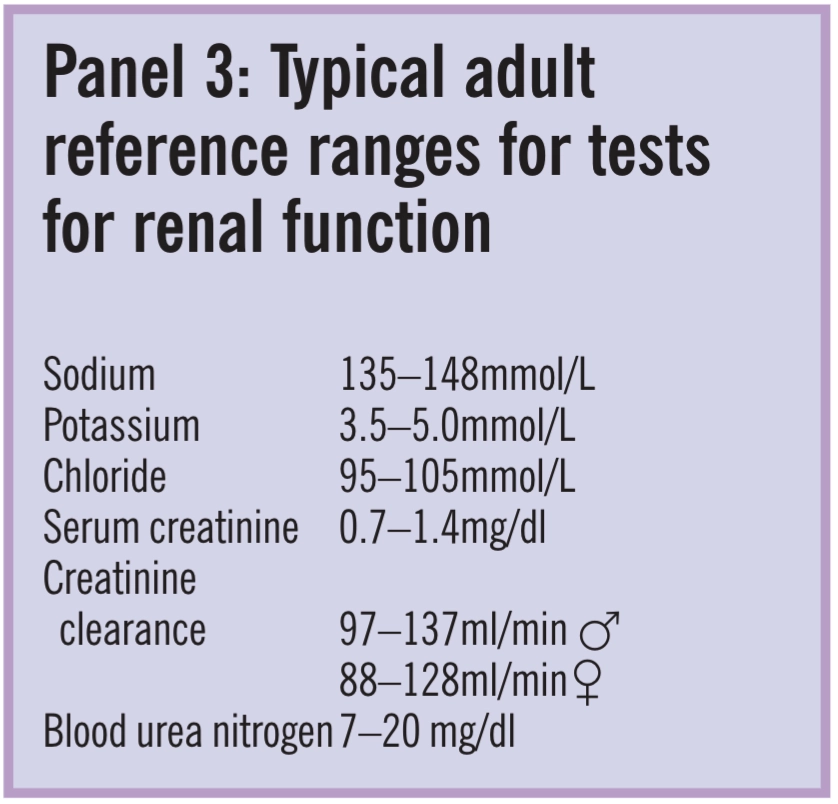
Modern laboratories utilize high-throughput automated analyzers that can process thousands of samples per hour. These machines use advanced robotics to minimize human error and digital sensors to detect minute changes in blood chemistry. When a clinician orders a Basic Metabolic Panel (BMP) to check for urea nitrogen (BUN) and creatinine, the “test” is actually a sophisticated symphony of fluidics and optical sensors. These devices are integrated with Laboratory Information Systems (LIS) that instantly flag abnormal results using pre-set digital parameters, ensuring that critical values reach the physician within minutes rather than days.
High-Throughput Screening in Modern Pathology
Beyond the basic blood draw, technology has enabled high-throughput screening for biomarkers like Cystatin C. While creatinine can be influenced by muscle mass and diet, Cystatin C is a more stable protein that offers a clearer picture of kidney function. The technology used to measure it—often involving particle-enhanced immunoturbidimetric assays—requires precise software calibration. This digital precision allows for the early detection of Chronic Kidney Disease (CKD), which was previously difficult to spot in its nascent stages using analog methods.
AI and Machine Learning: Predicting Renal Health Beyond the Lab
One of the most significant shifts in kidney testing is the move from measurement to prediction. Artificial Intelligence (AI) and Machine Learning (ML) are being utilized to analyze “Big Data” from Electronic Health Records (EHRs), identifying patients at risk of kidney failure long before their lab results show significant damage.
Algorithmic GFR Estimation and Precision Medicine
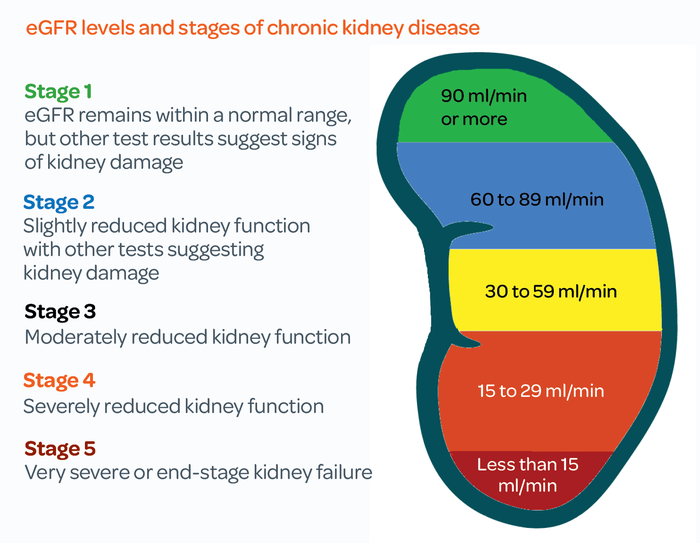
The Estimated Glomerular Filtration Rate (eGFR) is the gold standard for determining kidney function. Historically, this was calculated using static formulas. Today, smart software platforms integrate a patient’s entire medical history—including genomic data, age, race, and comorbidities—into dynamic models. These algorithms provide a “Precision GFR” that is far more accurate for the individual than a one-size-fits-all calculation. This shift represents the transition of kidney testing from a generic metric to a personalized digital profile.
Predictive Analytics for Early-Stage Chronic Kidney Disease (CKD)
Machine learning models are now capable of analyzing trends in a patient’s historical data to predict the “trajectory” of their kidney health. By examining subtle fluctuations in blood pressure, glucose levels, and protein-to-creatinine ratios over several years, AI can flag a high probability of future renal decline. This “predictive test” acts as an early warning system, allowing for technological interventions like automated medication adjustments or dietary alerts before the kidneys reach a state of irreversible failure.
Wearable Tech and Remote Monitoring: Keeping Tabs on Your Kidneys 24/7

The most inconvenient aspect of kidney testing has traditionally been the need for a clinical visit. Wearable technology is dismantling this barrier, moving the “test” for kidney function from the clinic to the wrist and the home.
Biosensors and Sweat-Based Electrolyte Tracking
Emerging wearable tech is now exploring the use of non-invasive biosensors to monitor kidney health markers. Researchers are developing smart patches that analyze sweat for urea and creatinine levels. While still in the optimization phase, these devices represent a future where a patient with stage 3 CKD can receive an alert on their smartphone if their toxin levels spike. This continuous monitoring is a significant technological leap over the “snapshot” provided by a once-a-month blood test.
Smart Toilets and the Automation of Urinalysis
Perhaps the most innovative frontier in renal monitoring is the “Smart Toilet.” These devices are equipped with specialized optical sensors and test strips built into the hardware to perform automated urinalysis. Every time a patient uses the bathroom, the technology can check for albuminuria (protein in the urine), specific gravity, and pH levels. The data is then encrypted and sent to a cloud-based health platform. This integration of hardware and software allows for a level of consistency in kidney testing that was previously impossible, catching signs of dehydration or infection in real-time.
The Intersection of Software and Specialized Imaging
While blood and urine tests tell us how the kidneys are working, imaging technology tells us how they look. Modern software has enhanced traditional imaging techniques like ultrasound, CT scans, and MRIs to provide high-definition insights into renal anatomy.
3D Visualization and VR in Renal Surgical Planning
For patients with kidney stones or renal tumors, the “test” involves complex imaging. Advanced software can now take standard 2D CT scans and convert them into interactive 3D models. Surgeons can use Virtual Reality (VR) headsets to “walk through” a patient’s kidney before performing a procedure. This digital mapping ensures that the functional units of the kidney (nephrons) are preserved during surgery, which is critical for maintaining long-term kidney function.
Digital Pathology and Cloud-Based Diagnostic Networks
In cases where a kidney biopsy is required, the “test” has moved into the cloud. Digital pathology involves scanning biopsy slides at ultra-high resolutions. These digital images can then be shared instantly with top nephropathologists around the world via secure cloud networks. AI software can further assist by “counting” healthy vs. scarred glomeruli, providing a quantitative score of kidney damage that is more objective than a human eye’s assessment. This global connectivity ensures that patients receive world-class diagnostic expertise regardless of their physical location.
Emerging Tech: Lab-on-a-Chip and Point-of-Care Testing
The pinnacle of current kidney testing technology is the miniaturization of the laboratory itself. “Lab-on-a-chip” (LOC) technology is poised to make kidney function testing as simple and ubiquitous as a blood glucose check for diabetics.
Microfluidics: Bringing the Lab to the Patient’s Bedside
Microfluidic technology allows for the manipulation of tiny amounts of fluids on a chip the size of a credit card. These chips can perform complex chemical reactions to measure creatinine and electrolytes from a single drop of blood. For patients in remote areas or those undergoing dialysis, this point-of-care (POC) testing is life-changing. It provides immediate feedback, allowing for real-time adjustments to treatment protocols without the need for expensive, centralized laboratory infrastructure.
Blockchain for Secure Kidney Health Data Management
As kidney testing generates more digital data, the security of that information becomes paramount. Blockchain technology is being implemented to create immutable records of a patient’s renal health history. In a blockchain-based system, every kidney test result, every imaging file, and every wearable data point is securely encrypted and accessible only to authorized providers. This ensures data integrity—a crucial factor when AI algorithms are making life-critical decisions based on that data—and gives patients total ownership over their diagnostic history.
Conclusion
The answer to “what test is for kidney function” has evolved from a simple chemical reaction to a complex ecosystem of hardware, software, and data science. We are entering an era where technology doesn’t just measure kidney health; it protects it. Through the integration of AI-driven analytics, wearable biosensors, and miniaturized lab technology, the process of monitoring renal function is becoming more invisible, more accurate, and more integrated into our daily lives. As these technologies continue to mature, the goal of nephrology moves closer to reality: the total prevention of kidney failure through the power of digital innovation.
aViewFromTheCave is a participant in the Amazon Services LLC Associates Program, an affiliate advertising program designed to provide a means for sites to earn advertising fees by advertising and linking to Amazon.com. Amazon, the Amazon logo, AmazonSupply, and the AmazonSupply logo are trademarks of Amazon.com, Inc. or its affiliates. As an Amazon Associate we earn affiliate commissions from qualifying purchases.