
In an era where traditional linear television broadcasts are increasingly challenged by on-demand content and diverse digital platforms, the question “What streaming service is the Grammys on?” has become a central query for millions of music aficionados. This seemingly simple question, however, opens a complex window into the intricate technological infrastructure and evolving viewing habits that define modern media consumption. Beyond merely identifying a platform, understanding how such a high-profile live event is delivered digitally provides profound insights into the cutting-edge tech behind today’s streaming ecosystem.
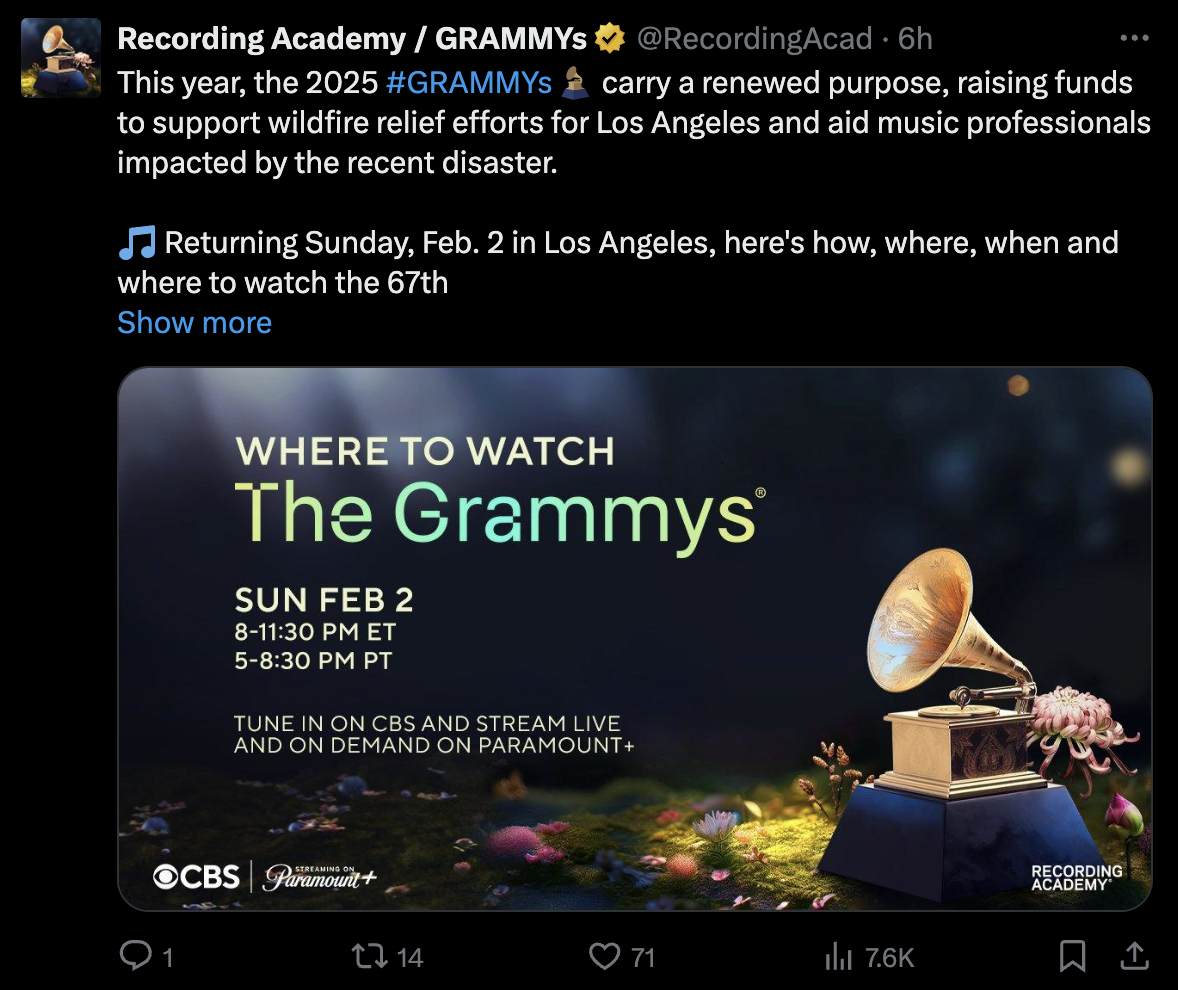
For those eager to tune in, the Grammys, typically broadcast live on CBS, can also be streamed live through services that carry CBS, such as Paramount+ with Showtime (for live stream access, usually requiring the higher tier), Hulu + Live TV, YouTube TV, FuboTV, and DirecTV Stream. Each of these platforms leverages sophisticated technologies to bring the spectacle from the stage directly to your screens, wherever you are. This article delves into the technological underpinnings that make this digital delivery possible, exploring the evolution, architecture, and user experience of live event streaming.

The Shifting Sands of Live Event Broadcasting: From Antennas to Algorithms
The way we consume live events like the Grammy Awards has undergone a radical transformation, moving from a singular broadcast model to a multi-platform digital distribution network. This evolution isn’t just about convenience; it’s a testament to rapid advancements in internet infrastructure, compression algorithms, and content delivery strategies.
The Traditional Model: Terrestrial and Cable TV
For decades, live events like the Grammys were the exclusive domain of terrestrial broadcast networks and, subsequently, cable television providers. This model relied on robust, dedicated broadcast chains—from satellite uplinks at the event venue to regional transmitters and cable headends—delivering a singular, synchronous signal to millions of homes. The technology was largely unidirectional and relatively inflexible, dictating a communal viewing experience at a specific time. DVRs later offered some time-shifting, but the essence remained a scheduled, linear feed. The primary technological challenge was maintaining signal integrity and reaching maximum geographic coverage.
The Rise of Streaming: Convenience Meets Connectivity
The advent of broadband internet and sophisticated streaming protocols fundamentally disrupted this paradigm. Streaming services democratized access, allowing viewers to consume content on a multitude of devices—smartphones, tablets, smart TVs, and web browsers—at their convenience. Initially, streaming focused on on-demand libraries, offering a vast catalog of movies and TV shows. However, the true test of streaming technology’s maturity came with live events. Delivering real-time, high-quality video to millions simultaneously, with minimal latency and maximum reliability, presented a significantly higher technical hurdle than pre-recorded content. The ability to watch the Grammys on a phone while commuting, or pausing it for a snack break, highlights the profound shift in user autonomy enabled by these technological leaps.
Why Live Events Like the Grammys are Critical for Streaming Platforms
For streaming platforms, securing the rights to major live events like the Grammys is more than just an audience grab; it’s a strategic technological flexing. It demonstrates their platform’s robustness, scalability, and capacity to handle immense, simultaneous traffic spikes—a benchmark for any serious contender in the streaming wars. From a tech perspective, it means proving their Content Delivery Networks (CDNs) can handle the load, their encoding processes are efficient enough for real-time delivery, and their playback applications are stable across an array of diverse user devices. The demand for flawless, real-time delivery pushes the boundaries of current streaming technologies, accelerating innovation in areas like low-latency streaming and adaptive bitrate optimization.
Decoding the Tech Stack for Live Grammy Broadcasts
The seamless viewing experience of a live Grammy broadcast on a streaming service belies a complex, multi-layered technological architecture working in unison. From the moment the camera captures the action to its display on your screen, a sophisticated chain of processes ensures fidelity and speed.
Content Delivery Networks (CDNs): The Backbone of Streaming
At the heart of global content distribution are Content Delivery Networks (CDNs). For a live event like the Grammys, the raw video feed is ingested by the streaming service and then distributed to numerous CDN edge servers strategically located around the world. Instead of all viewers trying to access a single central server, which would quickly bottleneck, CDNs direct requests to the closest available server. This geographical distribution dramatically reduces latency, minimizes buffering, and ensures a faster, more reliable stream for viewers, regardless of their location. For an event attracting millions, the CDN infrastructure must be incredibly robust, capable of dynamically scaling bandwidth and managing traffic surges.
Encoding and Transcoding: Delivering Quality Across Devices
Live video, as captured by professional cameras, is incredibly large and uncompressed. Before it can be streamed efficiently, it must be encoded—compressed into a smaller, more manageable digital format (e.g., H.264 or the more modern H.265/HEVC). More critically, for streaming, this content undergoes transcoding. This process converts the single high-quality input stream into multiple output streams, each with different resolutions, bitrates, and codecs (e.g., 1080p at 5 Mbps, 720p at 3 Mbps, 480p at 1.5 Mbps, etc.). This multi-version approach is vital for Adaptive Bitrate Streaming. Transcoding must happen in real-time for live events, requiring powerful, often cloud-based, processing capabilities to keep up with the incoming video feed.
Adaptive Bitrate Streaming (ABS): Ensuring Smooth Playback
Adaptive Bitrate Streaming (ABS) is the cornerstone of a smooth, uninterrupted streaming experience. Instead of sending a single fixed-quality stream, ABS technology dynamically adjusts the video quality based on the viewer’s current internet connection speed and device capabilities. The client-side player constantly monitors bandwidth and switches between the different transcoded versions of the video stream (e.g., from 1080p to 720p and back) without interruption. This prevents buffering during network slowdowns and automatically delivers the highest possible quality when bandwidth is abundant. Protocols like HLS (HTTP Live Streaming) and DASH (Dynamic Adaptive Streaming over HTTP) are the prevalent standards that enable ABS.
Digital Rights Management (DRM): Protecting High-Value Content
Given the high value of content like the Grammy Awards, Digital Rights Management (DRM) technologies are indispensable. DRM systems encrypt the video content and manage licensing rules, preventing unauthorized copying, distribution, and access. For live events, this means ensuring that only authenticated subscribers can view the stream and that the content cannot be easily pirated while it’s being broadcast. Common DRM solutions include Widevine (Google), PlayReady (Microsoft), and FairPlay (Apple), which are integrated into browsers, apps, and devices to secure the content from end to end.
User Experience and Accessibility: The Viewer’s Tech Interface
The ultimate success of any streaming service for an event like the Grammys hinges on the viewer’s experience. This involves not just reliable delivery but also broad accessibility across devices and intuitive features that enhance engagement.
Multi-Platform Availability: Smart TVs, Mobile, and Web
Modern streaming services are engineered for ubiquitous access. This means developing dedicated applications for a vast ecosystem of devices: smart TVs (running platforms like Roku, Fire TV, Android TV, webOS, Tizen), gaming consoles (PlayStation, Xbox), mobile devices (iOS, Android), and web browsers on computers. Each platform requires tailored app development and optimization, ensuring that the user interface is intuitive and the video player performs optimally, accounting for variations in screen size, input methods, and processing power. This multi-platform strategy maximizes reach and caters to diverse viewing preferences.

Interactive Features and Second-Screen Experiences
Beyond passive viewing, streaming platforms are increasingly integrating interactive features, especially for live events. This might include live polls, social media integration directly within the app, real-time statistics, or even curated concurrent streams (e.g., red carpet feeds alongside the main show). The “second-screen experience,” where viewers engage with related content on another device (like tweeting about the Grammys while watching on TV), is also a key consideration for app developers, influencing how social feeds and supplemental information are presented and updated in real-time.
The Role of Device Compatibility and Software Updates
A seamless viewing experience also depends heavily on the compatibility of the viewer’s devices and the currency of their software. Outdated operating systems or app versions can lead to performance issues, security vulnerabilities, or even an inability to access the stream. Streaming services frequently release updates to their apps to improve performance, add features, fix bugs, and maintain compatibility with the latest device firmware and security standards. Users are often prompted to update their apps to ensure they have the best and most secure viewing environment, highlighting the continuous software lifecycle in the tech ecosystem.
Navigating Buffering and Latency: Optimizing the Viewer’s Connection
Despite all technological advancements, buffering and latency remain critical pain points. Buffering, where the video momentarily stops to load more data, is often a symptom of insufficient bandwidth at the viewer’s end or an overwhelmed local network. Latency, the delay between the live event and its appearance on screen, is inherent in any digital processing chain but is continuously being minimized by low-latency streaming protocols. Viewers can optimize their experience by ensuring a stable, high-speed internet connection, using a wired Ethernet connection instead of Wi-Fi where possible, and minimizing other bandwidth-intensive activities on their network during a live stream.
The Business of Live Event Streaming: A Technological Arms Race
The competition among streaming services to host premium live events like the Grammys isn’t just about content acquisition; it’s a technological arms race that drives innovation and differentiation in the market.
Exclusive Rights and Platform Differentiation
Securing exclusive streaming rights for major events offers a significant competitive advantage. It forces viewers to subscribe to a specific service, boosting subscriber numbers. From a tech perspective, this means the platform must not only handle the technical demands of the event but also integrate it seamlessly into its existing app ecosystem, potentially developing unique viewing features to stand out. This often pushes services to invest heavily in their underlying cloud infrastructure and proprietary streaming technologies.
Data Analytics: Understanding Viewer Engagement
Streaming services collect vast amounts of data on viewer behavior during live events. This includes information on peak viewership times, device usage, geographic distribution, duration of viewing, and engagement with interactive features. This data, processed by sophisticated analytics platforms, provides invaluable insights into content popularity, technical performance, and user preferences. These insights then inform future content acquisition strategies, infrastructure investments, and feature development, creating a data-driven feedback loop for continuous technological improvement.
Cloud Infrastructure: Scaling for Peak Demand
The ability to scale infrastructure rapidly to handle massive, unpredictable spikes in concurrent viewers is paramount for live event streaming. Cloud computing platforms (AWS, Azure, Google Cloud) provide the flexibility and elasticity required. Services can dynamically provision thousands of servers and terabytes of bandwidth in minutes, ensuring that resources are available when millions tune in simultaneously for the Grammys, and then scale back down afterward. This “pay-as-you-go” model is technologically efficient and economically viable for managing intermittent, high-demand events.
Future Trends: Immersive Experiences and Web3 Integration
Looking ahead, the technological evolution of live event streaming continues. We might see more immersive experiences leveraging virtual reality (VR) or augmented reality (AR) technologies, allowing viewers to “attend” the Grammys virtually. Integration with Web3 technologies, such as NFTs for exclusive content access or blockchain for transparent fan engagement, could also redefine how viewers interact with live broadcasts. These emerging technologies promise to further blur the lines between physical and digital presence, demanding even more sophisticated streaming infrastructure and delivery mechanisms.
Preparing Your Tech for Grammy Night: A Checklist
To ensure a smooth and enjoyable Grammy Awards streaming experience, a little technical preparation can go a long way.
Internet Speed and Wi-Fi Optimization
A stable and fast internet connection is the bedrock of good streaming. For HD streaming, generally, 5-8 Mbps is recommended per stream, and for 4K, 25 Mbps or more. Test your internet speed beforehand using online tools. If using Wi-Fi, ensure your router is optimally placed, free from interference, and consider a wired Ethernet connection to your streaming device for maximum stability and speed, especially for crucial live events.
Device Compatibility and App Updates
Confirm that your chosen streaming device (Smart TV, phone, tablet, computer) is compatible with the streaming service’s app. Crucially, ensure that the app itself, and your device’s operating system, are updated to their latest versions. Updates often contain critical bug fixes, performance improvements, and security enhancements necessary for optimal streaming.
Troubleshooting Common Streaming Issues
If issues arise during the broadcast, start with basic troubleshooting:
- Restart the app: Close and reopen the streaming application.
- Restart your device: A full power cycle can resolve many temporary glitches.
- Restart your router/modem: Unplug for 30 seconds, then plug back in. This often refreshes your network connection.
- Check other devices: See if other devices on your network are hogging bandwidth.
- Reduce video quality: If buffering persists, manually lower the stream’s quality setting if available, giving your connection less data to process.
By understanding the sophisticated technological ecosystem that underpins live streaming, from CDNs and adaptive bitrates to multi-platform apps and cloud scaling, viewers can better appreciate the effort involved in bringing events like the Grammys directly to their screens. The question “what streaming service is the Grammys on” is not just about a platform; it’s an entry point into the dynamic and ever-evolving world of digital media technology.
aViewFromTheCave is a participant in the Amazon Services LLC Associates Program, an affiliate advertising program designed to provide a means for sites to earn advertising fees by advertising and linking to Amazon.com. Amazon, the Amazon logo, AmazonSupply, and the AmazonSupply logo are trademarks of Amazon.com, Inc. or its affiliates. As an Amazon Associate we earn affiliate commissions from qualifying purchases.