
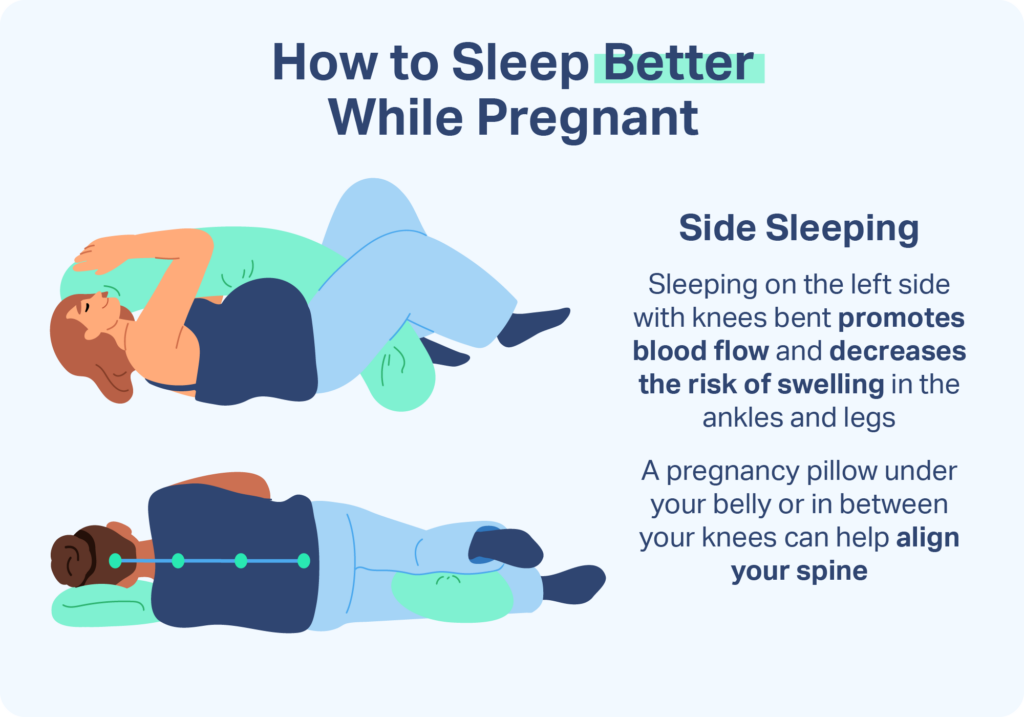
The intersection of maternal health and advanced technology has birthed a new era of “FemTech” focused specifically on the physiological challenges of gestation. Among these challenges, nocturnal positioning remains a primary concern for both expectant mothers and healthcare providers. While medical consensus has long advocated for the left side—the “SOS” (Sleep on Side) position—the modern tech landscape is transforming this simple advice into a sophisticated ecosystem of data-driven hardware and software. By leveraging AI-driven biometrics, smart textiles, and predictive analytics, the technology sector is now providing precise solutions to ensure optimal blood flow and fetal safety through superior sleep positioning.
The Data Behind the Left Side: Why Sleep Positioning Matters in the Digital Health Era
Before exploring the technological solutions, it is essential to understand the “biological algorithm” that tech developers are trying to optimize. The primary goal of pregnancy sleep tech is to prevent the compression of the inferior vena cava (IVC), the large vein that carries blood back to the heart from the lower body.
The Physiology of Optimal Blood Flow
When a pregnant person lies on their back, especially in the third trimester, the weight of the uterus can compress the IVC, potentially reducing oxygen and nutrient flow to the placenta. Modern diagnostic tech, including high-definition Doppler ultrasound and real-time hemodynamic monitoring, has confirmed that the left side is the “optimal orientation” for maximizing cardiac output. For tech developers, this physiological requirement serves as a key performance indicator (KPI) for designing ergonomic gadgets.
How AI-Driven Biomechanics Validate Traditional Medical Advice
Today’s health-tech firms are using AI to analyze thousands of hours of sleep data from pregnant cohorts. Through machine learning models, developers can now quantify exactly how much a five-degree shift in torso angle affects fetal heart rate variability. These data sets have transitioned “sleeping on your left side” from a piece of anecdotal advice into a scientifically validated parameter that can be programmed into smart devices and wearable sensors.
Wearable Innovations: Monitoring Maternal Sleep Quality and Positioning
The most significant leap in managing pregnancy sleep positions has come from the wearable sector. While general fitness trackers provide basic sleep stages, specialized maternal wearables are focusing on positional haptics and real-time alerts to keep users on their side.
Smart Wearables and Positional Haptics
New-age wearable sensors, often integrated into soft chest straps or adhesive patches, utilize tri-axial accelerometers and gyroscopes to track a user’s exact orientation in 3D space. When the system detects a shift from the side to the supine (back) position, the device can deliver a gentle haptic vibration. This “biofeedback” encourages the sleeper to roll back onto their left side without fully waking them, thereby maintaining the integrity of deep sleep cycles while ensuring vascular safety.
Integrating IoT into the Maternity Journey
The modern maternity tech stack isn’t just a standalone device; it is part of an Internet of Things (IoT) ecosystem. Many pregnancy-specific sleep monitors sync directly with smartphone applications. These apps provide a “Sleep Score” that correlates maternal position with heart rate, respiratory rate, and even fetal movement patterns. By viewing this data on a dashboard, users can identify patterns—such as certain times of night when they tend to roll onto their backs—and adjust their physical environment (like pillow placement) accordingly.

The Rise of Smart Beds and AI-Adjustable Surfaces
While wearables track the body, the next frontier in prenatal tech involves the environment itself. The development of “smart mattresses” and adjustable bed bases specifically programmed for the three trimesters represents a multi-billion dollar shift in the sleep-tech industry.
Responsive Mattresses for Morphological Changes
A major tech hurdle in pregnancy is the rapidly changing center of gravity and body mass index (BMI). Smart mattresses now utilize pressure-sensing fabrics containing thousands of microscopic sensors. These sensors detect “hot spots” where the weight of the belly might be causing spinal misalignment or pressure on the hips. In response, the mattress can dynamically adjust its firmness levels using internal air chambers or motorized actuators, providing the necessary support to make left-side sleeping more comfortable and sustainable throughout the night.
Machine Learning Algorithms for Individualized Comfort
No two pregnancies are identical. Leading tech firms are now implementing machine learning algorithms that “learn” a user’s sleep preferences. If the system detects that the user frequently wakes up due to hip pain while on their left side, the AI can suggest micro-adjustments in the bed’s elevation. Some advanced bases even offer a “zero-gravity” preset, which, when tilted slightly to the left, uses gravity to assist in decompressing the IVC while maintaining a comfortable, semi-upright posture that reduces acid reflux—another common pregnancy symptom.
Predictive Analytics and Remote Patient Monitoring (RPM)
The true power of tech in pregnancy sleep positioning lies in its ability to connect the bedroom to the clinic. Remote Patient Monitoring (RPM) is becoming a standard in high-risk obstetrics, and sleep data is a critical component of this trend.
Reducing Risks Through Continuous Data Streams
By analyzing longitudinal sleep data, predictive analytics software can identify early warning signs of complications like gestational hypertension or preeclampsia, which are often correlated with poor sleep quality and improper positioning. If a patient’s wearable data shows a sudden increase in back-sleeping coupled with a rise in resting heart rate, the software can flag this for a healthcare provider. This proactive approach transforms sleep positioning from a passive habit into an active data point for preventive medicine.
The Ethical Implications of Pregnancy Data Tracking
As we integrate more AI and cloud-based tracking into the pregnancy experience, the tech industry must navigate the complexities of data privacy and cybersecurity. The “Quantified Pregnancy” generates highly sensitive biometric data. Developers are now focusing on end-to-end encryption and HIPAA-compliant cloud storage to ensure that a mother’s sleep patterns and fetal health metrics are protected from third-party exploitation. The focus is shifting toward “Privacy by Design,” ensuring that maternal tech remains a tool for empowerment rather than surveillance.
Conclusion: Navigating the Intersection of Wellness and High-Tech
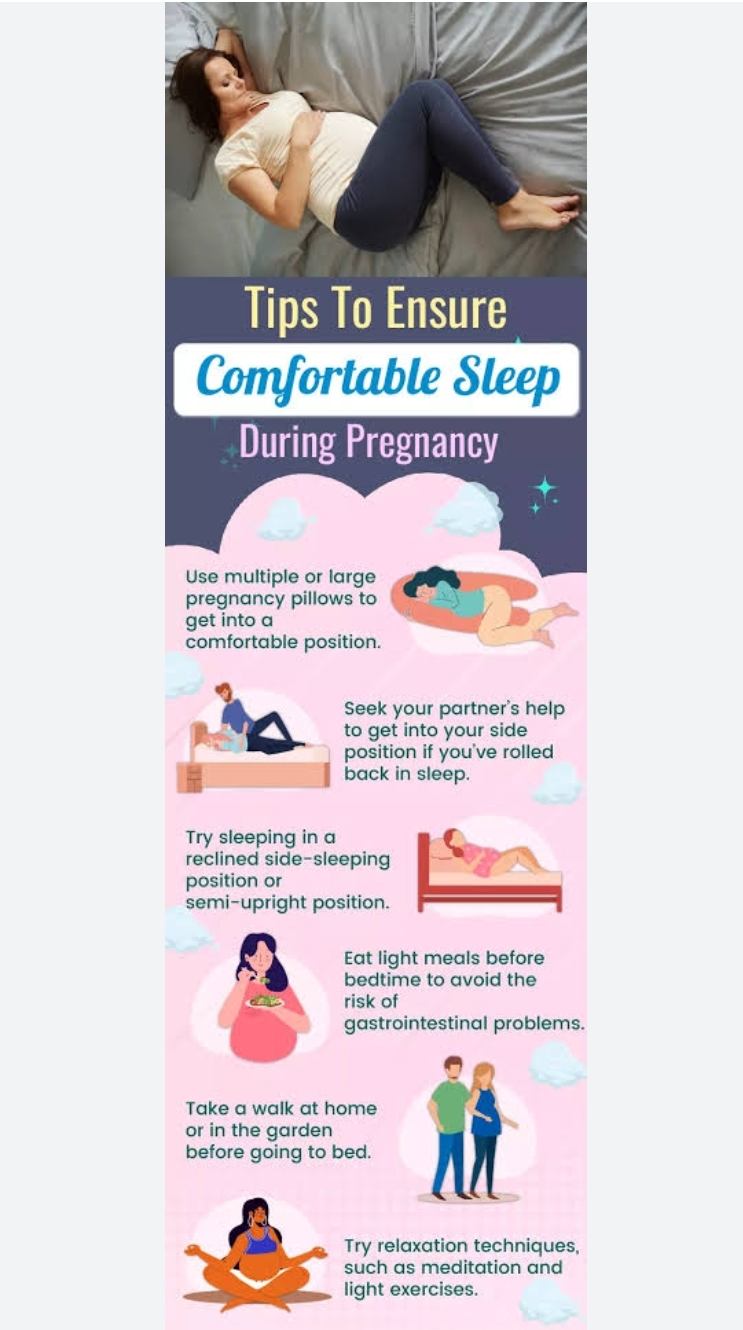
The question of “what side is better to sleep on when pregnant” has evolved far beyond a simple doctor’s recommendation. In the modern era, it is a technical challenge being met with ingenious solutions from the world of software engineering, biomechanics, and AI. By shifting the focus from manual effort to automated support, technology is ensuring that the “left side” is not just a recommendation, but a measurable and achievable standard for maternal health.
As we look toward the future, the integration of generative AI and even more sophisticated biosensors will likely make the struggle for a good night’s sleep during pregnancy a thing of the past. From smart pillows that nudge you into the correct position to mattresses that breathe and adapt to your body temperature, the tech industry is proving that the best way to care for the next generation is to monitor the current one with precision, data, and innovative design. For the tech-savvy parent, the journey to motherhood is no longer just a biological process—it is a data-optimized experience.
aViewFromTheCave is a participant in the Amazon Services LLC Associates Program, an affiliate advertising program designed to provide a means for sites to earn advertising fees by advertising and linking to Amazon.com. Amazon, the Amazon logo, AmazonSupply, and the AmazonSupply logo are trademarks of Amazon.com, Inc. or its affiliates. As an Amazon Associate we earn affiliate commissions from qualifying purchases.