
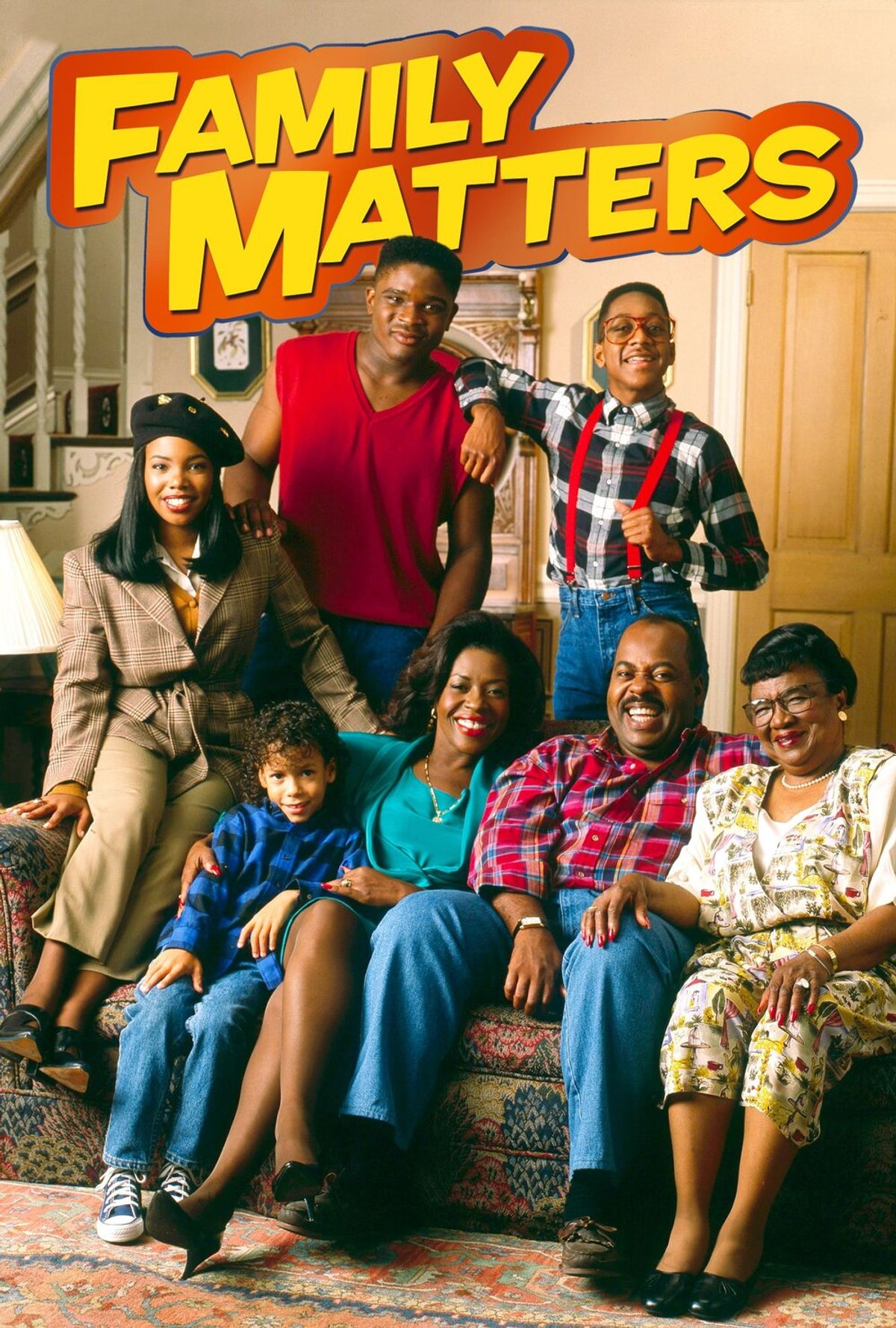
The question “what show was Steve Urkel on?” often serves as the starting point for a deeper exploration into one of the most successful accidental rebrands in entertainment history. While the answer is the long-running ABC (and later CBS) sitcom Family Matters, the story behind the character’s rise is a masterclass in brand pivot, audience-driven strategy, and the power of a distinct visual identity. Steve Urkel was never meant to be the face of a franchise, yet he became a multi-million dollar brand that eclipsed the very show he was built to support.

In the world of brand strategy, the “Urkel Effect” represents a scenario where a secondary component of a product or service becomes so resonant with the consumer that it necessitates a total overhaul of the corporate identity. By analyzing the trajectory of Steve Urkel through the lens of modern branding, we can uncover vital lessons for personal brands, corporate marketers, and creative directors alike.
The Pivot from Ensemble to Icon: A Case Study in Market Demand
When Family Matters premiered in 1989, it was designed as a traditional spin-off of Perfect Strangers, focusing on the Winslow family—a middle-class African American family living in Chicago. The “brand” of the show was grounded, domestic, and relatable. However, the introduction of a one-time guest character, Steve Urkel, in the middle of the first season, fundamentally altered the show’s market trajectory.
Identifying the Minimum Viable Product (MVP)
In branding, an MVP is a version of a product that allows a team to collect the maximum amount of validated learning about customers with the least effort. Steve Urkel was, essentially, a pilot test. His initial appearance was meant to be a single-episode gag. However, the audience’s reaction was immediate and overwhelming.
From a strategic standpoint, the producers of Family Matters did what many failed brands refuse to do: they listened to the data. When the “consumer” (the audience) signaled that they wanted more of the Urkel persona, the show’s creators pivoted. They transitioned from a family-centric drama-comedy to a character-driven vehicle. This shift is a classic example of “finding your hook” and scaling it rapidly once market fit is established.
Scaling the Sub-Brand
As Jaleel White’s character gained traction, the “Urkel” brand began to operate independently of the “Family Matters” brand. This is a phenomenon often seen in corporate structures where a specific product line—like the iPhone within Apple—becomes more recognizable than the parent company itself. By the mid-90s, the “What show was Steve Urkel on?” question was already being asked because the character had transcended the medium. He was no longer just a character; he was a cultural intellectual property (IP) that dictated the show’s narrative direction and marketing spend.
Defining Visual Identity: The Power of the “Nerdy” Aesthetic
A brand is nothing without a recognizable visual identity. Steve Urkel’s aesthetic was a triumph of intentional design. Every element of his appearance—the high-waisted pants held up by suspenders, the oversized multi-colored cardigans, and the thick-rimmed glasses—was designed to communicate a specific brand promise: lovable, clumsy, and brilliant.
Consistency as a Brand Pillar
One of the core tenets of successful branding is consistency. For nine seasons and 215 episodes, the visual identity of Steve Urkel remained remarkably stable. This consistency allowed for instant brand recognition. Whether you saw a silhouette or heard a catchphrase, you knew exactly what the product was. In modern personal branding, this is equivalent to a “signature look” or a consistent color palette on digital platforms.
The Urkel brand leveraged this consistency to create “The Urkel Dance” and the famous “Did I do that?” catchphrase. These weren’t just lines of dialogue; they were brand slogans. They were short, punchy, and highly shareable—the 1990s equivalent of a viral TikTok sound.
The Psychology of the Archetype
Brands often succeed when they tap into a universal archetype. Urkel tapped into the “Underdog” and “The Sage/Jester” hybrid. By positioning the character as someone who was socially awkward but technically gifted (often inventing gadgets that rivaled science fiction), the brand appealed to a wide demographic.
The strategy was to make the “nerd” cool before “geek culture” was a mainstream marketing term. By owning this niche, the Urkel brand became the gold standard for the archetype, effectively “moating” the competition. Other sitcoms tried to replicate the “annoying neighbor” trope, but none had the distinct visual and auditory branding required to achieve the same market dominance.
Brand Dilution and the Challenge of the Pivot

Success often brings the risk of brand dilution—where a brand becomes so overexposed that its value begins to diminish. By the later seasons of Family Matters, the Urkel brand was facing a crisis. The character was everywhere: on lunchboxes, in the form of a talking doll, and even on cereal boxes (Urkel-O’s).
Managing the “Stefan Urquelle” Rebrand
In an effort to keep the brand fresh and address the aging of the lead actor, Jaleel White, the show introduced a “rebrand” within the brand: Stefan Urquelle. Stefan was the suave, sophisticated alter-ego of Steve. From a strategic perspective, this was a brilliant move to extend the product lifecycle.
It allowed the show to keep the same actor (the core asset) while offering a “Premium Edition” of the character. This addressed a common branding problem: how do you evolve when your audience expects you to stay the same? The Stefan/Steve dichotomy allowed the brand to explore new narrative territories (romance, drama) without alienating the “Legacy” fans who wanted the classic Urkel experience.
The Typecasting Trap in Personal Branding
For Jaleel White, the person behind the brand, the success of Steve Urkel created a significant personal branding challenge. In the corporate world, this is known as “Brand Lock-in.” White’s identity was so synonymous with the Urkel character that transitioning into new roles post-Family Matters required an aggressive and difficult rebranding strategy.
This serves as a cautionary tale for modern influencers and entrepreneurs. If your personal brand is built entirely on a single gimmick or a specific “character,” you may find it difficult to pivot to new ventures. White’s later career, which involved voice acting (notably as Sonic the Hedgehog) and writing, shows the effort required to diversify a brand portfolio after a decade of hyper-specialization.
Monetizing the Legacy: Merchandise and Cross-Platform Integration
The answer to “what show was Steve Urkel on?” is often followed by “didn’t he have his own cereal?” This highlights the strength of the Urkel brand’s merchandising strategy. At its peak, the Urkel brand was a licensing powerhouse, demonstrating how a television character can be leveraged into a multi-vertical business.
From Screen to Shelf: The Urkel-O’s Strategy
In 1991, Ralston Purina released “Urkel-O’s,” a strawberry-and-banana flavored cereal. This was a significant moment in brand integration. It proved that the character had enough “equity” to move consumers from the television screen to the grocery aisle. For a brand to succeed in cross-platform integration, it must have high levels of trust and recognition. The Urkel brand had both.
The cereal wasn’t just a product; it was a physical touchpoint for the brand. It included games on the back of the box and promotions that kept the character top-of-mind even when the show wasn’t airing. This is a strategy used today by brands like Red Bull, which uses physical products to fund and promote a wider lifestyle and media ecosystem.
Intellectual Property in the Digital Age
Today, the Urkel brand continues to hold value through syndication and nostalgia-based marketing. In 2021, Jaleel White launched “ItsPurpl,” a cannabis brand that utilized the Urkel imagery and the “Stefan Urquelle” aesthetic. This is a sophisticated use of legacy branding—taking a 30-year-old intellectual property and repositioning it for a modern, adult demographic.
By leveraging the “purple” theme (a nod to the character’s signature colors) and the nostalgia of Gen X and Millennials, White successfully transitioned a “kid-friendly” brand into a luxury lifestyle market. This is a prime example of brand equity being repurposed for a completely different industry, proving that a well-built brand never truly dies; it just evolves.
Conclusion: The Lasting Legacy of the Urkel Brand
Steve Urkel remains one of the most significant case studies in the history of television branding. He transformed Family Matters from a standard family sitcom into a cultural powerhouse and, in doing so, created a blueprint for character-driven marketing.
The lessons for modern brand strategists are clear:
- Be Agile: Monitor audience data and be willing to pivot your entire strategy if a “side feature” shows more potential than the main product.
- Focus on Visual Identity: Create a look and feel that is instantly recognizable, even in silhouette.
- Manage Your Life Cycle: Use “sub-brands” or “rebrands” (like Stefan Urquelle) to refresh your image and prevent stagnation.
- Leverage Equity: Recognize that a strong brand can be moved across different platforms and industries if the core identity remains intact.
While many might simply remember the suspenders and the high-pitched voice, those in the world of brand strategy see a masterclass in identity, consistency, and market dominance. Steve Urkel wasn’t just a character on a show; he was a masterfully executed brand that continues to provide value decades after the final credits rolled.
aViewFromTheCave is a participant in the Amazon Services LLC Associates Program, an affiliate advertising program designed to provide a means for sites to earn advertising fees by advertising and linking to Amazon.com. Amazon, the Amazon logo, AmazonSupply, and the AmazonSupply logo are trademarks of Amazon.com, Inc. or its affiliates. As an Amazon Associate we earn affiliate commissions from qualifying purchases.