
In the modern landscape of political marketing, a brand is defined less by its historical roots and more by the current demographic makeup of its “loyalists.” For the Republican Party (GOP), the brand identity has undergone a seismic shift over the last three decades. Once perceived as the “Country Club” party—the home of the corporate elite, the highly educated professional, and the affluent suburbanite—the GOP is now navigating a complex “diploma divide.”
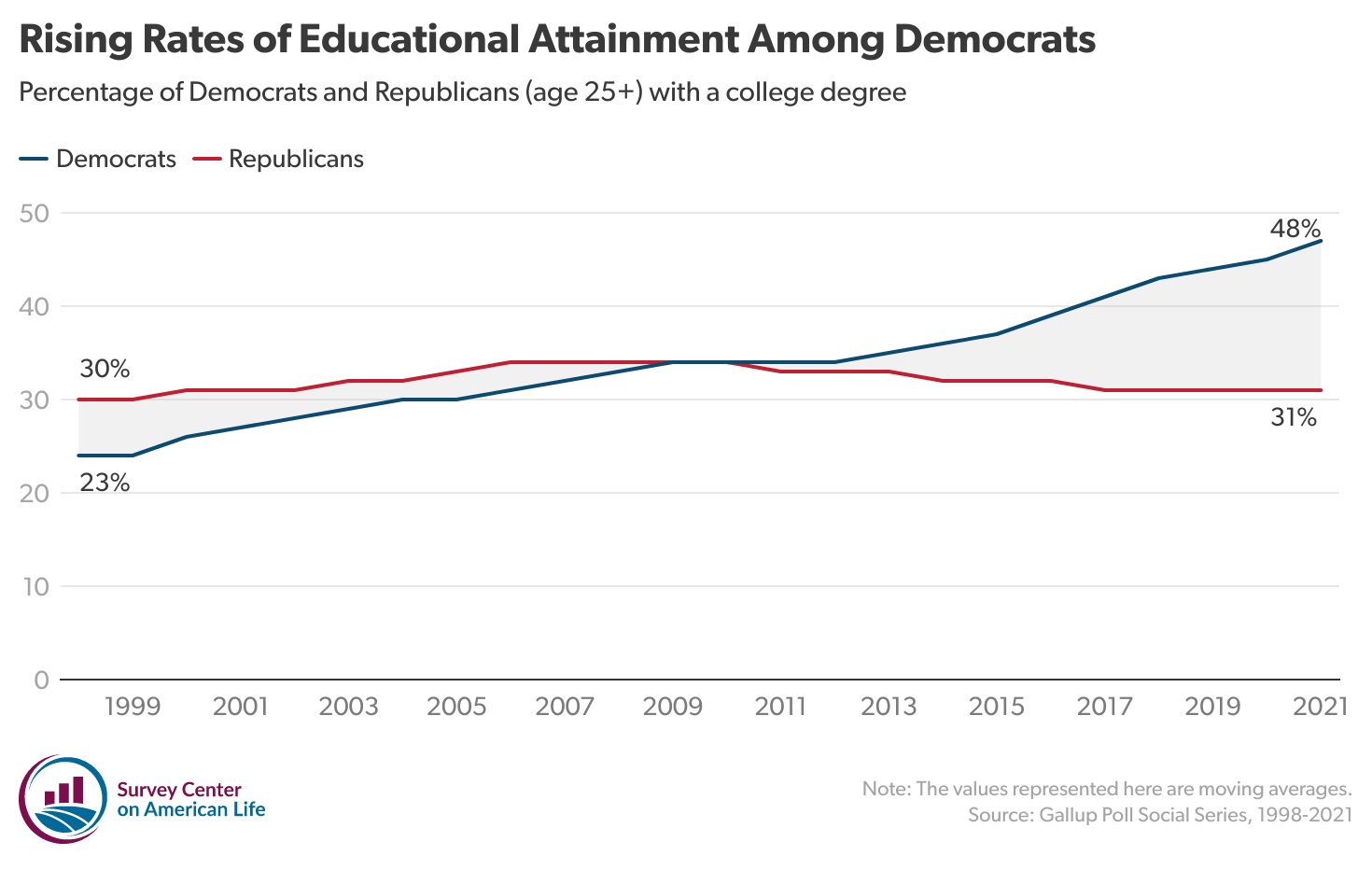
To understand the current strength and future trajectory of the Republican brand, one must look closely at a single, pivotal metric: what percentage of Republicans are college-educated? As of recent data from the Pew Research Center and various exit polls, approximately 35% of Republican-leaning voters hold a four-year college degree or higher. This figure stands in stark contrast to the Democratic Party, where college-educated voters now form a majority or a near-majority of the base.
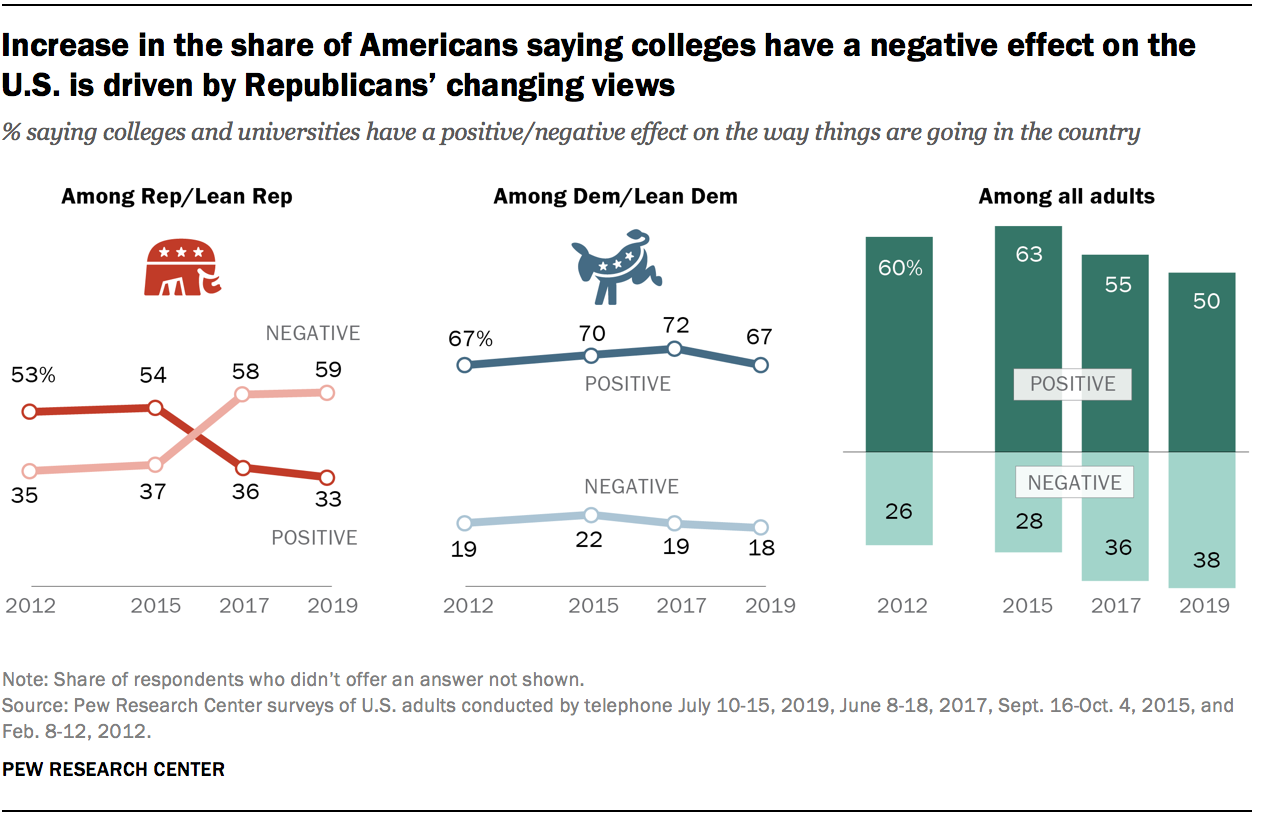
This educational realignment isn’t just a statistical curiosity; it is a fundamental shift in brand strategy. For marketing professionals and brand strategists, the Republican Party’s pivot offers a masterclass in audience segmentation, value proposition shifting, and the challenges of managing a brand that must appeal to two increasingly divergent demographic cohorts.
The Changing Demographic Identity of the GOP Brand
Brand identity is built on the foundation of who uses the product—or in this case, who casts the vote. Historically, higher education was one of the most reliable predictors of Republican support. The “Grand Old Party” brand was synonymous with fiscal responsibility, professional management, and traditional institutional stability. However, the modern GOP brand has pivoted toward a populist identity, prioritizing cultural resonance over traditional “credentialed” expertise.
Historical Context: From the “Country Club” to the Working Class
In the mid-20th century, the Republican brand was the gold standard for the educated professional. The value proposition was clear: low taxes, less regulation, and a stable environment for business growth. This attracted the college-educated demographic who occupied managerial and executive roles.
However, since the early 2010s, and accelerating rapidly after 2016, the brand has been “rebranded” by its own base. The percentage of college-educated Republicans has stagnated or decreased in relative terms as the party has gained massive ground among non-college-educated voters, particularly in rural and industrial sectors. This shift represents a transition from an “Elite/Professional” brand to a “Populist/Challenger” brand.
Analyzing the Current Percentage: What the Data Says
Recent polling suggests that while the overall electorate is becoming more educated, the Republican brand is increasingly reliant on voters without a four-year degree. While roughly 35% of the GOP base possesses a degree, the “brand growth” is happening among those with vocational training or high school diplomas.
From a brand strategy perspective, this creates a “Barbell Effect.” The party must cater to a highly educated donor class (the 35% who often hold significant capital) while maintaining the loyalty of a massive, non-degree-holding base that provides the actual electoral power. Balancing these two personas—the “C-Suite Executive” and the “Blue-Collar Worker”—is the central challenge of the modern Republican brand architecture.
Brand Strategy and the Education Divide
When a brand’s audience splits along educational lines, its messaging must adapt. Education levels often correlate with different media consumption habits, linguistic preferences, and value systems. For the GOP, this has necessitated a dual-track branding strategy that often teeters on the edge of contradiction.
Tailoring Messaging for Non-Degree Voters
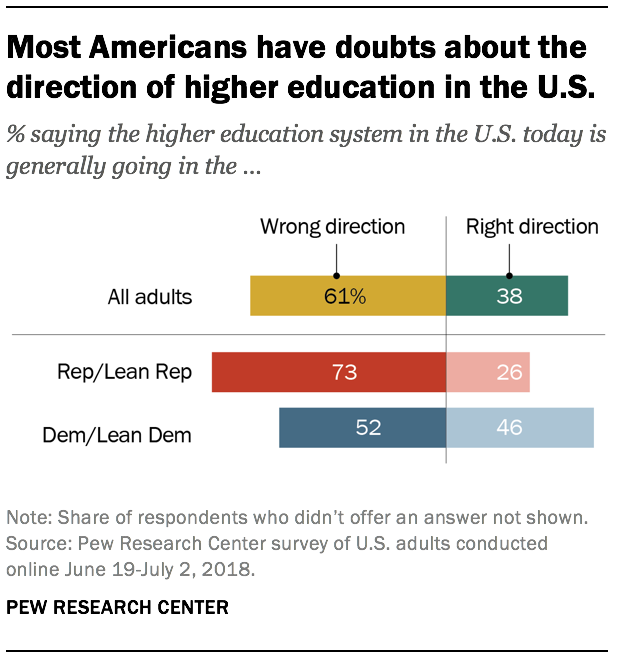
For the majority of the Republican base (the 65% without a four-year degree), the brand strategy focuses on “Authenticity” and “Common Sense.” The messaging often positions the brand in opposition to “the elites”—a group that includes academia, mainstream media, and corporate HR departments.
In this branding niche, the language is direct, emotional, and focused on cultural preservation. The “product” being sold is not just a policy platform, but a sense of belonging and protection against a rapidly changing, “credential-obsessed” world. This is a classic “Us vs. Them” branding move, common in challenger brands that want to disrupt established industries. By de-emphasizing the importance of the college degree, the GOP brand has successfully captured a massive market share of voters who feel ignored by the “Professional Managerial Class” brand of the opposition.
The Retainment Challenge: Keeping the College-Educated Base
The 35% of Republicans who are college-educated represent a critical “High-Value Customer” segment. These individuals often live in swing-state suburbs and possess the social capital to influence their peers. However, the populist branding that appeals to the non-degree base can often “dilute” the brand’s appeal to this group.
To retain this segment, the GOP employs a “Segmented Value Proposition.” While the public-facing rallies focus on populist themes, the brand’s policy-oriented communications focus on “Market Freedom,” “School Choice,” and “Global Competitiveness.” The challenge for the brand is to ensure that the “anti-elite” rhetoric does not become “anti-intellectual” to the point where it drives away the professionals, engineers, and business owners who still identify with the party’s core economic tenets.
Case Study: Cultural Branding vs. Economic Branding
In branding, “Cultural Branding” is about telling a story that helps people make sense of their lives. “Economic Branding” is about the functional utility of the product. The Republican Party’s current brand crisis—and its greatest opportunity—lies in the tension between these two approaches as they relate to education.
The Shift from Fiscal Conservatism to Populist Appeal
For decades, the Republican brand was “The Party of Business.” This was an economic brand. If you were college-educated and worked in finance or law, the GOP was the “logical” choice for your wallet. But as the percentage of college-educated voters in the party has fluctuated, the brand has shifted toward “Cultural Conservatism.”
This is a pivot from functional benefit (tax cuts) to emotional benefit (identity and heritage). This shift is particularly effective among voters without degrees, for whom the traditional “corporate” Republican brand felt cold and distant. By rebranding as the defenders of “Traditional Values,” the GOP has built a brand loyalty that is much harder to break than one based purely on economic policy.
How Educational Background Influences Brand Loyalty
Education doesn’t just change what people think; it changes how they process brand information. Research shows that college-educated consumers (and voters) are more likely to seek out multiple sources of information and value “Institutional Credibility.” Conversely, voters without degrees often value “Relatability” and “Direct Communication.”
The GOP brand has mastered the art of “Direct-to-Consumer” (DTC) politics. By bypassing traditional “credentialed” media and going straight to social media and talk radio, the brand creates a direct emotional link with the non-college-educated voter. For the 35% who are college-educated, the brand often relies on a “Legacy Loyalty”—a belief that despite the new populist tone, the underlying brand architecture still supports their long-term interests.
The Future of Political Brand Positioning
As we look toward the next decade, the Republican brand must decide if it is comfortable being the party of the “Un-Credentialed” or if it needs to stage a “Brand Recovery” among the college-educated. The current percentage of 35% is a warning sign to some strategists, but a badge of honor to others who see it as a sign of a truly “Pro-Worker” brand.
Reclaiming the Professional Class
To grow its market share among the college-educated, the GOP may need to launch a “Sub-Brand” or a “Premium Tier” of its platform. This involves highlighting tech-forward policies, such as cryptocurrency regulation, AI development, and aerospace expansion. By framing these “smart” industries as the new frontier of American exceptionalism, the brand can appeal to the degreed professional’s desire for progress and innovation.
The goal would not be to abandon the populist base, but to create a “Big Tent Brand” that offers different “Brand Experiences” for different educational tiers. In the corporate world, this is similar to how a company like Toyota manages the “Lexus” brand for high-end consumers while maintaining the “Toyota” brand for the mass market.
Digital Marketing and Micro-Targeting by Educational Attainment
The future of GOP branding lies in data-driven micro-targeting. Using advanced AI tools and digital marketing stacks, the party can now deliver two entirely different brand messages to two different households on the same street.
A voter with a Master’s degree might receive a digital ad focusing on “Regulatory Reform and Market Stability,” while their neighbor without a degree might see an ad focused on “Protecting American Jobs and Border Security.” This allows the Republican brand to maintain its 35% college-educated base while aggressively expanding its majority share among non-degree holders.
In conclusion, the question of “what percentage of Republicans are college-educated” is the most important metric in political branding today. It defines the language the party uses, the platforms it prioritizes, and the “Brand Persona” it projects to the world. Whether the GOP becomes a permanent populist brand or finds a way to re-integrate the professional class will determine the “Brand Equity” of the Republican name for generations to come. In the world of branding, as in politics, your audience is your identity.
aViewFromTheCave is a participant in the Amazon Services LLC Associates Program, an affiliate advertising program designed to provide a means for sites to earn advertising fees by advertising and linking to Amazon.com. Amazon, the Amazon logo, AmazonSupply, and the AmazonSupply logo are trademarks of Amazon.com, Inc. or its affiliates. As an Amazon Associate we earn affiliate commissions from qualifying purchases.