
Understanding the demographic landscape of the United States is essential for any comprehensive economic analysis. Among the most influential yet often overlooked cohorts in the American financial ecosystem is the veteran population. When we ask, “What percent of America are veterans?” we are not just asking for a statistical figure; we are inquiring about a demographic that controls billions in purchasing power, drives a significant portion of the small business economy, and represents a unique segment of the labor market.
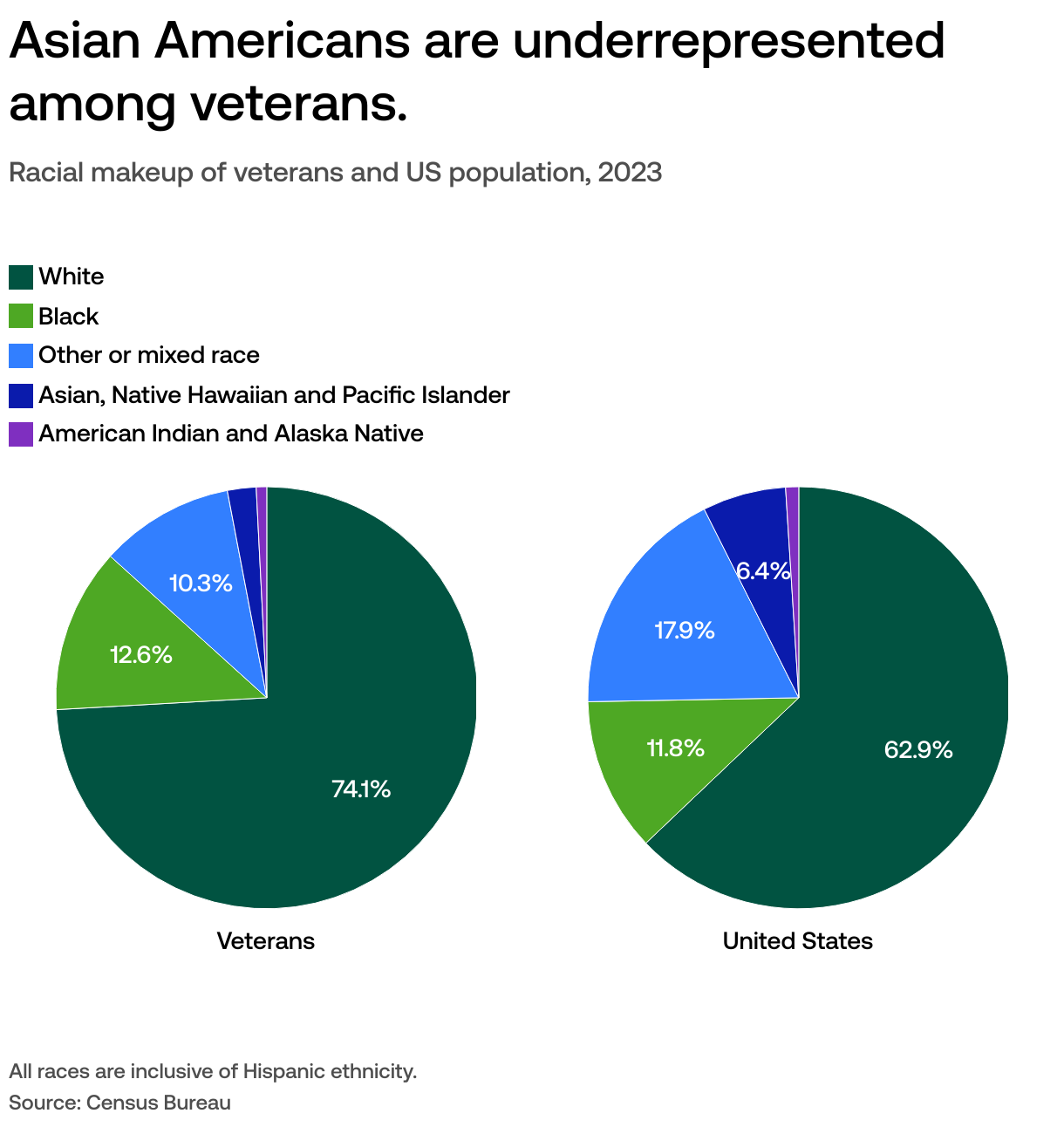
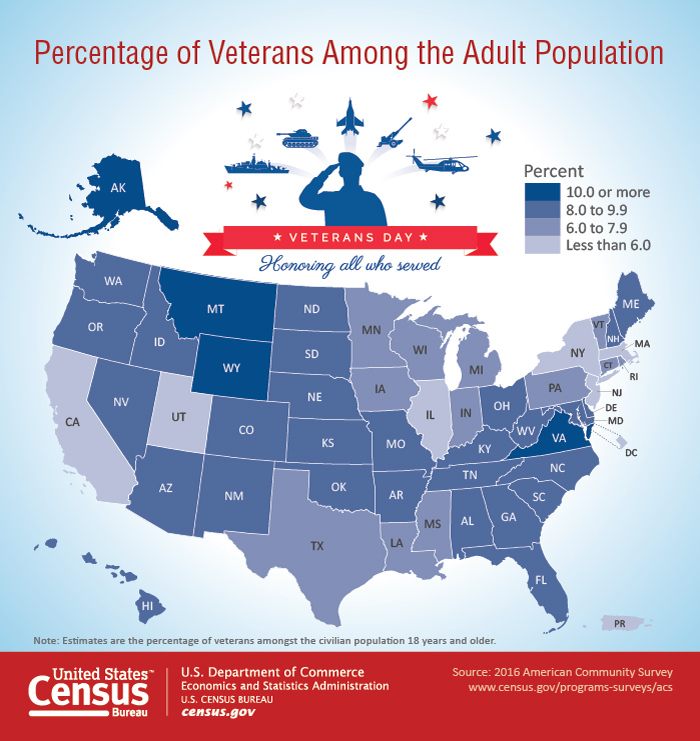
Currently, veterans make up approximately 6% to 7% of the U.S. adult population. While this percentage has seen a steady decline since the era of the universal draft, the economic footprint of this group has never been more significant. As the military transitions toward a smaller, highly specialized all-volunteer force, the financial profile of the American veteran is shifting from a broad-based demographic to a specialized, high-earning, and asset-heavy economic driver.

Demographic Shift: Measuring the Size and Economic Footprint of U.S. Veterans
To understand the financial implications of the veteran population, one must first look at the raw data provided by the U.S. Census Bureau and the Department of Veterans Affairs (VA). As of 2024, there are roughly 18 to 19 million veterans in the United States. This is a sharp decrease from 1980, when veterans made up about 18% of the adult population.
The Shrinking Percentage: Current Stats and Future Projections
The decline in the percentage of veterans is a result of the transition from the large-scale mobilization seen in World War II, Korea, and Vietnam to the modern All-Volunteer Force. Today, less than 1% of the U.S. population is on active duty at any given time. This creates a “thin green line” of individuals who transition into the civilian economy.
From a “Money” perspective, this scarcity increases the value of veteran status in the labor market. Because the percentage of veterans is shrinking, the specialized skills they bring—leadership, technical proficiency in high-stakes environments, and security clearances—command a premium in the private sector. Projections suggest the veteran population will continue to decline to about 12 million by 2045, making this demographic an increasingly exclusive and high-value target for financial institutions and luxury brands.
Wealth Distribution and Net Worth Trends Among Former Service Members
Interestingly, the financial health of veterans often outpaces that of their civilian counterparts. Data consistently shows that the median household income for veteran households is significantly higher than that of non-veteran households. This is attributed to several factors: subsidized education through the GI Bill, stable early-career employment, and a high concentration of veterans in lucrative sectors like defense contracting, engineering, and federal management.
Furthermore, veterans are more likely to own homes—a primary driver of middle-class wealth in America. The structural financial advantages provided to this 7% of the population, such as the VA Home Loan, have allowed them to weather economic downturns with greater resilience than the general public.
The Financial Impact of the Veteran Population on the U.S. Economy
While veterans may only represent a single-digit percentage of the total population, their aggregate financial impact is measured in the hundreds of billions of dollars. This impact is felt through two primary channels: their massive collective purchasing power and their disproportionate representation in entrepreneurship.
Consumer Purchasing Power: A Multi-Billion Dollar Market
Retailers and financial service providers view the veteran community as a “recession-resistant” market. With a significant portion of veterans receiving guaranteed government pensions, disability compensation, or stable federal salaries, their discretionary spending remains more consistent during market volatility.
Financial institutions, in particular, have built entire business models around this demographic. Companies like USAA and Navy Federal Credit Union are among the most stable and well-capitalized financial entities in the country, precisely because they serve this 7% of the population. The loyalty of the veteran consumer is a “moat” that creates long-term financial stability for the brands that successfully engage them.
Veteran-Owned Businesses: Drivers of GDP and Innovation
One of the most profound ways veterans influence the American “Money” niche is through entrepreneurship. Veterans are 45% more likely to start their own business than people with no military experience. Currently, veteran-owned businesses employ nearly 4 million Americans and generate over $1 trillion in annual receipts.
These businesses span every sector, from local construction firms to high-tech cybersecurity startups. The “Mission First” mindset translates effectively into the lean-startup methodology, making veteran entrepreneurs highly attractive to venture capitalists and angel investors. For the U.S. economy, the veteran population serves as a constant pipeline of disciplined, risk-tolerant business leaders who drive job creation and tax revenue.
Government Expenditure and the Macroeconomics of Veteran Benefits
When discussing the financial side of the veteran population, we must address the massive flow of federal capital. The Department of Veterans Affairs (VA) maintains one of the largest budgets in the federal government, often exceeding $300 billion annually. This represents a significant redistribution of capital that fuels various sectors of the economy, particularly healthcare and education.
The VA Budget: Assessing the Allocation of Federal Resources
The VA budget is a macroeconomic engine. A large portion of this funding goes toward disability compensation and pensions, which acts as a direct cash injection into local economies across all 50 states. Unlike many other forms of government spending, veteran benefits are often “sticky”—they are spent on mortgages, groceries, and local services, providing a localized economic stimulus.
From an investment standpoint, the growth of the VA budget signals opportunities in the “GovTech” and healthcare services sectors. Companies that provide medical equipment, pharmaceutical services, or digital infrastructure to the VA are tapping into one of the most stable and well-funded revenue streams in the world.
Education and the GI Bill: Investing in Human Capital
Perhaps the most successful financial instrument in American history is the GI Bill. By providing the veteran population with debt-free higher education, the government facilitates a massive transfer of human capital into the high-tech economy. This 7% of the population enters the workforce with advanced degrees and specialized training without the burden of student loan debt that plagues the average millennial or Gen Z civilian.
This lack of debt allows veterans to participate in the economy more aggressively—investing in the stock market earlier, purchasing homes sooner, and having more disposable income to fuel economic growth. The ROI (Return on Investment) for the GI Bill is estimated to be several dollars for every dollar spent, making it a cornerstone of American economic policy.
Navigating the Transition: Personal Finance and Wealth Management for Veterans
For the individual veteran, the transition from military service to civilian life is a pivotal financial moment. This transition involves moving from a structured, subsidized lifestyle to a market-driven environment. Managing this shift is a major focus within the personal finance industry.
Leveraging the VA Home Loan as a Wealth-Building Tool
The VA Home Loan is arguably the most powerful wealth-building tool available to the 7% of Americans who served. By allowing veterans to purchase homes with $0 down and no private mortgage insurance (PMI), the program lowers the barrier to entry for real estate investment.
In many markets, veterans use this benefit to acquire multi-family properties (house hacking), where they live in one unit and rent out the others. This strategy allows them to build equity and generate passive income using government-backed leverage. For the savvy veteran, the VA loan is not just a housing benefit; it is a sophisticated financial leverage tool that can jumpstart a lifetime of real estate investing.
Retirement Planning: Bridging the Gap Between Military and Civilian Pensions
The military retirement system is one of the few remaining “defined benefit” plans in the United States. Veterans who serve 20 years or more receive a lifetime pension, which provides a “floor” for their retirement planning. However, with the introduction of the Blended Retirement System (BRS), which includes a 401(k)-style Thrift Savings Plan (TSP) with matching contributions, the financial profile of the modern veteran is becoming more aligned with private-sector wealth management.
The challenge for many veterans is the “gap”—the period between leaving the military and reaching the age to draw Social Security or 401(k) distributions. Wealth management for veterans focuses on “bridging” this gap through bridge accounts, brokerage investments, and tax-efficient strategies to manage their transition pay. Because veterans often start their “second careers” in their 40s, they have a unique financial trajectory: they are often at their peak earning years while simultaneously receiving a government pension, leading to high rates of capital accumulation.
Conclusion: The Outsized Economic Influence of the 7%
What percent of America are veterans? While the answer is roughly 7%, their influence on the American economy is far greater than their numbers suggest. They are a demographic characterized by higher-than-average incomes, significant entrepreneurship rates, and access to unique financial products that accelerate wealth building.
From a macro perspective, the veteran population represents a massive transfer of skills and capital from the public sector to the private market. From a micro perspective, they represent a disciplined and lucrative consumer base. For anyone interested in the intersection of demographics and money, the veteran community stands as a testament to how targeted benefits and disciplined professional training can create a powerful, resilient economic force within the heart of the American financial system. Understanding this 7% is not just about gratitude for service; it is about recognizing a vital pillar of the nation’s economic strength.
aViewFromTheCave is a participant in the Amazon Services LLC Associates Program, an affiliate advertising program designed to provide a means for sites to earn advertising fees by advertising and linking to Amazon.com. Amazon, the Amazon logo, AmazonSupply, and the AmazonSupply logo are trademarks of Amazon.com, Inc. or its affiliates. As an Amazon Associate we earn affiliate commissions from qualifying purchases.