
In the modern hiring landscape, the integration of HealthTech and automated Human Resources (HR) workflows has transformed how organizations vet potential candidates. Among the various layers of background checks, drug screening remains a cornerstone of workplace safety and insurance compliance. For tech-driven enterprises and traditional businesses alike, understanding the technical infrastructure behind these tests is essential. While several methods exist, the Urine Drug Screen (UDS) remains the most common drug test for pre-employment, largely due to its cost-efficiency, technical reliability, and seamless integration into digital HR ecosystems.

The Technical Framework of the Urine Drug Screen (UDS)
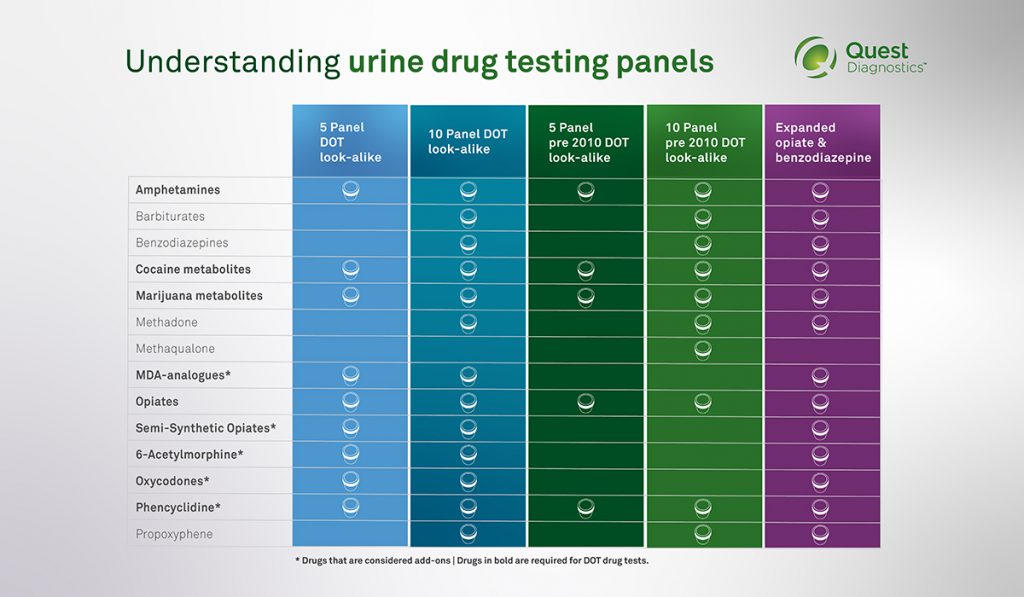
The urine drug screen’s dominance is not merely a matter of tradition; it is a result of decades of refinement in biochemical technology and laboratory logistics. In the context of pre-employment, companies typically utilize a 5-panel or 10-panel digital screening process that interfaces directly with an organization’s internal software.
Why the 5-Panel Screen Dominates HR Platforms
The “5-panel” test is the industry standard because it targets the most prevalent substances identified by the Substance Abuse and Mental Health Services Administration (SAMHSA). Technically, these tests utilize immunoassay technology—a biochemical test that measures the presence of a macromolecule through the use of an antibody. This technology allows for rapid “pass/fail” results, which can be instantly updated in an applicant’s digital profile. The efficiency of this tech ensures that the hiring pipeline remains fluid, preventing bottlenecks in the onboarding process.
Digital Integration and Real-Time Reporting
One of the primary reasons the urine test has maintained its status is its compatibility with Electronic Chain of Custody (eCCF) systems. Historically, drug testing was plagued by manual paperwork, leading to human error and data silos. Modern testing facilities now use cloud-based platforms where the “chain of custody”—the chronological documentation of the seizure, custody, and control of the sample—is entirely digital. This allows HR managers to track the status of a candidate’s test in real-time through an Applicant Tracking System (ATS), receiving encrypted notifications the moment a result is verified by a Medical Review Officer (MRO).
Emergent Alternatives: Oral Fluid and Hair Follicle Testing Technology
While urine testing is the baseline, technology has paved the way for more sophisticated methods that offer different data points, such as detection windows and ease of collection. These alternatives are increasingly being integrated into the “Tech-Stack” of high-security or executive-level hiring processes.
Saliva Testing: The Shift Toward Point-of-Care (POC) Tech
Oral fluid testing, or saliva testing, is gaining traction due to its “Point-of-Care” (POC) capabilities. Unlike urine tests, which require a private collection site, saliva tests can be administered on-site with immediate results. The technology involves lateral flow chromatography—the same tech used in rapid COVID-19 tests. For high-volume tech recruiters or warehouse operations, this technology reduces the “time-to-hire” metric by eliminating the need for candidates to visit a third-party laboratory. However, its shorter detection window (typically 24–48 hours) means it is often used for post-accident screening rather than pre-employment.
The Precision of Laboratory Information Management Systems (LIMS)
For roles requiring long-term security clearances or executive oversight, hair follicle testing is the preferred technical solution. This method uses Gas Chromatography-Mass Spectrometry (GC-MS), a sophisticated analytical method that combines the features of gas-chromatography and mass spectrometry to identify different substances within a test sample. Because hair stores metabolites for up to 90 days, the data provided is significantly more robust. These results are processed through Laboratory Information Management Systems (LIMS), which ensure that the complex molecular data is accurately mapped back to the candidate’s digital ID, providing a high-fidelity look at an individual’s history.
The Role of HR-Tech Platforms in Automating Compliance
The “how” of drug testing is now inseparable from the “where”—specifically, the digital platforms where HR professionals live. The most common drug test for pre-employment is now rarely a standalone event; it is a data point within a larger automated compliance engine.
API Integration with Applicant Tracking Systems (ATS)
Modern background check companies, such as Checkr, HireRight, and Sterling, have built robust Application Programming Interfaces (APIs) that allow their screening tools to “talk” to recruitment software like Workday, Greenhouse, or Lever. When a candidate moves to the “Offer” stage in an ATS, the system automatically triggers a drug test request via API. The candidate receives a mobile-friendly link, chooses a testing site via a GPS-enabled map, and the entire lifecycle of the test is handled by software. This automation reduces administrative overhead and ensures that companies remain compliant with federal and state regulations without manual intervention.
Blockchain and the Future of Verified Health Credentials
Looking toward the future of digital security, there is an emerging trend of using blockchain technology to store verified health credentials, including drug test results. By using a decentralized ledger, a candidate could potentially “own” their verified test results, sharing a cryptographically signed token with a prospective employer. This would eliminate the need for redundant testing, saving time and resources while enhancing the security of sensitive medical data. While not yet the standard, the technological groundwork for “Self-Sovereign Identity” (SSI) in employment screening is currently being laid by various Tech startups.
Data Security and Privacy in the Screening Ecosystem
As drug testing becomes more digitized, the focus has shifted from the chemistry of the test to the security of the data. Handling biological information requires the highest level of digital scrutiny to protect both the candidate and the employer.
Encryption and HIPAA Compliance in Digital Results
Because drug test results are considered protected health information (PHI) in many jurisdictions, the technology used to transport this data must be highly secure. Modern screening platforms utilize AES-256 encryption for data at rest and TLS for data in transit. Furthermore, these platforms must be designed with HIPAA (Health Insurance Portability and Accountability Act) compliance in mind. This ensures that only authorized personnel—typically a designated HR Compliance Officer—have the digital “key” to view a candidate’s medical results, preventing unauthorized access and potential discrimination suits.
AI-Driven Risk Assessment vs. Privacy Rights
Artificial Intelligence is beginning to play a role in how companies interpret screening data. Some advanced platforms use AI to cross-reference drug test results with regional legal changes (such as the shifting legality of cannabis) to provide HR teams with a “risk score.” However, this introduces a technical and ethical challenge: ensuring that algorithms do not bake in bias or violate privacy rights. The tech community is currently focused on developing “Explainable AI” (XAI) in the HR space, which provides transparent reasoning for why a candidate was flagged, ensuring that the final hiring decision remains in human hands while being supported by technical insights.
Conclusion: The Intersect of Biology and Bits
The question of “what is the most common drug test for pre-employment” is answered by the urine drug screen, but its prevalence is sustained by a massive technological infrastructure. From the biochemical precision of immunoassays to the seamless API integrations within an ATS, the drug testing process is a testament to how digital tools have streamlined corporate governance.
As we move further into a tech-centric era, the focus will likely shift away from the collection method and toward the management of the data itself. Whether through more advanced POC devices or the implementation of blockchain-verified credentials, the goal remains the same: using technology to create a safer, more efficient, and more transparent hiring process. For the modern professional, understanding these technical layers is no longer optional—it is a vital part of navigating the contemporary digital workforce.
aViewFromTheCave is a participant in the Amazon Services LLC Associates Program, an affiliate advertising program designed to provide a means for sites to earn advertising fees by advertising and linking to Amazon.com. Amazon, the Amazon logo, AmazonSupply, and the AmazonSupply logo are trademarks of Amazon.com, Inc. or its affiliates. As an Amazon Associate we earn affiliate commissions from qualifying purchases.